ATP Tour: What It Is, Who Plays, and What You Can Learn from the Matches
When you hear ATP Tour, the premier circuit for men's professional tennis that organizes tournaments worldwide and tracks player rankings. It's the stage where the fastest serves, most intense rallies, and toughest mental games happen every week. This isn’t just a series of matches—it’s a global system of competition, rankings, and pressure that shapes how tennis is played, watched, and officiated.
The ATP Tour includes events like the Grand Slams—the Australian Open, Roland Garros, Wimbledon, and the US Open—plus Masters 1000s, 500s, and 250s. These tournaments aren’t just about who wins. They’re about consistency, strategy, and how players adapt to different surfaces, climates, and referee calls. And if you’ve ever wondered why a line call matters so much in a five-set match, that’s where the role of the referee becomes critical. The tennis players on this tour train for years just to get to this level, and every match is a test of skill, endurance, and discipline.
What does this mean for someone interested in officiating? A lot. The ATP Tour sets the standard for how tennis is called at the highest level. Referees on this circuit handle complex situations: code violations, line judge errors, medical timeouts, and player conduct—all under global scrutiny. If you’re learning the rules of tennis, watching ATP matches isn’t just entertainment. It’s training. You’ll see how net cord calls are handled, how timeouts are managed, and how officials stay calm when a player is furious. You’ll notice patterns: how top players use the rules to their advantage, how line judges communicate with chair umpires, and how the flow of a match changes after a controversial decision.
The ATP rankings are built on a rolling 52-week system that rewards performance across all levels of competition. A player can win a 250-event in February and still be ranked higher than someone who won a 1000-event six months ago. That’s because consistency matters more than one big win. For referees, this means understanding how tournament level affects player expectations, pressure, and behavior. A player who’s fighting to stay in the top 50 will react differently to a bad call than someone already ranked number one.
You won’t find every ATP match covered here, but you’ll find posts that connect directly to what happens on those courts. From how tennis TV coverage works to why certain players dominate on clay, from the equipment they use to the physical limits they push, the articles below give you the real-world context behind the matches. Whether you’re a new referee learning the ropes or a fan who wants to understand why a match ended the way it did, this collection gives you the tools to see beyond the scoreboard.
 21 December 2025
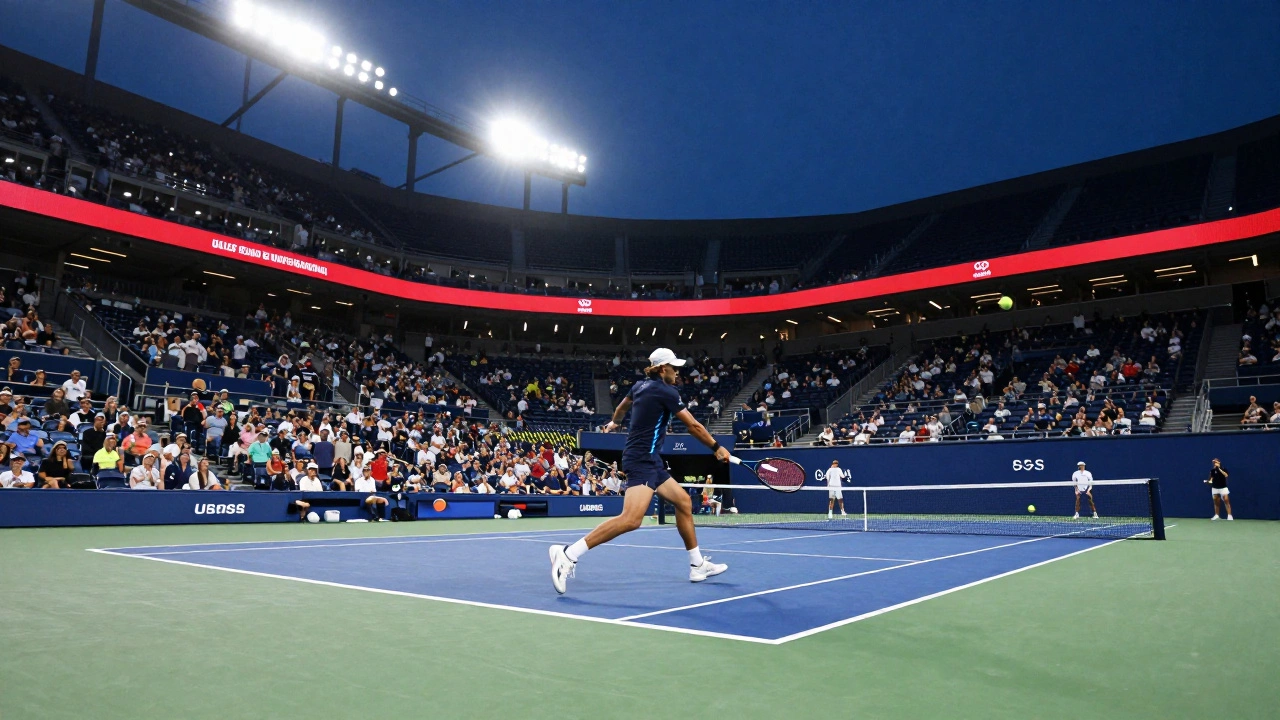
What is the next major tennis tournament in 2024?
The next major tennis tournament in 2024 is the US Open, running from August 26 to September 8 in New York. It's the final Grand Slam of the year, featuring top players, record prize money, and intense hard-court action.
 23 November 2025
Is ATP Only Men's Tennis? The Full Story Behind the Tour
The ATP is exclusively for men's professional tennis. Women compete on the separate WTA tour. Both tours are equal in prestige but differ in structure, prize money, and scheduling.