
Stamina Progress Calculator
10% Weekly Progression Calculator
Follow the 10% rule for safe, sustainable stamina building. Never increase your weekly activity by more than 10% from the previous week.
Next Week's Target
Increase your activity by 10% to safely build stamina without injury
Why this matters
As the article explains: "The 10% rule is simple: don't increase your total weekly activity by more than 10% each week. If you walked 60 minutes last week, aim for 66 this week. Not 80. Not 100. 66."
This prevents burnout and injury while allowing your body to safely adapt to increased activity.
Stamina Progress Tracker
Track your progress over 4 weeks to see your stamina building steadily.
| Week | Activity | Goal | Result |
|---|---|---|---|
| Week 1 | 20 minutes | 20 minutes | |
| Week 2 | 22 minutes | 22 minutes | |
| Week 3 | 24 minutes | 24 minutes | |
| Week 4 | 26 minutes | 26 minutes |
Stamina Building Tip
The article states: "The magic happens in the repetition, not the hero workout. You don't need to run 10 kilometers on day one. You need to show up every other day for 20 minutes."
Ever feel like you run out of breath halfway through your jog, or get wiped out after climbing a few flights of stairs? You’re not lazy-you just haven’t trained your body to handle sustained effort. Building stamina isn’t about running faster or lifting heavier. It’s about teaching your heart, lungs, and muscles to work together longer without burning out. And yes, it’s totally doable-even if you’re starting from zero.
Start with consistency, not intensity
Most people fail at building stamina because they go too hard too soon. You don’t need to run 10 kilometers on day one. You need to show up every other day for 20 minutes. That’s it. The magic happens in the repetition, not the hero workout.Try this: Walk briskly for 20 minutes, three times a week. No fancy gear, no gym membership. Just put on your shoes and move. After two weeks, add five minutes. By week six, you’re doing 35 minutes without stopping. That’s stamina. It doesn’t roar in-it creeps in, slowly and quietly.
Studies from the American College of Sports Medicine show that people who stick to low-to-moderate activity five days a week improve their aerobic capacity by 20-30% in just 8-12 weeks. You don’t need to suffer. You just need to show up.
Find your rhythm
Your body loves patterns. When you move at a steady pace, your breathing syncs with your steps. That’s when endurance kicks in. Try the talk test: if you can speak in full sentences but not sing, you’re in the sweet spot. Too breathless? Slow down. Too easy? Speed up a bit.Runners call this the ‘conversational pace.’ Cyclists call it ‘easy spin.’ Swimmers call it ‘steady stroke.’ Whatever your activity, keep it comfortable enough that you could talk to someone beside you. This isn’t about pushing limits-it’s about training your body to sustain effort. Over time, that same pace will feel easier, and you’ll naturally go longer.
Build up gradually-no shortcuts
The 10% rule is simple: don’t increase your total weekly activity by more than 10% each week. If you walked 60 minutes last week, aim for 66 this week. Not 80. Not 100. 66.Why? Because stamina isn’t built in one big push. It’s built by tiny, safe increments that let your body adapt. Jumping from 20 to 40 minutes in one week? You’re asking for burnout, injury, or quitting. But 66 minutes over four weeks? That’s sustainable progress.
Track your time, not your distance. A 30-minute walk at 5 km/h is better than a 15-minute sprint you hate. Stamina grows with time under tension, not speed.
Strength training helps-yes, really
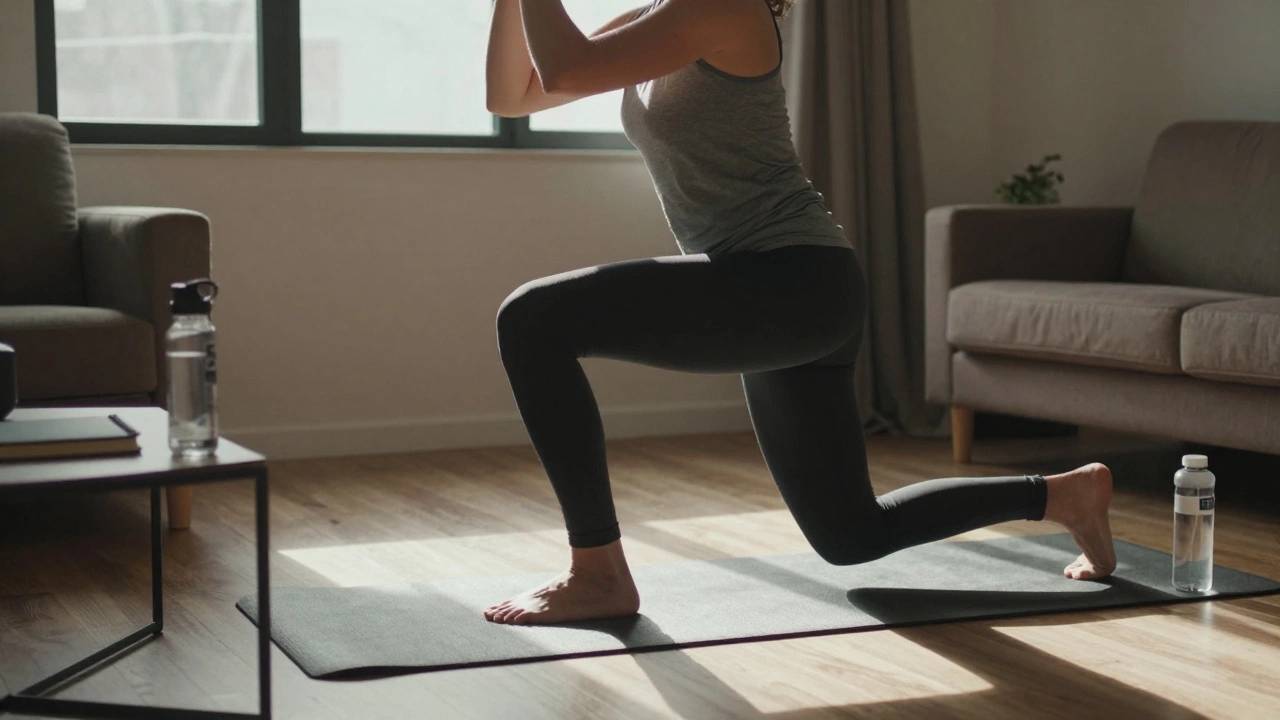
People think stamina is all about cardio. But if your legs are weak, your lungs are working overtime just to keep you moving. Stronger muscles use less oxygen. That means you tire slower.Do two 20-minute strength sessions a week. Focus on bodyweight moves: squats, lunges, step-ups, push-ups, planks. You don’t need weights. Just control the movement. Lower slowly. Stand tall. Breathe out on effort.
A 2023 study in the Journal of Strength and Conditioning Research found that participants who added twice-weekly strength training to their cardio routine improved their running endurance by 18% in 10 weeks-without changing their running schedule. Your legs are your engine. Make sure they’re tuned up.
Recovery isn’t optional
You don’t build stamina while you’re working out. You build it while you rest. Sleep, hydration, and active recovery are the silent engines of endurance.Get seven hours of sleep. Not six. Seven. Your body repairs muscle, balances hormones, and resets your nervous system while you sleep. Skip it, and your stamina stalls.
Drink water. Not just when you’re thirsty. Aim for 2-3 liters a day. Dehydration drops your blood volume, which makes your heart work harder. That’s like trying to run a car with low oil.
On rest days, walk. Stretch. Foam roll. Don’t sit still. Movement keeps blood flowing and muscles loose. A 15-minute walk after dinner? That’s recovery. That’s stamina-building.
Fuel smart, not hard
You can’t out-train a bad diet. Stamina needs steady fuel. Carbs aren’t the enemy-they’re your main energy source. Eat whole grains, fruits, vegetables, legumes. Don’t cut them out.Before a long walk or workout, eat something light with carbs and a bit of protein: a banana with peanut butter, oatmeal with berries, or toast with eggs. Avoid heavy, greasy meals. They slow you down.
Afterward, eat within 45 minutes. A protein shake, yogurt with fruit, or a chicken wrap helps your muscles recover. Skipping this? You’ll feel tired the next day. And the day after that.

Track progress, not perfection
You don’t need fancy gadgets. Just write it down. What did you do? How long? How did you feel? Did you feel stronger? Less out of breath?After four weeks, look back. You’ll see it: you’re walking farther. Breathing easier. Climbing stairs without pausing. That’s stamina. It doesn’t come with a fanfare. It comes with consistency.
Don’t compare yourself to someone who’s been training for years. Compare yourself to who you were last week. That’s the only race that matters.
When you hit a wall
There will be days you feel stuck. Maybe your legs are heavy. Maybe you’re tired. Maybe you just don’t feel like it. That’s normal. Everyone hits this.Here’s what to do:
- Take an extra rest day-no guilt.
- Change your activity: swap walking for cycling, swimming, or dancing.
- Focus on form, not distance. Slow down. Breathe deeper.
- Remember why you started. Not to look good. To feel strong. To climb without stopping.
Stamina isn’t about being the fastest. It’s about being the most consistent.
What stamina looks like after 3 months
If you stick with this for 12 weeks, here’s what you’ll notice:- You can walk 45-60 minutes without stopping.
- You climb stairs without gasping.
- You carry groceries without needing a break.
- You feel less tired during the day.
- You sleep better.
That’s not magic. That’s biology. Your heart got stronger. Your lungs got more efficient. Your muscles learned to use oxygen better. You didn’t need a personal trainer. You just needed to keep showing up.
How long does it take to build stamina?
You’ll notice small improvements in 2-3 weeks-like walking longer without stopping. Real, noticeable stamina gains-like climbing stairs easily or walking 45 minutes without fatigue-usually show up after 8-12 weeks of consistent effort. It’s not about speed. It’s about showing up regularly.
Can I build stamina without running?
Absolutely. Running isn’t the only way. Walking, cycling, swimming, dancing, stair climbing, even vigorous gardening all build stamina. Pick something you enjoy. If you hate running, don’t force it. Find your movement. Stamina grows wherever you move consistently.
Does drinking more water help with stamina?
Yes. Even mild dehydration-losing just 2% of your body weight in water-can reduce endurance by up to 20%. Your blood thickens, your heart works harder, and you feel tired faster. Drink water all day, not just during workouts. Aim for 2-3 liters daily, more if you’re sweating a lot.
Should I do cardio every day to build stamina?
No. Your body needs recovery. Aim for 3-5 days a week of moderate activity. On off days, walk lightly or stretch. Overtraining leads to burnout, not better stamina. Rest is part of the training.
Can diet really affect stamina?
Yes. Your body runs on fuel. If you’re eating mostly processed foods, sugar, or skipping meals, your energy drops fast. Focus on whole carbs (oats, sweet potatoes, fruit), lean protein, and healthy fats. Eat a small snack with carbs and protein 30-60 minutes before activity. Recover with protein after. It makes a difference.
I’m out of breath after walking 10 minutes. Is that normal?
It’s common if you’re just starting. That doesn’t mean you’re unfit-it means you’re human. Slow down. Walk at a pace where you can talk. Take breaks if you need to. Over time, your body adapts. In 4-6 weeks, 10 minutes will feel easy. Then you’ll add more.
Building stamina isn’t about becoming an athlete. It’s about becoming someone who can move through life without being worn out by it. One walk. One day. One step at a time.