7-Day Belly Fat Reduction Planner
Your 7-Day Workout Schedule
Daily Nutrition Checklist
Water Intake Tracker
Goal: 3 Liters (approx. 12 glasses)
Bloating Alert System
Check off triggers you've avoided today:
Today's Progress
Workout: Not started
Nutrition: 0/5 items
Hydration: 0%
Let’s get one thing straight right away: you cannot spot-reduce fat from your stomach. If a program promises you will lose five pounds of belly fat in a week just by doing crunches, it is lying to you. Fat loss happens across the entire body, governed by genetics and hormones, not by which muscle group you torture on the mat. However, you can absolutely make significant progress toward a flatter tummy in seven days by combining strategic gym workouts with precise dietary adjustments. This approach targets overall fat reduction while toning the underlying muscles, giving you the leanest possible look in the shortest time frame.
The goal here is not magic; it is biology. To see a visible change in your midsection within a week, you need to create a caloric deficit while simultaneously reducing water retention and bloating. This means your strategy must attack the problem from two angles: burning calories through high-intensity movement and fueling your body with foods that prevent inflammation and fluid buildup. Let’s break down exactly how to structure your week for maximum impact.
The Truth About Spot Reduction
Before you step into the gym, you need to understand why crunches alone won’t fix your tummy. Spot reduction is the myth that exercising a specific body part will burn fat from that same area. Scientific studies consistently show that when you exercise, your body pulls energy from fat stores all over your system. Your genetics determine where you lose fat first-for many people, the abdomen is actually the last place to go. This is frustrating, but knowing this fact saves you from wasting hours on ineffective isolation exercises.
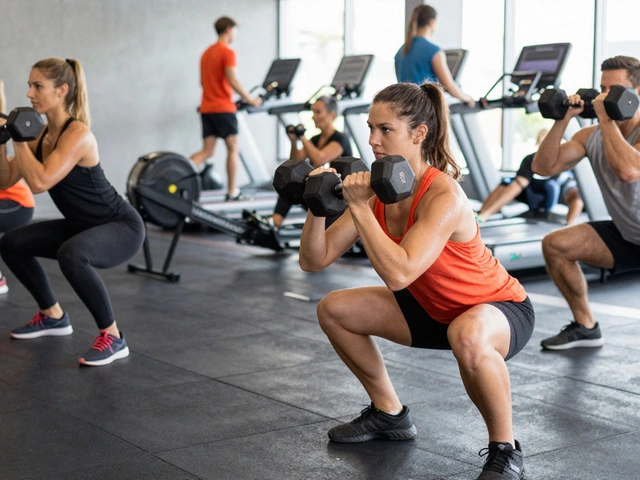
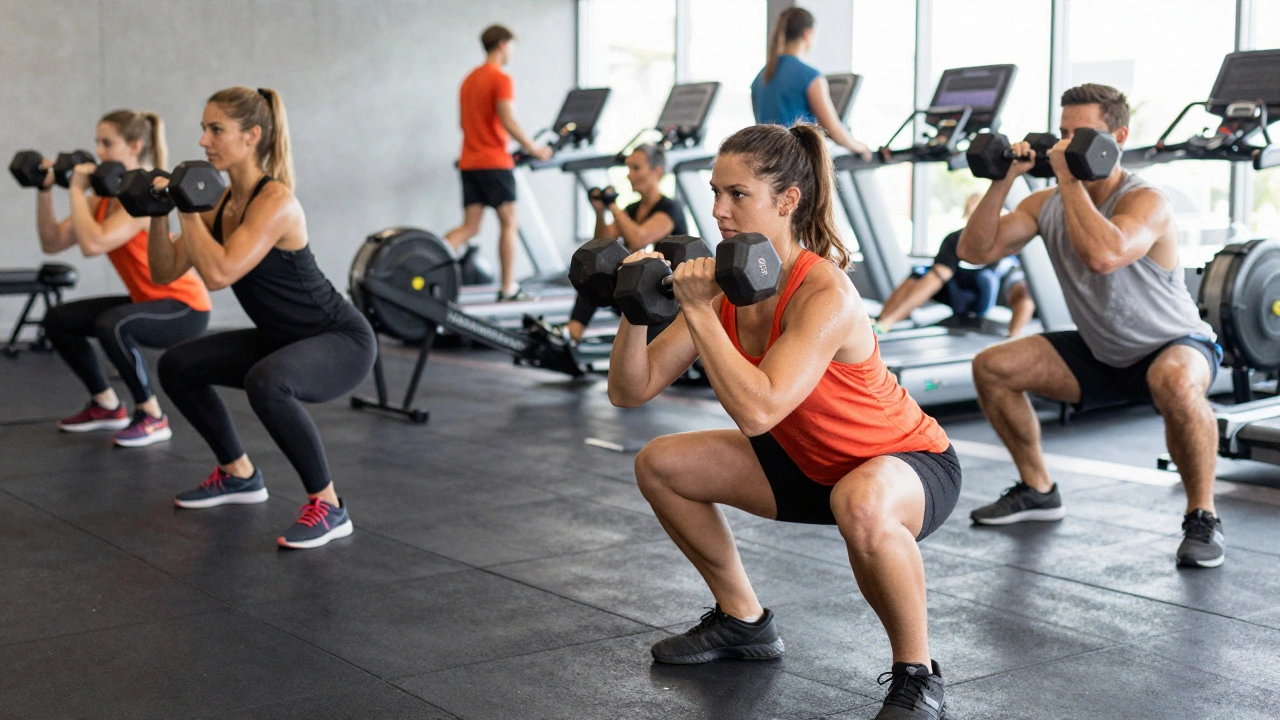
Instead of focusing solely on abdominal muscles, you should prioritize compound movements. These are exercises that engage multiple large muscle groups at once, such as squats, deadlifts, and overhead presses. Because they recruit more muscle fibers, they demand more energy from your body, leading to a higher metabolic rate both during and after the workout. By building strength in your legs, back, and shoulders, you increase your resting metabolic rate, meaning you burn more calories even while sleeping. This systemic approach is far more effective for reducing overall body fat than any number of sit-ups.
High-Intensity Interval Training (HIIT) for Fat Burn
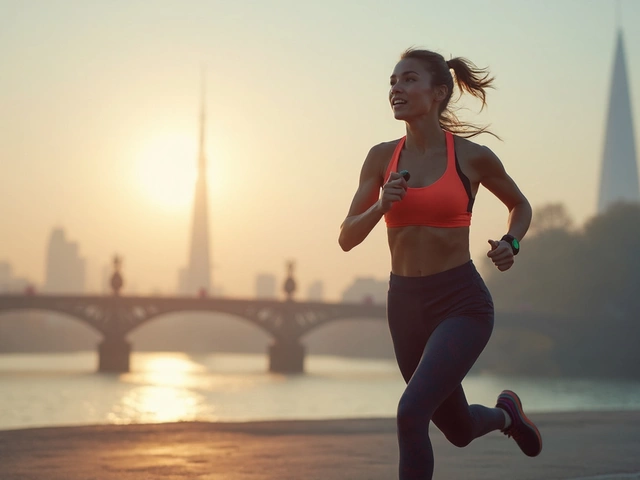
If you want results in seven days, steady-state cardio like jogging on a treadmill for an hour is too slow. You need High-Intensity Interval Training, or HIIT. HIIT involves short bursts of intense exercise followed by brief recovery periods. This method triggers the "afterburn effect," scientifically known as Excess Post-exercise Oxygen Consumption (EPOC). Your body continues to burn calories at an elevated rate for hours after you finish working out as it works to restore oxygen levels and repair muscle tissue.
Here is a simple HIIT routine you can perform in the gym three times this week:
- Warm-up: Five minutes of brisk walking or light cycling.
- Interval 1: 30 seconds of sprinting on the treadmill or rowing machine at maximum effort.
- Recovery: 60 seconds of slow walking or stationary pedaling.
- Repeat: Complete this cycle 8 to 10 times.
- Cool-down: Five minutes of stretching.
This session takes less than 25 minutes but burns significantly more fat than an hour of moderate cardio. The key is intensity. You should feel breathless and unable to hold a conversation during the work intervals. If you can chat easily, you are not pushing hard enough. Combine this with full-body strength training on alternate days to maximize muscle engagement and calorie expenditure.
Core Strengthening for Definition
While HIIT burns the fat covering your abs, you still need to strengthen the muscles underneath to create definition. A flat tummy looks best when the rectus abdominis and transverse abdominis are tight and toned. Focus on exercises that target the entire core, including the obliques (side abs) and the lower back. Avoid heavy weighted crunches, which can thicken the waistline. Instead, opt for bodyweight movements that emphasize control and stability.
Incorporate these four exercises into your routine twice a week:
- Planks: Hold a forearm plank for 45 to 60 seconds. Keep your hips level and squeeze your glutes. This strengthens the deep core muscles that act like a natural corset.
- Bicycle Crunches: Perform 20 reps per side. Twist your torso fully to bring your elbow toward the opposite knee. This targets the obliques effectively.
- Leg Raises: Lie on your back and lift your legs to 90 degrees, then lower them slowly without touching the floor. This isolates the lower abs, a common trouble spot.
- Russian Twists: Sit on the floor with knees bent, lean back slightly, and rotate your torso side to side. Add a light dumbbell or medicine ball for resistance.
Consistency matters more than volume here. Doing these exercises with perfect form ensures you are engaging the correct muscles rather than straining your neck or lower back. Remember, these exercises build the muscle; the diet creates the visibility.
Dietary Adjustments for Rapid Results
You cannot out-train a bad diet. In fact, nutrition accounts for roughly 80% of your weight loss success. To reduce your tummy in seven days, you must eliminate foods that cause bloating and water retention. Salt is the biggest culprit. Sodium holds onto water, making your stomach look puffy and distended. Cut out processed foods, canned soups, and salty snacks immediately. Cook your meals at home using fresh herbs and spices for flavor instead of salt.
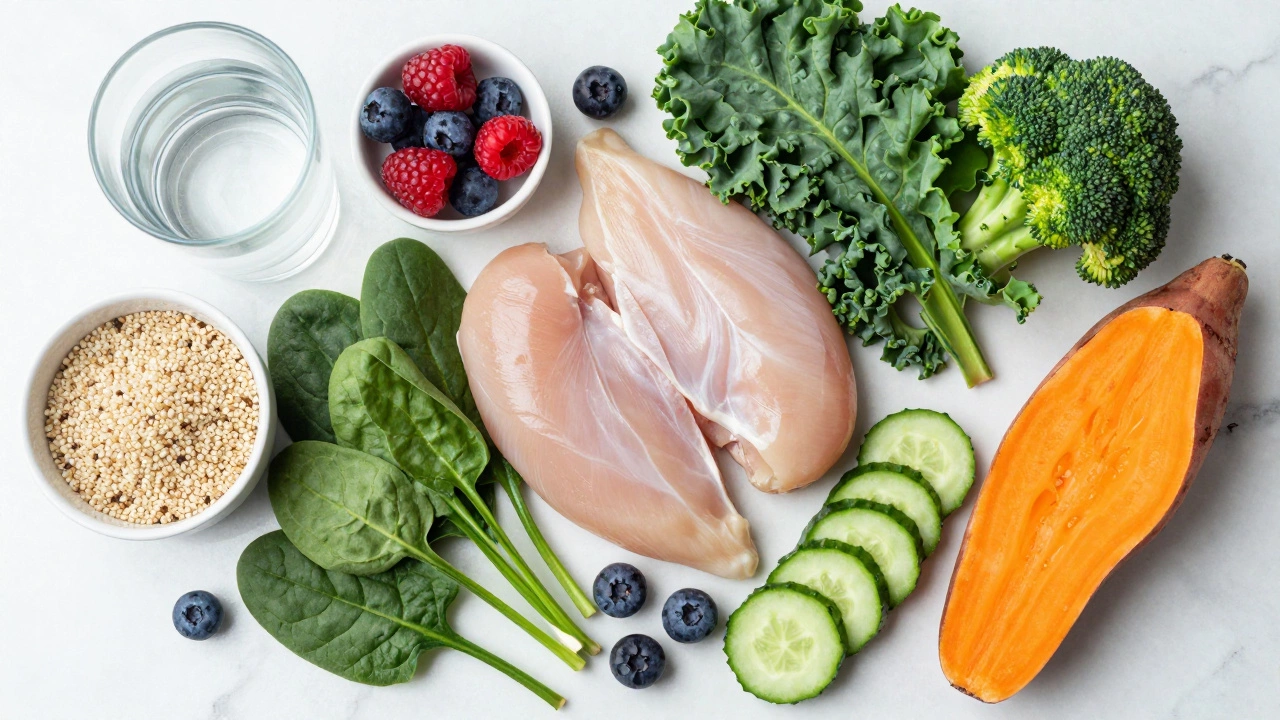
Carbohydrates also play a role in short-term weight fluctuation. Each gram of stored glycogen (carbohydrate energy) in your muscles holds about three grams of water. By reducing your carb intake slightly for a week-focusing on non-starchy vegetables like spinach, broccoli, and zucchini-you deplete glycogen stores and shed several pounds of water weight. This does not mean going zero-carb, but rather choosing complex carbs like quinoa or sweet potato in small portions, ideally consumed around your workout window.
Protein is your best friend during this period. It keeps you full, preserves muscle mass while you lose fat, and has a high thermic effect, meaning your body burns more calories digesting protein than it does fats or carbs. Aim for lean sources like chicken breast, white fish, tofu, or egg whites at every meal. Hydration is equally critical. Drinking plenty of water helps flush out excess sodium and reduces cravings. Aim for at least three liters of water daily.
| Category | Eat More | Avoid |
|---|---|---|
| Proteins | Chicken breast, white fish, egg whites, Greek yogurt | Fried meats, bacon, processed deli meats |
| Vegetables | Spinach, kale, cucumber, celery, asparagus | Corn, peas, potatoes (high starch) |
| Fruits | Berries, grapefruit, watermelon | Bananas, mangoes, dried fruits (high sugar) |
| Grains | Quinoa, oats (small portions) | White bread, pasta, pastries |
| Beverages | Water, black coffee, green tea | Soda, juice, alcohol |
Lifestyle Factors That Impact Your Midsection
Your workout and diet are only half the equation. Stress and sleep profoundly affect your belly fat. When you are stressed, your body produces cortisol, a hormone that specifically encourages fat storage in the abdominal area. High cortisol levels also increase appetite and cravings for sugary, fatty foods. To keep cortisol low, prioritize seven to eight hours of quality sleep each night. Poor sleep disrupts hunger hormones, increasing ghrelin (which makes you hungry) and decreasing leptin (which tells you you’re full).
Mindful eating is another powerful tool. Slow down when you eat. Chew your food thoroughly and put your fork down between bites. It takes about 20 minutes for your brain to register fullness. Eating quickly often leads to overconsumption before you realize you are satisfied. Additionally, avoid carbonated beverages and chewing gum, both of which introduce air into your digestive system and cause temporary bloating that makes your stomach appear larger.

A Realistic 7-Day Plan
Here is how you can structure your week to see the best possible results:
- Day 1: Full-body strength training + HIIT session. Start the low-sodium diet.
- Day 2: Active recovery (walking, yoga) + Core circuit.
- Day 3: Upper body strength + 20-minute HIIT.
- Day 4: Lower body strength + Core circuit.
- Day 5: Full-body HIIT workout.
- Day 6: Light cardio (swimming or cycling) + Stretching.
- Day 7: Rest day + Meal prep for the following week.
Stick to this plan strictly for seven days. Weigh yourself only once at the beginning and once at the end, preferably in the morning after using the bathroom but before eating. Do not obsess over daily fluctuations. Instead, pay attention to how your clothes fit and how your stomach feels. You should notice reduced bloating and a firmer midsection by day four. By day seven, you will likely see a visible difference, provided you maintained the caloric deficit and avoided inflammatory foods.
Sustaining Long-Term Success
Seven days is a jumpstart, not a solution. Once the week is over, do not revert to old habits. Gradually reintroduce carbohydrates and slightly increase portion sizes while maintaining the strength and cardio routine. The goal is to build sustainable habits that keep your metabolism high and your body composition lean. Consistency over months yields permanent results, whereas crash diets lead to rebound weight gain. Use this week as proof that you can control your physique through disciplined action, then carry that momentum forward.
Can I lose 5 kg of belly fat in 7 days?
No, losing 5 kg of pure fat in one week is physiologically impossible and unsafe. One kilogram of fat equals approximately 7,700 calories. To lose 5 kg, you would need a deficit of 38,500 calories in seven days, or 5,500 calories per day, which is dangerous. Any rapid weight loss in this timeframe is primarily water weight and glycogen depletion, not actual fat loss.
Do ab machines work for reducing tummy fat?
Ab machines strengthen the abdominal muscles but do not burn the fat covering them. Since spot reduction is a myth, using an ab machine will not shrink your waistline unless you are also in a caloric deficit. Compound lifts and HIIT are far more effective for overall fat loss.
Why does my stomach look bigger after working out?
Post-workout bloating can occur due to increased blood flow to the muscles, temporary inflammation, or consuming protein shakes with artificial sweeteners. It usually subsides within 24 hours. Ensure you are drinking enough water and avoiding excessive sodium before training.
Is fasting effective for quick belly fat loss?
Intermittent fasting can help create a caloric deficit by limiting the window in which you eat. However, it is not a magic bullet. If you overeat during your feeding window, you will not lose fat. It is most effective when combined with nutrient-dense whole foods and regular exercise.
How much water should I drink to reduce bloating?
Aim for 2.5 to 3 liters of water daily. Proper hydration helps your kidneys flush out excess sodium, which reduces water retention. Dehydration causes the body to hoard water, leading to a puffier appearance. Drink consistently throughout the day rather than chugging large amounts at once.