Cycling Route Matchmaker
Step 1: Tell Us About Your Ride
Ready to Explore?
Answer the questions to discover cycling routes tailored to your style and preferences.
You sit on your saddle, the chain hums softly, and the world blurs into a stream of green and grey. But where are you going? That is the question that haunts every cyclist with a spare weekend or a two-week holiday. Finding cycling routes isn't just about picking a line on a map; it is about choosing an experience. Do you want your lungs burning from a steep climb? Do you crave the silence of a desert trail? Or do you just want to chase the sunset along a coastal highway?
The "best" route is entirely subjective. It depends on your fitness level, your bike type, and what kind of scenery makes your heart race. However, some paths have earned their reputation through sheer beauty, engineering marvels, or cultural significance. Here is a breakdown of top-tier cycling experiences across different terrains and continents, helping you decide where to point your wheels next.
The Classics: Iconic Road Cycles
If you ride a drop-bar road bike and love the feeling of speed combined with breathtaking views, these routes are the gold standard. They are often crowded in peak season, but for good reason.
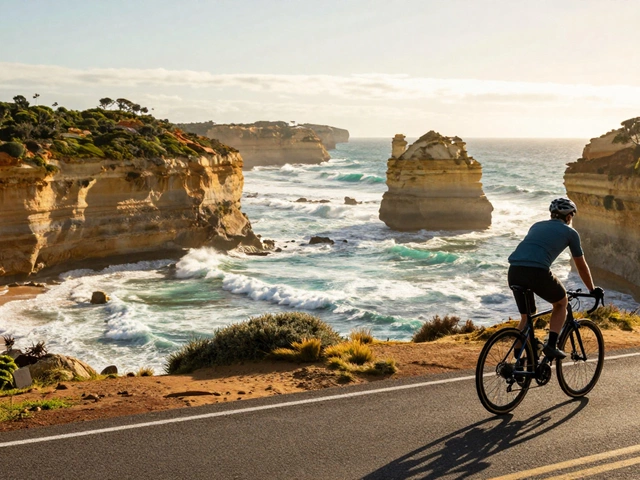
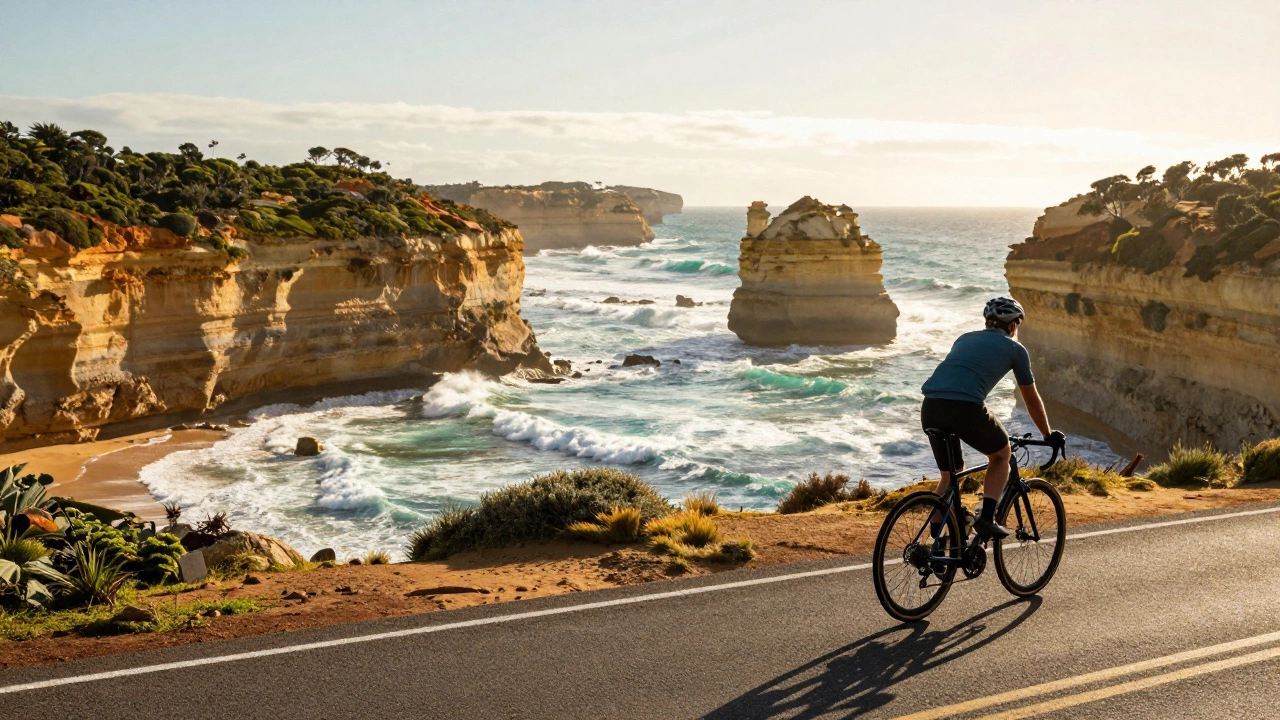
Great Ocean Road, Australia's most famous drive-turned-ride, stretches along the southern coast of Victoria. It offers dramatic cliffs, rainforests, and whale watching opportunities during migration season. Starting in Torquay and ending in Allansford, this route covers roughly 240 kilometers. The terrain is rolling, not brutally steep, making it accessible for intermediate riders. You will pass through Lorne, Apollo Bay, and Otway National Park. The key here is timing. Start early to avoid the bus tours, and plan stops at the Twelve Apostles for lunch. The wind can be fierce coming off the Bass Strait, so pack layers.
Across the ocean, the Riviera di Levante, A stunning coastal path in Italy connecting Genoa to La Spezia, featuring historic villages and Mediterranean views. offers a different flavor. This is less about raw distance and more about immersion. You weave between Portofino, Cinque Terre, and Monterosso. The climbs are short but punchy. The reward is fresh pasta and limoncello at the summit. Renting a bike locally is easier than transporting one, as many ferries don't allow bicycles easily.
| Route Name | Location | Distance | Difficulty | Best For |
|---|---|---|---|---|
| Great Ocean Road | Victoria, Australia | 240 km (one way) | Moderate | Coastal views, day trips |
| Riviera di Levante | Liguria, Italy | 70 km (segment) | Moderate-Hard | Culture, food, scenery |
| Pacific Coast Highway | California, USA | 600+ km (full) | Variable | Long-distance touring |
Mountain Majesty: Alpine Challenges
For those who view gravity as a suggestion rather than a law, mountain passes offer the ultimate test. These routes are defined by elevation gain, technical descents, and thin air.
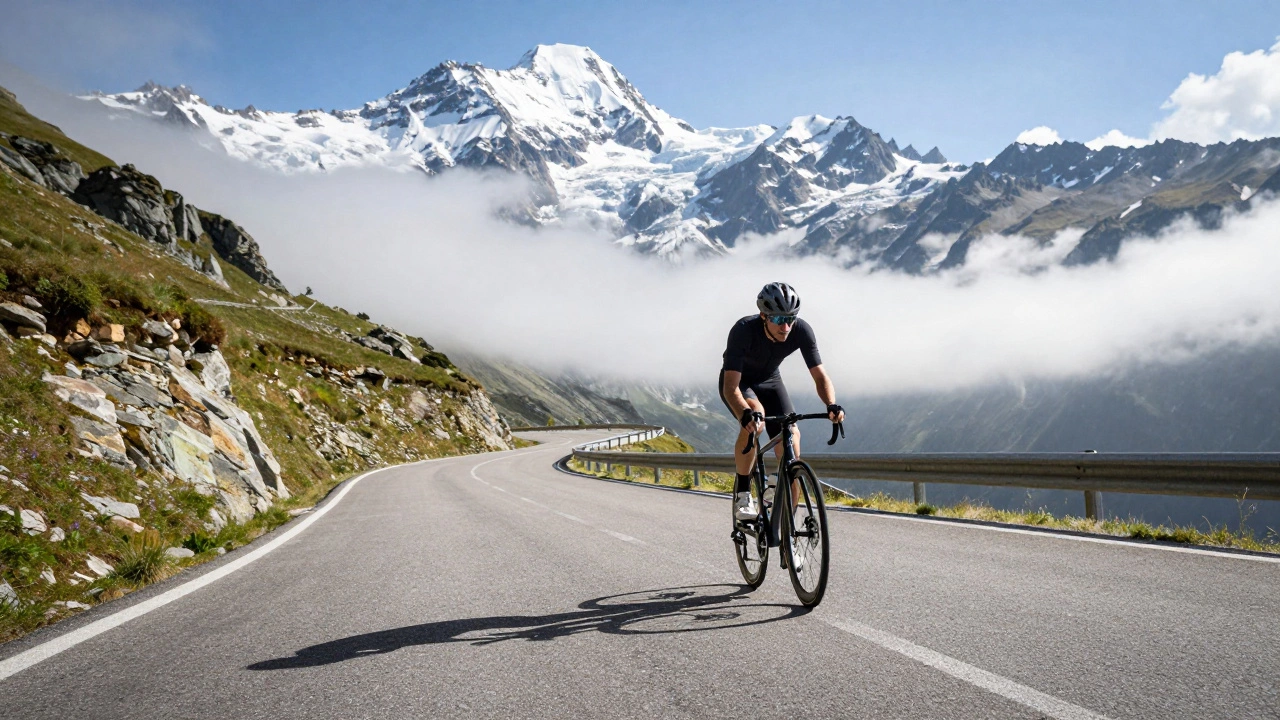
The Alpe d'Huez, A legendary ski resort and cycling climb in the French Alps, famous for its 21 hairpin turns and Tour de France history. is almost a pilgrimage site. Twenty-one switchbacks lead up to 1,860 meters. It is paved, wide, and well-maintained. You will see other cyclists, some suffering, some smiling. The descent is fast and requires confidence. If you are training for a big event, this is the benchmark. In summer, the crowds are thick. In winter, it’s a snow-covered challenge for fat-bike enthusiasts.
In New Zealand, the Queenstown Trail, A multi-day network of trails around Lake Wakatipu, offering diverse terrain from riverside paths to alpine ridges. provides a mix of road and off-road. While not a single continuous climb like Alpe d'Huez, the surrounding mountains offer countless ascents. The Milford Road is another contender, though traffic can be an issue. Stick to smaller roads like the Arrowtown loop for a quieter, equally spectacular ride.
Gravel and Adventure: Off the Beaten Path
Gravel biking has exploded in popularity because it combines the speed of road cycling with the exploration of dirt paths. You don’t need to go far to find great gravel, but some regions specialize in it.
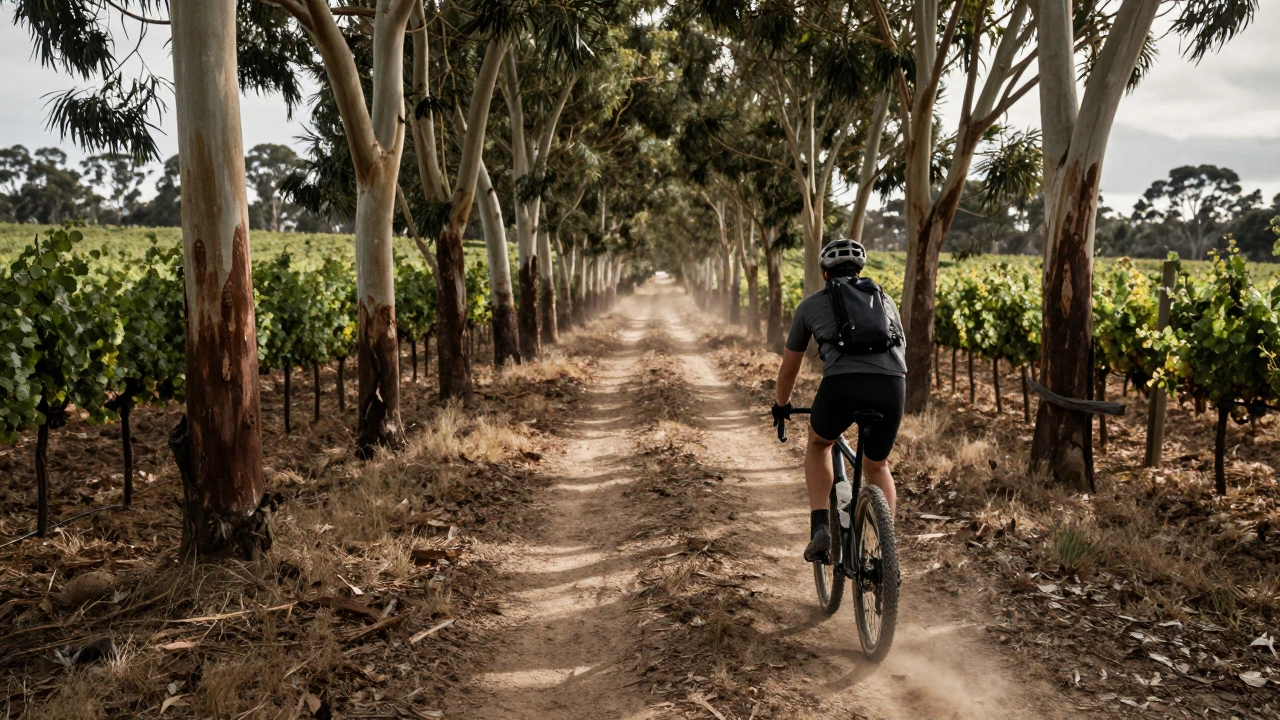
The Adelaide Hills Gravel Network, A connected system of fire trails and country roads near Adelaide, South Australia, perfect for exploring vineyards and forests. is right on my doorstep. With over 500 kilometers of marked trails, you can spend weeks without repeating a route. The terrain varies from smooth crushed rock to rocky roots. You ride through vineyards, eucalyptus forests, and small towns like Hahndorf. It’s social, too-many local clubs organize group rides. Bring a tubeless setup and plenty of spares, as punctures are part of the fun.
In Europe, the Sylt-Romerweg, A long-distance gravel route in Germany crossing the North Sea islands, known for its flat terrain and unique landscape. offers a completely different vibe. Flat, windy, and surreal. You cross sand dunes, salt marshes, and narrow causeways. It’s less about climbing and more about endurance against the wind. The isolation is profound. You might not see another soul for hours.
Urban Exploration: City Cycling Done Right
You don’t need to leave civilization to have an epic ride. Cities are evolving with better infrastructure, making urban cycling safer and more enjoyable.
Copenhagen’s Cycle Highways, Dedicated bike lanes connecting suburbs to the city center, designed for speed and safety with traffic light priority. set the standard. Copenhagen prioritizes bikes over cars. The lanes are wide, separated, and even heated in winter to melt ice. Riding here feels effortless. You can zip from Nørrebro to Vesterbro without stopping much. It’s a lesson in how design changes behavior.
In Melbourne, Australia, the Brunton Avenue Trail, A dedicated cycle and pedestrian path along the Yarra River, connecting the CBD to the western suburbs. offers a safe escape from traffic. It’s flat, shaded, and lined with parks. Perfect for a morning commute or an evening leisure ride. Combine it with the Yarra Bend Park tracks for a longer loop.
Planning Your Ride: Practical Tips
Choosing a route is only half the battle. Execution matters. Here is how to prepare:
- Check the Surface: Is it sealed, gravel, or loose dirt? Match your tires accordingly. A 28mm tire on smooth tarmac is fast; a 45mm tire on rocky trails is stable.
- Elevation Profile: Use apps like Komoot or Strava to check climbs. Don’t underestimate steady gradients. A 5% grade for 10 kilometers is harder than a 10% grade for 1 kilometer.
- Water and Food: Remote routes mean no cafes. Carry at least two liters of water and high-energy snacks. Electrolytes are crucial in hot weather.
- Weather Windows: Mountain weather changes fast. Check forecasts hourly. Rain makes descents dangerous, especially on corners.
- Local Rules: Some trails require permits. Others prohibit bikes. Respect private property and environmental regulations.
Safety First: Essential Gear
No matter how beautiful the route, safety comes first. Invest in these basics:
- Helmet: Non-negotiable. Choose one that fits snugly and meets current safety standards.
- Repair Kit: Spare tube, pump, multi-tool, and tire levers. Know how to use them before you hit the road.
- Visibility: Front and rear lights, even during the day. Reflective clothing helps too.
- Navigation: GPS device or phone mount. Download offline maps in case of poor signal.
- First Aid: Basic bandages, antiseptic wipes, and blister plasters.
Why Route Choice Matters
Your choice of route shapes your riding identity. Road cyclists often seek efficiency and speed. Gravel riders value adventure and flexibility. Mountain bikers look for technical challenges. Urban cyclists prioritize convenience and connectivity. There is no wrong answer. The best route is the one that gets you out the door consistently.
Start small. Explore your local area. Then branch out. Each ride teaches you something new about yourself and your machine. Maybe you discover a hidden valley. Maybe you conquer a hill you thought was impossible. That’s the magic of cycling.
What is the easiest long-distance cycling route for beginners?
The Great Ocean Road in Australia is relatively flat and well-marked, making it suitable for beginners. Alternatively, the Brunton Avenue Trail in Melbourne offers a car-free, flat environment perfect for building confidence.
Do I need special equipment for gravel routes?
While you can ride a road bike on smooth gravel, a dedicated gravel bike with wider tires (35mm+) and disc brakes provides better stability and control. Tubeless tire setups help prevent punctures on rougher surfaces.
How should I prepare for mountain cycling climbs?
Train with interval sessions mimicking the gradient of your target climb. Practice pacing yourself to avoid burning out early. Hydration and nutrition planning are critical, as exertion increases significantly at altitude.
Are there any free apps to find cycling routes?
Yes, apps like Komoot, Strava, and Google Maps offer free route planning features. Komoot is particularly good for discovering local gems and analyzing surface types. Strava provides heatmaps showing popular cycling paths.
Is it safe to cycle alone on remote routes?
It can be risky. Always share your route and expected return time with someone. Carry a fully charged phone and power bank. Consider a personal locator beacon for extremely remote areas. Telltale signs of fatigue or injury can become serious without immediate help.