Sports Equipment Fit Calculator
Select your sport and input key details to find equipment recommendations based on material, size, weight and safety standards.
Recommended Characteristics
Why Materials Matter
Selecting the right materials prevents injuries and improves performance. For example, outdoor soccer balls need UV-resistant coatings while running shoes require moisture-wicking fabrics.
Not all sports equipment is created equal. A basketball made for outdoor courts won’t bounce right on a hardwood floor. A running shoe designed for marathoners will feel clumsy in a soccer match. The difference isn’t just brand or price-it’s the characteristics of the equipment itself. These are the hidden rules that make gear perform, protect, and last. Understanding them helps you choose the right tools for your sport-and avoid injuries, wasted money, or frustration.
Material Matters More Than You Think
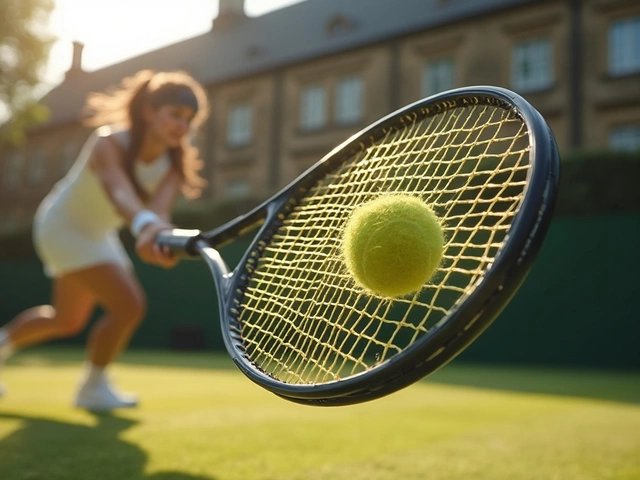
The materials used in sports equipment aren’t chosen for looks. They’re picked for function. A tennis racket frame made from graphite is lightweight and stiff, letting you swing faster and generate more power. A soccer ball with a polyurethane cover grips better in wet weather than one made of PVC. Even the stitching matters-double-stitched seams on a volleyball prevent bursting after hundreds of serves.
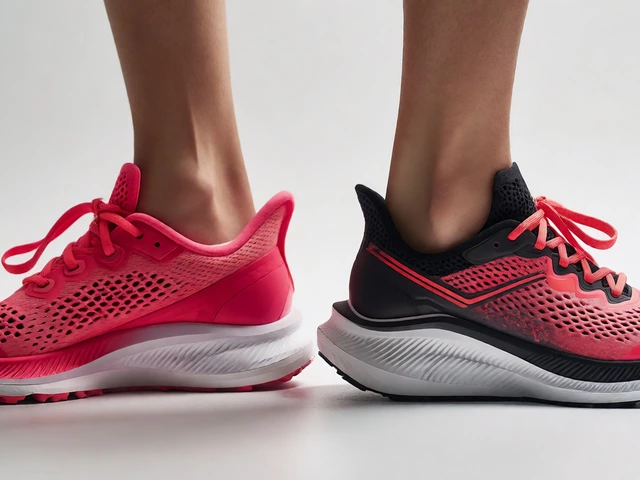
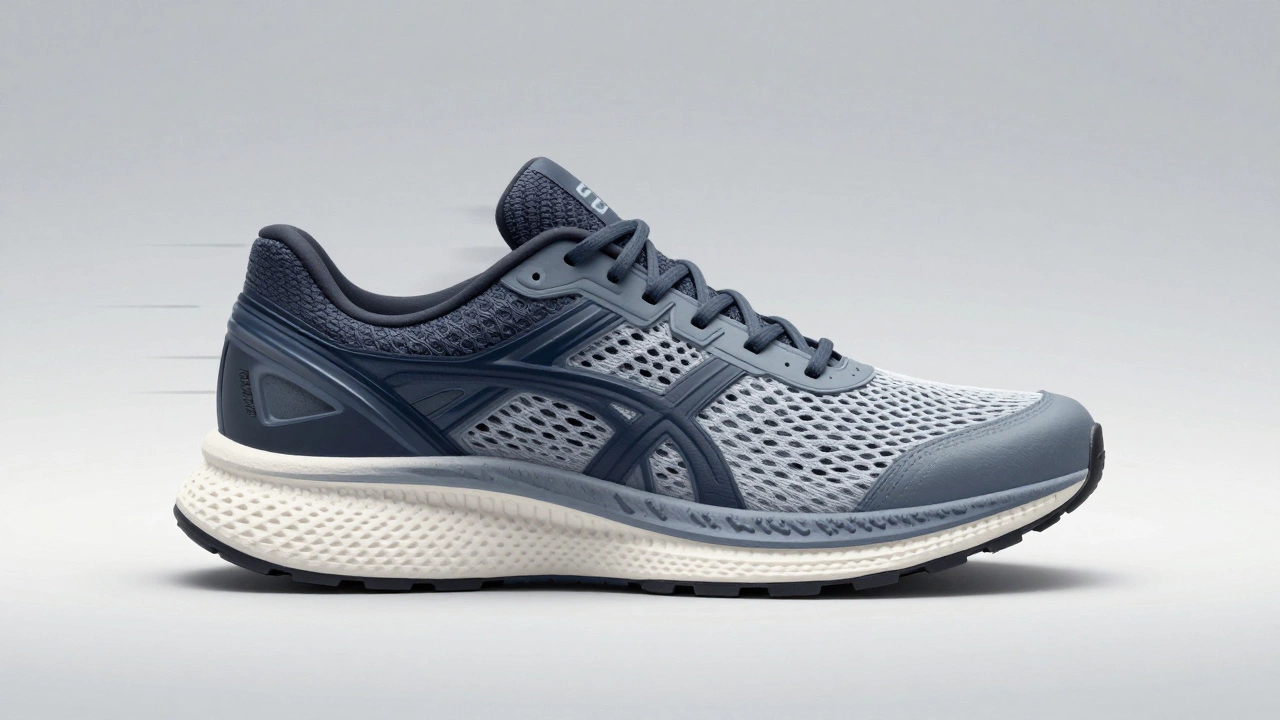
Modern gear often combines materials. Running shoes use EVA foam in the midsole for cushioning, a rubber outsole for traction, and breathable mesh for airflow. That’s not random. Each material has a job: foam absorbs impact, rubber grips the ground, mesh lets sweat escape. Pick gear that matches the demands of your sport. If you play in the rain, look for water-resistant fabrics. If you lift heavy, choose gear with reinforced stitching and durable synthetics like nylon or Cordura.
Weight and Balance Are Silent Performance Factors
Weight isn’t just about how heavy something feels in your hand. It’s about how it moves with your body. A baseball bat that’s too heavy slows your swing, making it harder to hit fast pitches. A golf club with poor balance makes it tough to control the clubface at impact. Even a helmet’s weight distribution affects how steady your head stays during sudden stops or collisions.
Balance matters too. A tennis racket with a head-heavy design gives more power on groundstrokes but sacrifices control on volleys. A badminton shuttlecock? It’s designed to slow down quickly in flight, so players can react. Equipment isn’t just about strength-it’s about timing. The best gear feels like an extension of your body, not something you’re carrying.
Size and Fit Are Non-Negotiable
Too big? You lose control. Too small? You get hurt. Gloves that don’t fit right can cause blisters or reduce grip. Shin guards that slip down during a soccer match leave you exposed. Even a basketball’s size matters-NBA uses a size 7 ball (29.5 inches), while women’s professional leagues use size 6 (28.5 inches). Kids’ gear follows age-based sizing standards for safety and development.
Fit isn’t just about measurements. It’s about how the equipment hugs your body. A cycling jersey should be snug to reduce wind drag. A football shoulder pad needs to lock into place without pinching. Custom-molded insoles in running shoes aren’t a luxury-they correct foot alignment. Poor fit doesn’t just hurt performance. It increases injury risk. Always try gear on with the gear you’ll wear during play. A sock, a sleeve, a brace-they all change how equipment fits.
Durability Isn’t Just About Longevity
Durability sounds like a marketing word, but it’s not. It’s physics. Equipment that breaks under stress isn’t just inconvenient-it’s dangerous. A cracked hockey stick can snap mid-swing. A worn-out climbing rope can fail mid-climb. Manufacturers test gear for cycles of use: a basketball might be dropped 10,000 times from 6 feet to check bounce consistency. A tennis string is pulled until it breaks to measure tension retention.
But durability also means resisting environmental damage. Sunlight fades colors and weakens plastics. Sweat corrodes metal parts. Cold makes rubber brittle. That’s why soccer balls for outdoor use have UV-resistant coatings. Why golf clubs use rust-proof alloys. Why swim goggles have silicone seals that don’t dry out. Choose gear built for the conditions you play in. A $20 basketball might last a month on asphalt. A $60 one lasts a year.
Performance Features Are Tailored to the Sport
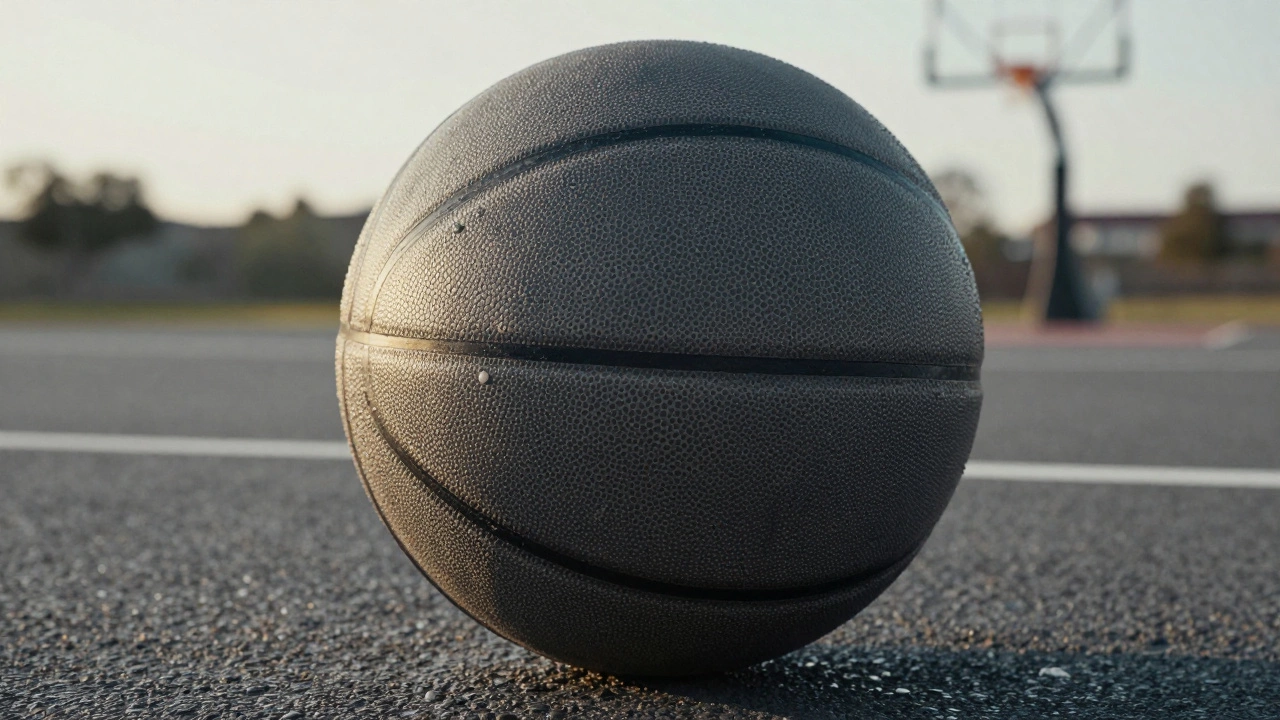
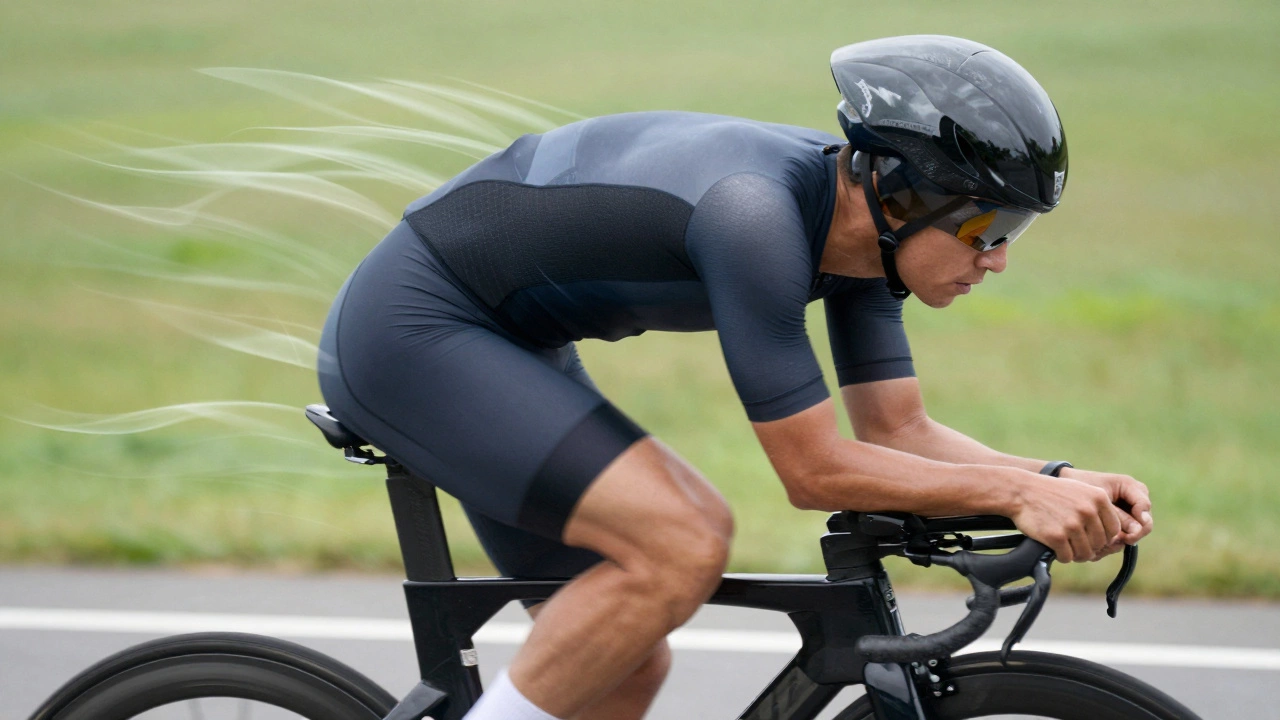
Every sport has unique demands-and equipment responds. In basketball, the grip pattern on the ball is designed for quick finger control during dribbling and shooting. In swimming, a racing suit compresses muscles to reduce drag and vibration. In cycling, aerodynamic helmets have smooth surfaces and minimal vents to cut through air.
Even small details add up. Running shoes have heel counters to stabilize the ankle. Baseball bats have tapered handles for better bat speed. Hockey sticks have a specific curve on the blade to control puck movement. These aren’t accidental. They’re the result of years of athlete feedback, biomechanics research, and testing in labs. Don’t ignore these features. They’re why professionals win.
Safety Is Built In, Not Added On
Safety features aren’t optional extras. They’re core to the design. Helmets in football have multi-layered foam liners that absorb and distribute impact. Mouthguards aren’t just plastic-they’re custom-molded to protect teeth and reduce concussion risk. Knee braces in volleyball have hinges that limit harmful rotation while allowing natural movement.
Standards exist for a reason. ASTM, CE, and NOCSAE certify gear based on impact tests, material strength, and retention systems. A certified helmet has passed tests simulating 20+ impacts at high speeds. A certified mouthguard must stay in place during violent jaw movement. Buying uncertified gear is like driving without seatbelts. It might seem fine until it’s not.
Technology Has Changed the Game
Smart sensors in basketballs track spin rate and release angle. Wearable pressure pads in soccer cleats show how force is distributed across the foot. GPS trackers in rugby jerseys measure sprint distance and acceleration. These aren’t gimmicks. They’re tools that help athletes adjust technique, prevent overuse injuries, and optimize training.
Even traditional gear has evolved. Foam in running shoes now uses energy-returning compounds like Pebax or Zoom Air. Tennis rackets use carbon fiber weaves that reduce vibration. Swimwear uses woven fabrics that repel water more efficiently than old polyester. Technology doesn’t replace skill-but it gives athletes a better chance to reach their potential.
Choosing the Right Gear Starts With Knowing the Rules
Each sport has official rules about equipment. A baseball bat can’t be more than 2.75 inches in diameter. A volleyball can’t weigh more than 280 grams. A golf ball can’t be smaller than 1.68 inches. These aren’t suggestions-they’re enforced limits. Using non-compliant gear in a game can get you disqualified.
Even in casual play, following standards helps. A ball that’s too bouncy or too heavy throws off timing. Shoes without proper arch support can lead to plantar fasciitis. The right gear doesn’t just help you play better-it helps you play longer without pain.
What to Look for When You Buy
- Check the material specs-look for high-density foam, reinforced stitching, or moisture-wicking fabrics.
- Test the weight and balance-swing it, bounce it, hold it. Does it feel natural?
- Try it on with your actual sportswear. Fit changes with socks, sleeves, or pads.
- Look for certification labels (ASTM, CE, NOCSAE) if safety is involved.
- Read reviews from athletes who play the same sport under similar conditions.
- Don’t assume expensive = better. Sometimes a mid-range item with the right characteristics outperforms a premium one.
When Gear Fails, It’s Usually Because of One Thing
People blame brands. But the real issue? Ignoring the characteristics. You bought a cheap soccer ball because it was on sale. It lost air after two weeks. You blamed the brand. But the ball was made of low-grade PVC, not designed for outdoor use. You bought running shoes based on color. They gave you shin splints. But the cushioning was too soft for your stride type.
Good gear doesn’t just look right. It feels right. It moves with you. It protects you. It lasts. That’s not magic. It’s design. And it’s all built on the characteristics that make sports equipment work.
What are the most important characteristics of sports equipment?
The most important characteristics are material, weight, balance, fit, durability, performance-specific design, and safety features. These determine how well the equipment performs, how safe it is, and how long it lasts. For example, a basketball needs grip and bounce consistency, while a helmet needs impact absorption and secure fit.
Why does equipment size matter so much?
Size affects control, comfort, and safety. Gloves that are too large reduce grip and can slip during play. Shoes that are too tight cause blisters and restrict blood flow. A bat or racket that’s too long or heavy slows your reaction time. Proper sizing ensures your body can move naturally without strain or risk of injury.
Is expensive sports equipment always better?
Not always. Expensive gear often has advanced materials or tech, but that doesn’t mean it’s right for you. A $200 running shoe might have more cushioning than you need if you’re a casual jogger. A $50 pair with the right arch support and weight could perform better. Focus on characteristics that match your sport, body, and usage-not the price tag.
How do I know if sports equipment is certified for safety?
Look for certification labels like ASTM (American Society for Testing and Materials), CE (European Conformity), or NOCSAE (National Operating Committee on Standards for Athletic Equipment). These are stamped on helmets, pads, and protective gear. Certified gear has passed standardized impact and durability tests. If it doesn’t have one, assume it’s not designed for serious play.
Can I use the same equipment for different sports?
Sometimes, but rarely well. A football helmet won’t protect you in a hockey game because it doesn’t cover the face the same way. Running shoes lack the lateral support needed for basketball. Even similar sports like tennis and pickleball use different balls and rackets. Equipment is designed for specific forces, speeds, and movements. Using the wrong gear increases injury risk and reduces performance.