Boxing Ring Tactical Simulator
How to use: Move your mouse or tap inside the ring to simulate a fighter's movement. Observe how the ropes act as boundaries and how fighters use the corners for sanctuary and tactical resets.
- Canvas Size 16-24 ft
- Rope Count 4 Ropes
- Padding 1-2 inches
The simulator tracks the fighter's zone. In professional boxing, controlling the center of the ring is key to dominating the fight, while being trapped in the corner puts the athlete at a significant disadvantage.
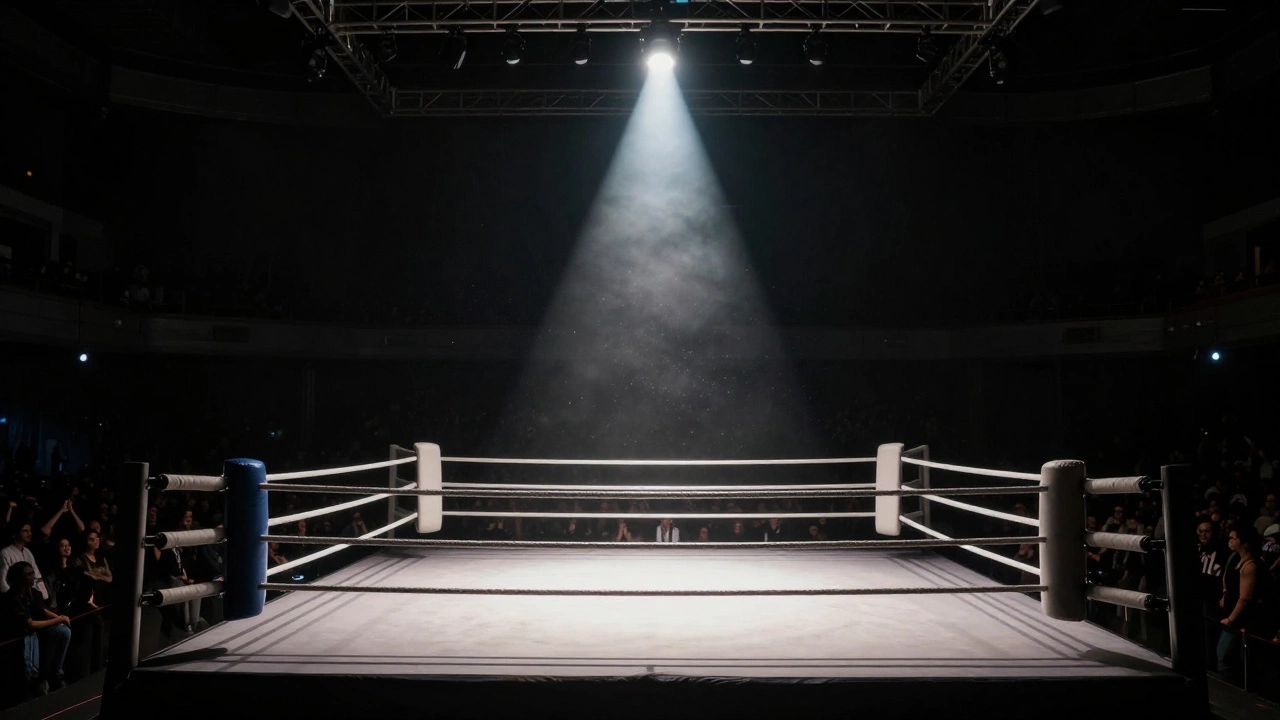
You might have noticed that people don't just say boxing is played on a "field" or a "court." In the world of combat sports, the location isn't just a piece of floor-it's a psychological boundary. If you've ever wondered exactly what the space where two fighters clash is called, the short answer is the boxing ring is the primary stage for the sport. But calling it a "ring" is actually a bit of a trick, because as any fan knows, it's actually a square.
Quick Guide to Boxing Locations
- The Ring: The square canvas area where the fight occurs.
- The Corner: The specific area in the ring where a fighter rests between rounds.
- The Arena: The larger building (like a stadium or convention center) that houses the ring.
- The Gym: Where boxers train using heavy bags and sparring rings.
Why is it called a ring if it's a square?
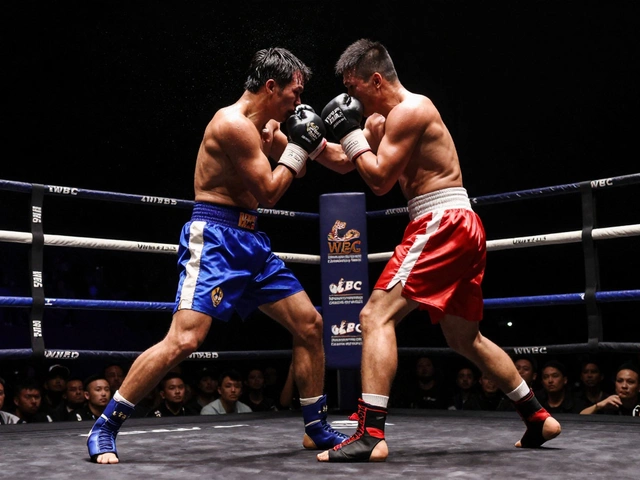
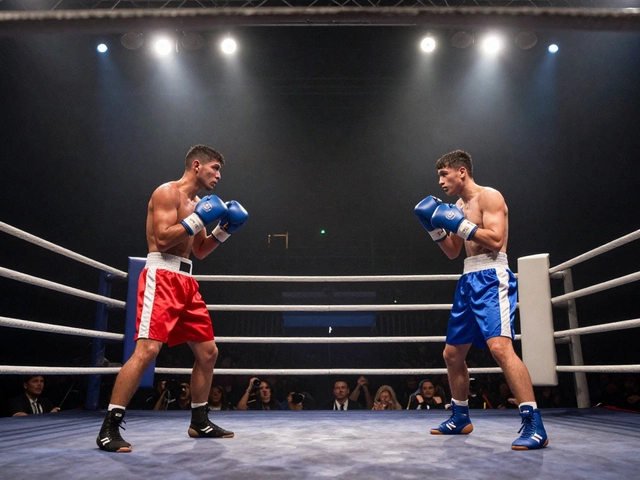
It sounds like a joke, but there's a real history here. Long before the modern era of padded floors and high-tech lighting, boxing happened in actual circles. In the early days of the sport, spectators would literally form a circle-a ring-around two men fighting in a field. There were no ropes or boundaries; the crowd was the boundary. When the sport became more organized and shifted indoors, the circular shape evolved into a square for better structural stability and to make it easier for referees to manage the space. Despite the change in shape, the name stuck. Today, a boxing ring is a raised platform surrounded by ropes, designed to keep fighters inside the combat area.
Breaking down the ring's anatomy
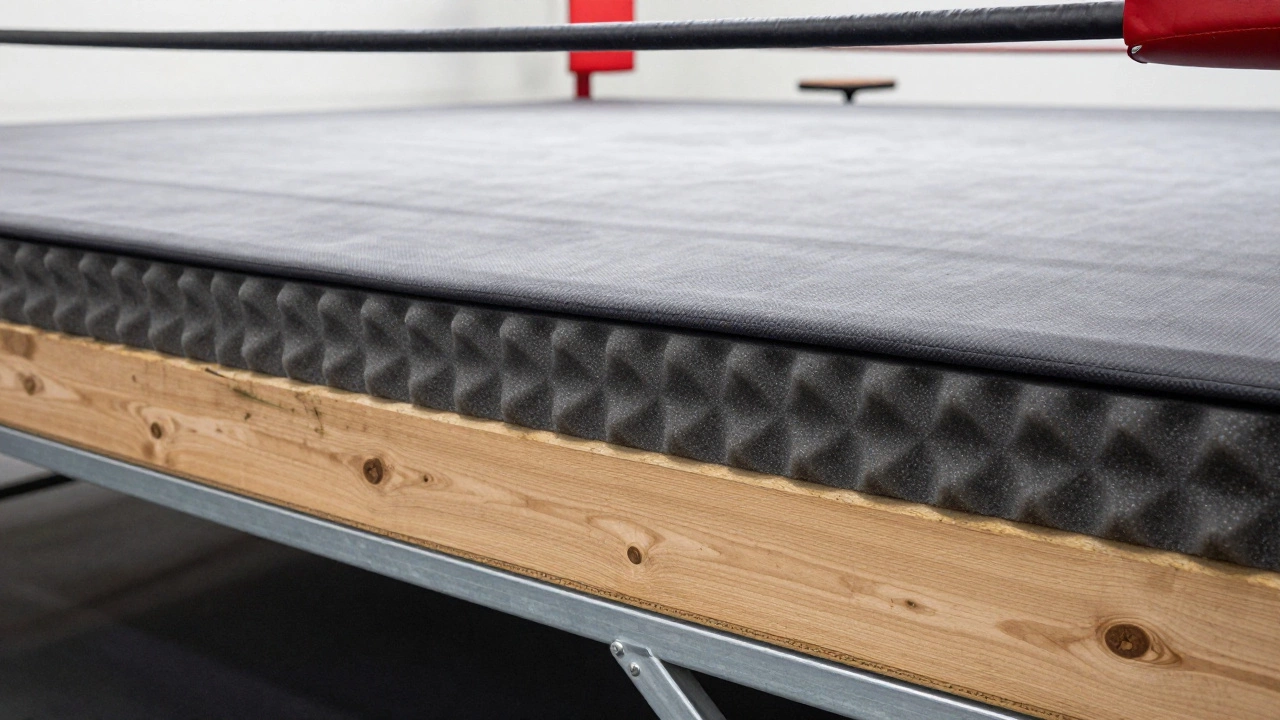
If you look closely at a professional match, the ring isn't just a platform. It's a carefully engineered piece of equipment. At the base, you have a steel frame and wooden planks, which are then covered by a thick layer of foam padding. This padding is vital; without it, a knockdown would be like hitting a concrete floor. On top of that foam is the canvas, which is usually a heavy-duty cotton fabric that provides grip for the boxers' shoes.
Then there are the ropes. A standard professional ring uses four ropes. These aren't just strings; they are thick cables wrapped in soft material to prevent severe cuts. The ropes serve two purposes: they keep the fighters from falling out, and they provide a tactical tool. Skilled boxers use the ropes to "bounce" back into the center of the ring or to trap an opponent in the corner.
| Feature | Standard Value | Purpose |
|---|---|---|
| Ring Size | 16 to 24 feet square | Provides enough space for movement and footwork |
| Rope Count | 4 Ropes | Ensures safety and containment of athletes |
| Canvas Material | Heavy-duty Canvas/Vinyl | Prevents slipping during high-intensity movement |
| Padding Thickness | 1 to 2 inches of foam | Absorbs impact from falls and knockdowns |
The role of the corners
In every ring, there are four corners, but not all of them are equal. Each fighter is assigned a specific corner-usually marked by red and blue colors. This is where the cornermen, including the head trainer, provide water, medical attention, and tactical advice during the one-minute break between rounds.
Have you ever seen a fighter sitting on a tall stool in the corner? That's not just for comfort. The corner is a sanctuary where the coach analyzes the opponent's patterns and tells the fighter how to adjust. If a fighter is knocked down, the referee often uses the distance from the fighter to the corner or the ropes to determine if they are still conscious and able to continue.
Different venues for different levels of boxing
While the "ring" is where the action happens, the place where that ring is located changes depending on the prestige of the fight. Amateur boxing often takes place in high school gyms or community centers. These are smaller, more intimate settings where the atmosphere is loud and the crowd is close to the action.
Then you have the professional circuit. Smaller professional fights might happen in "ballrooms" or small theaters. But the biggest fights in the world, like those seen in the Las Vegas scene, take place in massive arenas. These venues, such as the MGM Grand Garden Arena, are designed to hold thousands of people and feature massive lighting rigs and sound systems to amplify the drama of the walk-out.
Some of the most iconic matches in history didn't even happen in traditional arenas. Think of the "Rumble in the Jungle" in Zaire or the "Thrilla in Manila" in the Philippines. In those cases, the ring was set up in an outdoor stadium, proving that as long as you have a square canvas and four ropes, any place can become a boxing venue.
The training ground: The Boxing Gym
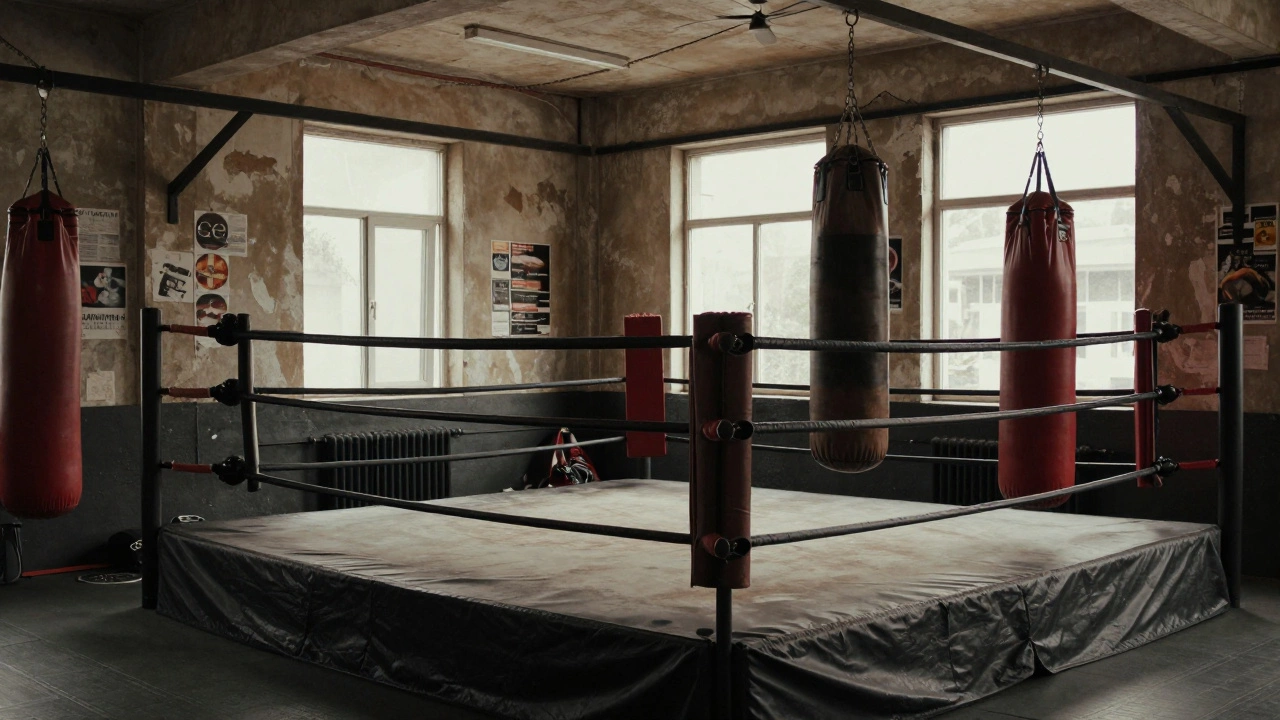
Before a fighter ever steps into a televised arena, they spend years in a boxing gym, which is the operational hub for training. These gyms aren't just rooms with rings; they are filled with specific tools. You'll find the heavy bag for power training, speed bags for rhythm, and double-end bags for timing.
Most gyms have a smaller ring used for sparring. Sparring is where fighters practice their moves against a partner in a controlled environment. Unlike a professional match, sparring rings might not have as much padding, and the focus is on learning rather than winning. This is where the muscle memory is built before the bright lights of a real match take over.
Common mistakes and misconceptions
A common mistake people make is confusing the boxing ring with an MMA cage. While both are places for fighting, they are fundamentally different. An MMA cage (often called an Octagon) is designed to prevent fighters from falling out and allows them to use the fence for wrestling. A boxing ring, by contrast, is designed for striking and movement. If a boxer gets "trapped on the ropes," it's a disadvantage-the ropes are a boundary, not a tool for climbing or leaning in the way a cage wall is.
Another misconception is that the ring size is the same for everyone. In reality, some promoters prefer a larger ring to favor a "out-boxer" who likes to move, while others prefer a smaller ring to create a "phone booth fight," where the athletes are forced to trade punches in close quarters.
Is boxing played on a court?
No, boxing is not played on a court. It takes place in a boxing ring, which is a raised, square platform covered in canvas and surrounded by ropes.
What are the ropes in a boxing ring for?
The ropes serve to keep the fighters inside the combat area and prevent them from falling off the raised platform. They also act as a tactical element that fighters can use to pivot or lean on during a match.
Why is the ring called a ring if it is square?
The term comes from the early days of the sport when crowds of people would literally form a circle (a ring) around the two fighters to watch the match. Although the structure changed to a square for stability, the name remained.
What is the difference between a ring and an arena?
The ring is the specific platform where the two athletes fight. The arena is the entire building or stadium that houses the ring, the seating, and the audience.
How thick is the padding under the canvas?
Professional rings typically use foam padding between 1 and 2 inches thick. This is essential to reduce the impact of falls and prevent serious head injuries during knockdowns.
Next Steps for Boxing Fans
If you're just getting into the sport, the best way to understand the dynamics of the ring is to watch how a fighter uses their "footwork." Pay attention to how they move toward the center of the ring to dominate the space, or how they use the ropes to escape a corner. If you're looking to train, find a local boxing gym and ask about their sparring rules; understanding the environment of the gym is the first step toward understanding the intensity of the pro arena.