Sports Equipment & Facility Readiness Checker
Select your sport, facility, and usage frequency, then click "Assess Readiness" to generate your personalized checklist.
Imagine trying to play a professional tennis match on a patch of dirt with a wooden paddle. Or attempting to sprint a marathon in heavy boots. It sounds ridiculous, right? That’s because sports equipment is the specialized tools, apparel, and accessories designed to enhance performance, ensure safety, and facilitate the rules of a specific sport. But gear is only half the equation. You also need the right place to use it. This brings us to sports facilities, which are purpose-built venues, structures, and grounds designed to host athletic activities, competitions, and training sessions.
Together, these two elements form the backbone of every athletic endeavor, from Sunday league kickabouts to the Olympic Games. Without them, sports as we know them simply wouldn’t exist. So, what exactly counts as equipment? What makes a facility "proper"? And why does getting this stuff right matter so much for your health and performance? Let’s break it down.
The Core Components of Sports Equipment
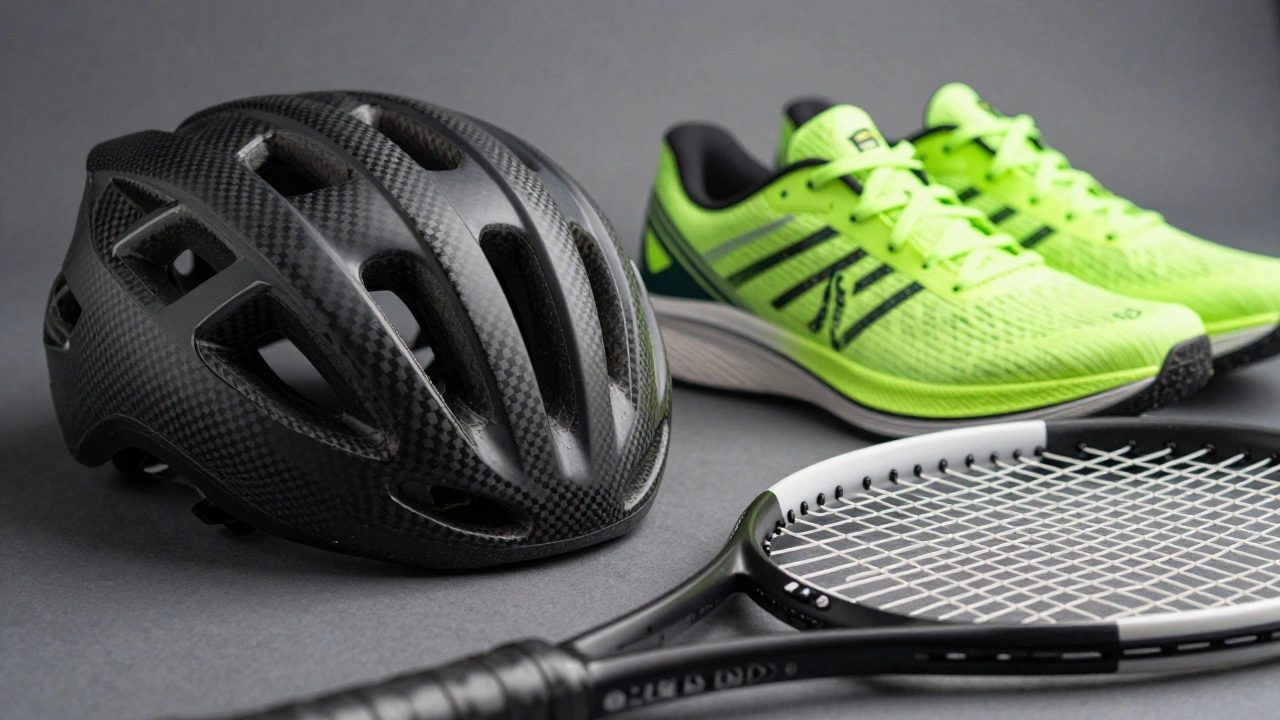
When people hear "sports equipment," they often think of balls or bats. But the definition is much broader. It covers anything you wear, hold, or interact with directly during physical activity. We can split this into three main buckets: protective gear, performance aids, and game-specific implements.
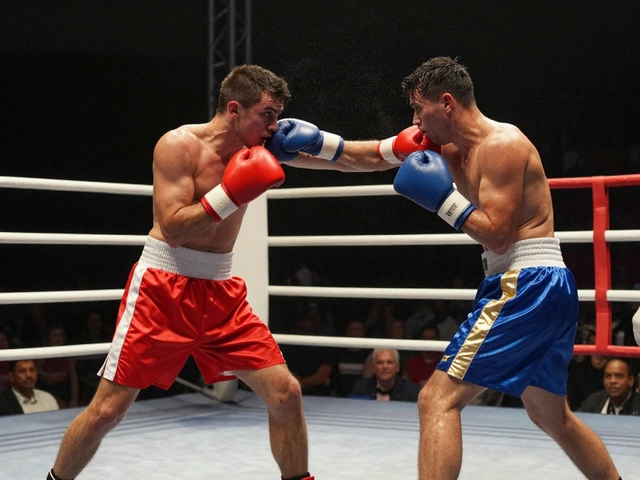
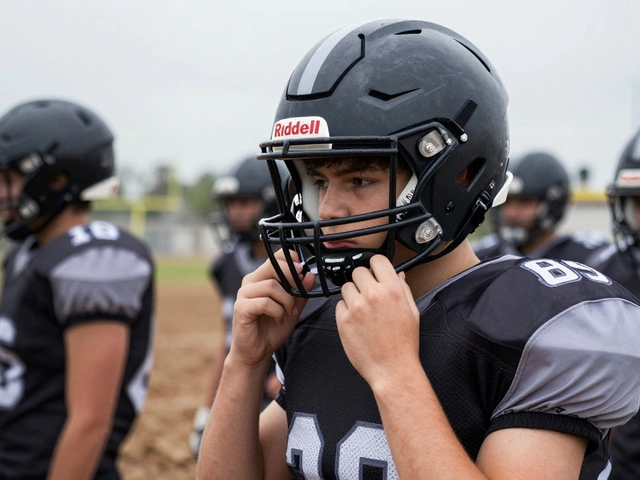
Protective gear is non-negotiable in high-impact sports. Think about a boxer without gloves or a cyclist without a helmet. The primary job here is injury prevention. Modern materials like expanded polypropylene (EPP) in helmets or Kevlar in baseball catcher's masks absorb shock that would otherwise damage bone or tissue. In contact sports like rugby or American football, shoulder pads distribute force across a larger area, reducing the risk of fractures.
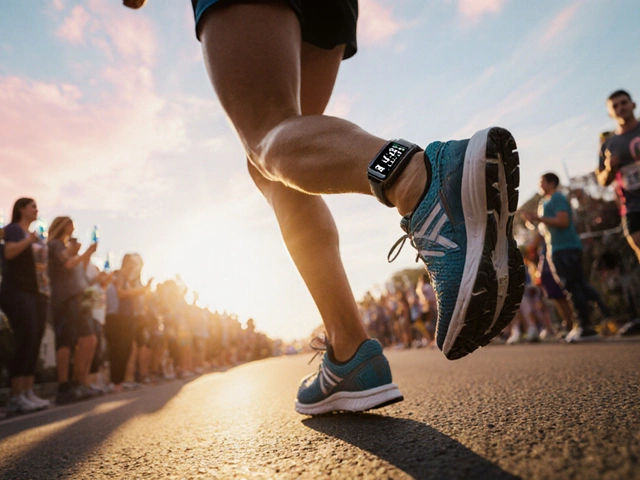
Performance aids help you move better. Running shoes are the classic example. They aren't just footwear; they contain midsoles made of EVA foam or newer compounds like Pebax that return energy with each step. Compression socks improve blood flow, delaying muscle fatigue. Even something as simple as grip tape on a racket handle changes how you control the swing.
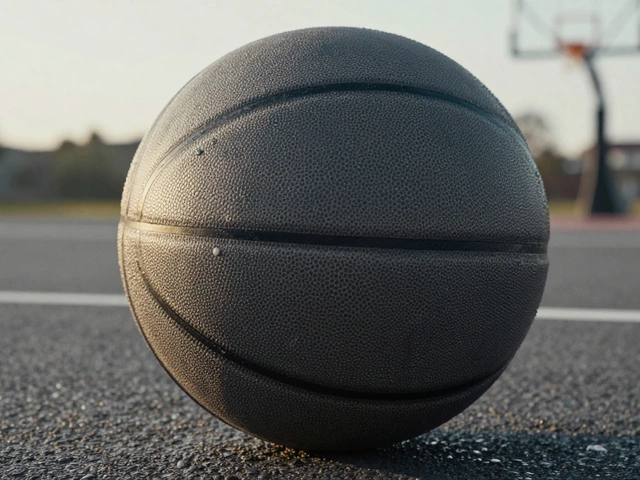
Game-specific implements define the sport itself. A soccer ball has a specific weight and circumference regulated by FIFA. A golf club’s loft angle determines how far the ball flies. If you swap a regulation basketball for a beach ball, the game stops being basketball. These items have strict standards because consistency is key to fair competition.
| Category | Primary Function | Examples |
|---|---|---|
| Protective Gear | Injury Prevention | Helmets, shin guards, mouthguards, padding |
| Performance Aids | Enhance Speed/Endurance | Running spikes, compression wear, swim caps |
| Implements | Define Game Rules | Balls, rackets, clubs, bats, pucks |
| Apparel | Comfort & Mobility | Jerseys, shorts, cleats, moisture-wicking fabrics |
Understanding Sports Facilities: More Than Just a Field
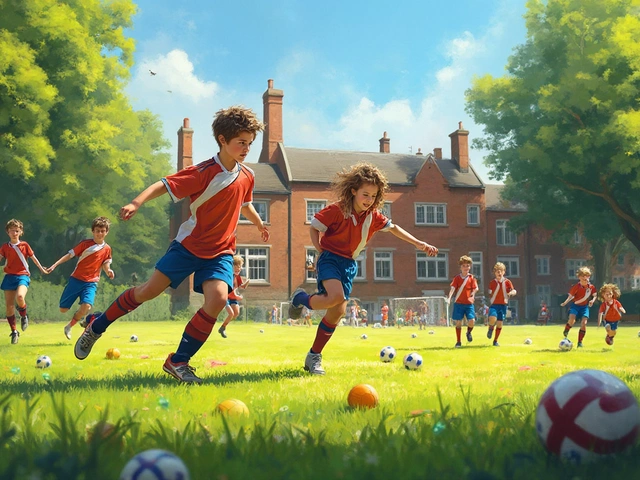
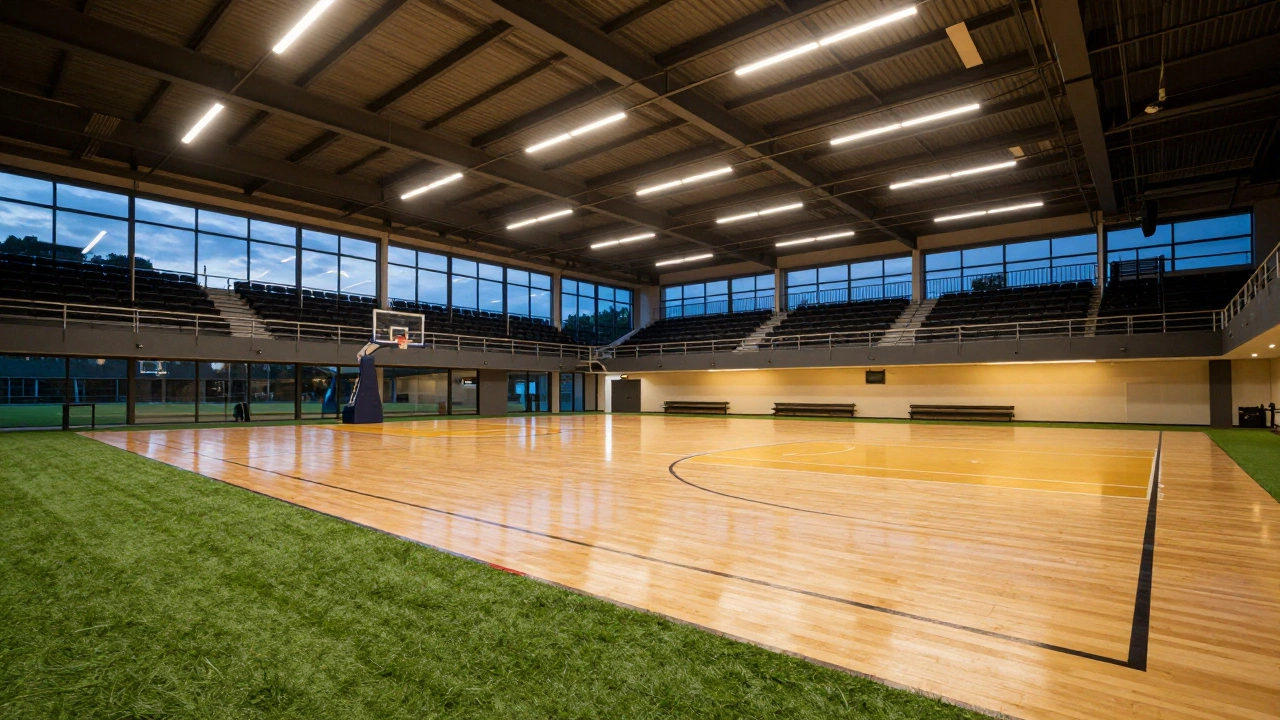
If equipment is the tool, the facility is the workshop. A sports facility is any structure or land designated for athletic use. This ranges from a local public park with a basketball hoop to a multi-million dollar stadium like Wembley or the Melbourne Cricket Ground.
Facilities are generally categorized by their scale and purpose:
- Stadiums and Arenas: Large, enclosed or semi-enclosed structures with tiered seating. They host major events, concerts, and professional leagues. Key features include lighting rigs, scoreboards, and extensive concourses.
- Community Centers and Gyms: Indoor spaces focused on fitness and minor sports. They usually contain weight rooms, cardio zones, and multipurpose courts for basketball or volleyball.
- Outdoor Fields and Courts: Open-air venues like soccer pitches, tennis courts, or running tracks. Surface quality is critical here-natural grass vs. artificial turf changes the game dynamics significantly.
- Specialized Venues: Places built for one specific sport, such as swimming pools, bowling alleys, or ski slopes. These require unique infrastructure, like water filtration systems or snow-making machines.
A good facility isn't just about the playing surface. It includes support areas: locker rooms, medical bays, coaching offices, and spectator amenities. For example, a professional soccer stadium needs a heated pitch to prevent frost damage in winter, while an indoor rock-climbing gym needs ventilation to manage humidity and chalk dust.
The Critical Link: How Equipment and Facilities Work Together
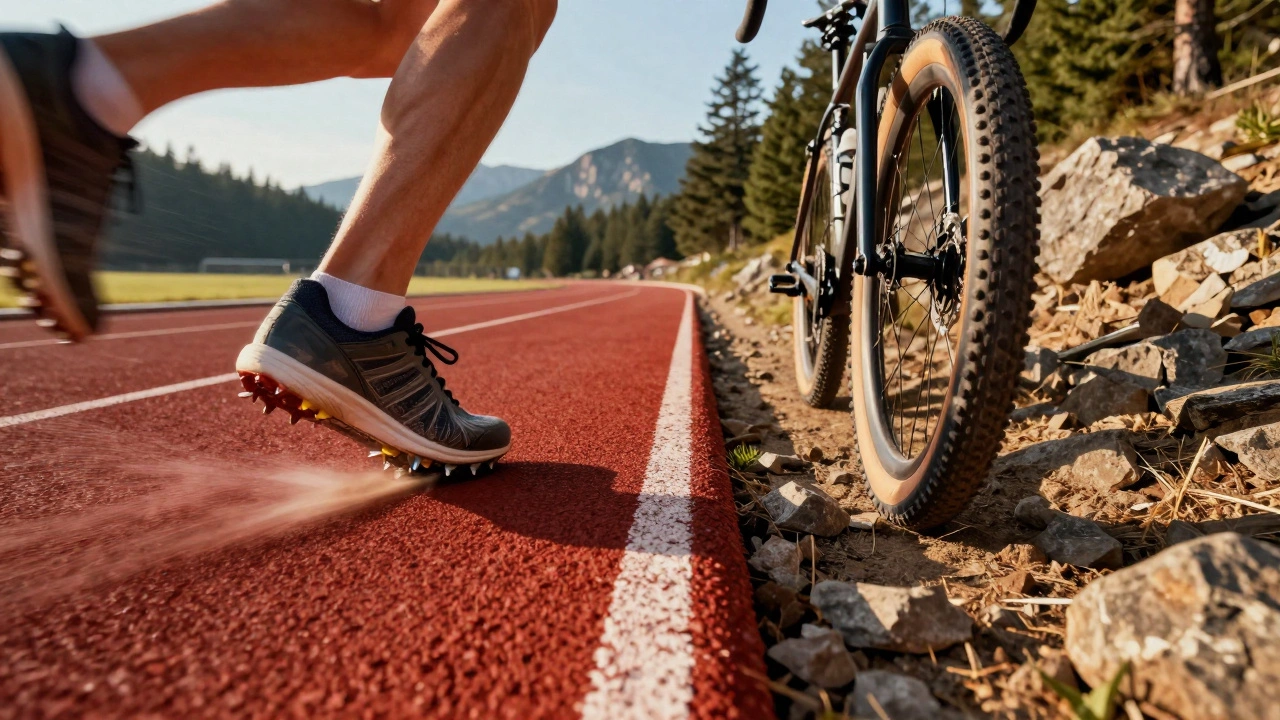
You can’t talk about one without the other. The interaction between gear and ground dictates safety and performance. Consider cycling. A road bike is designed with thin tires for low rolling resistance on smooth asphalt. If you take that same bike onto a rocky mountain trail, you’ll likely get a puncture or lose control. You need a mountain bike with knobby tires and suspension-a different piece of equipment suited for a different type of terrain (facility).
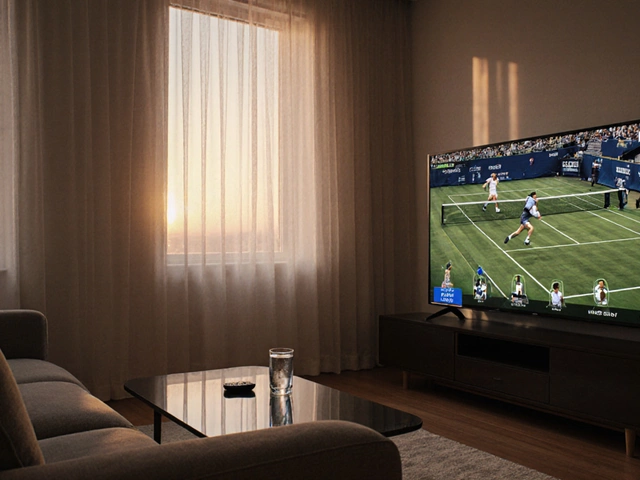
In tennis, the court surface (clay, grass, or hard court) interacts with the ball and racket strings. Clay slows the ball down and creates a high bounce, favoring baseline players who use topspin-heavy equipment. Grass is fast and low-bouncing, rewarding serve-and-volley tactics. Players adjust their shoe tread and string tension based on the facility they’re playing on.
This relationship also affects maintenance. Artificial turf requires regular brushing to keep the fibers upright, which preserves the bounce consistency for soccer balls. Natural grass needs mowing and watering. If the facility is poorly maintained, even the best equipment won’t save you from an uneven bounce or a slippery surface.
Safety Standards and Regulations
Why do we have rules for gear and grounds? Because sports carry inherent risks. Regulatory bodies set standards to minimize harm. In the US, the Consumer Product Safety Commission (CPSC) oversees many sports goods. Internationally, ISO (International Organization for Standardization) sets benchmarks for everything from bicycle helmets to playground surfaces.
For facilities, building codes dictate things like fire exits, structural integrity, and accessibility. The Americans with Disabilities Act (ADA) ensures that stadiums and gyms are accessible to people with disabilities, requiring ramps, elevators, and designated seating. Ignoring these standards doesn’t just risk lawsuits; it risks lives.
Equipment certification marks, like CE marking in Europe or ASTM labels in the US, tell you that a product has been tested for safety. Always look for these. A cheap, uncertified helmet might crack on impact, offering zero protection. Similarly, a facility without proper shock-absorbing flooring in a gym can lead to chronic joint injuries for athletes.
Maintenance and Longevity: Keeping Gear and Grounds in Shape
Owning great equipment or having access to a top-tier facility means nothing if they fall apart after a month. Maintenance is where most amateurs fail.
For equipment:
- Clean your gear after every use. Sweat corrodes metal and degrades fabrics.
- Check for wear and tear. Cracks in a racket frame or worn-out shoe treads are red flags.
- Store properly. Keep bikes indoors to avoid rust, and store balls at room temperature to maintain pressure.
For facilities:
- Regular inspections. Look for loose bolts, cracked tiles, or uneven surfaces.
- Surface care. Water natural grass, brush artificial turf, and sweep indoor courts.
- Equipment checks. Ensure nets are tight, goals are stable, and lighting is functional.
A well-maintained facility extends the life of the equipment too. Playing on a clean, dry court reduces friction wear on shoes and balls. Neglect leads to higher replacement costs and increased injury rates.
The Future of Sports Infrastructure
Technology is changing both equipment and facilities. Smart fabrics now monitor heart rate and muscle activity. Wearable sensors track speed and distance in real-time. On the facility side, LED lighting systems reduce energy costs while providing optimal visibility. Some modern stadiums use retractable roofs to allow year-round play regardless of weather.
Sustainability is also a big trend. Recycled materials are increasingly used in manufacturing sports gear. Facilities are adopting solar panels and rainwater harvesting systems. As climate change impacts outdoor conditions, indoor and hybrid facilities are becoming more popular to ensure consistent playing environments.
What is the difference between sports equipment and sports facilities?
Sports equipment refers to the portable tools and gear you use, like balls, bats, helmets, and shoes. Sports facilities are the fixed locations and structures where you play, such as stadiums, gyms, fields, and courts. One is what you bring; the other is where you go.
Why is safety certification important for sports equipment?
Safety certifications (like CE or ASTM) indicate that the equipment has been rigorously tested to meet specific safety standards. This ensures that protective gear like helmets and pads will perform correctly during impact, significantly reducing the risk of serious injury.
How does the type of facility affect the choice of equipment?
The facility dictates the equipment needed for optimal performance and safety. For example, running on a track requires different shoes than running on trails. Similarly, playing tennis on clay requires different racket string tension and shoe tread than playing on grass or hard courts.
What are some examples of specialized sports facilities?
Specialized facilities include swimming pools with lane lines and starting blocks, ice rinks with refrigeration systems, bowling alleys with automated pin-setting machines, and climbing gyms with bolted holds and crash pads. These are built specifically for the unique demands of those sports.
How often should I replace my sports equipment?
It depends on usage and material. Shoes typically last 300-500 miles. Helmets should be replaced every 3-5 years or after any significant impact. Balls and rackets should be checked regularly for cracks, deformation, or loss of elasticity. Regular inspection is key to determining when it's time for a new one.