Hoka Shoe Matchmaker
Answer these questions to determine which Hoka model (or alternative) suits your needs best.
Your Recommended Shoe
Best FitYou’ve probably seen them at your local park or on the marathon course. They look like marshmallows that gained a life of their own-thick, oversized soles that seem absurdly high off the ground. Hoka shoes have taken the running world by storm, moving from niche trail gear to mainstream road staples in under a decade. But do they actually help you run better, or are they just a bulky fashion statement?
If you’re standing in a store holding a pair of Hoka Cliftons, wondering if you’ll feel like you’re walking on clouds or sinking into quicksand, you’re not alone. The answer isn’t a simple yes or no. It depends entirely on how your feet work, what kind of runner you are, and what injuries you’re trying to avoid. Let’s break down whether these maximalist shoes deserve a spot in your rotation.
The Physics of Maximalism
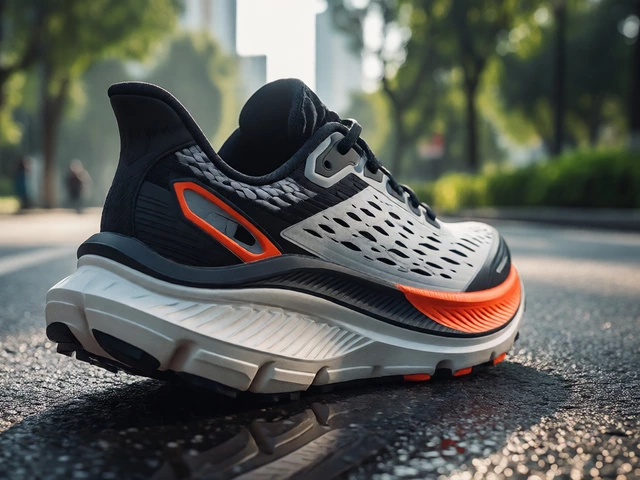
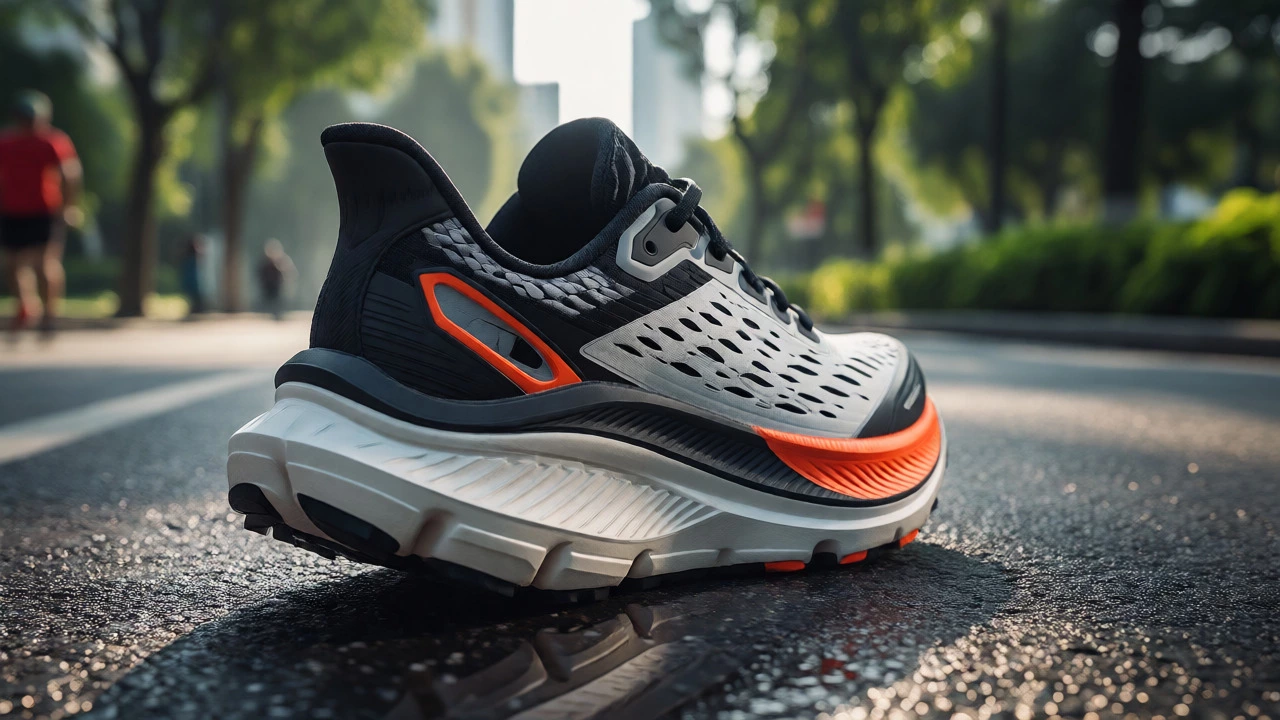
To understand if Hokas are good for you, you first need to understand why they look so weird. Traditional running shoes used to have thin soles and minimal drop. Hokas flipped the script. They use a design philosophy called maximalism, which relies on two main features: extreme cushioning and a Meta-Rocker geometry.
The thick midsole isn’t just there for comfort; it’s designed to absorb impact forces that would otherwise travel up your shins and knees. When your foot strikes the ground, that dense foam compresses, dissipating energy before it hits your joints. This is particularly helpful if you suffer from shin splints or plantar fasciitis.
Then there’s the rocker. If you look at the side profile of a Hoka, the sole curves upward at the toe and heel. This shape encourages a smooth transition from heel strike to toe-off. Instead of forcing your calf muscles to work hard to push off, the shoe essentially rolls you forward. For many runners, this reduces strain on the Achilles tendon and calves, making long distances feel less punishing.
Who Should Wear Them?
Hokas aren’t one-size-fits-all, but they excel for specific types of runners. If you fall into any of these categories, you should seriously consider trying them:
- The High-Mileage Runner: If you log 40+ kilometers a week, your legs take a beating. The extra cushioning in models like the Hoka Bondi acts as a shock absorber, keeping your legs fresh for the next day.
- The Heavy Runner: Heavier runners exert more force on their joints with every step. Standard thin-soled shoes often bottom out quickly under higher weight loads. Hokas maintain their structural integrity longer, providing consistent protection.
- Injury-Prone Runners: If you have a history of knee pain, IT band syndrome, or stress fractures, the reduced impact load can be a game-changer. Many physical therapists recommend them specifically for rehab phases.
- Recovery Day Users: Even elite sprinters who race in thin spikes often wear Hokas on easy days. The soft ride helps flush out metabolic waste without adding mechanical stress.
Who Might Hate Them?
It’s not all sunshine and soft landings. Some runners find Hokas frustrating or even painful. Here’s why you might want to skip them:
Stability Issues: Because the sole is so tall, your center of gravity is raised. Think of it like wearing platform shoes versus flat sneakers. If you have weak ankles or a history of rolling your ankle, the wobbly feeling on uneven surfaces can be unsettling. While Hoka has added wider bases and side rails to improve stability, it’s still a risk for those with poor proprioception.
Speed Feel: Runners who love a responsive, snappy ride often describe Hokas as "mushy" or "dead." If you’re training for a fast 5K and want to feel the ground beneath you, the thick foam might dampen your sense of speed. You may feel like you’re working harder to generate propulsion because the foam absorbs some of your energy return.
Fit Quirks: Hokas tend to run narrow in the forefoot for many people. If you have wide feet, you might feel squeezed unless you opt for the wide versions. Additionally, the deep heel cup can sometimes cause blisters if your socks aren’t seamless or if your foot slides slightly inside the shoe.
Comparing the Big Three
Hoka offers several core models, each targeting a different need. Choosing the wrong one is the most common mistake new buyers make. Here’s how the top three stack up against each other and a traditional competitor.
| Model | Primary Use | Cushion Level | Weight (Men's US9) | Best For |
|---|---|---|---|---|
| Hoka Clifton 9 | Daily Trainer | High | ~248g | Most runners; versatile daily miles |
| Hoka Bondi 8 | Max Cushion | Maximum | ~306g | Slow recovery runs; heavy runners |
| Hoka Mach 6 | Tempo/Race | Moderate | ~218g | Faster paces; lighter feel |
| Brooks Ghost 15 | Traditional Neutral | Moderate | ~275g | Runners preferring lower profile |
The Clifton is the sweet spot for most people. It’s light enough for tempo runs but cushioned enough for long Sundays. The Bondi is the tank of the group-heavy, plush, and built for protecting tired legs. The Mach strips away some bulk for runners who want speed without sacrificing too much comfort. Compare this to a standard trainer like the Brooks Ghost, and you’ll notice the Hoka options generally offer more protection per gram of weight, thanks to advanced foams like PEBA-based materials in newer models.
Trial and Error: How to Test Them Properly
You cannot judge a Hoka by walking around the house for five minutes. The Meta-Rocker needs momentum to work. When you walk slowly, the curved sole can feel awkward because you don’t have the forward inertia to roll through the gait cycle smoothly.
Here is the best way to test them in a store or during a trial period:
- Wear Your Running Socks: Don’t try them on with cotton dress socks. Use the same moisture-wicking socks you run in.
- Jog, Don’t Walk: Ask permission to jog outside. Run at a moderate pace for at least 2-3 minutes. Pay attention to how your heel lands and how the toe-off feels.
- Check for Slippage: Lace them up tightly. If your heel slips, tighten the laces using the extra eyelet at the top to lock it down. If it still slips, the shoe is likely too big or shaped wrong for your foot.
- Sit and Stand: Sit on a bench and flex your toes. Do you feel pressure on the top of your foot? If yes, the tongue might be too stiff, or the fit is too tight.
Remember, breaking in a Hoka takes time. Unlike leather boots, foam doesn’t stretch, but your foot muscles adapt to the new mechanics. Give yourself at least three runs before deciding if you hate them.
The Long-Term Impact on Your Body
A common concern among experienced runners is whether relying on super-cushioned shoes makes your feet weaker. There is a theory called the "use it or lose it" principle. If the shoe does all the work absorbing impact, do your intrinsic foot muscles get lazy?
Current research suggests mixed results. On one hand, softer shoes reduce acute injury rates. On the other, some studies indicate that runners who switch exclusively to maximalist shoes may experience increased loading on the knees or hips because their stride changes. You might start overstriding because the cushion hides the harshness of a heavy heel strike.
The smartest approach is variety. Keep a pair of Hokas for your easy days and long runs. Use a firmer, lower-drop shoe for speed workouts or short jogs. This keeps your feet strong while giving them a rest when they need it. Don’t let your body become dependent on one type of stimulus.
Final Verdict
So, are Hokas good to run in? For the vast majority of recreational runners, yes. They solve real problems related to joint pain and fatigue. They allow older runners to continue competing and heavier runners to train without agony. However, they are not magic bullets. If you have severe biomechanical issues, consult a specialist. And if you crave a barefoot-like connection to the road, you’ll likely prefer something else.
Start with the Clifton. It’s the safest bet. If you find yourself craving more protection, upgrade to the Bondi. If you find them too sluggish, try the Mach. Just remember: the best shoe is the one that lets you wake up tomorrow without pain.
Do Hoka shoes make you slower?
Not necessarily. While they are heavier than racing flats, the energy return from modern foams can offset the weight penalty. Many runners actually run faster in Hokas on tired legs because the reduced impact allows them to maintain form longer. However, for pure sprinting, a lightweight spike or racing shoe is usually superior.
Are Hokas good for plantar fasciitis?
Yes, many users report significant relief. The thick cushioning reduces pressure on the heel, and the rocker sole decreases the stretch on the plantar fascia during toe-off. However, individual results vary, so it’s wise to ease into them gradually rather than switching overnight.
How long do Hoka shoes last?
Typically between 500 and 800 kilometers. The EVA foam compresses over time, losing its rebound properties. You might notice the shoes feeling flatter or less responsive. Since the outsole rubber is durable, you might see little wear on the bottom even when the foam is dead, so track mileage rather than visual wear.
Can I use Hokas for walking?
Absolutely. In fact, nurses, postal workers, and teachers often choose Hokas for all-day standing and walking. The cushioning protects joints during prolonged periods on hard surfaces, and the rocker design facilitates natural movement.
Which Hoka model is best for beginners?
The Hoka Clifton series is widely considered the best entry point. It offers a balanced mix of cushion, weight, and price. It’s forgiving enough for new runners who haven’t yet developed efficient form, yet versatile enough to grow with your fitness level.