Sports Equipment Impact Estimator
Select your activity and equipment details to see how they influence energy transfer, aerodynamics, and safety profiles.
Analysis Results
Key Insight
You might think you can run a marathon in flip-flops or hit a tennis ball with a frying pan. Technically, you can. But you won’t win any races, and your ankles will hate you for it. This is the blunt reality of sports equipment: it acts as the critical interface between human potential and physical outcome. It’s not just about looking pro; it’s about physics, biomechanics, and survival. Whether you’re chasing personal bests on the track or trying to survive a scrum, the gear you wear dictates how efficiently you move and how well you absorb impact.
But here’s the tricky part: more expensive doesn’t always mean better. Sometimes, the lightest shoe slows you down because it lacks stability. Sometimes, the toughest helmet creates so much drag that you lose speed. Understanding how equipment affects sports requires breaking down three specific jobs: enhancing performance, preventing injury, and adapting to the environment. Let’s look at how this actually plays out on the field, court, and pool.
The Physics of Speed and Efficiency
At its core, sports equipment is a tool for energy management. When you swing a bat or kick a ball, you are transferring kinetic energy. The material properties of your equipment determine how much of that energy gets lost as heat or vibration versus how much goes into moving the object.
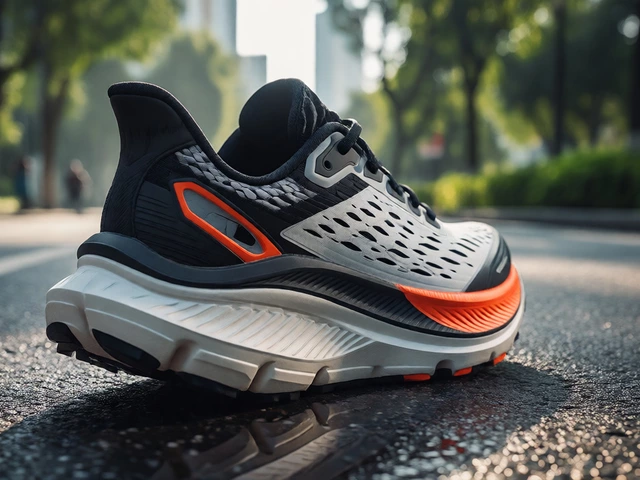
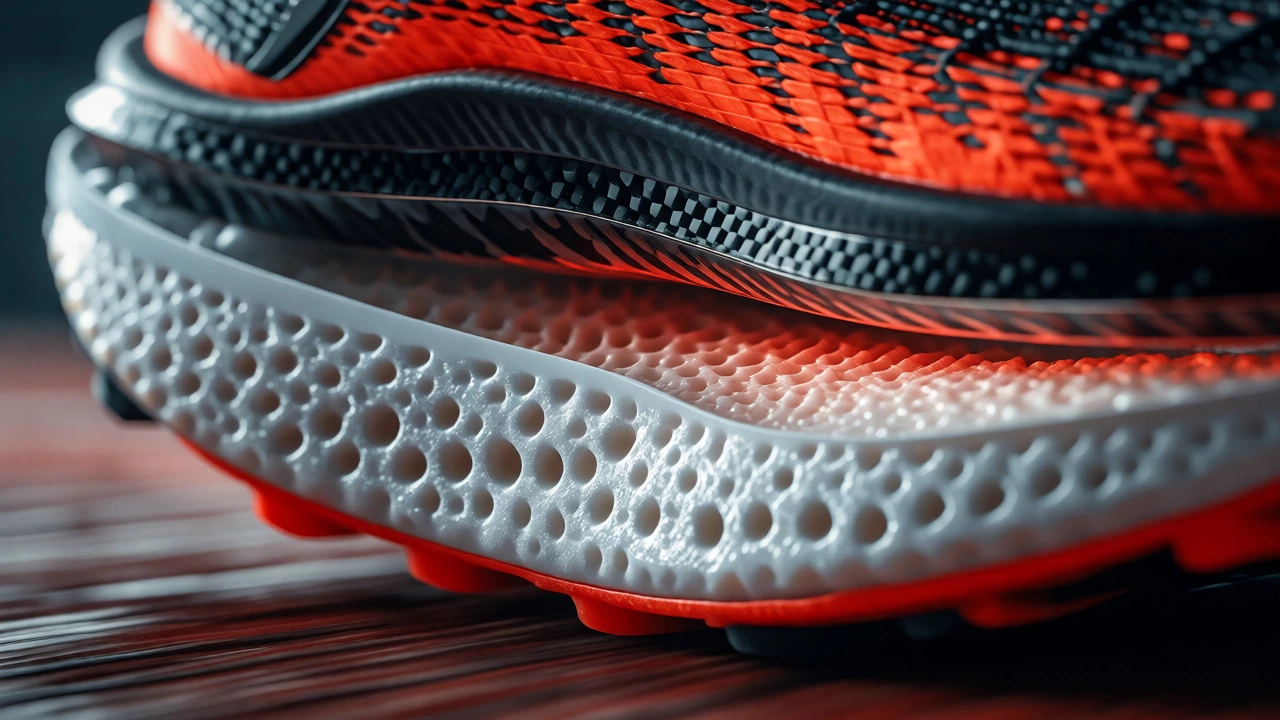
Take carbon fiber, for example. This material has revolutionized everything from cycling frames to running shoes. In running, carbon-plated shoes don’t just cushion your feet; they act as levers. Studies suggest these plates can improve running economy by up to 4%. That sounds small, but over a marathon, it’s the difference between finishing strong and hitting the wall. The shoe stores energy when you land and releases it when you push off. Without that plate, your foot muscles do all the work, tiring you out faster.
In cycling, aerodynamics takes precedence. A standard steel bike frame is durable, but it fights the wind. Modern aerodynamic road bikes use tube shapes designed in wind tunnels to slice through air resistance. At speeds above 30 km/h, roughly 80% of a cyclist’s effort goes into overcoming drag. If your handlebars are wide or your jersey flaps in the wind, you’re wasting watts. Equipment here isn’t optional; it’s the primary factor in speed.
| Sport | Traditional Material | Modern Alternative | Performance Gain |
|---|---|---|---|
| Running | EVA Foam Sole | Carbon Fiber Plate + PEBA Foam | ~4% improved economy |
| Cycling | Aluminum Alloy | Aero Carbon Fiber | 15-20% less drag |
| Tennis | Wooden Racket | Graphite Composite | Higher power-to-weight ratio |
| Swimming | Cotton/Nylon Swimsuit | Polyurethane Skin Suit | Reduced water friction |
Safety Gear: The Invisible Shield
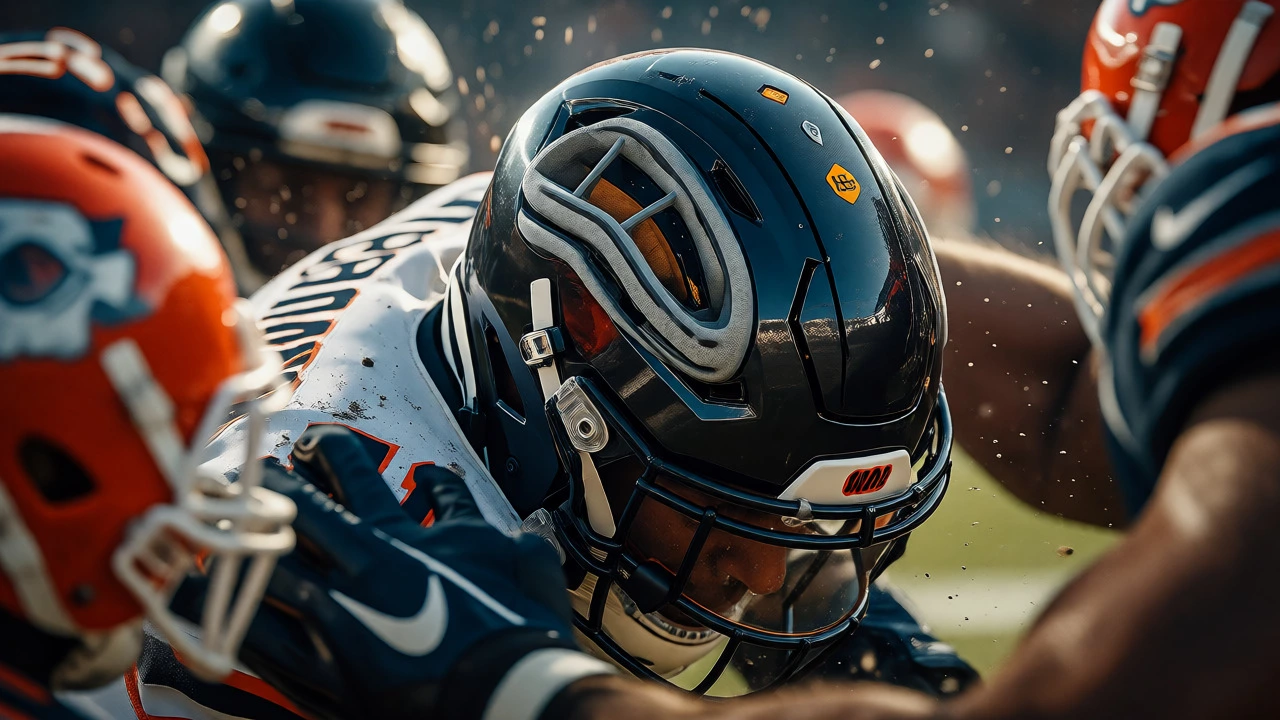
If performance gear helps you go fast, safety gear keeps you in the game. This is where equipment changes the nature of the sport itself. Consider American football. Before helmets became mandatory and advanced, players had shorter careers due to concussions and facial fractures. Today, modern helmets use multi-layer padding and rotational impact systems like MIPS (Multi-directional Impact Protection System) to reduce brain trauma.
However, there’s a controversial side effect known as "risk compensation." Some athletes feel invincible in heavy protective gear, leading them to play more aggressively. In rugby, padded jerseys have led to higher tackle forces because players trust the padding to absorb the hit. While injuries to the torso have decreased, head and neck injuries remain a concern. Equipment changes behavior, which in turn changes injury profiles.
In contact sports like Boxing, gloves serve a dual purpose. They protect the puncher’s hands from breaking against a skull, and they protect the recipient’s face from cuts. But thicker gloves also allow fighters to throw harder punches without fear of hand injury, potentially increasing the force of impacts to the head. This paradox shows that safety equipment doesn’t eliminate risk-it redistributes it.
For non-contact sports, safety is often overlooked. Runners ignore their shoes until they develop shin splints. The midsole compression in running shoes typically lasts 500-800 kilometers. Once the foam loses its resilience, it stops absorbing shock effectively, transferring that impact directly to your knees and hips. Replacing worn-out gear is a cheap insurance policy compared to months of physiotherapy.
Technology and Data Integration
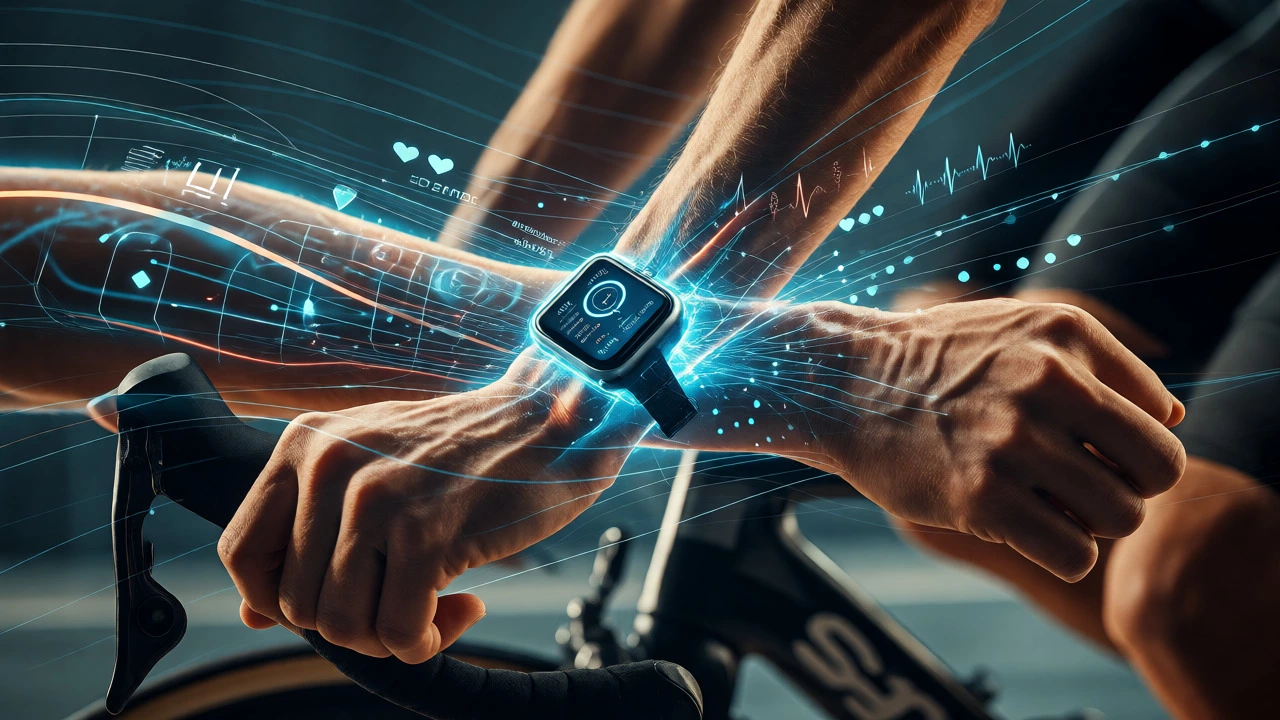
We’ve moved beyond passive equipment. Today, gear is active. Wearable technology has turned clothing and accessories into data collectors. Devices like heart rate monitors, GPS watches, and smart insoles provide real-time feedback on performance.
This shift allows for precise training adjustments. Instead of guessing if you’re working hard enough, you see your lactate threshold in real time. Coaches use this data to tailor workouts, preventing overtraining. For professional athletes, this is standard. But for amateurs, it democratizes elite-level insights. You don’t need a team of scientists; you just need a $200 watch and a smartphone app.
However, data overload is a real pitfall. Many beginners obsess over metrics rather than feeling their body. If your watch says you ran a 5:00/km pace but your form was terrible, the metric is misleading. Equipment should inform your decisions, not dictate them blindly. Use the data to spot trends-like a sudden drop in cadence indicating fatigue-but rely on physical sensation for immediate adjustments.
Environmental Adaptation
Sports don’t happen in a vacuum. Temperature, humidity, altitude, and surface type all interact with your equipment. This is why you see different gear choices across disciplines and locations.
In swimming, the debate over full-body polyurethane suits versus traditional lycra changed world records. These suits compressed muscles, reduced muscle vibration, and repelled water. Although FINA banned high-tech suits in 2010 to preserve fairness, the principle remains: reducing drag is key. Similarly, in winter sports, wax choice on skis depends entirely on snow temperature. Wrong wax means slow skis, regardless of athlete fitness.
Altitude poses another challenge. At high elevations, thinner air reduces oxygen availability. Athletes may adjust their pacing strategies and hydration protocols based on environmental conditions. Specialized breathing masks used during training simulate altitude, forcing the body to produce more red blood cells. This adaptation, driven by equipment-assisted training, translates to better endurance at sea level.
Surface type also matters. Running on concrete is harsher on joints than trail running. Trail shoes have deeper lugs for grip and stiffer soles for rock protection, while road shoes prioritize cushioning and flexibility. Using the wrong shoe for the terrain increases slip risks and joint stress. Always match your equipment to the environment, not just the activity.
Psychological Factors and Confidence
Never underestimate the placebo effect of gear. If you believe your new racket gives you more spin, you’ll swing differently, likely generating more spin anyway. This psychological boost is real and measurable. Athletes report higher confidence levels when using familiar, high-quality equipment.
Color psychology plays a role too. Some studies suggest red uniforms can intimidate opponents and slightly increase winning rates in combat sports. While subtle, these factors accumulate. Feeling prepared and equipped properly reduces anxiety, allowing athletes to focus on execution rather than doubt.
Customization enhances this effect. Tailored fits, personalized colorways, or engraved names create a sense of ownership and identity. When gear feels like an extension of your body, mental barriers lower. This is why pros rarely change sponsors mid-season-the psychological comfort of trusted gear outweighs minor technical advantages elsewhere.
Does expensive equipment guarantee better performance?
No. Expensive equipment offers marginal gains, usually in weight reduction or durability. For beginners, proper fit and maintenance matter far more than price tags. A well-fitted $50 pair of running shoes will outperform ill-fitting $250 shoes every time.
How often should I replace my sports equipment?
It depends on usage. Running shoes generally last 500-800 km. Tennis strings lose tension after 20-30 hours of play. Helmets should be replaced after any significant impact or every 5 years due to material degradation. Regular inspection is key.
Can wearing the wrong equipment cause injuries?
Yes. Poorly fitted shoes lead to blisters, plantar fasciitis, and knee pain. Incorrect racket size can cause tennis elbow. Ill-fitting helmets compromise safety in contact sports. Always prioritize correct sizing and sport-specific design over aesthetics.
What is the most impactful piece of equipment for a beginner runner?
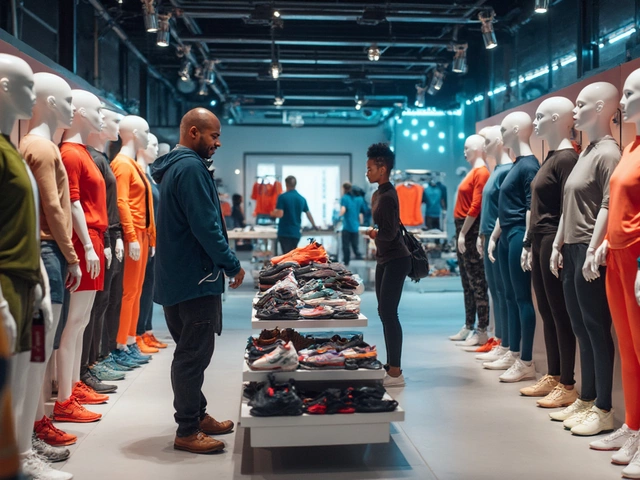
Your shoes. They bear the entire load of your body weight multiplied by impact forces. Visit a specialty store for gait analysis to find shoes that match your arch type and stride pattern. This single investment prevents most common running injuries.
Do wearable devices actually improve training results?
They can, if used correctly. Devices provide objective data on heart rate, pace, and recovery. However, they only help if you act on the data. Ignoring warnings about overtraining or poor sleep hygiene renders the device useless. Use them as guides, not bosses.