Boxing Match Score Simulator
Use this simulator to see how points accumulate over a fight. Select who won the round and if any knockdowns occurred to see the impact on the total score.
Fighter A
VS
Fighter B
| Round | Round Winner | Knockdowns (KD) | Score |
|---|
Judge's Verdict: TBD
Based on the 10-Point Must System: Winner gets 10, Loser gets 9. Each knockdown reduces the loser's score by 1 point.
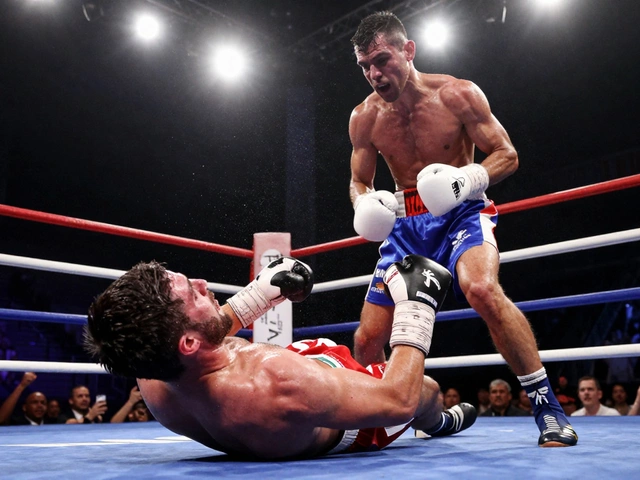
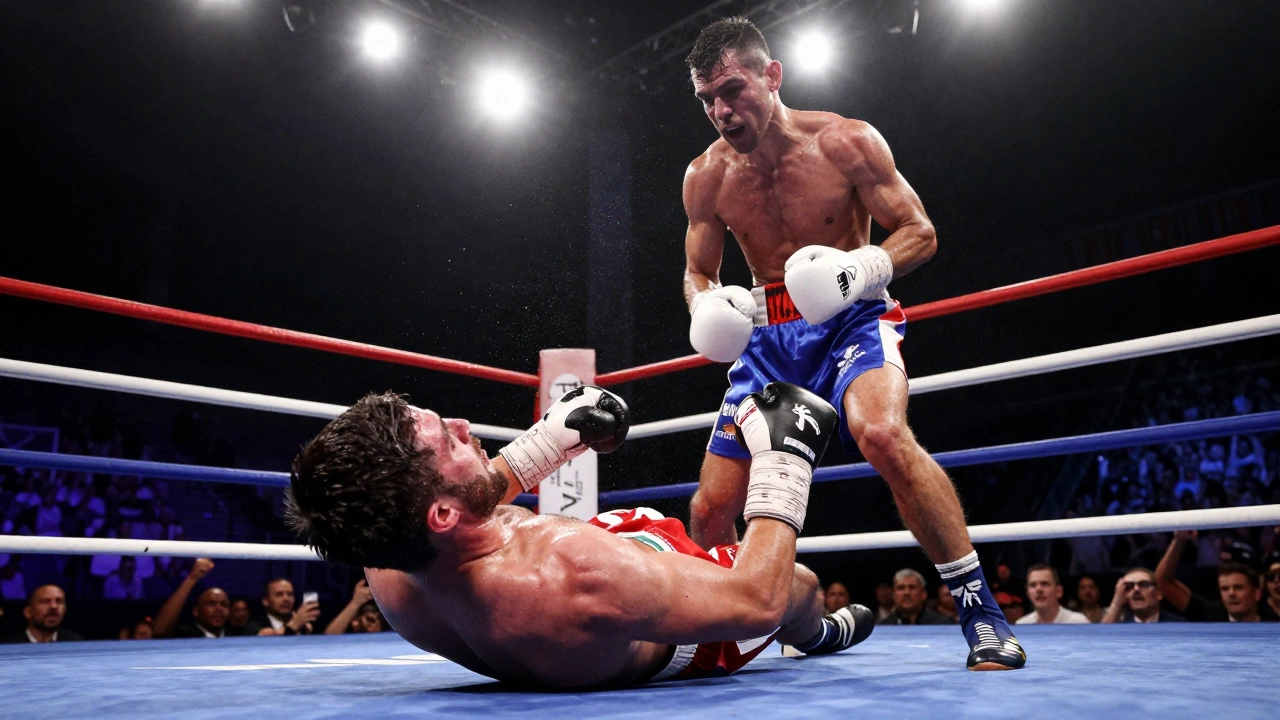
Let's start with the most direct way to end a fight. Knockout is a victory achieved when a fighter is unable to rise from the canvas before the referee counts to ten. Also known as a KO, this is the definitive end. There's no need for judges or math; the fight is over. But there's a slight twist called a Technical Knockout, or TKO. This happens when the referee, the ringside doctor, or the fighter's own corner decides that the boxer is too injured or overwhelmed to continue safely. For example, if a fighter is taking a beating and can't defend themselves, the referee steps in to prevent permanent damage. In that moment, the fight is stopped, and the active attacker wins.
The Mystery of the Ten-Point Must System
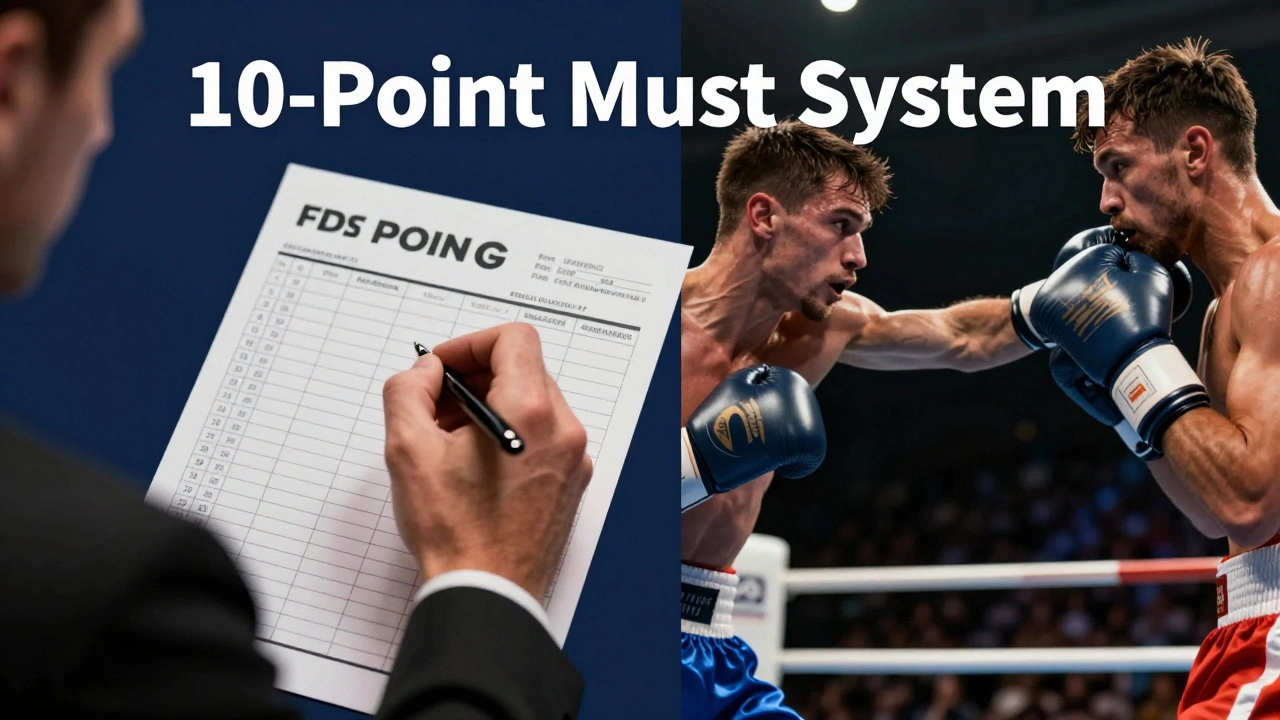
What happens when the fight goes the distance? This is where it gets tricky. Most professional bouts use the 10-Point Must System. It's the gold standard for scoring boxing matches by awarding points round by round based on effective aggression and ring generalship. Here's the deal: the winner of a round gets 10 points, and the loser gets 9. It's a "must" system because someone must get 10 points.
But what if the round was a total stalemate? In that case, it's a 10-10 round, though judges hate doing this because it's rare. Now, let's talk about the swing factors. If a fighter scores a knockdown, they usually gain an extra point. So, a round with a knockdown typically ends 10-8. If a fighter gets knocked down twice in one round, it could be 10-7. If they get hit with a foul that costs them a point, the score might shift to 9-8. This is why a single big punch can erase three rounds of cautious poking; the math heavily favors the person who puts the other on the canvas.
What Judges Actually Look For
You might wonder why a fighter who threw 100 jabs won over someone who threw 20 power punches. Judges aren't just counting hits; they're looking for specific criteria. The first is effective aggression. This isn't just moving forward-that's just walking. Effective aggression means landing meaningful shots while moving toward the opponent. If you're walking forward but getting hit on the way in, you're not being effectively aggressive; you're just a target.
Then there's ring generalship. This is the art of controlling the space. Who is dictating where the fight happens? Who is forcing the other person into the corners? If a boxer is dancing around the ring, making their opponent miss, and keeping the fight in the center, they're demonstrating great ring generalship. Finally, there's clean punching. A jab that snaps the head back is worth way more than five punches that hit the gloves or shoulders. Judges want to see punches that land flush on the target.
| Scenario | Winner Points | Loser Points | Reasoning |
|---|---|---|---|
| Standard round win | 10 | 9 | Clear dominance in punches/movement |
| Round win with one knockdown | 10 | 8 | Significant damage and canvas time |
| Round win with two knockdowns | 10 | 7 | Total dominance/Near finish |
| Perfectly even round | 10 | 10 | Neither fighter gained an advantage |
The Different Types of Decision Victories
When the final bell rings and no one has been knocked out, the three judges' scorecards are tallied. This leads to several different types of outcomes. The most common is a Unanimous Decision. This is when all three judges agree on the same winner. It's the cleanest way to end a fight on points.
Then you have the Split Decision. This happens when two judges see Fighter A as the winner, but the third judge sees Fighter B as the winner. It's a bit more controversial, but Fighter A still takes the win. Even weirder is the Majority Decision. This occurs when two judges score the fight for one person, while the third judge scores it as a draw. Again, the person with two votes wins.
And then there's the dreaded Draw. If two judges score it as a tie, or if the total points across all cards result in a mathematical stalemate, the fight is a draw. In championship fights, a draw usually means the champion keeps the belt, as the challenger failed to prove they were the superior fighter.
Common Pitfalls and Scoring Controversies
Why do we see "robberies" in boxing? Often, it's because of a clash in judging styles. Some judges value a high volume of punches (the "work rate"), while others value the impact of a single heavy shot. For instance, in a fight between a high-volume pressure fighter and a counter-puncher, one judge might reward the pressure, while another rewards the precision of the counter-strikes.
Another issue is the "champion's advantage." While not an official rule, there's often a feeling that a challenger must decisively beat a champion to take the belt away. If a fight is razor-thin, a judge might subconsciously lean toward the established title holder. This is why challengers often feel they need to score a knockdown to guarantee a win.

The Role of the Referee
While the judges handle the score, the Referee is the one who actually manages the fight. Their role is crucial because they can change the outcome instantly. The referee decides when a knockdown is actually a knockdown. If a fighter slips on a wet spot on the canvas, the referee should call it a slip, not a knockdown. If they call it a knockdown, it's a point for the opponent-a huge mistake that can swing a decision.
The referee also handles fouls. Low blows, headbutts, or hitting after the bell can result in point deductions. If a fighter is winning every round but gets two points deducted for hitting on the break, they could suddenly find themselves losing a close fight. This is why discipline is just as important as power.
Can a boxing match end in a tie?
What is the difference between a KO and a TKO?
How many judges are there in a professional boxing match?
What happens if a fighter is knocked down but gets up quickly?
Does a punch to the body count as a knockdown?
Next Steps for Boxing Fans
If you're looking to get better at analyzing fights, try scoring the rounds yourself. Grab a piece of paper, watch a fight, and mark who you think won each round based on clean punching and ring control. Compare your card to the official one at the end. You'll quickly realize how subjective the sport can be and why the 10-point must system often sparks such heated debates among fans.