Running Shoe Size Calculator
Measure Your Foot
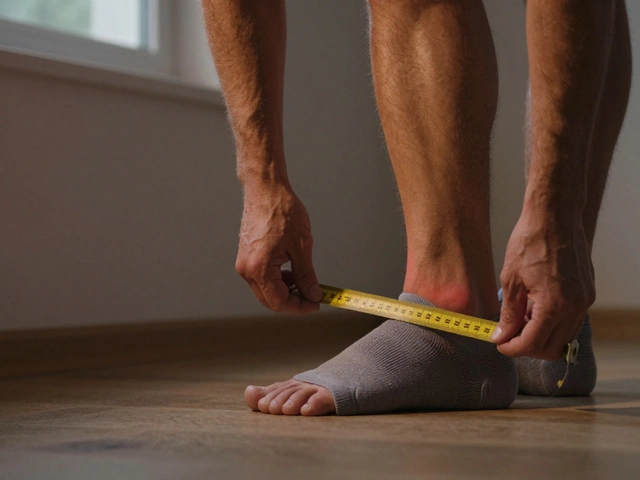
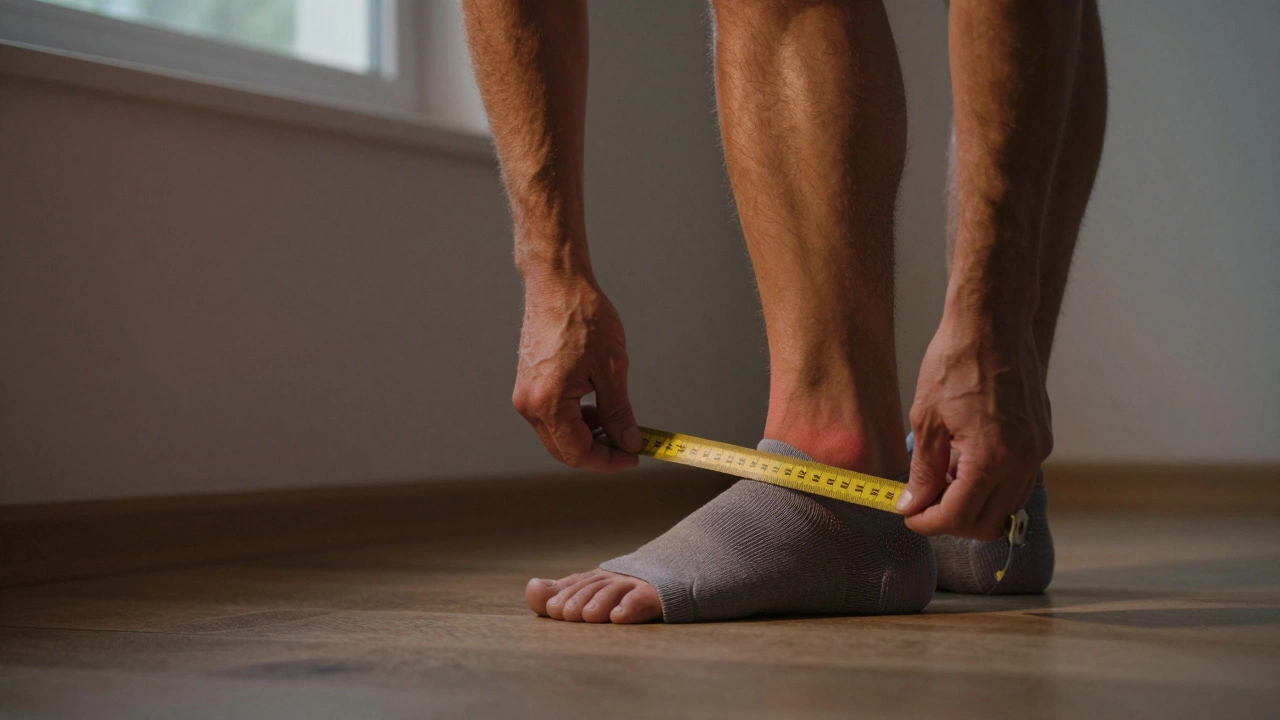
For best results, measure your feet in the afternoon with your running socks on. Measure both feet and use the larger measurement.
Your Recommended Size
Important: Running shoes need 10-15mm of extra space in the toe box. This tool calculates based on industry standards for running footwear.
Getting the right running shoe size isn’t just about comfort-it’s about preventing injury, improving performance, and keeping your feet happy mile after mile. Too tight, and you’ll get blisters, black toenails, or nerve pain. Too loose, and your foot slides around, wasting energy and increasing the risk of ankle rolls. Yet so many runners just grab their usual size and hope for the best. That’s a mistake.
Why Your Regular Shoe Size Doesn’t Work for Running
Your running shoe size is almost always different from your casual or dress shoe size. Why? Because your feet swell during a run. Heat, impact, and sweat can make your feet grow by up to half a size-or even a full size-over the course of a long run. If your shoes feel snug when you first put them on, they’ll feel like a vice by mile three.
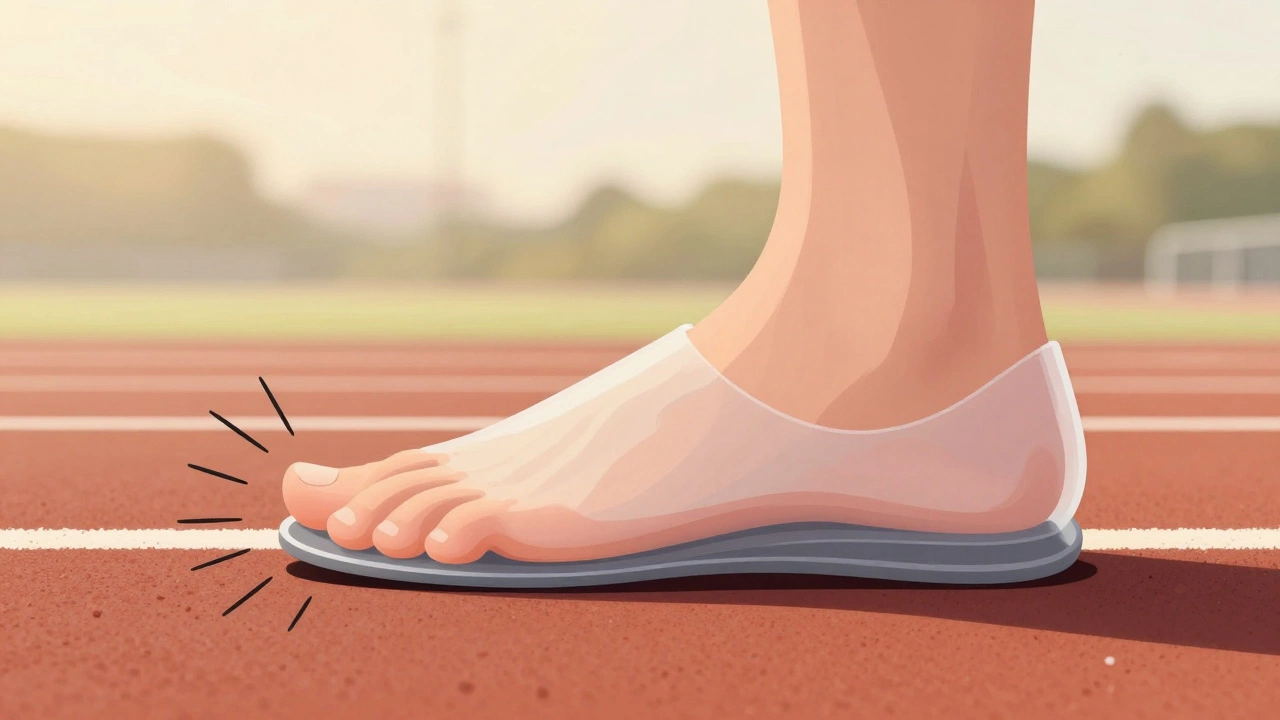
Also, running shoes need extra space in the toe box. Your toes need room to spread out and absorb shock. In a regular shoe, your big toe might just touch the front. In a running shoe, it should have about a thumb’s width of space. That’s not a lot, but it’s critical.
How to Measure Your Foot for Running Shoes
Stop guessing. Measure your feet properly. Here’s how:
- Do it in the afternoon or evening. That’s when your feet are largest from daily swelling.
- Wear the socks you plan to run in. Thick running socks? Use those. Thin ones? Use those.
- Stand on a piece of paper with your heel against a wall. Put your full weight on your foot.
- Mark the longest point of your big toe and your heel.
- Measure the distance between those marks in millimeters.
- Repeat for both feet. Always go with the larger foot.
Most brands use EU, UK, or US sizing. Use a running shoe size chart to convert your foot length to the right size. Don’t rely on what you wore last year. Your feet change over time.
What to Look for When Trying On Running Shoes
Even with measurements, trying shoes on is non-negotiable. Here’s what to check:
- Toe room: You should be able to wiggle your toes. Press down on the top of the shoe-your toes shouldn’t hit the front.
- Width: Your foot shouldn’t feel squeezed on the sides. If your arch is wide or your forefoot is bulky, you might need a wide version.
- Heel fit: The heel should lock in without slipping. Lift your heel slightly-there should be no gap or sliding.
- Arch support: If your arch collapses, you need more support. If it’s high, you need cushioning without pressure points.
- Flex point: The shoe should bend where your foot bends-right behind the ball of your foot. If it bends in the wrong spot, it’ll feel stiff and unnatural.
Walk around the store. Do a few lunges. If you can, jog in place. Pay attention to how your foot feels under pressure. That’s your best clue.
Common Mistakes People Make
Here are the top errors runners make when picking size:
- Buying based on last pair: Your foot shape changes. Your weight changes. Your running style changes. Your old size might not fit anymore.
- Ignoring the toe box: A narrow toe box causes neuromas, hammertoes, and lost toenails. You don’t want to lose a toenail because you were too cheap to go half a size up.
- Assuming online sizing is accurate: Brand A’s size 9 might be Brand B’s size 9.5. Always check the brand’s specific size chart. Don’t just trust Amazon’s auto-suggestion.
- Waiting for shoes to stretch: Leather might stretch a little. Synthetic mesh? Not really. If it’s tight now, it’ll stay tight.
- Buying shoes that feel too comfortable: Sometimes, the super-soft, pillowy shoe feels great in the store-but it’s too loose. You need structure for stability.
How Running Style Affects Shoe Size
Your stride matters. If you’re a heel striker, your foot lands flat, and you need more cushion in the heel. If you’re a forefoot runner, your toes take more impact, so you need extra space up front. If you overpronate, you might need a more structured shoe that doesn’t stretch out over time.
Some brands make shoes specifically for wide feet (like Altra or Hoka), others for narrow feet (like Nike’s racing shoes). Know your foot shape before you buy.

What to Do If You’re Between Sizes
If your foot length falls between two sizes, here’s the rule: Go up. It’s far better to have a little extra room than to crush your toes. You can use insoles or thicker socks to take up slack. But you can’t add space to a shoe that’s too tight.
Some runners even buy a half-size up for long-distance races. The extra space helps with swelling during marathons. It’s not weird-it’s smart.
When to Replace Your Size Measurement
Your feet don’t stay the same forever. Pregnancy, weight gain, aging, or injury can change your foot shape. If you’ve gained 5kg or more, had a foot injury, or haven’t measured in over a year, remeasure. Don’t assume your size from five years ago still fits.
Professional runners get their feet measured every 6 months. You don’t need to go that far-but if you run more than 30km a week, do it once a year.
Final Tip: Test Before You Buy
Don’t buy running shoes online without a return policy. Even if you’ve measured twice, the fit can still feel off once you start running. Look for stores or brands that offer free returns. Try them on with your running socks. Run a few steps. Walk around your house. If they feel fine, great. If they feel tight anywhere-even slightly-go up a size.
Running shoes are an investment. The right size means fewer injuries, better performance, and more miles without pain. Don’t cut corners. Your feet will thank you.