Rugby Commitment & Cost Calculator
Before you lace up your boots, understand the true price of entry. Use this tool to estimate your annual investment in money and time.
Estimated Annual Breakdown
Everyone loves the roar of the crowd and the thrill of a last-minute try. But if you’re standing on the sideline wondering if you should sign up for that local club, you might be asking yourself: what is actually negative about rugby? It’s not just about the bruises. The sport demands a lot from your body, your wallet, and your calendar. Before you lace up those boots, let’s look at the real downsides that often get buried under the hype.
The Physical Toll: Why Your Body Pays the Price
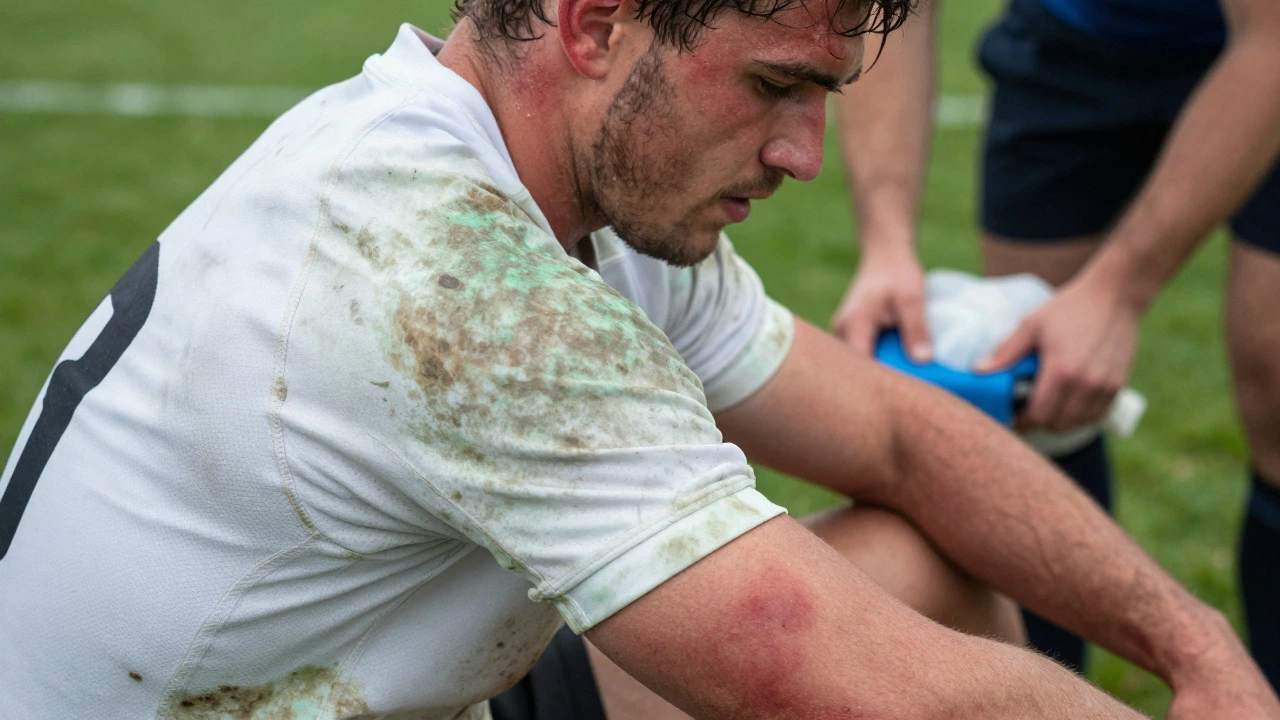
Rugby is a contact sport, and unlike soccer or basketball, there are no referees constantly blowing the whistle to stop every collision. The game is continuous, which means your body absorbs impacts for eighty minutes straight. The most common complaints aren’t just sprained ankles; they are chronic issues that linger long after the season ends.
Shoulder dislocations and knee ligament tears are frequent visitors in the rugby community. Because the game involves tackling, rucking, and mauling, your joints take a beating that other sports rarely see. If you play regularly, you need to budget time for physiotherapy. It’s not a one-time fix; it’s an ongoing maintenance routine. Many players find themselves spending more hours in a gym doing rehabilitation work than they do practicing their passing skills.
- Chronic Pain: Back pain and neck stiffness are common due to repetitive impact.
- Recovery Time: Minor knocks can sideline you for weeks, missing crucial match days.
- Long-term Risk: Studies suggest higher rates of concussions compared to non-contact sports, requiring careful management of head injuries.
The Hidden Financial Burden
You don’t need expensive gear to start, but staying competitive gets pricey fast. Rugby boots, protective mouthguards, and quality training kits add up. But the real cost isn’t the equipment-it’s the medical bills. If you play for a semi-professional or amateur club, insurance might cover some treatments, but out-of-pocket expenses for private physios, chiropractors, and specialist consultations can hit your bank account hard.
Consider this: a single MRI scan for a suspected knee injury can cost several hundred dollars. If you need surgery, the costs skyrocket. Unlike team sports where uniforms are often provided by the club, individual players frequently have to buy their own specific sizing and brands. Over a decade of playing, these small costs accumulate into a significant financial commitment.
| Cost Category | Rugby Union | American Football | Soccer (Football) |
|---|---|---|---|
| Initial Gear Cost | $150 - $300 | $500+ (Helmet/Pads) | $50 - $100 |
| Injury Treatment Frequency | High | Very High | Moderate |
| Annual Club Fees (Amateur) | $200 - $500 | Varies widely | $100 - $300 |

Time Commitment: More Than Just Game Day
One of the biggest negatives people overlook is the time investment. A typical rugby week isn’t just two games. It includes two to three full training sessions, plus strength and conditioning workouts. For many adults, this squeezes out family time, social events, and rest. If you miss a training session, you fall behind quickly because rugby tactics rely on collective movement. You can’t just show up on Saturday; you need to be part of the weekly rhythm.
This intensity makes it difficult to balance with a demanding job or study schedule. Burnout is real. Players who push too hard without adequate rest often end up injured or mentally exhausted by mid-season. The pressure to perform for your team adds another layer of stress that doesn’t exist in recreational sports like hiking or swimming.

The Social and Cultural Aspects
Rugby has a reputation for being a tight-knit community, which is great, but it can also feel exclusive. The "old boys' network" vibe persists in some clubs, making it hard for new players, women, or those from different backgrounds to fit in initially. There is an unspoken code of conduct regarding how you behave on and off the field. If you’re not used to that level of camaraderie and discipline, it can feel overwhelming.
Additionally, the culture around alcohol and post-match socializing is strong. While it builds bonds, it can be a negative for those who prefer sober lifestyles or have strict dietary restrictions. The expectation to attend pub nights or team dinners can become another obligation rather than a fun social event.
Is It Worth It? Weighing the Negatives
So, is the downside list enough to keep you away? Not necessarily. These negatives are manageable if you go in with eyes open. If you value high-intensity fitness, lifelong friendships, and strategic teamwork, the rewards outweigh the costs. But if you prefer low-impact activities, have limited free time, or are wary of recurring medical bills, rugby might not be the right fit. It’s a sport that asks for everything you have, physically and emotionally. Make sure you’re ready to give it before you step onto the pitch.
Is rugby more dangerous than American football?
It depends on how you measure danger. American football has more padded equipment, reducing certain types of skin abrasions, but rugby has more continuous contact and fewer stops. Both sports carry high concussion risks, but rugby players often report more chronic joint pain due to the lack of heavy padding.
How much does it cost to play rugby in Australia?
In Adelaide and other Australian cities, amateur club fees typically range from $200 to $500 per year. However, this does not include personal gear, physiotherapy, or travel to away games. Budget an additional $500-$1000 annually for health and equipment maintenance.
Can beginners join a rugby club easily?
Yes, most clubs welcome beginners. However, the learning curve is steep. You will need to learn basic laws, positioning, and tackle technique quickly to avoid injury. Clubs usually provide introductory sessions, but self-study on fundamentals helps significantly.
What is the biggest physical risk in rugby?
Head injuries, specifically concussions, are the most serious concern. Proper tackling technique is crucial to minimize this risk. Poor form can lead to long-term cognitive issues, so investing in coaching and technique drills is essential for safety.
Does rugby require a lot of travel?
For local clubs, travel is minimal, mostly within the city or state. However, if you make a representative team, travel increases significantly. This can impact work schedules and family time, adding to the overall commitment required.