Rugby Salary Breakdown Calculator (2026)
Player Profile
Select the level of play to set the base salary range.
- Base Salary $0
- Bonuses +$0
- Endorsements +$0
- Gross Total $0
- Deductions (Tax/Fees) (~40%) -$0
Income Comparison
You watch the match. A prop drives forward with a force that shakes the stadium. A winger dives for the try line at full speed. It looks like pure passion, right? But behind those jerseys is a complex web of contracts, bonuses, and massive disparities in wealth. If you’ve ever wondered what rugby players actually get paid, the answer isn’t a single number. It depends entirely on where they play, who they play for, and how good they are.
In 2026, the financial landscape of rugby has shifted again. The gap between the elite stars and the average professionals is wider than ever. Some players earn millions, while others struggle to make ends meet despite playing at a high level. Let’s break down exactly what goes into a rugby player’s paycheck, from the top-tier leagues to the grassroots game.
How much do top rugby players earn?
The very best players in the world, particularly in the National Rugby League (NRL) and the Premiership Rugby, can earn between $1 million and $2.5 million AUD annually. This includes base salary, performance bonuses, and commercial endorsements.
The Top Tier: Where the Big Money Is
If you want to see the highest salaries, you look at the two main powerhouses of professional rugby: the NRL in Australia and the English Premiership. These leagues have the deepest pockets due to broadcasting deals and corporate sponsorship.
In the NRL, the salary cap for each club sits around $13.7 million AUD. This means teams have a limited amount to spend on their squad. However, this doesn’t mean every player gets an equal share. Star players command huge portions of that cap. A marquee player might take home $800,000 to $1.2 million AUD per year just in base salary. When you add signing-on fees, which can be substantial for high-profile recruits, and appearance bonuses, the total package often exceeds $1.5 million.
Across the Tasman, the Super Rugby Pacific operates differently. While the overall revenue is lower than the NRL, top stars still earn significant sums. Salaries here typically range from $200,000 to $600,000 AUD for most players, with the absolute elite breaking through to $800,000 or more. The difference lies in the structure; Super Rugby relies heavily on franchise models, whereas the NRL is a tightly regulated competition focused on parity.
In Europe, Premiership Rugby clubs in England offer competitive wages. Top earners in London or Bath can pull in £400,000 to £600,000 GBP annually. The French Top 14 league is also known for high salaries, especially for foreign imports, where packages can rival or exceed those in the NRL when converted.
Breaking Down the Paycheck: It’s Not Just Salary
A rugby player’s contract is rarely just one line item. Understanding what they get paid requires looking at the components of their deal.
- Base Salary: This is the guaranteed money paid weekly or monthly. For a rookie, this might be modest. For a veteran, it’s the foundation of their income.
- Performance Bonuses: Teams reward results. Winning a grand final, scoring a certain number of tries, or making the team of the year can trigger extra payouts. These can add 10-20% to annual earnings.
- Appearance Fees: Simply playing in a match earns a fee. Missing a game due to injury might mean losing this portion of the income, which incentivizes fitness and availability.
- Commercial Endorsements: This is where the real wealth is built. Top players partner with brands for apparel, supplements, and local businesses. A star player might earn as much from sponsors as they do from their club.
For example, a young prospect might sign a three-year deal with a low base salary but high potential bonuses. In contrast, an established captain will have a high base salary with fewer performance hurdles to clear. This structure ensures that teams can manage costs while rewarding merit.
The Middle Class: Solid Income, High Pressure
Not everyone is a superstar. The majority of professional rugby players fall into the "middle class" category. They earn enough to live comfortably, buy a house, and support a family, but they aren’t rolling in cash.
In the NRL, a mid-list player might earn between $250,000 and $500,000 AUD. This is a solid income, especially compared to the national average, but it comes with short career spans. Most players retire by age 30 or 32 due to injuries. This creates a unique financial pressure: you have to save aggressively during your peak years because the money stops abruptly.
In second-tier competitions like the Championship in England or provincial unions in New Zealand, salaries are lower. Players here might earn $80,000 to $150,000 AUD. Many of these athletes hold part-time jobs or study alongside their training. They play for love of the game, but the financial security is less robust.
Women’s Rugby: Growing Pains and Progress
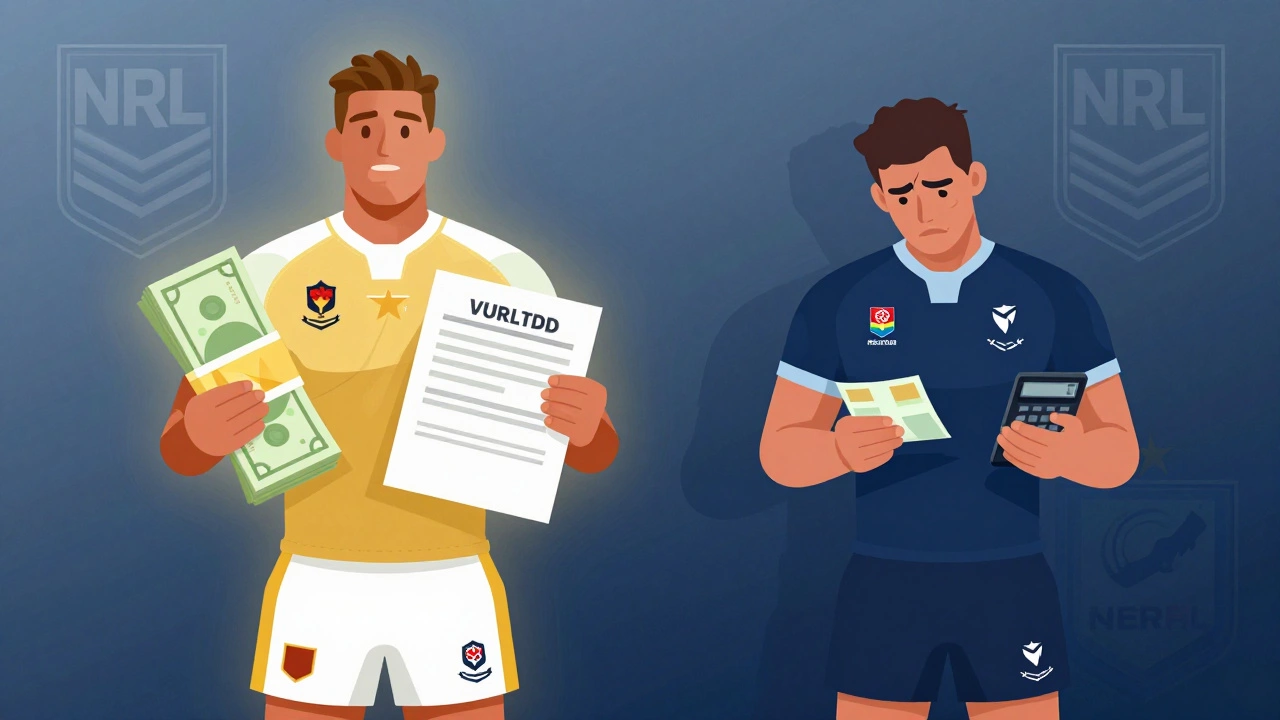
It’s impossible to talk about rugby pay without addressing the gender gap. Historically, women’s rugby was largely amateur. That is changing rapidly, but the numbers still lag behind men’s.
In 2026, the Super W league in Australia offers professional contracts to some players, but many still rely on stipends rather than full salaries. Top players might earn $30,000 to $60,000 AUD per season, which is not enough to live on alone. Consequently, many female rugby players work full-time jobs outside of sport.
However, investment is growing. Broadcasters and sponsors are recognizing the value of women’s rugby. As viewership increases, so does the revenue pool. We expect salaries in women’s professional leagues to double or triple over the next five years, moving towards a model where players can focus solely on their sport.
Grassroots and Semi-Professional Levels
Beneath the professional tier lies the vast majority of rugby players. At the club level, whether it’s suburban rugby in Adelaide or community leagues in London, players don’t get paid. In fact, they pay to play. Membership fees cover field maintenance, insurance, and equipment.
Semi-professional levels exist in some regions, where players might receive small honorariums or travel reimbursements. These amounts are negligible, often just covering petrol costs to get to training. For these athletes, rugby is a hobby, not a career. The camaraderie and fitness benefits outweigh the lack of financial reward.
| Level | Low End | High End | Notes |
|---|---|---|---|
| NRL Star | $1,000,000 | $2,500,000+ | Includes endorsements |
| NRL Mid-List | $250,000 | $500,000 | Base + bonuses |
| Super Rugby | $200,000 | $800,000 | Varies by franchise |
| English Championship | $80,000 | $150,000 | Semi-pro status |
| Super W (Women's) | $30,000 | $60,000 | Stipend-based |
Factors Influencing Pay
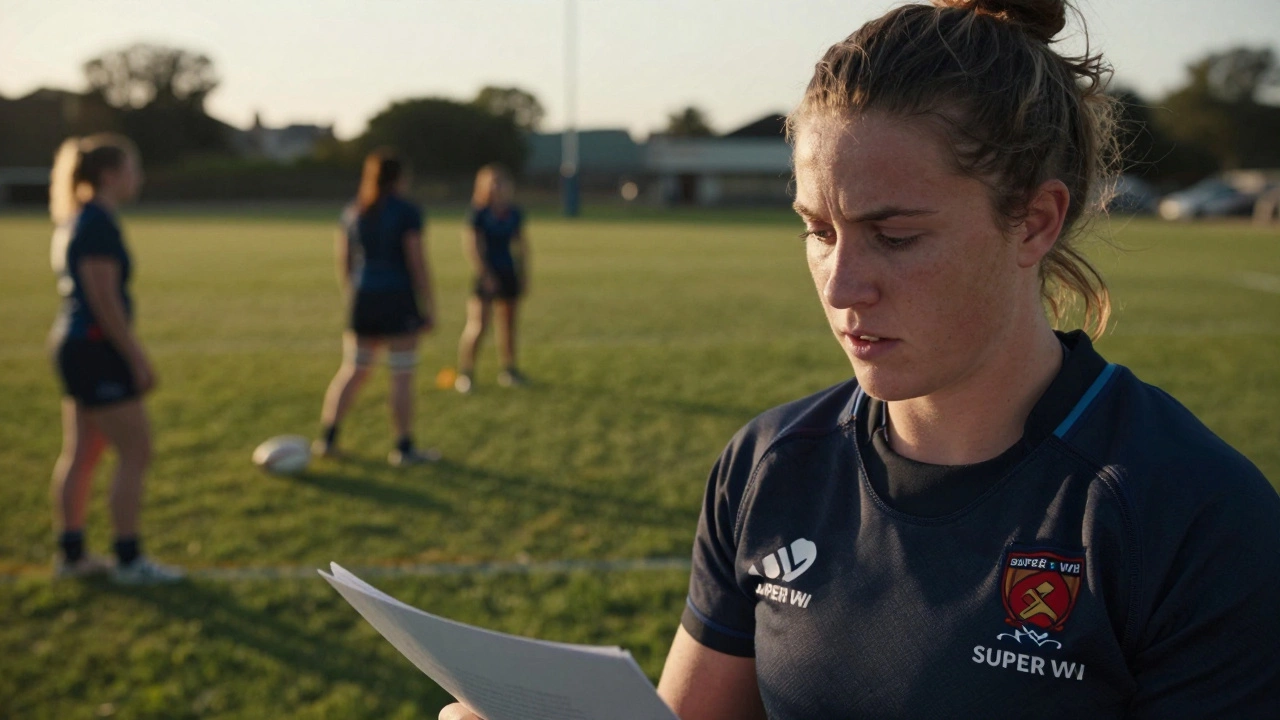
Why does one player earn double another? Several factors drive salary negotiations.
Position Matters: Backs, particularly wingers and fullbacks, often attract higher salaries because they score tries and draw fan attention. Forwards, especially props and locks, are the engine room, but their marketability is sometimes perceived as lower, though this is changing as teams recognize their critical role.
Market Size: Players in larger cities like Sydney, Melbourne, or London have access to bigger sponsorships. A player in a smaller regional town might have a great contract but fewer local business opportunities.
Nationality: International players often command premium rates. Clubs are willing to pay more for proven talent from other countries, assuming they bring skill and experience. However, visa restrictions and salary caps can limit this.
The Hidden Costs of Being a Pro
When looking at gross salary, remember that net income is different. Professional athletes face unique expenses.
- Agents: Player agents typically take 5-10% of the contract value. This cuts directly into the player’s pocket.
- Tax: High earners pay significant tax. In Australia, the top marginal tax rate applies to incomes over $450,000.
- Health and Recovery: While clubs provide physios, many players invest in private treatment, nutritionists, and recovery tools like cryotherapy chambers.
- Insurance: Income protection insurance is crucial. If a player gets injured and can’t play, this policy keeps them financially stable.
After these deductions, a $1 million salary might leave the player with $600,000 or less. This highlights the importance of financial planning for athletes.
Financial Planning for Short Careers
Rugby careers are short. The average professional plays for 10-15 years. This means players must plan for life after sport. Many use their earning years to invest in property, start businesses, or pursue education.
Clubs increasingly offer financial literacy programs to help players manage their money. Without this guidance, the sudden loss of income upon retirement can lead to financial hardship. The goal is to transition from being a rugby player to being a financially independent individual.
Do rugby players get paid if they sit on the bench?
Yes, professional rugby players receive their base salary regardless of whether they play in a specific match. However, they may lose out on appearance bonuses or performance-related incentives if they are not selected.
Is rugby a wealthy sport compared to football?
No, rugby salaries are significantly lower than those in major football (soccer) leagues. While top rugby players earn well, the highest-paid footballers earn tens of millions, creating a stark contrast in wealth generation.
Can amateur rugby players make money?
Generally, no. Amateur players pay membership fees. Some semi-professional players might receive small stipends, but these are not sufficient to replace a full-time job.
Who earns more: Rugby Union or Rugby League players?
In Australia, Rugby League (NRL) players generally earn more than Rugby Union (Super Rugby) players due to the larger domestic following and higher salary caps in the NRL.
Do international caps increase salary?
Indirectly, yes. Representing your country boosts a player’s profile, leading to better contracts and more endorsement deals. However, national teams usually do not pay large salaries directly; the compensation comes from the club.