Stamina Fuel Planner
Generate a personalized meal plan based on your activity timing to optimize energy levels and prevent crashes.
Your Optimized Fuel Schedule
You know that feeling. You’re halfway through your run, your training session, or even just a long day at work, and suddenly your legs feel like lead. Your brain fogs up. That’s not just being out of shape; that’s your body running on empty. Most people think stamina is purely about heart rate and lung capacity, but the truth is, your tank matters just as much as the engine. If you want to push past that wall, you need to fuel your body with the right foods that build stamina.
We aren’t talking about sugary energy gels that give you a spike and then crash you hard. We’re talking about sustainable, slow-burning fuel that keeps you going when others are slowing down. Whether you’re an athlete training for a marathon in Adelaide or someone who just wants to keep up with their kids without getting winded, what you eat dictates how long you can perform.
The Science of Sustained Energy
To understand what builds stamina, you have to look at how your body burns fuel. Think of your body like a hybrid car. It has two main fuel sources: glycogen (stored carbohydrates) and fat. For short, explosive bursts, your body uses glycogen. But for long-duration activities-anything lasting more than 20 minutes-it needs to efficiently switch between burning carbs and fat.
The problem most people face is relying too heavily on simple sugars. When you eat a donut before a workout, your blood sugar spikes. Your pancreas releases insulin to manage it, which causes a rapid drop in blood sugar shortly after. This is the "crash." To build real stamina, you need foods that release glucose slowly into your bloodstream. This is where the Glycemic Index (GI) comes in. Low GI foods provide a steady drip of energy, while high GI foods are for emergency refueling only.
Why do I feel tired after eating sugar?
Sugar causes a rapid spike in blood glucose, followed by a sharp release of insulin. This leads to hypoglycemia (low blood sugar), resulting in fatigue and brain fog. This is known as the "sugar crash."
Complex Carbohydrates: The Foundation
If you strip away all the fancy supplements, complex carbohydrates are the non-negotiable base of any stamina-building diet. These foods contain fiber, which slows down digestion. This means your muscles get a constant supply of glucose over hours, not minutes.
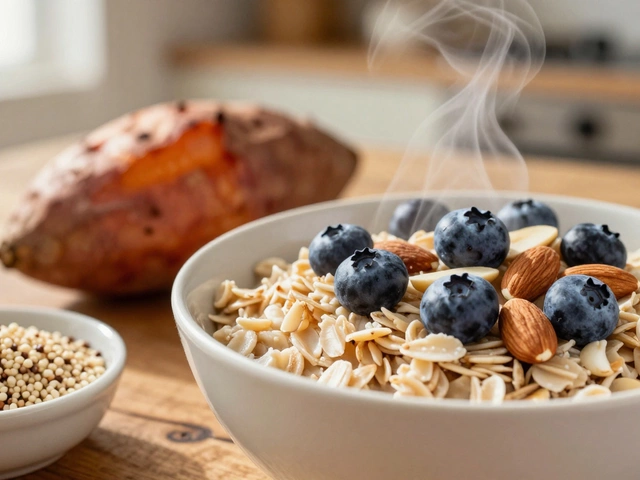
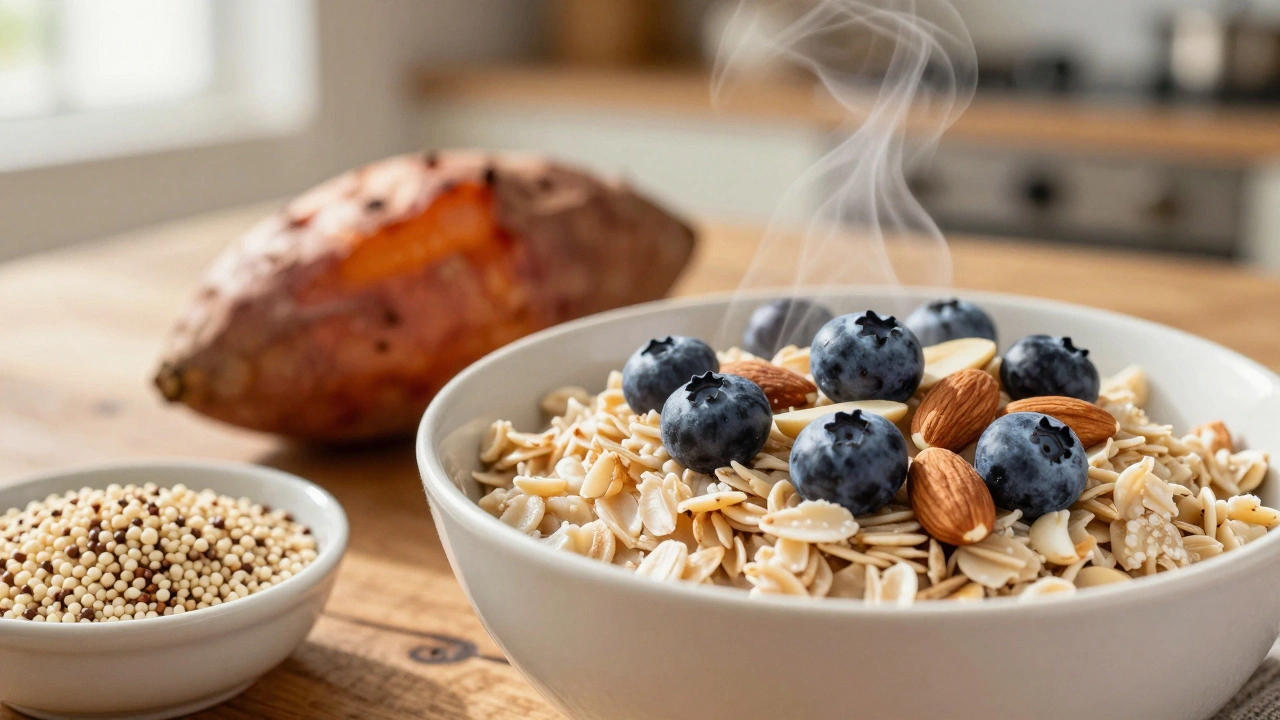
Oats are a classic for a reason. A bowl of steel-cut oats provides beta-glucan, a type of soluble fiber that stabilizes blood sugar. Unlike instant oatmeal packets loaded with sugar, plain oats take longer to break down. Pair them with some berries for antioxidants, and you’ve got a meal that will power you through a morning hike or a heavy gym session.
Sweet potatoes are another powerhouse. They offer complex carbs along with potassium, which helps prevent muscle cramps during prolonged activity. White rice is often demonized, but for athletes, white rice is actually excellent post-workout because it replenishes glycogen stores quickly. However, for *building* baseline stamina throughout the day, stick to brown rice, quinoa, or barley. Quinoa is particularly interesting because it’s a complete protein, meaning it helps repair muscle tissue while providing energy.
- Oats: Rich in beta-glucan fiber for slow-release energy.
- Sweet Potatoes: High in complex carbs and potassium for muscle function.
- Quinoa: A complete protein grain that supports both energy and recovery.
Fats for Long-Duration Endurance
Here is a secret many fitness guides miss: fat is your primary fuel source for low-intensity, long-duration activities. Once your glycogen stores start to deplete after an hour or so of exercise, your body must burn fat to keep going. If your body isn’t efficient at burning fat, you hit the wall early.
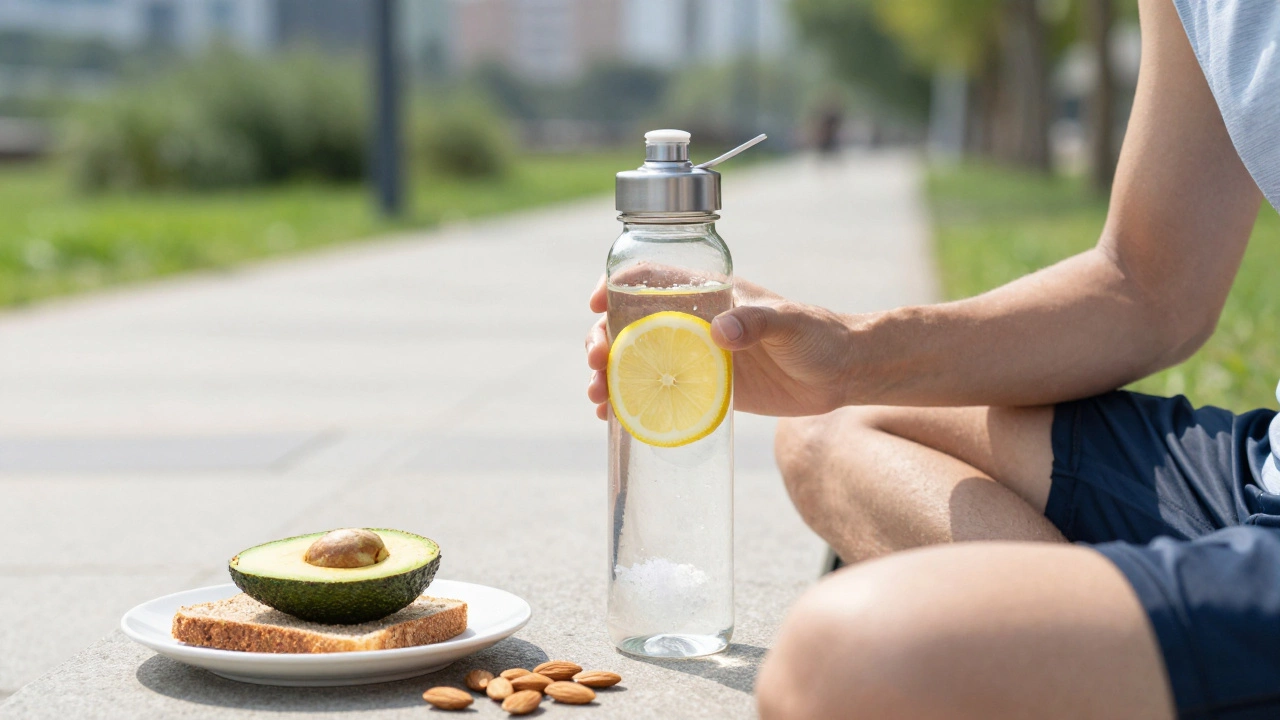
Avoiding fat entirely kills your stamina. You need healthy fats to produce hormones and support cellular health. Avocados are the gold standard here. They are packed with monounsaturated fats and electrolytes like potassium and magnesium. Eating half an avocado on toast before a long bike ride can help your body tap into its fat reserves more effectively.
Nuts and seeds are also critical. Almonds, walnuts, and chia seeds provide a dense package of calories, protein, and healthy fats. Chia seeds, in particular, absorb water and form a gel-like substance in your stomach, which aids in hydration and slows digestion further. This makes them perfect for sustained energy release. Try adding a tablespoon of chia seeds to your yogurt or smoothie. It’s a small change that can make a noticeable difference in how long you feel energized.
| Food Item | Type of Fat | Key Benefit for Stamina | Best Time to Eat |
|---|---|---|---|
| Avocado | Monounsaturated | Potassium & Magnesium for muscle function | Pre-workout (2-3 hours prior) |
| Almonds | Unsaturated | Dense calorie source with Vitamin E | Snack during long activities |
| Chia Seeds | Omega-3 | Hydration retention & anti-inflammatory | Morning breakfast or smoothies |
| Olive Oil | Monounsaturated | Heart health & metabolic efficiency | Everyday cooking |
Protein: Repair While You Go
While carbs and fats provide the fuel, protein ensures your engine doesn’t fall apart. During long periods of exertion, your body can start breaking down muscle tissue for energy if it doesn’t have enough amino acids available. This leads to weakness and slower recovery, which kills your stamina over time.
You don’t need massive amounts of protein before a workout, but having a moderate amount helps. Greek yogurt is an excellent choice. It’s high in casein protein, which digests slowly, keeping your muscles fed for hours. Lean meats like chicken breast or turkey are great for lunch if you have an afternoon training session. They are easy to digest and won’t sit heavy in your stomach.
For vegetarians or vegans, lentils and chickpeas are fantastic. They combine protein with complex carbs, making them a dual-action stamina food. A lentil soup before a long walk provides both the fuel and the building blocks your muscles need. Just be mindful of portion sizes; too much protein takes a lot of energy to digest, which can divert blood flow away from your muscles and to your gut, causing discomfort.
Hydration and Electrolytes: The Invisible Fuel
You can eat the perfect diet, but if you’re dehydrated, your stamina will plummet. Water makes up a significant portion of your blood volume. When you’re dehydrated, your blood becomes thicker, forcing your heart to work harder to pump oxygen to your muscles. This increases your perceived effort level, making everything feel harder.
But water alone isn’t always enough, especially if you’re sweating heavily. You lose electrolytes-sodium, potassium, magnesium, and calcium. Without these, your nerves and muscles can’t communicate properly, leading to cramps and fatigue. Coconut water is a natural alternative to sports drinks. It’s high in potassium and contains natural sugars for quick energy. For intense sessions, adding a pinch of sea salt to your water can help retain fluid and maintain electrolyte balance.
In Adelaide’s hot summers, this is crucial. Even mild dehydration of 2% can reduce physical performance by up to 20%. Keep a water bottle with you always. Sip consistently rather than chugging large amounts at once. Your body absorbs water better in smaller, frequent doses.
Timing Is Everything
What you eat is important, but when you eat it is equally critical. Eating a heavy meal right before exercising is a recipe for disaster. Your body diverts blood to your digestive system, leaving your muscles starved of oxygen. This leads to sluggishness and potential nausea.
Here is a simple rule of thumb:
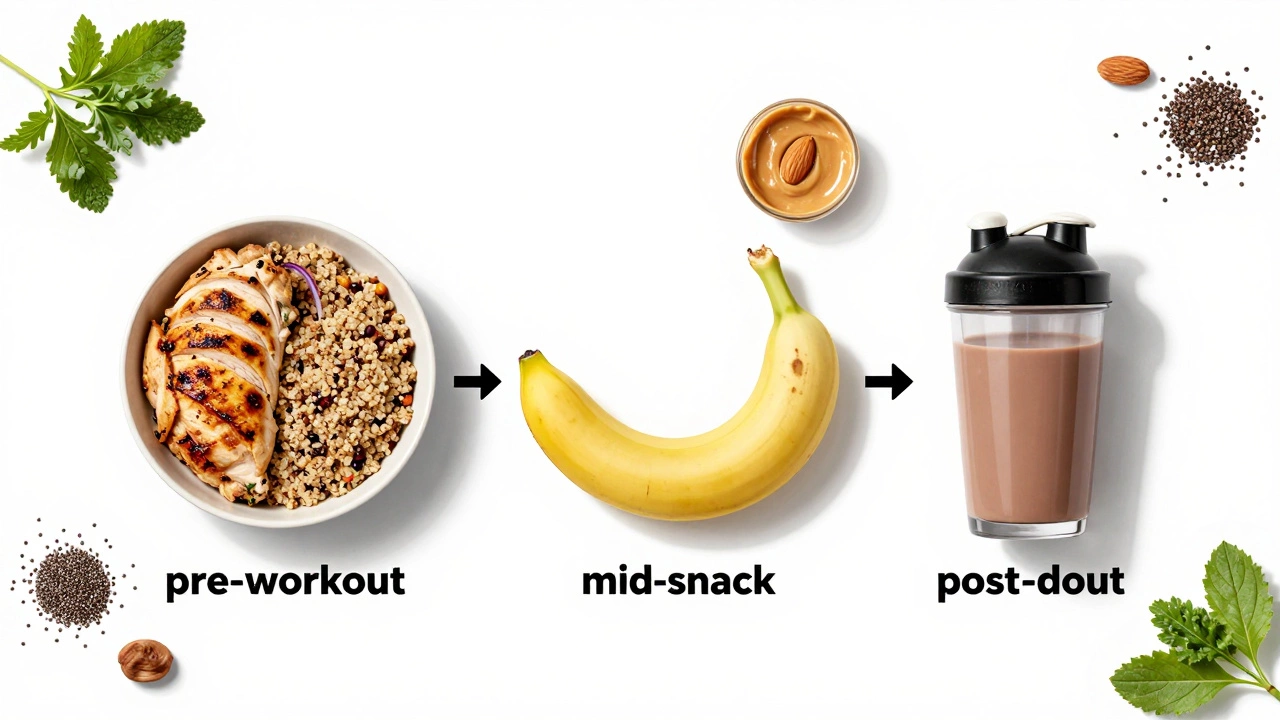
- 3-4 hours before: Eat a balanced meal with complex carbs, lean protein, and healthy fats. Example: Grilled chicken with quinoa and steamed broccoli.
- 1-2 hours before: Have a smaller snack focused on carbs and light protein. Example: Banana with a teaspoon of almond butter.
- 30 minutes before: Stick to easily digestible carbs if needed. Example: A piece of fruit or a few crackers.
- During activity: For activities under an hour, water is usually sufficient. For longer sessions, consume 30-60 grams of carbs per hour. Example: Dates, dried fruit, or energy chews.
- Post-workout: Replenish glycogen and repair muscle within 30-60 minutes. Example: Chocolate milk or a protein shake with a banana.
This timing strategy ensures that your blood sugar remains stable and your muscles are primed for action. Experiment with these windows to find what works best for your digestive system. Everyone’s gut tolerance is different.
Foods to Avoid for Better Stamina
Knowing what to avoid is just as important as knowing what to eat. Certain foods sabotage your energy levels by causing inflammation, bloating, or blood sugar crashes.
- Processed Sugars: Candy, soda, and pastries cause rapid spikes and crashes. They provide empty calories with no nutritional value.
- Heavy Fats: Fried foods and fatty cuts of meat take a long time to digest. They can make you feel sluggish and lethargic.
- Excessive Fiber Before Activity: While fiber is good, eating a huge bowl of bran cereal right before a run can cause gastrointestinal distress. Save the high-fiber foods for later in the day.
- Caffeine Overload: While caffeine can boost performance, too much can lead to jitters, increased heart rate, and dehydration. Stick to moderate amounts.
Avoiding these pitfalls helps maintain a steady energy baseline. Consistency is key. Your body adapts to what you feed it regularly. If you constantly bombarded it with junk, it learns to rely on inefficient energy pathways. Feed it clean, whole foods, and it will reward you with sustained power.
Personalizing Your Stamina Diet
There is no one-size-fits-all approach. An endurance runner needs more carbohydrates than a weightlifter. A person living in a cold climate might need more fats for warmth and energy density than someone in a tropical zone. Listen to your body. Pay attention to how you feel after different meals. Do you feel energized or sleepy? Do you have gas or bloating?
Keep a food diary for a week. Track what you eat and your energy levels throughout the day. You’ll likely spot patterns. Maybe you crash every time you eat white bread. Maybe you thrive on eggs and avocado for breakfast. Use this data to tweak your diet. Small adjustments can lead to significant improvements in your stamina and overall well-being.
Remember, building stamina is a marathon, not a sprint. It takes time for your body to adapt to new fuel sources. Be patient, stay consistent, and focus on whole, nutrient-dense foods. Your body will thank you with boundless energy and resilience.
Can I build stamina without changing my diet?
You can improve cardiovascular fitness through exercise, but optimal stamina requires proper fueling. Poor nutrition limits your body's ability to recover and sustain energy, capping your potential progress.
What is the best pre-workout meal for stamina?
A meal rich in complex carbohydrates and moderate protein, eaten 2-3 hours before exercise. Examples include oatmeal with berries and nuts, or whole-grain toast with avocado and egg.
How does hydration affect stamina?
Dehydration thickens blood, forcing the heart to work harder to deliver oxygen. Even mild dehydration (2%) can reduce physical performance by up to 20%, leading to early fatigue.
Are supplements necessary for building stamina?
Supplements are not strictly necessary. Whole foods provide a broader spectrum of nutrients. However, electrolyte powders or creatine may benefit specific athletic goals if dietary intake is insufficient.
Why do complex carbs last longer than simple sugars?
Complex carbs contain fiber, which slows digestion. This results in a gradual release of glucose into the bloodstream, providing sustained energy. Simple sugars are digested quickly, causing rapid spikes and crashes.