Boxing Scorecard Simulator
Match Configuration
Official Scorecard
Configure the rounds on the left and click calculate to see the result.
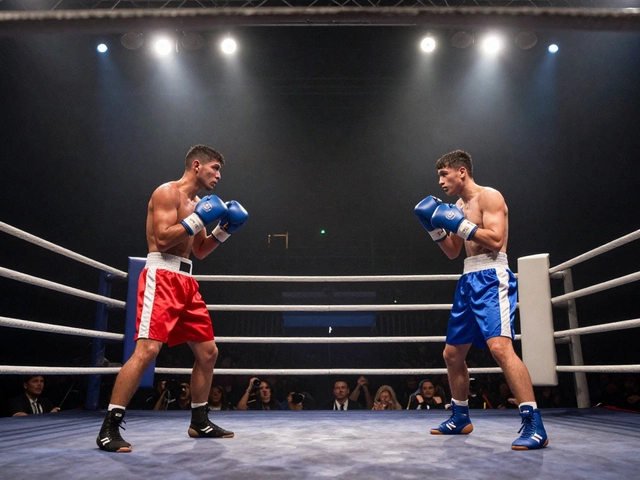
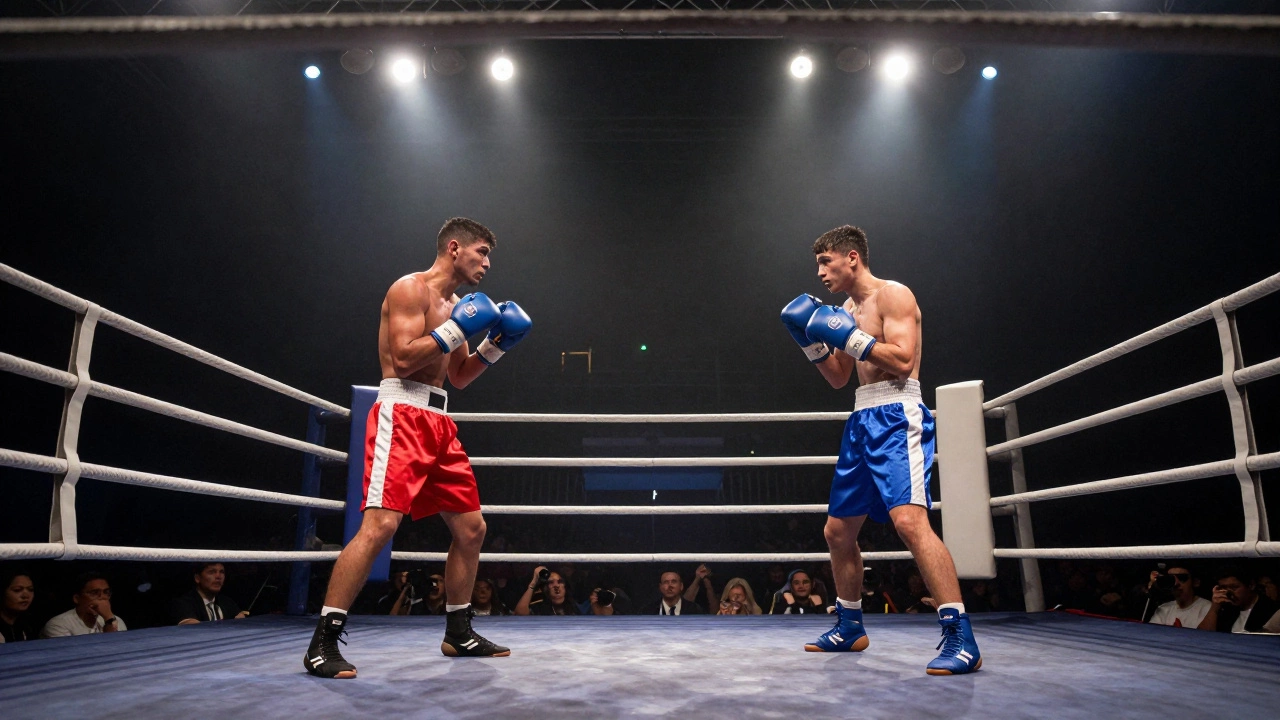
Ever watched two fighters circle each other in a ring, gloves raised, waiting for the bell to ring? That’s a boxing match, also known as a bout or a fight. It is a regulated combat sport where two athletes compete using only their fists, wearing protective gloves. But what exactly makes it a "match" rather than just a brawl? The answer lies in the strict rules, the structure of rounds, and the specific ways a winner is determined.
Whether you are a new fan trying to understand why a referee stopped a fight, or someone curious about the difference between Olympic boxing and professional bouts, understanding the mechanics of a boxing match is key. This guide breaks down everything from the basic definition to the complex scoring systems that decide who walks away with the belt.
The Core Definition: What Makes It a Boxing Match?
At its simplest, a boxing match is a contest between two boxers within a square ring, supervised by officials. However, not every punch thrown counts. To be considered a valid boxing match under modern standards (governed by bodies like the International Boxing Association (AIBA) for amateurs or various commissions for pros), several conditions must be met.
- Protective Gear: Fighters wear padded gloves to reduce injury. In professional boxing, these are usually 8-10 ounces; in amateur boxing, they are heavier (10-12 ounces).
- The Ring: The action takes place in a roped-off square platform, typically 16 to 24 feet wide. The ropes keep the fighters in bounds.
- Officials: A referee controls the flow, ensures safety, and enforces rules. Judges score the fight if it goes the distance.
- Weight Classes: Boxers compete against opponents of similar weight to ensure fairness. There are currently 17 recognized weight classes in professional boxing, ranging from Minimumweight (up to 105 lbs) to Heavyweight (over 200 lbs).
If any of these elements are missing, it isn’t a sanctioned boxing match-it might be street fighting, MMA, or bare-knuckle boxing, which have different rulesets entirely.
Amateur vs. Professional: Two Different Sports?
One of the biggest confusions for newcomers is the stark difference between amateur and professional boxing matches. While both involve punching, the objectives and structures are nearly opposite.
| Feature | Amateur Boxing (Olympic Style) | Professional Boxing |
|---|---|---|
| Objective | Score points with clean hits | Dominance, damage, and winning |
| Rounds | 3 rounds of 3 minutes | Up to 12 rounds of 3 minutes |
| Gloves | Heavier (10-12 oz) + Headgear | Lighter (8-10 oz) + No Headgear |
| Scoring | 10-point must system (simplified) | 10-point must system (detailed) |
| Stances | Often upright, jab-focused | Crouched, defensive, body-heavy |
In amateur boxing, the goal is to land more punches than your opponent. You tap your opponent after a hit to register the point, then return to the center. Headgear is mandatory to protect against cuts and concussions. In professional boxing, there is no headgear, and the goal is to dominate. Professionals throw combinations, aim for the body to tire out opponents, and use defense to counter-attack. The stakes are higher, and the fights are longer.
How a Boxing Match Is Structured: Rounds and Rest
A boxing match is divided into timed intervals called rounds. This structure allows fighters to recover slightly while maintaining high intensity. Here is how the timing works:
- The Round: Each round lasts exactly 3 minutes. A bell signals the start and the end.
- The Break: Between rounds, fighters have 1 minute of rest. They sit on stools, receive water, ice, and tactical advice from their corner team (trainer and cutman).
- Total Duration:
- Amateur fights: Always 3 rounds.
- Professional fights: Can range from 4 rounds (early career) to 12 rounds (title fights). Most non-title professional bouts are scheduled for 6, 8, or 10 rounds.
Why 12 rounds? Historically, fights went until one man could no longer continue, leading to gruesome injuries. In 1982, following the tragic death of boxer Kim Duk-koo, the World Boxing Council (WBC) mandated that championship fights be limited to 12 rounds. Non-title fights often stop earlier to reduce risk.
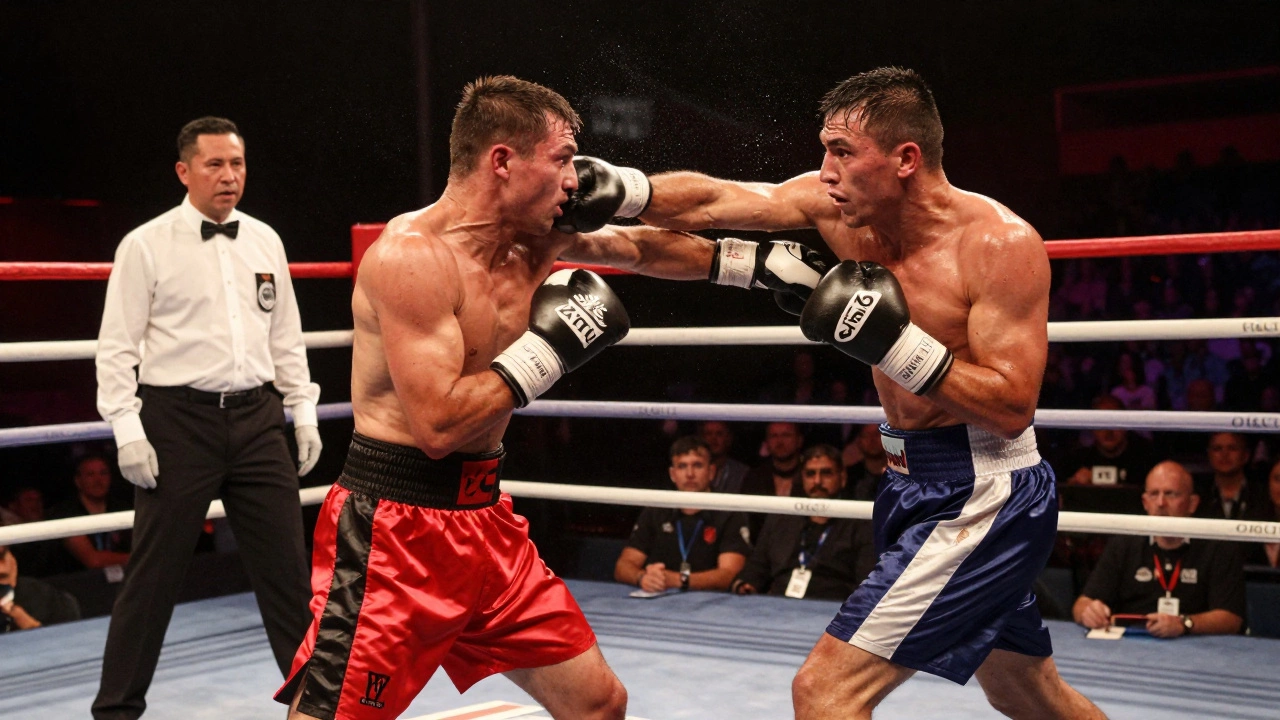
Winning a Boxing Match: The Four Ways
How does a boxing match end? There are four primary outcomes. Understanding these helps you appreciate why a referee steps in or why judges raise a hand.
1. Knockout (KO)
A knockout occurs when a fighter is knocked down by a legal punch and cannot rise before the referee counts to ten. If the fighter stands up but is clearly unable to defend themselves, the referee can also stop the fight immediately, which is technically a TKO but often recorded as a KO depending on the sanctioning body.
2. Technical Knockout (TKO)
This is the most common way professional fights end. A TKO happens when:
- The referee determines a fighter is taking too much damage and cannot continue safely.
- A fighter’s corner throws in the towel (signals surrender) to save their fighter from further harm.
- A fighter suffers a severe cut that prevents them from continuing.
3. Decision
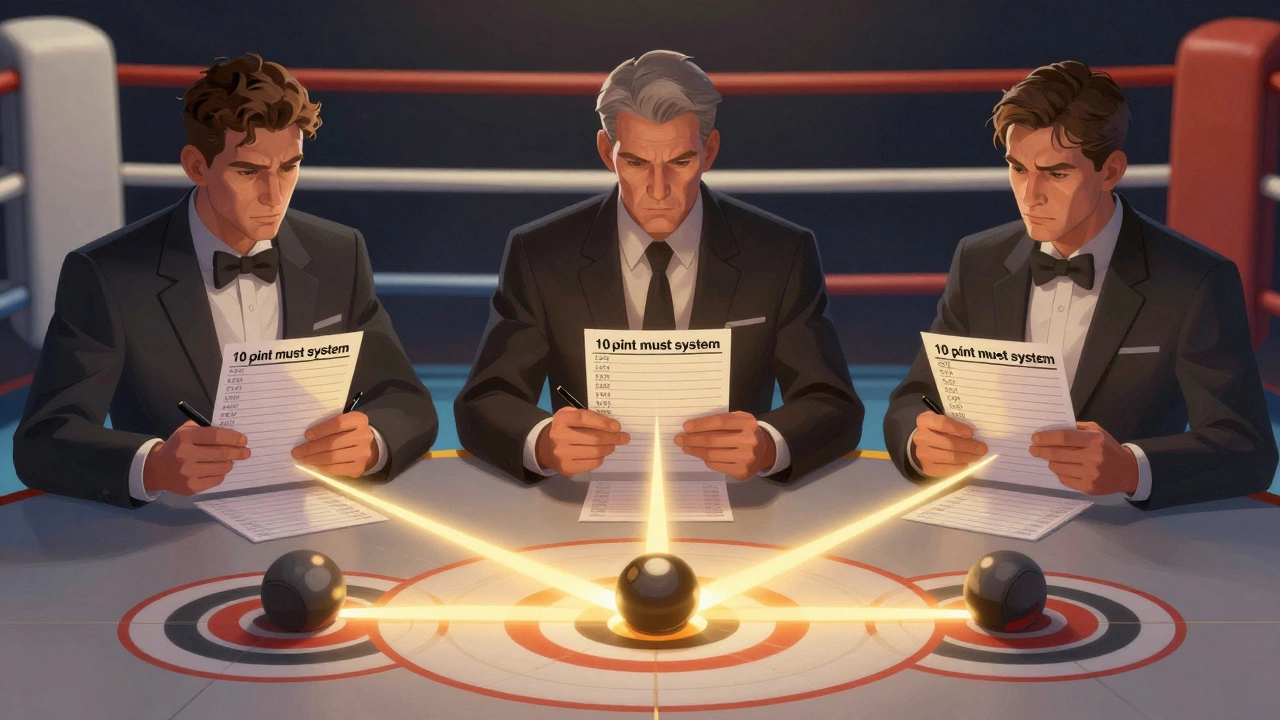
If the fight goes the full scheduled number of rounds without a knockout, the judges decide the winner. Each judge scores every round independently using the 10-point must system. The winner of a round gets 10 points; the loser gets 9 (or fewer if they were knocked down). At the end of the fight, the scores are added up. If all three judges agree on the winner, it’s a Unanimous Decision. If two agree and one disagrees, it’s a Split Decision. If each judge picks a different winner (rare), it’s a Majority Draw or Split Draw.
4. Disqualification (DQ)
A fighter can lose by DQ if they repeatedly break the rules. Common fouls include hitting below the belt, hitting the back of the head, holding and hitting, or using excessive force. After warnings, a second offense can lead to point deductions, and persistent foul play results in disqualification.
The Role of Officials: Referee, Judges, and Timekeeper
A boxing match doesn’t run itself. Three key officials ensure fairness and safety:
- The Referee: Inside the ring, watching every punch. Their job is to enforce rules, count knockdowns, and protect fighters. They can warn, deduct points, or stop the fight.
- The Judges: Seated outside the ring, scoring each round based on effective aggression, ring generalship, defense, and clean punching. They do not intervene in the fight.
- The Timekeeper: Controls the bells and monitors the clock. They signal the start/end of rounds and the one-minute breaks.
In major professional bouts, a fourth official-the Ring Doctor-stands ready to examine cuts and assess concussion risks between rounds.
Common Fouls and Penalties
Boxing has strict rules to protect fighters. Violating them can cost you the match. Here are the most common fouls:
- Hitting Below the Belt: Punches to the groin are illegal and dangerous.
- Holding Clinching: Wrapping arms around an opponent to smother attacks is allowed briefly, but prolonged holding without striking leads to a break command.
- Hitting the Back of the Head/Neck: Known as "rabbit punching," this is strictly forbidden due to spinal injury risk.
- Using the Elbow: Strikes must be made with the knuckles of the glove, not the elbow or forearm.
- Pushing Off the Ropes: Using the ropes to generate extra power for a punch is illegal.
Penalties escalate from verbal warnings to point deductions (usually 1 point per offense) to disqualification. A deducted point can change the outcome of a close decision fight.
Why Weight Classes Matter
You won’t see a 130-pound fighter competing against a 250-pound fighter in a legitimate boxing match. Weight classes exist to ensure competitive balance and safety. The World Boxing Association (WBA), World Boxing Council (WBC), International Boxing Federation (IBF), and World Boxing Organization (WBO) all recognize 17 weight divisions.
Fighters "make weight" by cutting water and food before weigh-ins, which happen 24 hours before the match. If a fighter fails to make weight, they may be fined, stripped of title chances, or forced to vacate the purse. This process is controversial but remains standard practice.
Mini-FAQ: Common Questions About Boxing Matches
What is the difference between a KO and a TKO?
A Knockout (KO) means the fighter was knocked down and failed to stand up before the referee counted to ten. A Technical Knockout (TKO) means the referee, doctor, or corner stopped the fight because the fighter was taking too much damage or couldn't defend themselves, even if they weren't knocked down for the full ten-count.
How many rounds are in a professional boxing match?
Most professional boxing matches are scheduled for 4, 6, 8, 10, or 12 rounds. Title fights are almost always 12 rounds. Early-career prospects often fight 4-round bouts. The maximum limit for any professional fight is 12 rounds.
Can you kick in a boxing match?
No. Kicking, kneeing, elbowing, or head-butting is strictly prohibited in boxing. These actions result in immediate penalties, point deductions, or disqualification. Only punches thrown with the closed fist above the waistline are legal.
What happens if a boxer misses weight?
If a boxer fails to make the required weight limit, they face consequences such as losing a percentage of their purse (fight money), being barred from competing for a title, or having the fight canceled. The exact penalty depends on the commission and contract terms.
Why do boxers wear headgear in amateur fights but not pro fights?
Amateur boxing prioritizes participation and safety, so headgear reduces cuts and superficial injuries. Professional boxing removed headgear decades ago because it can cause overheating, restrict vision, and create a false sense of security. Pros rely on better defense and conditioning instead.
Next Steps for New Fans
If you want to watch a boxing match with confidence, start by observing the stance. Does the fighter favor one hand (orthodox) or the other (southpaw)? Watch how they move-are they aggressive or counter-punching? Pay attention to the referee’s instructions during clinches. Over time, you’ll notice patterns: which fighters conserve energy for later rounds, and which ones try to finish early. Understanding these dynamics turns a simple fight into a strategic chess match played with fists.