
Tennis Viewing Stack Builder
Not sure which services you need? Answer these three questions to build your personalized tennis viewing stack for 2026.
Essential Services
Estimated Monthly Cost
$0
USD equivalent (varies by region)Coverage Notes
Imagine it’s the third set of a Wimbledon final. The score is tied at 5-5. You’re on your couch, remote in hand, and you realize you have no idea which channel actually has the signal. Maybe it’s ESPN, maybe it’s Eurosport, or maybe it’s buried inside a niche app you forgot about until now. This scenario plays out every week during the ATP Tour and the women's professional tennis circuit. Finding where to watch all tennis matches isn’t just about having one subscription; it’s about navigating a fragmented landscape of rights holders that changes depending on where you live and what tournament is playing.
The good news? You don’t need five different subscriptions to catch every serve and volley. With the right combination of mainstream sports networks and specialized streaming platforms, you can cover Grand Slams, Masters 1000 events, and even smaller Challenger tournaments without breaking the bank. Let’s break down exactly how to build your tennis viewing setup so you never miss a match again.
Understanding the Rights Landscape
Tennis broadcasting rights are notoriously complex because they aren’t owned by a single league like the NFL or NBA. Instead, each major tournament negotiates its own deals. For instance, the four Grand Slam tournaments-Australian Open, French Open, Wimbledon, and US Open-each have distinct broadcast partners globally. In the United States, ESPN holds exclusive rights to three of these majors, while Amazon Prime Video secured the rights to the French Open starting in 2025. This means if you want to watch Roland Garros, you might need an Amazon account, but for Wimbledon, you’ll likely need ESPN+ or ABC.
Beyond the Slams, the regular tour is split between the men’s ATP and the women’s WTA. These tours have entered multi-year partnerships with global broadcasters. Understanding who owns what helps you avoid paying for duplicate services. If you only care about the top 10 players, you might get away with fewer subscriptions than someone who wants to watch early-round qualifiers or doubles finals.
Major Broadcasters by Region
Your location dictates your primary options. Here is how the major markets handle tennis coverage as of late 2026:
| Region | Grand Slams | ATP/WTA Regular Tour | Key Platform |
|---|---|---|---|
| United States | ESPN, ABC, Amazon Prime Video | ESPN+, Tennis Channel | ESPN+ |
| United Kingdom | BBC (free), Sky Sports | Amazon Prime Video, TNT Sports | Amazon Prime Video |
| Australia | Channel 9, Stan Sport | Stan Sport | Stan Sport |
| Europe (General) | Eurosport, Discovery+ | Eurosport, DAZN | Discovery+ |
In the UK, the situation is particularly interesting because the BBC retains free-to-air rights for Wimbledon. This means British viewers can watch the entire championship without paying a dime, provided they have a TV license. However, other Grand Slams and the bulk of the weekly tour action have moved behind paywalls, primarily on Amazon Prime Video and TNT Sports. If you are outside these regions, check if your local cable provider bundles these channels into their basic sports package.
The Power of Dedicated Tennis Channels
If you are a die-hard fan who wants more than just the headline matches, dedicated tennis channels are essential. The Tennis Channel is the gold standard here. It doesn’t just show live matches; it provides deep analysis, classic replays, and coverage of lower-tier tournaments that mainstream networks ignore. While the Tennis Channel is often included in premium cable packages, many cord-cutters access it through streaming aggregators like YouTube TV, Hulu + Live TV, or Sling TV.
Why bother with a dedicated channel when ESPN covers the big games? Because volume matters. During a typical week, there might be 40 simultaneous matches happening across various courts. Mainstream networks pick two or three. Tennis Channel picks ten or fifteen, including lesser-known players who might be upsets waiting to happen. If you enjoy scouting future stars or watching doubles specialists, this breadth of coverage is worth the extra monthly fee.

Streaming Services and Aggregators
For those who have cut the cord entirely, building a custom bundle is the most cost-effective strategy. You don’t need every service; you need the ones that hold the rights to the specific events you care about.
- ESPN+: Essential for US viewers. It carries the Australian Open, Wimbledon, and US Open, plus most ATP and WTA events not shown on linear ESPN. Note that some marquee matches may still air on the main ESPN network, requiring a separate login via a traditional cable provider or a virtual MVPD.
- Amazon Prime Video: A strong choice for European fans and increasingly relevant in the US due to its growing portfolio of sports rights. It offers high-quality production values and often includes alternative commentary tracks.
- DAZN: Popular in Europe and Canada for boxing and MMA, but also holds significant tennis rights in certain territories. Check their current schedule before subscribing, as rights shift annually.
- Peacock: Occasionally hosts select tennis events, though its primary focus remains Premier League soccer. Keep an eye on their sports section during off-peak seasons.
A pro tip: monitor the "Watch" sections of these apps during non-tournament weeks. They often run documentaries or highlights that keep your engagement high without requiring additional purchases. Also, look for annual billing discounts. Paying for six months upfront rather than monthly can save you 20-30% on services like ESPN+ or Discovery+.
Catching Up on Missed Action
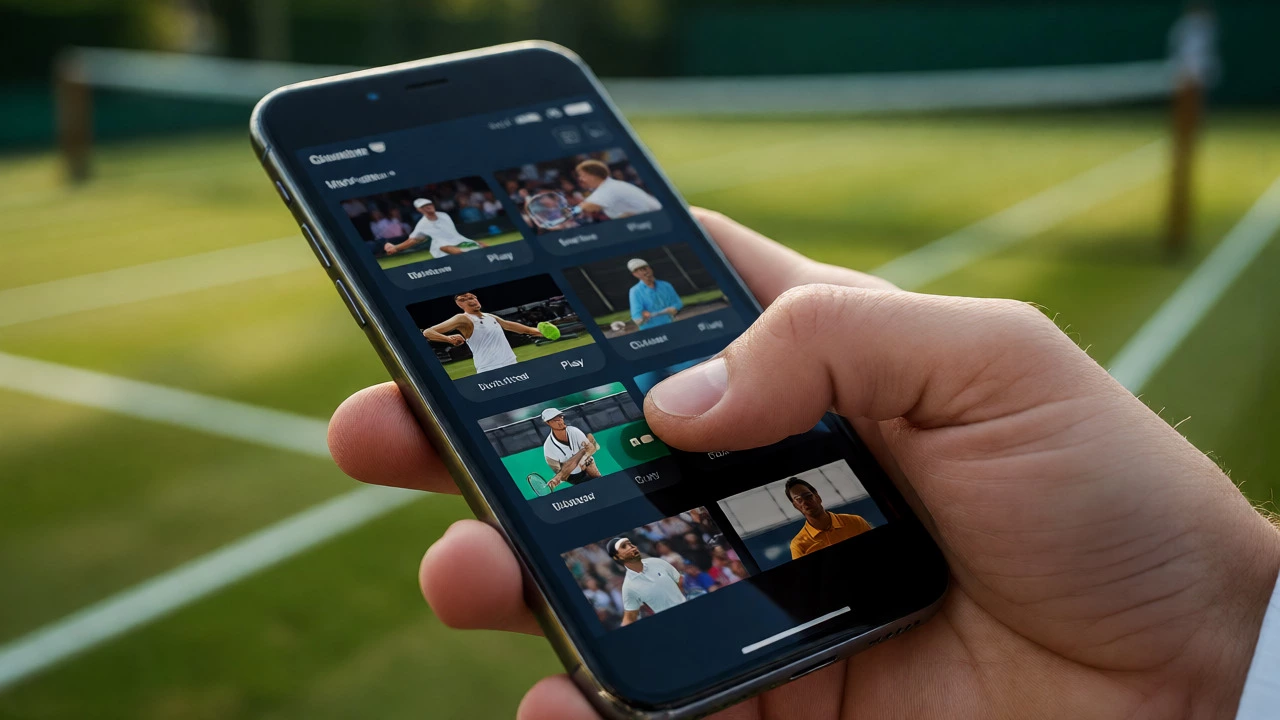
Live tennis is unpredictable. Matches can start late, go long, or overlap with your dinner plans. Fortunately, most modern platforms offer robust on-demand libraries. If you missed the semifinals, you can usually find full-match replays within hours of completion. Some services even offer condensed versions, cutting out dead time between points to give you a 90-minute recap instead of a three-hour slog.
However, not all replays are created equal. Grand Slam organizers often restrict replay availability to protect the value of live broadcasts. For example, Wimbledon might limit full-match replays to subscribers of its official app for a limited window. Always check the platform’s help center for specific retention policies if you plan to binge-watch past tournaments.
International Viewers and Geo-Blocks
If you travel frequently or live in a country with limited coverage, geo-blocking becomes a hurdle. A stream available in London might be inaccessible in Tokyo. Using a reliable VPN can sometimes bypass these restrictions, allowing you to access home-country broadcasts. But be cautious: sports leagues actively crack down on unauthorized streaming, and using a VPN might violate terms of service. It’s safer to rely on international broadcasters like Eurosport, which operates in over 50 countries and offers localized commentary.
Another option is the official tour websites. Both the ATP and WTA offer digital passes that grant access to live streams of matches not covered by local TV. These "Tour Passes" are expensive but comprehensive, ideal for expats or hardcore fans who want zero blackouts. Just remember that audio commentary might be in English regardless of your location, which can feel odd if you’re used to local punditry.
Building Your Personal Tennis Viewing Stack
You don’t need everything. Start with the basics and add layers based on your interest level.
- Casual Viewer: Stick to free-to-air channels (like BBC in the UK) and use social media highlights for daily updates. No subscription needed.
- Regular Fan: Subscribe to one major aggregator (e.g., ESPN+ in the US or Discovery+ in Europe). This covers 80% of matches you’ll care about.
- Superfan: Combine a major aggregator with a dedicated tennis channel (Tennis Channel) and consider an official Tour Pass for complete coverage. Add a second screen app for real-time stats and betting odds.
This tiered approach prevents subscription fatigue. You’re paying for value, not just content volume. And remember, rights deals change. What works in 2026 might shift in 2027, so review your subscriptions annually during the offseason.
Can I watch all tennis matches on Netflix?
No, Netflix does not currently hold live broadcasting rights for major tennis tournaments. Their sports content is mostly documentary-style series like "Break Point," which provide behind-the-scenes access but do not replace live match viewing.
Is there a single app that shows every tennis match globally?
Not really. Due to regional licensing agreements, no single app covers every match everywhere. The closest options are the official ATP and WTA Tour Passes, but these vary in availability by country and often exclude Grand Slams, which have separate broadcast deals.
How much does it cost to watch all ATP and WTA matches?
Costs vary by region. In the US, combining ESPN+ and Tennis Channel via a streaming bundle typically costs between $30 and $50 per month. In Europe, Discovery+ or Eurosport subscriptions range from €10 to €20 monthly, though additional fees may apply for premium features or multiple devices.
Do I need a cable subscription to watch the Tennis Channel?
No. Many virtual multichannel video programming distributors (vMVPDs) like YouTube TV, Hulu + Live TV, and FuboTV include the Tennis Channel in their base packages. Standalone Tennis Channel Plus subscriptions are also available for direct-to-consumer viewing.
Are Grand Slam matches available for free anywhere?
In the UK, the BBC broadcasts Wimbledon for free. In Australia, Channel 9 airs the Australian Open. In the US, some early rounds of the US Open and Wimbledon air on ABC, which is accessible via an antenna, but the majority of coverage requires a paid subscription to ESPN+ or a cable package.