
4-Month Fitness Transformation Planner
Your Baseline Stats
Your Weekly Targets
The 16-Week Roadmap
Habit Engine
- ✔ 3x Strength Training
- ✔ Focus: Compound Movements
- ✔ Sleep 7+ hours
Progressive Overload
- ➤ 4x Strength + Split Routine
- ➤ Add Zone 2 Cardio
- ➤ Cut liquid calories
Peak Intensity
- ⚡ 5th Workout Day Added
- ⚡ HIIT or Active Recovery
- ⚡ Refine Form & Mind-Muscle
Refinement
- 🔥 Supersets & Unilateral Moves
- 🔥 Minimize Processed Food
- 🔥 Lock in Habits
Enter your stats to generate your personalized 4-month roadmap.
Four months. That’s sixteen weeks. It sounds like an eternity when you’re staring at the scale today, but it flies by faster than a HIIT session if you aren’t paying attention. The short answer to whether you can get "really fit" in that window is yes. But we need to define what "really fit" actually means for your body, because social media lies to you about timelines.
If you want to go from sedentary to running a marathon, four months is risky. If you want to drop twenty pounds of fat and build noticeable muscle definition while feeling energetic enough to play with your kids or crush a weekend hike, four months is the perfect sweet spot. It is long enough to rewire your habits but short enough to keep you from burning out before you see the mirror change.
The Science of Speed: Why 16 Weeks Works
Your body adapts quickly, especially if you are new to training. This is called the "newbie gains" phase. In the first twelve to sixteen weeks of consistent resistance training, your nervous system learns how to recruit muscle fibers more efficiently. You don't just look better; you move better. Studies on body recomposition show that untrained individuals can lose significant fat mass while simultaneously gaining lean muscle tissue during this initial period, provided their protein intake and training volume are dialed in correctly.
Think of it like learning a language. The first few months are where you learn the vocabulary and basic grammar. After that, progress slows down as you try to master nuances. In fitness, those first four months are your vocabulary phase. You are building the foundation. If you nail these sixteen weeks, you set yourself up for years of health. If you mess them up, you might quit entirely.
Is 4 months enough time to see visible abs?
For many people, yes, but it depends on your starting body fat percentage. If you are already relatively lean, four months of strict dieting and core work can reveal abdominal definition. If you have a higher body fat percentage, you will likely see significant fat loss and toning, but full six-pack visibility might take longer. Consistency is the deciding factor.
Phase 1: Weeks 1-4 - Building the Habit Engine
The biggest mistake people make is going too hard, too fast. They join the gym, lift heavy weights they can’t control, eat zero carbs, and burn out by week three. Your goal in the first month isn’t to transform your body; it’s to transform your identity. You need to prove to yourself that you show up.
Start with three days of strength training per week. Focus on compound movements: squats, push-ups, rows, and lunges. These exercises use multiple muscle groups and give you the most bang for your buck. Keep the intensity moderate. You should finish a workout feeling tired but not destroyed. If you are sore for three days straight, you went too hard. Recovery is where the growth happens.
Nutrition-wise, don’t overhaul your entire diet overnight. Just start tracking your protein. Aim for roughly 1.6 grams of protein per kilogram of body weight. This simple change alone helps preserve muscle while you start moving more. Drink water. Lots of it. Sleep seven hours. These basics sound boring, but they are the difference between success and injury.
Phase 2: Weeks 5-8 - Progressive Overload
Now that your body has adjusted to the routine, it’s time to challenge it. This is where the concept of progressive overload comes in. You must do slightly more than you did last week. This doesn’t mean adding fifty pounds to the barbell. It could mean doing two more reps, reducing rest time between sets, or improving your form so you engage the target muscles more deeply.
Increase your strength training to four days a week. Introduce a split routine. Maybe Monday and Thursday focus on upper body, while Tuesday and Friday focus on lower body. Add some cardio, but keep it strategic. Two sessions of Zone 2 cardio (where you can hold a conversation but it feels slightly strained) for thirty minutes each will boost your heart health without interfering with your muscle recovery.
Your nutrition needs to tighten up now. Create a slight caloric deficit if your goal is fat loss. Cut out liquid calories-soda, sugary coffees, excessive alcohol. Replace processed snacks with whole foods like fruit, nuts, and yogurt. You will notice your energy levels stabilizing. The mid-afternoon crash starts to disappear.
Phase 3: Weeks 9-12 - Peak Intensity
This is the hardest phase. The novelty has worn off. The easy weight loss is done. Now you are fighting against plateaus. This is where most people quit. Don’t be most people. Push through.
Increase your training volume. Add a fifth day of exercise, perhaps a lighter active recovery day with yoga or swimming, or a high-intensity interval training (HIIT) session. On your strength days, try to hit personal bests on your main lifts. Focus on mind-muscle connection. When you do a bicep curl, feel the bicep working. When you squat, feel your glutes and quads drive the movement. Quality over quantity.
Dietarily, ensure you are hitting your protein goals every single day. If you stall on weight loss, reduce carbohydrates slightly around workouts rather than cutting them entirely. Your brain needs glucose. Starving yourself leads to binge eating. Eat enough to fuel your performance, but little enough to force your body to burn stored fat.
Phase 4: Weeks 13-16 - Refinement and Definition
You are in the home stretch. Your body looks different. Clothes fit differently. People might even comment on it. Use this momentum to lock in your final results. This phase is about polishing.
Maintain your strength training frequency but vary the stimuli. Try supersets (doing two exercises back-to-back with no rest) to increase metabolic demand. Incorporate more unilateral movements like single-leg deadlifts or one-arm rows to fix any imbalances that may have developed. These small tweaks prevent injuries and ensure symmetrical development.
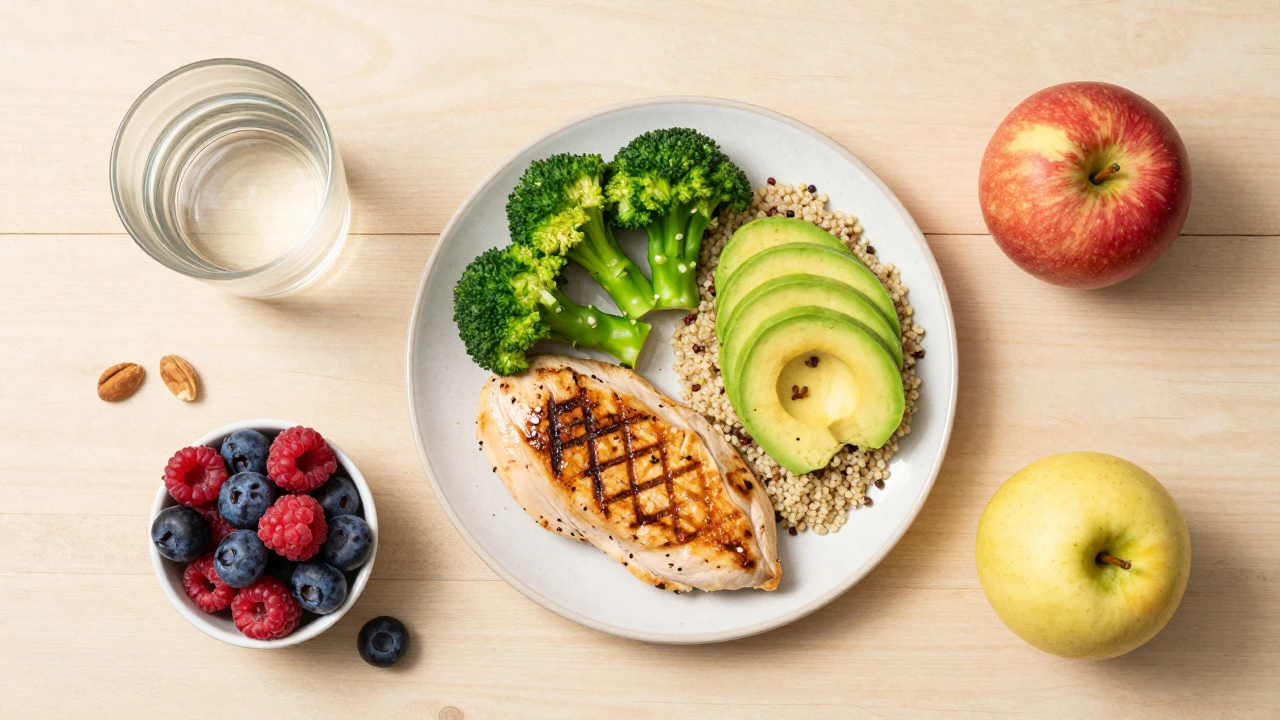
Clean up your diet completely. Minimize processed foods. Focus on colorful vegetables, lean proteins, and healthy fats. Stay hydrated. Monitor your sleep closely; stress hormones like cortisol can hold onto belly fat. If you are stressed, add ten minutes of meditation or deep breathing before bed. Mental clarity supports physical transformation.
| Weeks | Focus Area | Key Actions |
|---|---|---|
| 1-4 | Habit Formation | 3x strength training, track protein, sleep 7+ hours |
| 5-8 | Progressive Overload | 4x strength training, add Zone 2 cardio, cut liquid calories |
| 9-12 | Peak Intensity | Add 5th workout day, refine form, manage carb intake |
| 13-16 | Refinement | Vary stimuli (supersets), fix imbalances, minimize processed food |
Nutrition: The Fuel Behind the Fire
You cannot out-train a bad diet. Period. No matter how much you sweat in the gym, if you are eating in a surplus, you won’t lose fat. Conversely, if you don’t eat enough protein, you won’t build muscle. Nutrition is 70% of the battle.
Calculate your Total Daily Energy Expenditure (TDEE). There are free calculators online. If you want to lose fat, subtract 300-500 calories from that number. If you want to gain muscle, add 200-300 calories. Adjust based on weekly weigh-ins. Weigh yourself every morning after using the bathroom and before eating. Take the average at the end of the week. Trends matter more than daily fluctuations.
Prioritize whole foods. An apple is better than apple juice. Chicken breast is better than chicken nuggets. Whole grains are better than white bread. Fiber keeps you full and aids digestion. Healthy fats from avocados, nuts, and olive oil support hormone production. Carbohydrates fuel your workouts. Balance is key.
Common Pitfalls to Avoid
Chasing Quick Fixes: Detox teas, fat burners, and extreme diets promise miracles but deliver misery. They slow your metabolism and lead to rebound weight gain. Stick to sustainable changes.
Ignoring Rest Days: Muscles grow when you rest, not when you train. If you train seven days a week with high intensity, you will get injured or burned out. Listen to your body. If you are exhausted, take a walk instead of lifting.
Comparing Yourself to Others: Social media is a highlight reel. You don’t know someone’s genetics, age, or supplement use. Compare yourself only to who you were yesterday. Progress is personal.
Perfectionism: One bad meal doesn’t ruin your progress. One missed workout doesn’t undo weeks of effort. Consistency beats perfection. Get back on track immediately after a slip-up. Don’t let a stumble become a fall.

Measuring Success Beyond the Scale
The scale is a liar. Muscle weighs more than fat by volume. You might stay at the same weight but lose inches and gain strength. Track other metrics:
- Strength Gains: Are you lifting heavier weights or doing more reps?
- Body Measurements: Measure your waist, hips, chest, arms, and thighs monthly.
- Photos: Take front, side, and back photos in the same lighting every two weeks. Visual changes are often subtle day-to-day but obvious week-to-week.
- Energy Levels: Do you feel more alert? Is your sleep deeper?
- Clothing Fit: Are your jeans looser around the waist?
These non-scale victories are real indicators of fitness. They tell a more complete story than a number on a scale ever could.
Staying Motivated When It Gets Hard
Motivation is fleeting. Discipline is reliable. Build systems that make discipline easier. Lay out your gym clothes the night before. Prep your meals on Sunday. Find a workout buddy or join a community. Accountability works.
Set mini-goals. Instead of focusing on the four-month outcome, focus on this week. Did you hit your three workouts? Did you eat enough protein? Celebrate small wins. Reward yourself with non-food treats-a massage, a new book, a movie night.
Remember why you started. Was it health? Confidence? Longevity? Keep that vision alive. Write it down. Put it on your fridge. Read it when you don’t want to go to the gym. Purpose fuels persistence.
What Happens After Month 4?
Four months is a milestone, not a finish line. If you stop training, you will lose your gains. Fitness is a lifestyle, not a destination. Transition into a maintenance phase. Reduce calorie restriction. Maintain strength training. Continue cardio for heart health. Keep evolving. Try new activities-rock climbing, martial arts, dance. Keep it fun. Keep it challenging. Keep it yours.
You have the power to change your body in sixteen weeks. It requires focus, patience, and consistency. But the reward-a healthier, stronger, more confident you-is worth every drop of sweat. Start today. Not tomorrow. Today.
How much weight can I realistically lose in 4 months?
A safe and sustainable rate of weight loss is 1-2 pounds per week. Over 16 weeks, this translates to 16-32 pounds. However, individual results vary based on starting weight, gender, age, and adherence to diet and exercise. Some may lose more initially due to water weight, while others may lose less but gain muscle, resulting in similar scale weight but improved body composition.
Do I need to go to the gym to get fit in 4 months?
No, you don't strictly need a gym membership. Bodyweight exercises like push-ups, pull-ups (using a door frame or park bar), squats, and lunges can be highly effective. Resistance bands and dumbbells can also be purchased for home use. The key is progressive overload, which can be achieved by increasing reps, slowing down movements, or reducing rest times, regardless of equipment.
Can I build muscle and lose fat at the same time in 4 months?
Yes, this is known as body recomposition. It is most common in beginners, those returning to training after a break, or individuals with higher body fat percentages. By maintaining a slight caloric deficit and consuming adequate protein (1.6-2.2g per kg of body weight) while engaging in resistance training, you can signal your body to burn fat for energy while using protein to repair and build muscle tissue.
What should I do if I miss a week of workouts?
Don't panic. Missing a week happens to everyone. Life gets busy. The key is to resume your routine as soon as possible without trying to "make up" for lost time by overtraining. Return to your normal schedule. Consistency over the long term matters far more than a single missed week. Forgive yourself and move forward.
Are supplements necessary for a 4-month transformation?
Supplements are optional, not essential. Whole foods should provide the majority of your nutrients. However, whey protein powder can help meet daily protein targets conveniently. Creatine monohydrate is one of the most researched supplements and can improve strength and muscle gains. Vitamin D is beneficial if you have limited sun exposure. Always prioritize diet and training first.