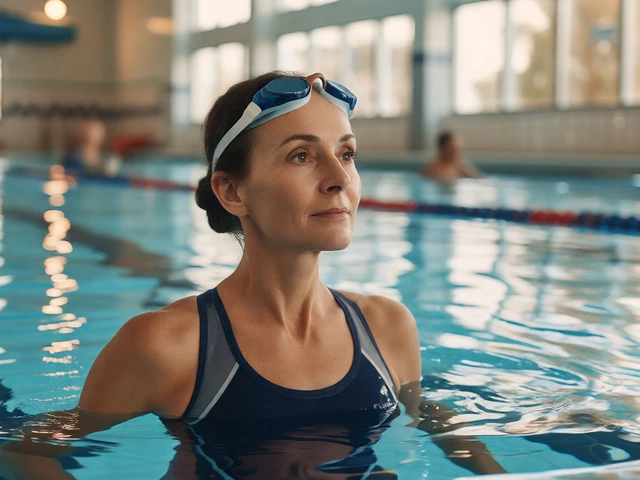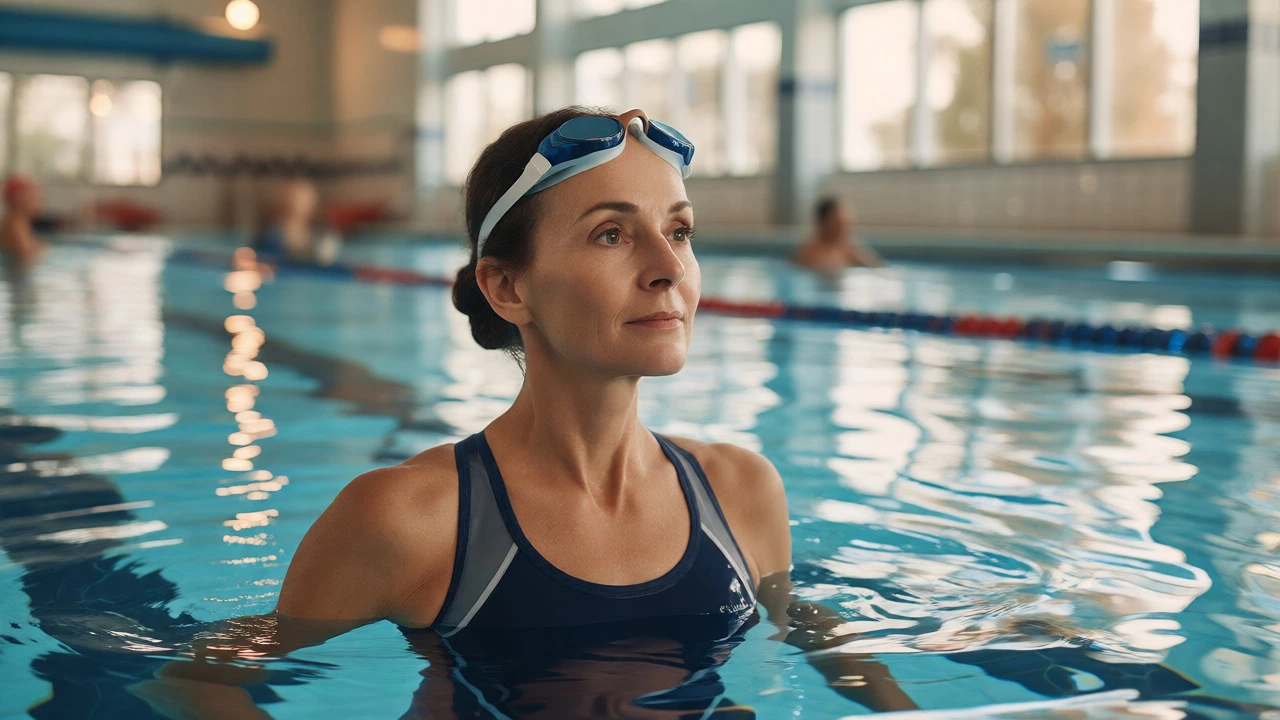
Adult Swim Progression Estimator
Curious about how long it takes to learn swimming at your age? This tool helps you visualize your potential progress and highlights the specific health benefits relevant to your profile.
Your Profile
Estimated Time to Competency
Milestone: Swimming 25 meters continuously
--
*Based on average adult learner progression rates.Projected Health Benefits
Typical Adult Beginner Timeline
Submerging face, blowing bubbles, floating with support.
Swimming 10-15 meters with correct breathing rhythm.
Swimming 25-50 meters continuously without stopping.
Completing multiple laps, treading water, diving safely.
You might think the boat has sailed on learning to swim. Maybe you grew up without access to pools, or perhaps a bad lesson in childhood left you with a deep-seated fear of water. But here is the truth: age does not stop you from becoming comfortable in the pool. Learning to swim at 50 is not just possible; it is increasingly common and highly beneficial for your long-term health. You do not need to become an Olympic athlete. You just need to learn how to stay safe, breathe correctly, and enjoy the water. This guide breaks down exactly how to start, what to expect, and why your body will thank you for it.
Why Your Body Actually Wants to Swim Now
At 50, your joints are starting to feel the wear and tear of gravity. Running pounds on your knees, and cycling can strain your lower back. Swimming is different. It is a non-weight-bearing exercise, meaning the water supports about 90% of your body weight. This reduces stress on your hips, knees, and spine while still providing resistance that builds muscle. According to guidelines from the Australian Department of Health, adults aged 50 and older should aim for 150 minutes of moderate physical activity per week. Swimming hits this target easily while improving cardiovascular health without the high impact risk associated with land-based sports.
Beyond joint relief, swimming helps manage conditions that often appear around mid-life. High blood pressure, type 2 diabetes, and arthritis all respond well to regular aquatic exercise. The hydrostatic pressure of water also aids circulation, which can help reduce swelling in legs and feet-a common complaint as we age. If you have been looking for a way to stay active without hurting yourself, the pool is one of the safest bets you can make.
Overcoming the Mental Block
For many adults, the biggest barrier isn't physical ability; it's psychological. Fear of drowning, embarrassment about wearing a swimsuit, or anxiety about being in a class with teenagers can hold people back. Acknowledge these feelings. They are valid. But remember that most modern swim schools offer specific programs for adults. These classes are designed for people who cannot float, let alone swim laps. Instructors know how to teach breathing techniques gently and prioritize safety over speed.
Start by getting comfortable in shallow water. You don't need to jump into the deep end immediately. Practice standing up, submerging your face, and blowing bubbles. This simple step rebuilds trust between you and the water. Once you can control your breathing while your face is submerged, the panic subsides. Confidence comes from competence, and competence comes from small, manageable steps.
Finding the Right Class for You
Not all swim schools are created equal. When searching for adult swimming lessons in Adelaide or elsewhere, look for instructors certified in teaching special needs or senior adults. Ask about class sizes. A ratio of one instructor to four students is ideal for beginners because you need individual feedback on your stroke technique. Large classes mean you spend more time waiting in line than actually moving in the water.
Consider the environment too. Warm-water pools (around 30°C or 86°F) are much better for beginners than cold lap pools. Warm water relaxes muscles, which helps if you tend to tense up when nervous. Also, check if the facility offers private lessons. While group classes provide social support, private sessions allow you to move at your own pace without feeling rushed. Many centers offer a hybrid approach: start with two or three private lessons to master the basics, then join a beginner group class for practice.
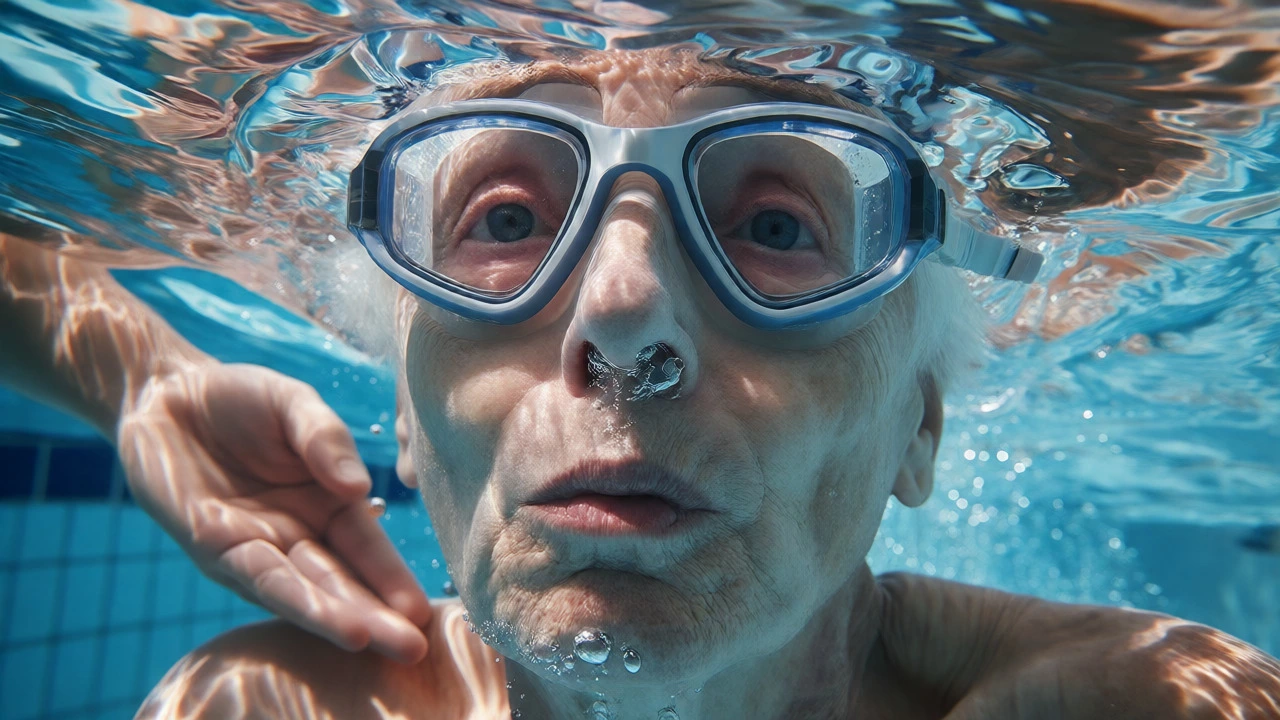
Essential Gear That Makes a Difference
You don't need expensive equipment, but the right gear boosts confidence and comfort. Here is what you actually need:
- Goggles: Essential. Seeing clearly underwater reduces fear. Look for silicone seals to prevent leaks.
- Swim Cap: Protects hair from chlorine and keeps vision clear. Silicone caps are durable and less likely to tug hair than latex ones.
- Nose Clip: Optional, but helpful if water entering your nose triggers gag reflexes or panic.
- Comfortable Swimsuit: Choose something you feel secure in. For women, tankinis or one-pieces with good support work well. Men often prefer board shorts or jammers depending on personal preference.
Avoid using arm floats or "noodles" as crutches for too long. They create false buoyancy and prevent you from learning proper body position. Kickboards are useful for isolating leg movements, but use them sparingly so you don't develop a dependency.
What to Expect in Your First Lessons
Your first few sessions won't involve swimming laps. They will focus on floating and breathing. You will learn to exhale through your mouth or nose while your face is in the water. This sounds simple, but it is the hardest part for beginners. Most people instinctively hold their breath, which causes tension and sinking. Exhaling steadily allows your lungs to act like balloons, keeping you afloat.
Next, you will learn the flutter kick. Keep your legs straight but relaxed, kicking from the hips, not the knees. Small, fast kicks generate more propulsion than big, slow splashes. After mastering the kick, you will add arm movements. Start with the front crawl (freestyle) or breaststroke. Breaststroke is often preferred by older adults because the head stays above water longer, reducing anxiety about breathing timing.
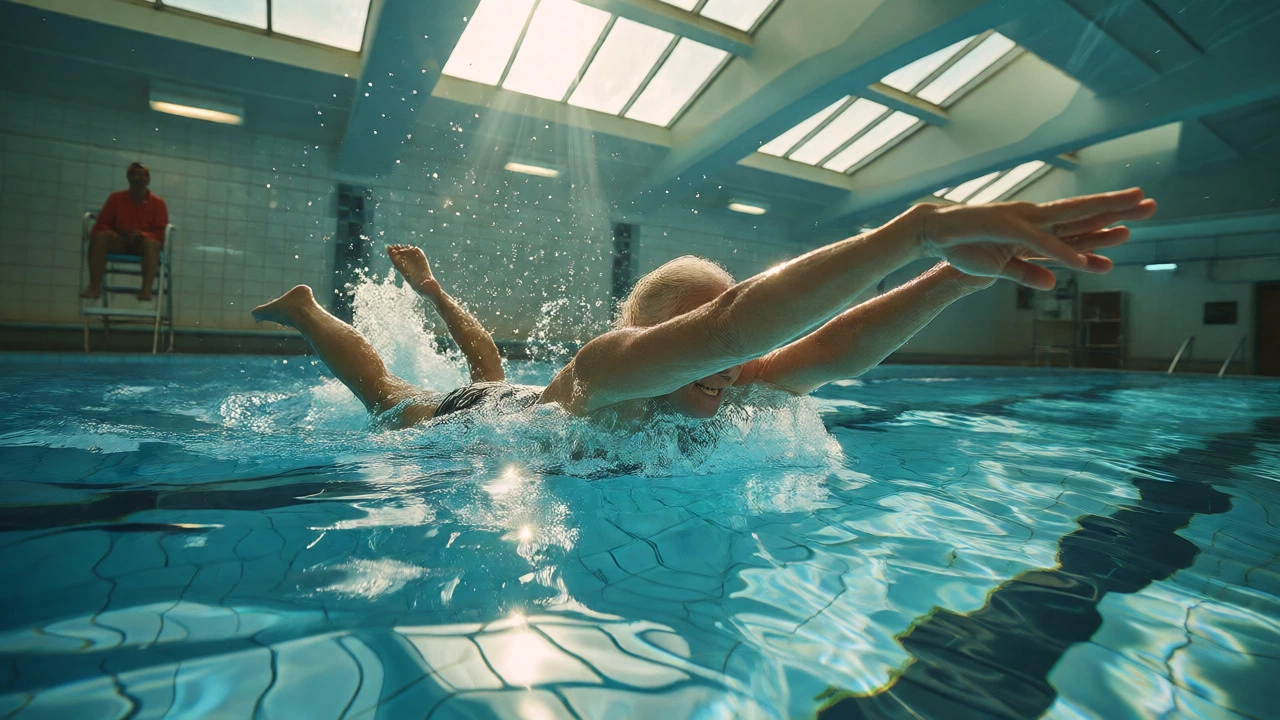
Safety Tips for Older Beginners
Safety is paramount. Always swim with a lifeguard present or in supervised areas. Never swim alone, especially in open water like beaches or rivers. Check your heart health with your doctor before starting a new routine, particularly if you have a history of cardiac issues. Hydration is critical, even though you are in water. You sweat during exercise, and dehydration increases fatigue and cramp risks.
Listen to your body. Muscle soreness is normal; sharp pain in joints is not. If your shoulders hurt after a session, you might be using incorrect form or overtraining. Rest days are just as important as workout days. Consistency beats intensity. Swimming twice a week for 30 minutes yields better results than one exhausting hour-long session every two weeks.
Realistic Timeline for Progress
How long will it take? There is no fixed rule, but here is a general framework based on typical adult learner progression:
| Stage | Duration | Key Milestone |
|---|---|---|
| Water Comfort | Weeks 1-4 | Submerging face, blowing bubbles, floating on back with support. |
| Basic Stroke | Months 2-3 | Swimming 10-15 meters with correct breathing rhythm. |
| Endurance Building | Months 4-6 | Swimming 25-50 meters continuously without stopping. |
| Confident Swimmer | Months 6+ | Completing multiple laps, treading water for 1 minute, diving safely. |
These timelines vary based on frequency of practice and natural affinity for water. Some people grasp breathing quickly; others need more time to relax. Neither is wrong. The goal is progress, not perfection.
Final Thoughts: Just Get Wet
You can absolutely learn to swim at 50. In fact, doing so opens up a lifetime of recreational opportunities-snorkeling on holidays, playing with grandkids in the pool, or simply enjoying a calming morning lap. The physical benefits are undeniable, but the mental shift from "I can't swim" to "I am a swimmer" is equally powerful. Take the first step. Book a trial lesson. Buy a pair of goggles. The water is waiting for you, and it doesn't care about your age.
Is it too late to learn swimming at 50?
No, it is never too late. Many adults learn to swim in their 50s, 60s, and even 70s. Modern instructional methods are tailored for adult learners, focusing on safety, relaxation, and gradual skill building rather than intense athletic performance.
How many lessons does it take to learn swimming?
On average, it takes 15 to 20 lessons to become competent enough to swim short distances independently. However, this varies greatly depending on individual comfort levels in water, frequency of practice, and physical coordination. Some may achieve basic proficiency in fewer sessions, while others may take longer.
Can swimming help with arthritis pain?
Yes, swimming is highly recommended for people with arthritis. The water's buoyancy reduces stress on joints, allowing for movement without pain. Additionally, warm-water pools can help soothe stiff joints and improve range of motion.
Do I need to be fit before starting swimming lessons?
No, you do not need to be fit to start. Swimming is a low-impact exercise that can be adapted to any fitness level. Instructors will tailor exercises to your current capabilities, gradually increasing intensity as your strength and endurance improve.
What is the best swimming stroke for beginners over 50?
Breaststroke is often considered the best starting point for older adults because it allows the head to remain above water for extended periods, reducing anxiety about breathing. Front crawl (freestyle) is also taught early due to its efficiency, but it requires more precise breathing timing.