
Running Longevity & Intensity Checker
Longevity Analysis
Enter your training data to see if you're in the "Longevity Sweet Spot."
Note: This tool is for educational purposes based on the 80/20 rule discussed in the article. Consult a physician before beginning any high-intensity exercise program.
Key Takeaways on Running and Lifespan
- Most marathon runners live significantly longer than sedentary people due to lower rates of metabolic disease.
- Extreme volumes of high-intensity training can lead to specific cardiac changes, though most are benign.
- The 'sweet spot' for longevity usually involves a balance of aerobic base and recovery, rather than constant peak exertion.
- Consistency over decades beats short-term intensity for long-term survival.
To understand the impact of distance running on life expectancy, we first need to look at marathon runners longevity is the study of how long-term participation in endurance sports affects the overall lifespan and healthspan of an individual . If you look at the broad data, the result is overwhelmingly positive. People who run marathons generally have much lower rates of type 2 diabetes, hypertension, and obesity. These are the primary killers in modern society. By keeping the arteries clear and the insulin sensitivity high, runners effectively remove the most common 'fast tracks' to an early grave.
The Cardiovascular Paradox: Strong Hearts vs. Scarred Hearts
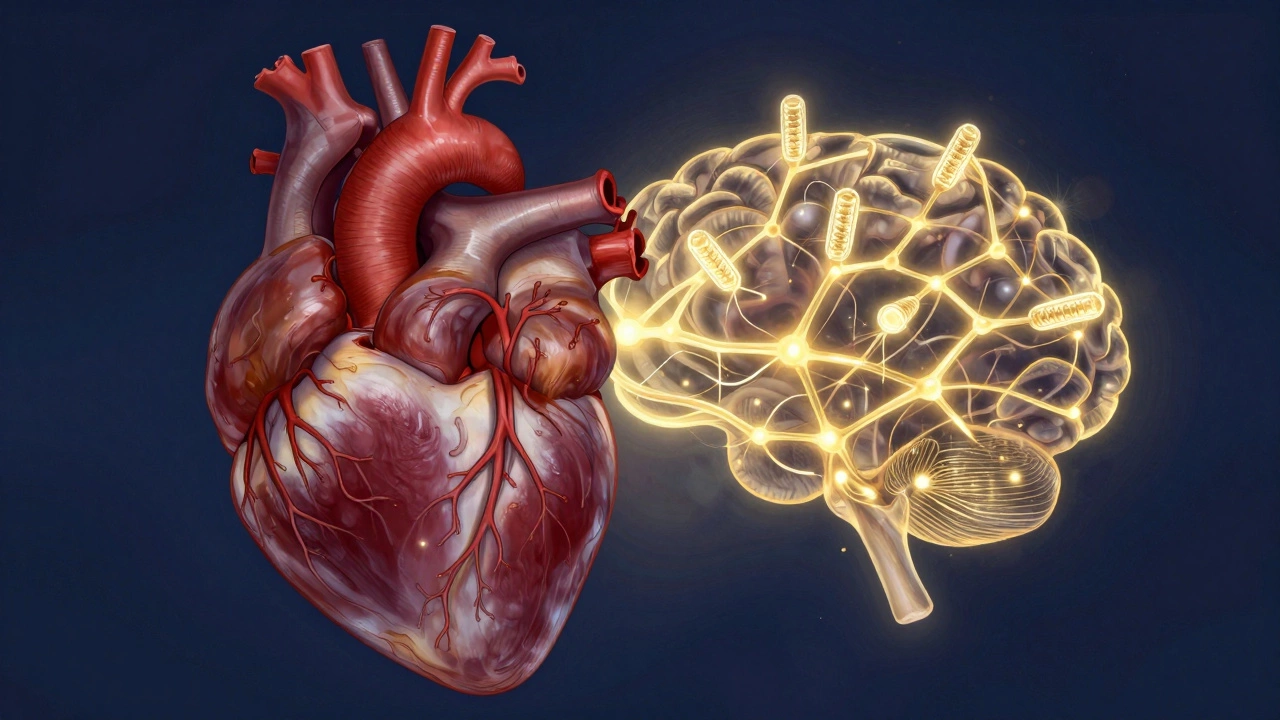
One of the biggest debates in sports science is the effect of long-term endurance training on the heart. When you train for a 26.2-mile race, your heart undergoes a process called Cardiac Remodeling, which is the process where the heart changes its size, shape, and function in response to chronic exercise. For most, this is a good thing. The left ventricle becomes more efficient, meaning it can pump more blood with every beat, leading to a lower resting heart rate.
However, some researchers point to Myocardial Fibrosis-essentially tiny areas of scarring in the heart muscle-which has been spotted in some veteran ultra-marathoners. Does this mean they'll die sooner? Not necessarily. In a study of veteran athletes, these changes didn't always correlate with a higher risk of death. In fact, these athletes often had better outcomes than the general population because their overall systemic health was so high. The real risk often comes not from the running itself, but from pushing through extreme illness (like a severe flu) during a peak training block, which can trigger inflammation in the heart.
| Activity Level | Cardiovascular Risk | Metabolic Health | Joint Wear & Tear |
|---|---|---|---|
| Sedentary | High | Poor | Low (due to atrophy) |
| Moderate Runner (15-25 mpw) | Very Low | Excellent | Low/Moderate |
| Marathoner (40-70 mpw) | Low | Excellent | Moderate/High |
| Elite Ultra-Endurance | Low to Moderate | Excellent | High |
The Role of Telomeres and Cellular Aging
If we want to know if runners live longer, we have to look at the cellular level. This brings us to Telomeres, which are the protective caps at the ends of chromosomes that shorten as cells divide over time. Think of them like the plastic tips on shoelaces; when they wear off, the lace (your DNA) starts to fray.
Interesting data suggests that regular aerobic exercise can actually slow the shortening of these caps. A study involving older adults found that those who engaged in endurance training had telomere lengths similar to people 10 to 15 years younger than them. While a single marathon might cause a temporary spike in oxidative stress, the long-term habit of training creates a biological environment that resists aging. Your cells essentially become more resilient to the damage that normally comes with getting older.
Where the Risks Actually Lie: The 'Too Much' Threshold
Is there such a thing as too much of a good thing? Yes. The relationship between exercise and longevity often follows a U-shaped curve. On one end, you have the sedentary group with high mortality. On the other, you have the extreme outliers. The risk for the hardcore marathoner isn't usually a sudden heart attack, but rather a cumulative wear on the musculoskeletal system.
Chronic inflammation and Cortisol-the primary stress hormone-can play a role here. If you are constantly training at a high intensity without proper recovery, your body stays in a state of high stress. This can suppress the immune system and lead to burnout or chronic fatigue. However, this is more of a quality-of-life issue than a lifespan issue. A runner with a worn-out hip or a chronic knee injury isn't necessarily going to die younger; they might just spend more time in a physical therapy clinic.
The Mental Health Advantage
We can't talk about living longer without talking about the brain. Longevity isn't just about how many years you're alive, but how much of your mind you keep. Distance running is a powerhouse for Neuroplasticity, which is the brain's ability to reorganize itself by forming new neural connections. Running increases the production of Brain-Derived Neurotrophic Factor (BDNF), which acts like fertilizer for your neurons.
This reduces the risk of dementia and cognitive decline. When you combine a healthy heart (which pumps oxygen to the brain) with high levels of BDNF, you create a powerful defense against Alzheimer's. So, while the physical toll on the joints is real, the protective effect on the brain is massive. Most marathoners report a sense of purpose and community that also contributes to a longer life-loneliness is a known killer, and the running community is one of the best antidotes to social isolation.

Comparing the 'Weekend Warrior' to the 'Lifer'
There is a big difference between someone who trains for one marathon every five years and someone who has been running 40 miles a week for thirty years. The 'Weekend Warrior' often faces higher acute risks, such as sudden cardiac events during a race because their body isn't conditioned for the extreme stress. In contrast, the 'Lifer' has built a robust aerobic engine. Their body has adapted to the load.
The key to longevity isn't the distance of a single race, but the Aerobic Base. This is the foundation of cardiovascular fitness that allows you to perform low-to-moderate intensity exercise for long periods. Building this base slowly over years minimizes the risk of injury and heart stress while maximizing the metabolic benefits. If you jump into a marathon plan with zero base, you're gambling with your health. If you build it gradually, you're investing in your future.
Does running marathons cause heart damage?
For the vast majority of people, no. While some long-term endurance athletes show signs of heart wall thickening or minor scarring (fibrosis), these are usually adaptive changes. Research indicates that as long as you don't ignore severe symptoms or push through major illnesses, the overall benefit to heart health far outweighs these risks.
Can too much running actually shorten your life?
There is no strong evidence that running marathons significantly shortens life. The risks are primarily related to overtraining syndrome and joint degeneration. The metabolic and cardiovascular advantages-like lower blood pressure and better blood sugar control-usually provide a net gain in lifespan compared to non-runners.
What is the healthiest way to train for a marathon for longevity?
The best approach is the 80/20 rule: 80% of your runs should be at a low intensity (where you can easily hold a conversation) and only 20% should be high intensity. This builds your aerobic base without overloading your heart or nervous system with excessive stress.
Do marathon runners have more joint problems as they age?
Yes, higher mileage is associated with more wear on the knees and hips. However, running also strengthens bones and improves joint lubrication. The key is to incorporate strength training and a gradual increase in mileage to prevent acute injuries.
Does distance running help with brain health?
Absolutely. Aerobic exercise increases BDNF (Brain-Derived Neurotrophic Factor), which helps grow new neurons and protects existing ones. This makes distance runners less likely to experience rapid cognitive decline in old age.
Next Steps for Your Longevity Journey
If you're worried about the long-term effects of your training, start by diversifying your movement. Don't just run. Add in strength training to protect your joints and yoga to maintain flexibility. If you're a seasoned runner, consider a regular cardiovascular screening (like an ECG or calcium score) every few years to ensure your heart is adapting healthily.
For those just starting, don't rush into a 26.2-mile goal. Focus on building a consistent habit of walking and jogging. The secret to living longer isn't the medal at the end of a race; it's the thousands of miles of moderate movement you accumulate over a lifetime. Keep your intensity in check, prioritize sleep, and listen to your body. That is how you ensure that your love for running adds years to your life, rather than taking them away.