Swimming Weight Loss Calculator
Your Swim Session
Projected Impact
Freestyle
0.0 kg estimated fat loss per week
Assuming diet remains constant
You step out of the pool, dripping wet, exhausted, and convinced you just torched a thousand calories. You head straight to the café next door, order a large muffin and a latte, thinking you've earned it. Then you wonder why the scale hasn't budged in three weeks. Sound familiar?
Here is the brutal truth: swimming is one of the most effective exercises for burning calories, but it is also one of the easiest ways to accidentally overeat. The water hides your sweat, making you feel less exerted than you actually are. Plus, cold water triggers a primal hunger response that running on a hot Adelaide summer day simply doesn't.
If you are asking whether swimming helps with weight loss, the answer is yes-but only if you treat it like training, not just recreation. Let's break down exactly how many calories you burn, which strokes work best, and how to stop sabotaging your progress at the snack bar.
The Calorie Burn Reality Check
Let's look at the numbers. Most people assume all exercise burns calories at the same rate per hour. It doesn't. Swimming is unique because water is roughly 800 times denser than air. Every stroke requires you to push against significant resistance. This means you recruit more muscle fibers simultaneously compared to cycling or walking.
However, efficiency matters. A beginner floating around doing laps slowly might burn 300-400 calories an hour. An intermediate swimmer maintaining a steady pace burns closer to 500-600. A high-intensity interval session can spike that number even higher due to excess post-exercise oxygen consumption (EPOC), where your body keeps burning calories after you leave the pool.
| Stroke Type | Intensity Level | Calories Burned | Muscle Groups Targeted |
|---|---|---|---|
| Breaststroke | Moderate | ~400 kcal | Chest, Thighs, Core |
| Freestyle (Front Crawl) | Moderate | ~500 kcal | Lats, Shoulders, Core |
| Backstroke | Moderate | ~450 kcal | Back, Glutes, Hamstrings |
| Butterfly | Vigorous | ~700+ kcal | Full Body (High Demand) |
| Treading Water | Low/Moderate | ~300 kcal | Legs, Core Stability |
Notice the gap between breaststroke and butterfly? That’s huge. If you want weight loss, technique dictates your calorie deficit. Floating on your back while scrolling through mental to-do lists won’t cut it. You need continuous movement.
Why Swimming Makes You Hungry (The Cold Water Effect)
This is the biggest hurdle for swimmers trying to lose weight. When you run, you sweat. Your body temperature rises, and you often feel too nauseous to eat immediately after. In the pool, your body temperature stays regulated by the water. You don’t realize how hard you’re working until you’re done.
Worse, exposure to cool water stimulates appetite hormones. Ghrelin, the "hunger hormone," spikes when your core temperature drops slightly. This is evolutionary biology: your brain thinks, "I’m cold, I need fuel to stay warm." So, you finish a 45-minute swim feeling ravenous. If you eat a 600-calorie smoothie afterward, you’ve erased half your workout.
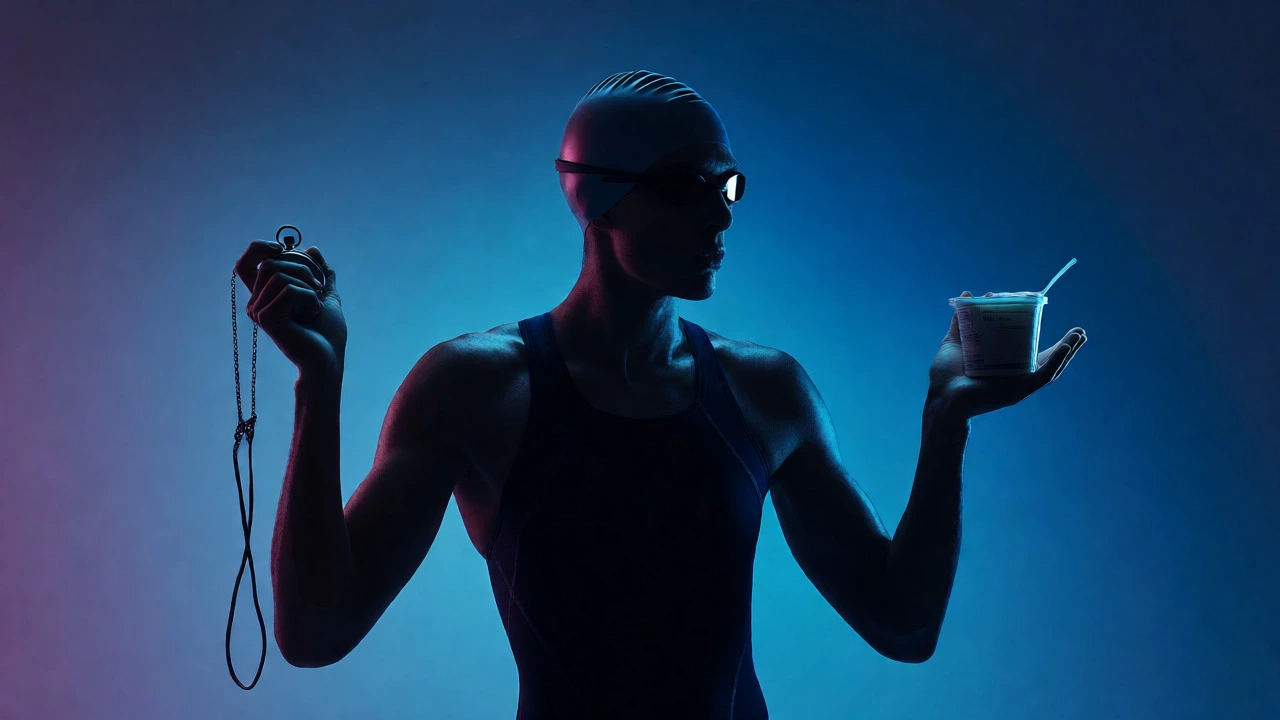
Pro Tip: Pack a small, protein-rich snack to eat within 30 minutes of exiting the pool. Greek yogurt, a boiled egg, or a protein shake. Avoid sugary carbs immediately unless you are training for endurance. Protein curbs the ghrelin spike better than carbohydrates do.
Which Strokes Actually Burn Fat?
Not all strokes are created equal. If your goal is shedding pounds, you need to maximize heart rate variability and muscle engagement. Here is how the major strokes stack up for fat loss.
Freestyle (Front Crawl): The Efficiency King
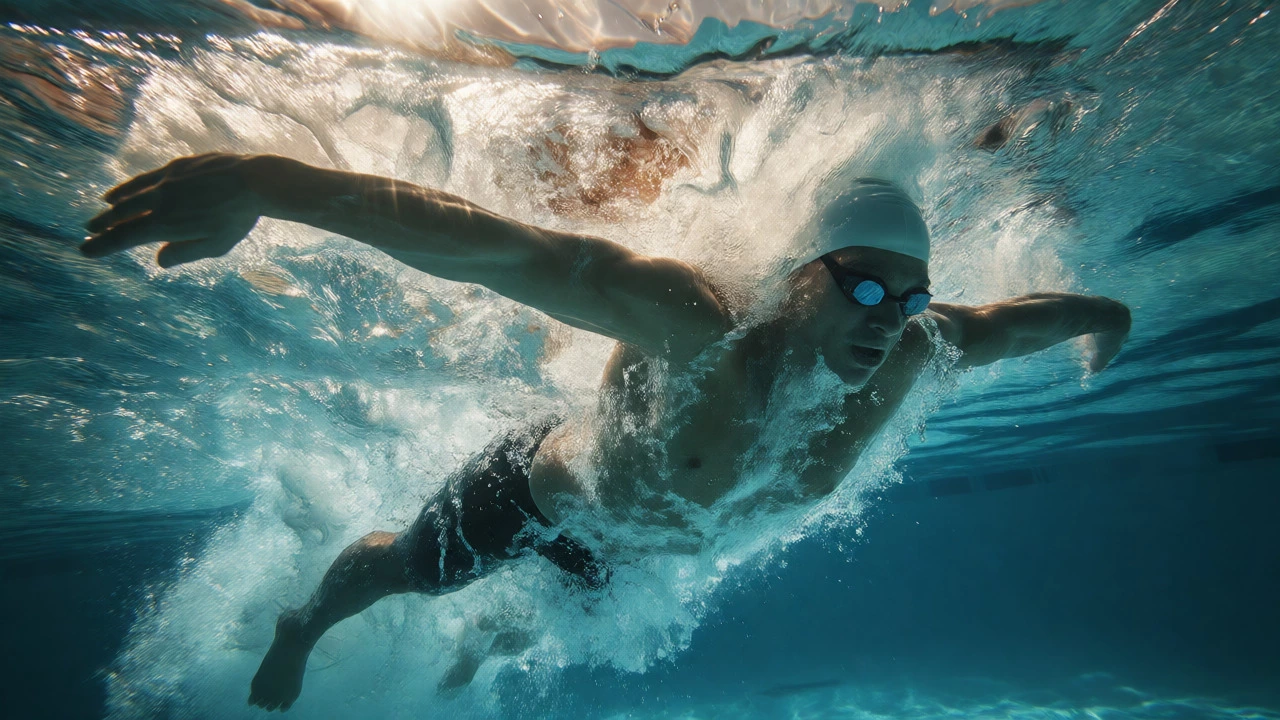
Freestyle is the fastest stroke and allows for sustained aerobic effort. Because it relies on alternating arm movements and a flutter kick, it’s easier to maintain for longer periods. Longer duration equals more total calories burned. For most people, this should be 60-70% of their workout. Focus on keeping your hips high; sinking hips create drag, forcing you to work harder without moving faster.
Butterfly: The Calorie Torch
Butterfly is brutal. It engages your core, shoulders, and glutes in a wave-like motion. You cannot sustain butterfly for long-most intermediates gas out after two lengths. But that’s the point. Use it in short bursts. Two lengths of butterfly followed by four lengths of easy freestyle creates a high-intensity interval training (HIIT) effect. This boosts your metabolic rate for hours after the swim.
Breaststroke: The Beginner Trap
Many beginners stick to breaststroke because it feels comfortable and lets them keep their head above water. The problem? It has a glide phase. During the glide, you aren’t generating power. Unless you eliminate the glide and kick aggressively, breaststroke is the least efficient stroke for weight loss. If you love breaststroke, add a pull buoy to isolate your upper body, or use hand paddles to increase resistance.
Building a Swim Plan for Weight Loss
Randomly swimming laps won’t trigger adaptation. Your body gets used to the stress. To lose weight, you must progressively overload. Here is a simple weekly structure for someone starting from scratch.
- Monday: Endurance Base. 30 minutes continuous freestyle. Aim for a conversational pace. You should be breathing rhythmically, not gasping.
- Wednesday: Interval Training. 10 x 50m sprints. Rest 30 seconds between each sprint. This spikes your heart rate and burns glycogen stores.
- Friday: Mixed Intensity. Alternate 1 lap fast, 1 lap slow. Repeat for 20 minutes. Add fins (flippers) to increase leg drive and calorie burn.
Fins are a game-changer. They force your legs to work harder, engaging your glutes and hamstrings, which are large muscle groups. Burning calories via large muscles is more efficient than using small stabilizer muscles. Just ensure your ankles are flexible enough to handle the load, or you’ll get shin splints.
Common Mistakes Sabotaging Your Results
I’ve coached hundreds of swimmers in Adelaide pools, and the same mistakes pop up constantly. Fix these, and you’ll see changes in four weeks.
1. Relying solely on the treadmill illusion. Many people walk to the pool, swim gently for 20 minutes, then shower and go home. Total time spent active is under 45 minutes. You need at least 45-60 minutes of actual swimming time. Factor in changing and showering as rest, not activity.
2. Ignoring dryland strength. Swimming builds endurance, but not necessarily bone density or maximal strength. Adding two days of resistance training (squats, lunges, push-ups) improves your metabolism. Muscle tissue burns more calories at rest than fat tissue does. Combine swimming with basic weights for the best body composition results.
3. Poor nutrition timing. As mentioned, eating right after swimming is tricky. Don’t skip breakfast before a morning swim if you’re going hard, but keep it light-a banana or toast. Eat a substantial meal 2-3 hours later. If you swim at night, have a light dinner beforehand, not a heavy feast afterward.
Swimming vs. Running: Which Wins for Weight Loss?
This is the classic debate. Both are excellent cardio options. Here is the breakdown based on joint health, calorie burn, and sustainability.
| Factor | Swimming | Running |
|---|---|---|
| Joint Impact | Zero impact. Ideal for arthritis or injury recovery. | High impact. Stress on knees, hips, and ankles. |
| Calorie Burn Potential | High, but dependent on skill level. | High, consistent regardless of skill. |
| Hunger Response | High (cold water effect). | Moderate/Low (heat suppression). |
| Skill Barrier | High. Requires technique to be effective. | Low. Anyone can jog immediately. |
| Muscle Toning | Upper body and core focus. | Lower body focus. |
If you have knee pain or are significantly overweight, swimming is superior. It removes gravity’s crushing force. However, if you struggle with portion control after exercise, running might be psychologically easier because you feel hotter and less hungry. The best choice? Do both. Cross-training prevents boredom and hits different muscle groups.
Final Verdict: Does It Work?
Yes, swimming helps with weight loss, provided you respect the math. It is a full-body workout that builds lean muscle, improves cardiovascular health, and burns significant calories. But it demands discipline. You must track your intensity, manage your post-swim hunger, and prioritize technique over speed initially.
Start with 30 minutes, three times a week. Use intervals to boost burn. Watch what you eat after you exit the water. Give it eight weeks. If you stick to the plan, the scale will move, and you’ll likely find yourself stronger and more resilient than ever.
How many times a week should I swim to lose weight?
For noticeable weight loss, aim for 3 to 4 sessions per week. Each session should last at least 30-45 minutes of continuous swimming. Consistency is more important than intensity when starting out. Once you build endurance, you can reduce frequency to 2-3 intense HIIT-style sessions if combined with other activities.
Is swimming better than running for belly fat?
Neither exercise targets belly fat specifically; spot reduction is a myth. Both swimming and running reduce overall body fat, which eventually includes visceral fat around the abdomen. Swimming may have a slight edge for core strengthening due to the constant stabilization required in the water, but diet plays a larger role in reducing belly fat than either cardio form alone.
Why am I gaining weight despite swimming regularly?
Two common reasons: muscle gain and overeating. Swimming builds lean muscle mass, which weighs more than fat by volume. You might be losing inches while the scale stays static or increases slightly. More commonly, the 'cold water hunger' leads to consuming more calories than burned. Track your food intake for a week to ensure you aren't compensating for the workout with extra snacks.
Do I need special gear to start swimming for weight loss?
Basic gear is essential: a well-fitting swimsuit, goggles, and a cap. Goggles prevent eye irritation, allowing you to swim longer. A cap reduces drag and protects hair. Optional but helpful: a pull buoy (isolates arms) and hand paddles (increase resistance). Fins can help beginners feel faster and engage legs, but they can mask poor technique if relied on too heavily early on.
Can swimming tone my arms and back?
Yes, swimming is highly effective for toning the upper body. Freestyle and backstroke heavily engage the latissimus dorsi (back muscles) and deltoids (shoulders). Butterfly is particularly demanding on the core and chest. While it won't bulk you up like heavy weightlifting, it creates a lean, defined physique due to the combination of resistance training and high-repetition movement inherent in swimming.