Find Your Perfect Yoga Style
Complete Beginner
New to exercise or yoga
Somewhat Active
Occasionally exercise
Regularly Active
Exercise several times weekly
Your Recommended Yoga Style
Based on your answers, here's what we think would be perfect for you:
Quick Facts
First Class Tips
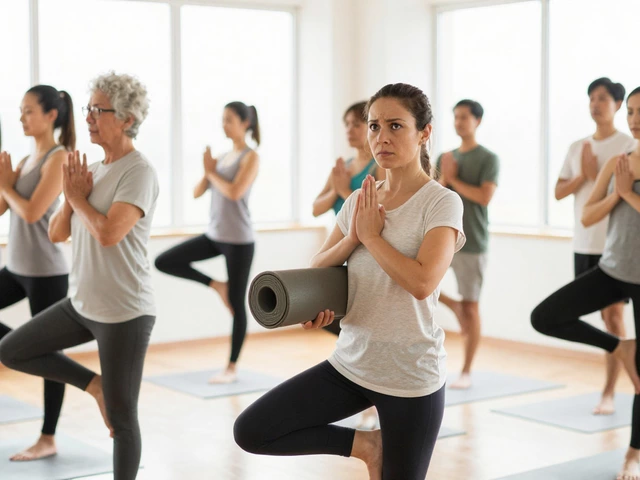
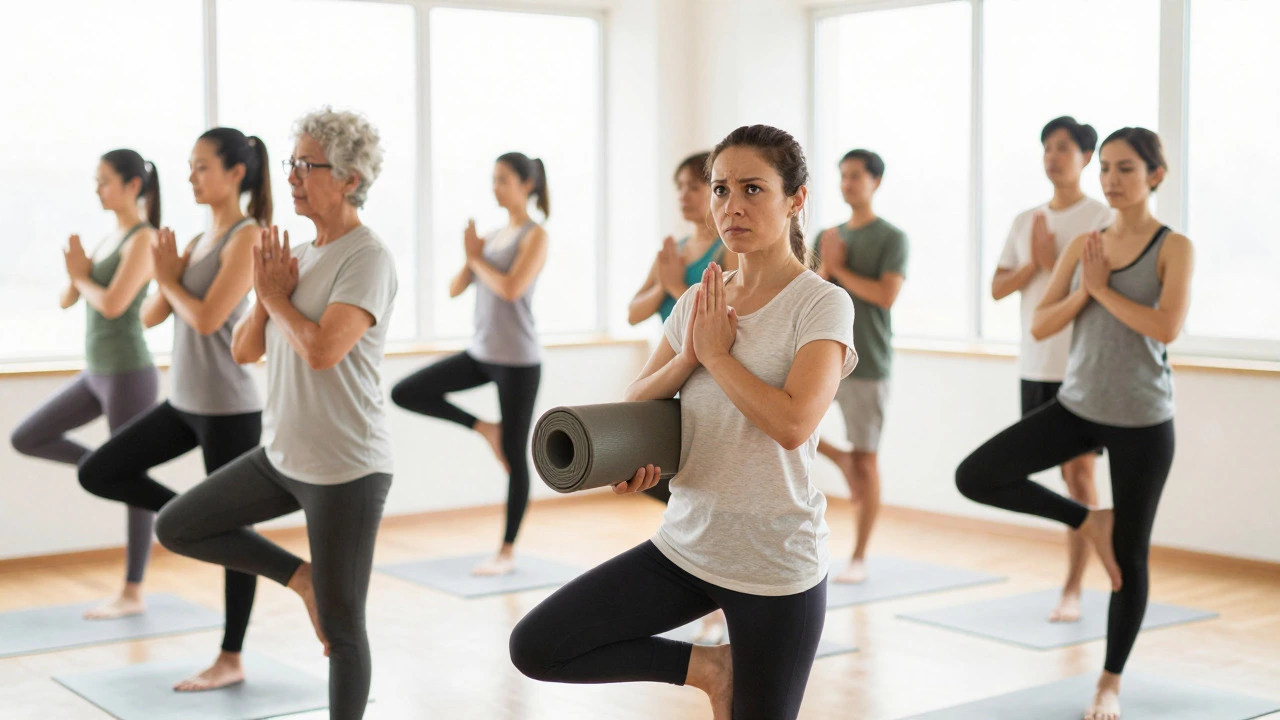
Walking into a yoga studio for the first time feels like entering a secret club where everyone else got the instruction manual except you. You see people folding themselves into shapes that defy physics, breathing in synchronized rhythms, and holding poses with serene smiles. Meanwhile, you’re wondering if your jeans are appropriate (they aren’t) and whether you’ll be able to touch your toes without pulling a hamstring.
The good news? You don’t need to be flexible to start yoga. In fact, that’s exactly why you need it. The bad news? There is no single "yoga class." There are dozens of styles, intensities, and philosophies, each catering to different needs. Picking the wrong one can leave you sore, confused, or worse-discouraged before you’ve even begun.
Understanding Your Body’s Starting Point
Before you scroll through studio websites or ask friends for recommendations, take an honest inventory of your current physical state. Are you recovering from an injury? Do you have chronic back pain? Or are you generally healthy but stiff from sitting at a desk all day?
If you have existing injuries or health conditions, Restorative Yoga is a gentle style using props like bolsters and blankets to support the body in passive poses. This approach focuses on relaxation and healing rather than strength or flexibility. It’s perfect for those dealing with stress, anxiety, or physical limitations.
If you’re relatively healthy but new to movement, avoid classes labeled "Power," "Ashtanga," or "Hot" for now. These styles demand endurance and familiarity with basic postures. Instead, look for keywords like "Beginner," "Foundations," or "Gentle." These classes move slower, allowing the instructor to explain alignment cues clearly.
Decoding Yoga Styles: What Each One Offers
Yoga isn’t a monolith. Different styles emphasize different aspects of practice. Understanding these distinctions helps you match your goals with the right class.
| Style | Intensity Level | Focus Area | Best For |
|---|---|---|---|
| Hatha Yoga | Low to Moderate | Basic poses, breath control | Absolute beginners seeking structure |
| Vinyasa Flow | Moderate | Movement linked to breath | Those who enjoy dynamic activity |
| Iyengar Yoga | Low | Precision, alignment, props | People focused on correct form |
| Yin Yoga | Very Low | Long holds, connective tissue | Stress relief and deep stretching |
Hatha Yoga is a traditional style focusing on static poses held for several breaths. It’s often recommended as the best starting point because instructors spend more time explaining each posture. You’ll learn foundational poses like Mountain Pose, Warrior I, and Downward-Facing Dog without feeling rushed.
Vinyasa Flow, by contrast, links movement with breath in a continuous sequence. Think of it as dance-like yoga. While energizing, it can overwhelm beginners who haven’t yet memorized pose transitions. If you choose Vinyasa, opt for "Slow Flow" or "Beginner Vinyasa" variations.
Iyengar Yoga prioritizes precision over flow. Instructors use blocks, straps, and walls to help students achieve proper alignment. This methodical approach builds confidence and reduces injury risk, making it ideal for perfectionists or those rehabilitating injuries.
Evaluating Studio Culture and Instructor Qualifications
The vibe of a studio matters just as much as the style of yoga. Some studios feel like gyms-bright lights, upbeat music, competitive energy. Others resemble sanctuaries-dim lighting, incense, silence except for guided breathwork. Neither is inherently better, but mismatched expectations can ruin your experience.
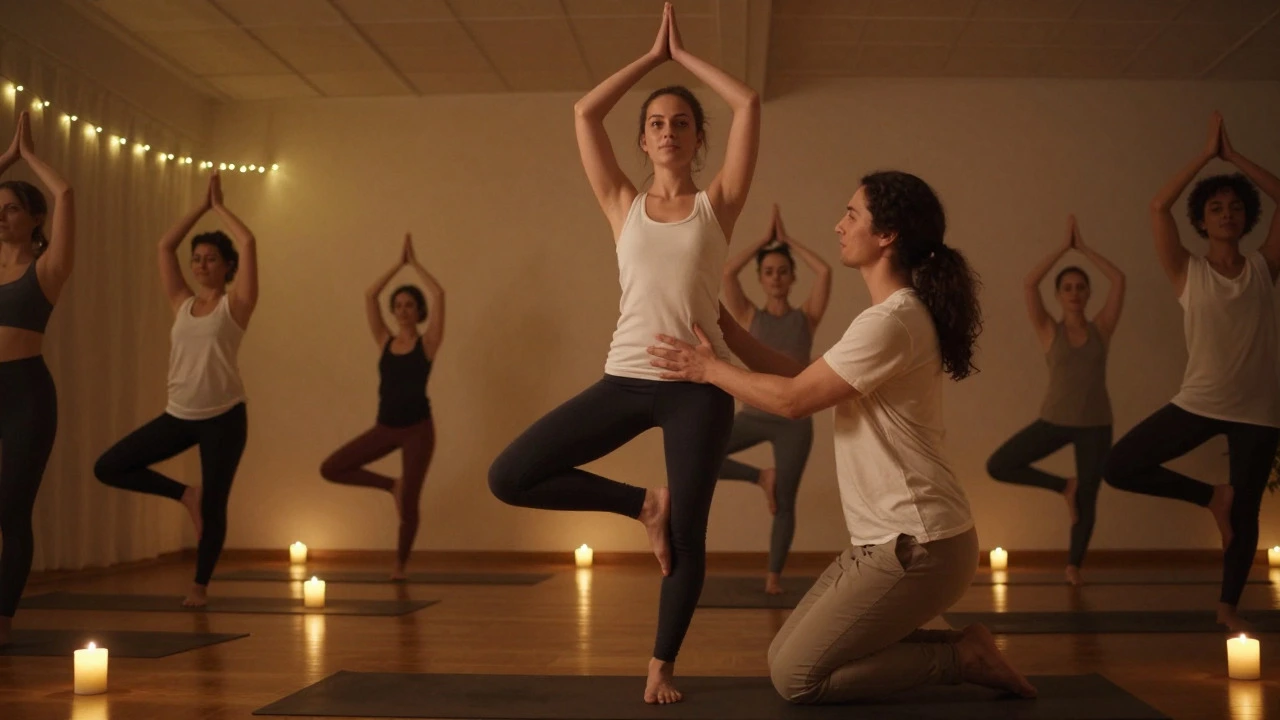
Visit potential studios during off-peak hours if possible. Observe how instructors interact with students. Do they offer modifications? Are they attentive to individual needs? A good teacher doesn’t just demonstrate poses; they explain *why* certain adjustments matter.
Check instructor credentials too. Look for certifications from recognized organizations like Yoga Alliance (RYT-200 or RYT-500). While certification doesn’t guarantee teaching quality, it indicates baseline training in anatomy, philosophy, and safety protocols.
Practical Tips for Your First Class
Preparation reduces anxiety. Here’s what to do before stepping onto the mat:
- Wear comfortable clothing that allows full range of motion. Avoid baggy shirts that fall over your head during inversions.
- Bring a water bottle and a small towel. Even gentle yoga induces sweating.
- Arrive early to claim a spot near the front where you can see the instructor clearly. Don’t worry about blocking others’ views-most studios accommodate this.
- Inform the instructor beforehand that you’re new. They may suggest specific modifications or invite you to stay after class for questions.
During class, focus on your own practice, not others’. Someone next to you might look effortlessly graceful, but remember: yoga isn’t about comparison. It’s about connection-with your body, your breath, and the present moment.
Common Mistakes Beginners Make
Even well-intentioned newcomers stumble into predictable traps. Avoid these pitfalls to maximize enjoyment and minimize frustration:
- Pushing too hard too soon. Flexibility comes with consistency, not force. Pain signals caution, not progress.
- Ignoring breath. Holding your breath defeats the purpose of yoga. Sync movements with inhales and exhales.
- Comparing yourself to veterans. Every expert was once a beginner. Their journey started somewhere too.
- Skipping warm-ups. Cold muscles resist stretch. Allow five minutes for gentle mobilization before attempting complex poses.
When to Switch Studios or Styles
Not every class will resonate with you-and that’s okay. If you consistently feel uncomfortable, misunderstood, or physically strained despite following instructions, consider trying another studio or style.
Ask yourself: Did the instructor listen when I asked questions? Was the pace manageable? Did I leave feeling empowered or defeated? Honest reflection guides future choices.
Remember, finding the right fit takes experimentation. Treat early classes as exploratory missions rather than commitments. Over time, patterns emerge revealing which environments nurture your growth.
Building Consistency Without Burnout
Starting yoga is exciting, but maintaining momentum requires strategy. Aim for two to three sessions weekly initially. Gradually increase frequency as comfort grows.
Track progress subtly-not through photos or measurements, but through internal awareness. Notice improved balance, reduced tension, or enhanced mental clarity. These shifts validate effort beyond visible changes.
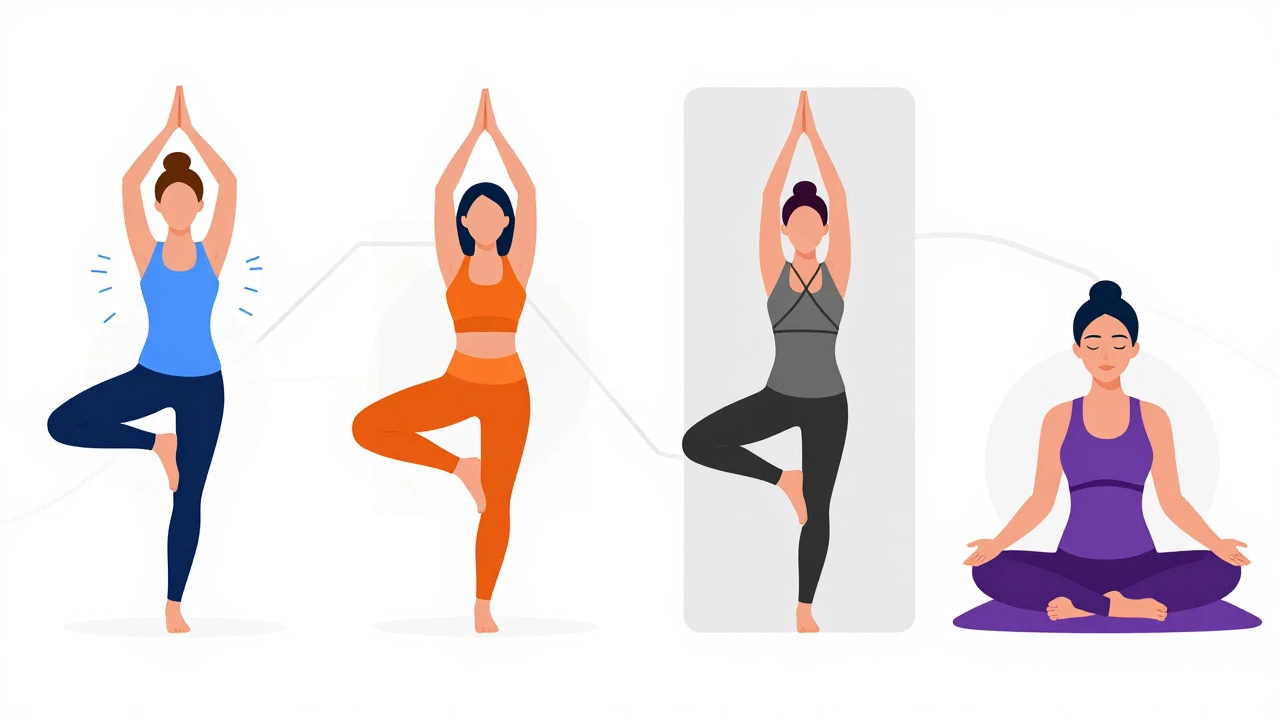
Celebrate small victories. Held Tree Pose longer last week? Congratulate yourself. Managed to relax shoulders during Savasana? Acknowledge that win too. Progress compounds quietly.
What should I wear to my first yoga class?
Choose fitted, breathable fabrics that allow unrestricted movement. Leggings or shorts paired with a tank top work well. Avoid loose tops that obscure visibility during downward-facing poses. Bare feet are standard unless specified otherwise.
Do I need to buy expensive equipment?
Nope. Most studios provide mats, blocks, and straps. Borrow theirs until you decide whether yoga becomes a regular part of your routine. Investing later ensures you select durable gear suited to your preferences.
Is it normal to feel sore after my first class?
Mild soreness is common due to unfamiliar muscle engagement. Sharp pain, however, suggests improper form or excessive strain. Rest adequately between sessions and communicate discomfort to your instructor promptly.
Can I practice yoga if I’m not flexible?
Absolutely. Yoga improves flexibility gradually through consistent practice. Props assist limited ranges of motion, enabling safe participation regardless of starting ability.
How many classes per week should beginners attend?
Two to three times weekly strikes a balance between learning and recovery. More frequent attendance accelerates skill acquisition but increases burnout risk. Listen to your body’s feedback.