Boxing Style Aggression Analyzer
What is your natural instinct in the ring? Select the statement that best describes your approach to a fight. There are no wrong answers—only different flavors of aggression.
Attribute Breakdown
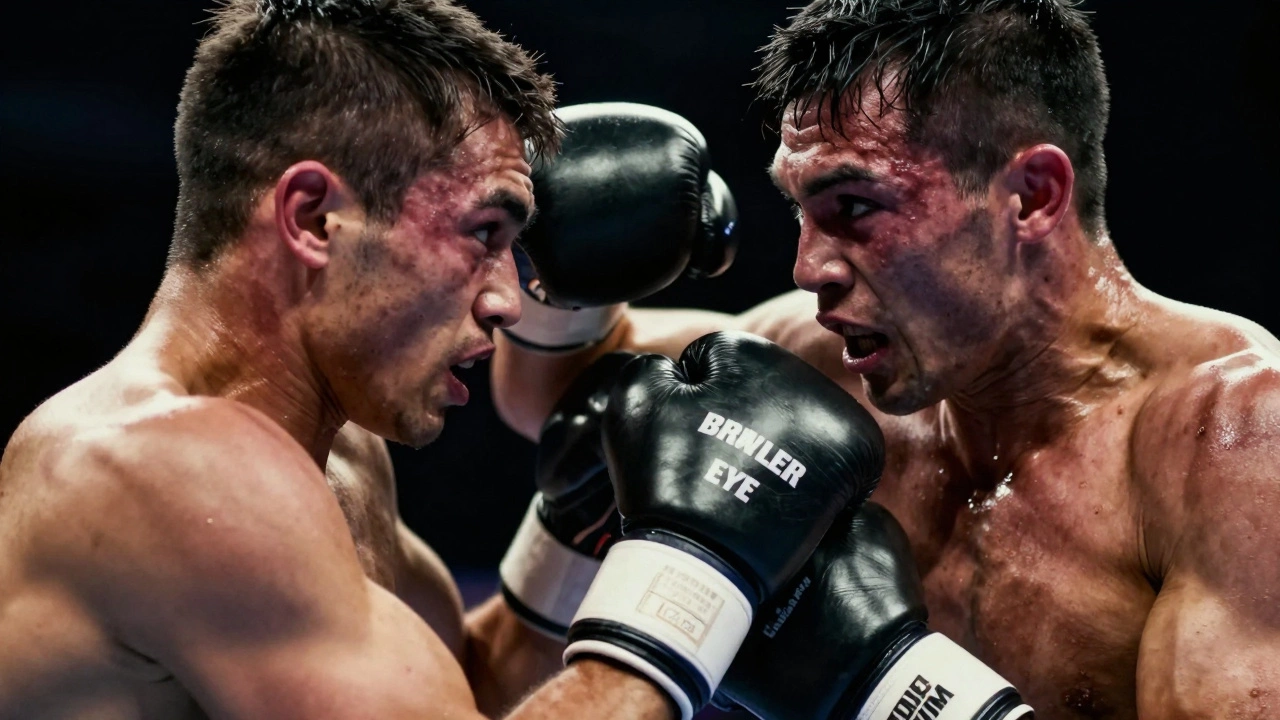
When you watch a heavyweight slugfest where both fighters trade heavy leather until they can barely stand, you are witnessing the rawest form of aggression in combat sports. But is that actually the "most" aggressive style? Or is it the relentless forward march of a fighter who never gives an inch, cutting off the ring like a shark circling prey? The answer isn't as simple as pointing to the guy throwing the hardest punches. In boxing, a combat sport involving two people wearing protective gloves who throw punches at each other within a ring, aggression comes in different flavors. Some styles rely on brute force, others on suffocating volume, and some on psychological warfare.
If you are looking for the absolute most aggressive approach, we need to break down what aggression means in the ring. It isn't just about anger; it is about intent, pace, and territory. Today, we are going to dissect the three main contenders for this title: the Pressure Fighter, the Swarm Boxer, and the Brawler. We will look at how they fight, who uses them, and why one might be considered more aggressive than the rest depending on how you define the term.
The Pressure Fighter: The Relentless March
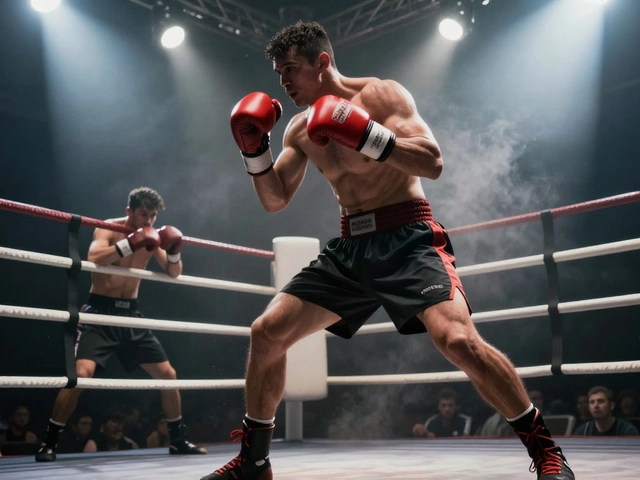
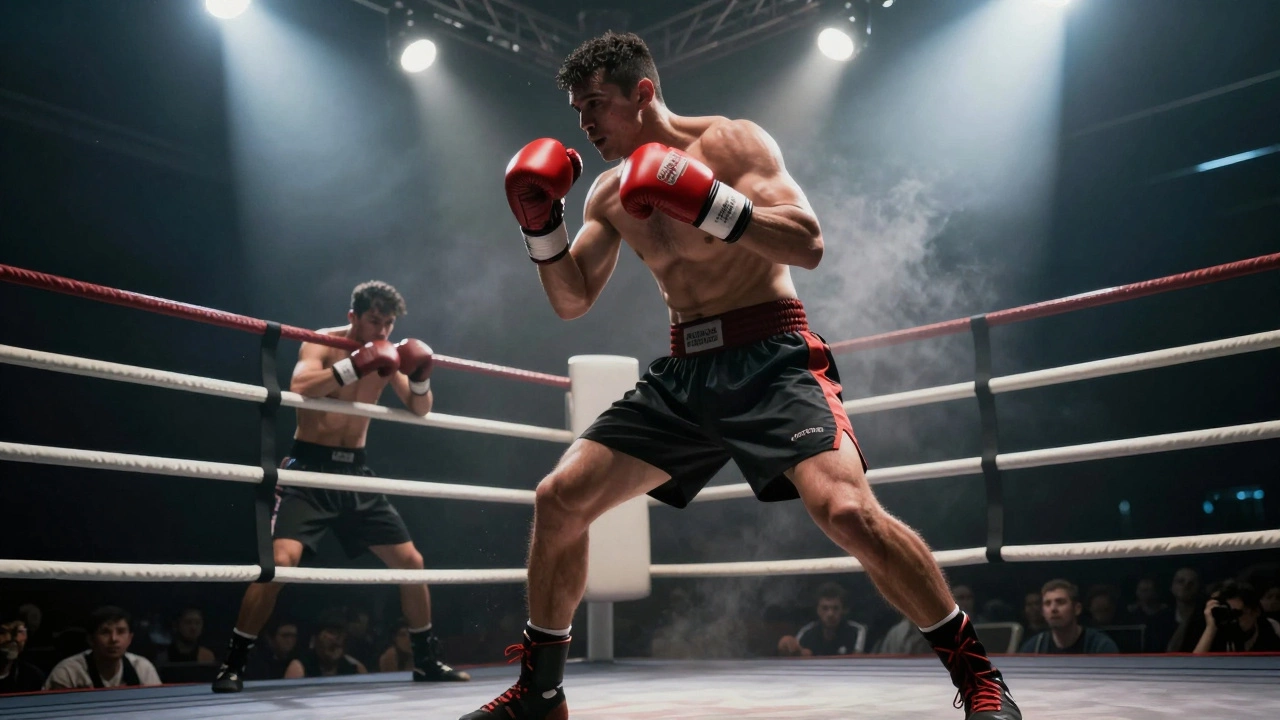
Let's start with the style that defines modern professional boxing aggression: pressure fighting. This isn't just about walking forward; it is about controlling space and time. A pressure fighter makes their opponent feel trapped from the very first bell. They don't wait for openings; they create them by forcing the action.
Think of Mike Tyson, a former WBC heavyweight champion known for his devastating power and peek-a-boo style in his prime. He didn't just punch; he invaded your personal space. He used head movement and bobbing to slip punches while closing the distance, making you feel claustrophobic. This style is aggressive because it denies the opponent any breathing room. You cannot plan, you cannot set traps, and you cannot relax. Every second is a crisis.
The key attribute here is pressure fighting. It requires immense cardiovascular endurance and mental toughness. If you stop moving, you get hit. If you try to box out, you get pushed into the ropes or corners. This style is often cited as the most aggressive because it is psychologically exhausting. The aggressor dictates the rhythm. You aren't fighting a person; you are fighting a tidal wave.
- Territory Control: Cutting off the ring rather than chasing.
- Pace: High intensity sustained over multiple rounds.
- Psychological Impact: Creates panic and errors in the opponent.
The Swarm Boxer: Volume Over Precision
Now, let's talk about the swarm style. This is often confused with pressure fighting, but there is a distinct difference. A swarmer throws combinations, not single shots. They aim to overwhelm the opponent's defense with sheer volume. If you block one punch, three more are already landing. This is the style of Floyd Mayweather Jr.'s opponents, particularly those who tried to match his output, but historically, it reminds us of fighters like Roberto Duran in certain fights or even Manny Pacquiao in his later career when he chose to press forward.
Swarming is aggressive in a chaotic way. It looks messy to the untrained eye, but it is calculated chaos. The goal is to land enough punches to cause cumulative damage and fatigue. It is the "fire hose" approach. You don't need to knock them out with one shot; you just need to drown them in leather.
This style is incredibly dangerous because it bypasses traditional defensive setups. Most boxers train to defend against specific combinations or feints. Against a swarmer, there are no clean patterns. It is a blur of motion. The aggression here is physical and visual. It is intimidating because it looks unstoppable. However, it carries high risk. If your accuracy drops below a certain threshold, you become a gas station, burning fuel without getting anywhere.
| Style | Primary Weapon | Key Attribute | Risk Factor |
|---|---|---|---|
| Pressure Fighting | Body shots & hooks | Suffocation & control | High cardio demand |
| Swarming | Combinations (3+ punches) | Volume & speed | Low accuracy efficiency |
| Brawling | Power shots & clinches | Durability & heart | High damage taken |
The Brawler: Willingness to Take Damage
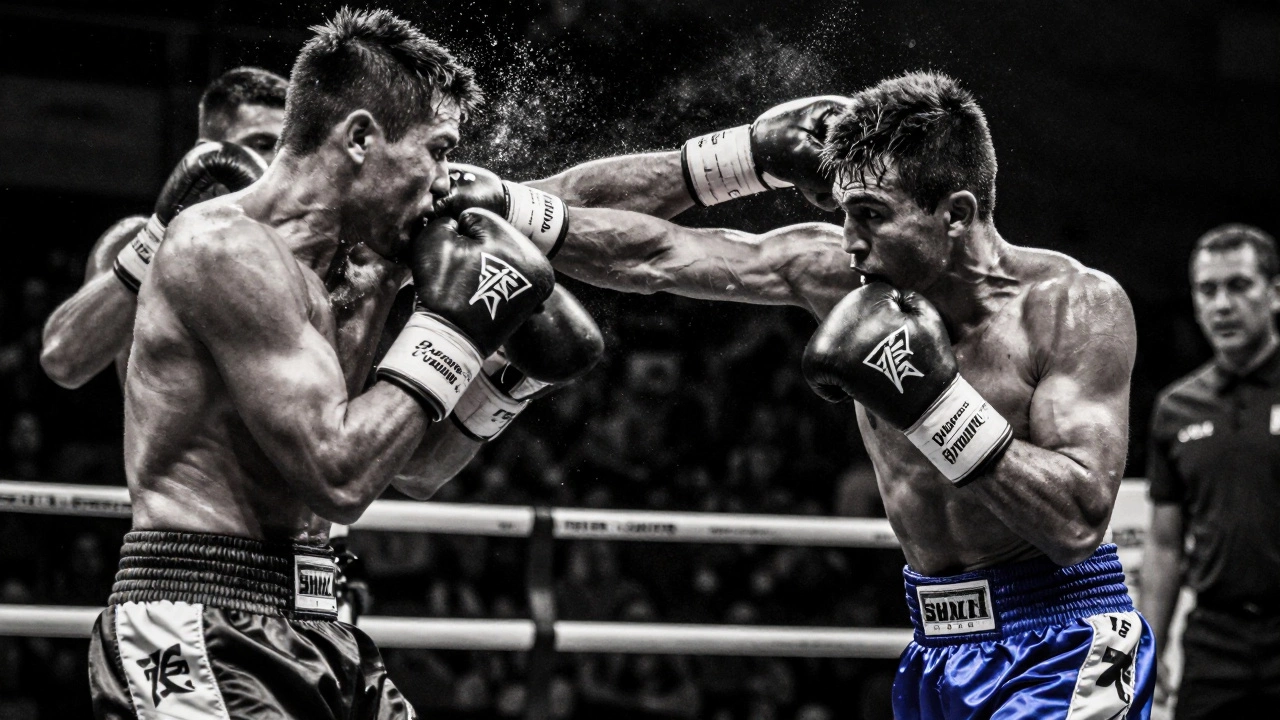
Here is where things get controversial. Many fans argue that the Brawler is the most aggressive style because they are willing to take a hit to give one. This is the "eye for an eye" mentality. Think of fighters like George Foreman, former heavyweight champion known for his knockout power and shell defense in his younger years, or Deontay Wilder in his prime. These fighters often walk through punches. They don't dodge; they absorb.
This style is aggressive in its defiance. It says, "You can hurt me, but I will hurt you worse." It relies on chin durability and explosive power. The aggression is emotional and visceral. It appeals to the primal part of the audience. When a brawler steps up, the fight becomes a war of attrition. There is no finesse, no dancing, no clever footwork. Just two people trying to end the other's night.
However, is it truly the *most* aggressive? Some might argue it is passive-aggressive because the brawler often waits for the opponent to make a mistake or commit too hard. But from a pure courage standpoint, it is unmatched. The willingness to sustain pain to deliver punishment is a unique form of aggression that separates the men from the boys.
Defensive Aggression: The Counter-Puncher's Trap
We cannot ignore the counter-puncher. Styles like the Peek-a-Boo, a boxing style characterized by constant head movement and tight guard or the classic Out-Boxing style can be aggressively deployed. When a fighter like Evander Holyfield or Canelo Alvarez steps in, they are not reacting; they are hunting. They use the opponent's aggression against them.
This is "calculated aggression." It is less visible but potentially more effective. The fighter lures you in, makes you think you have won the exchange, and then delivers a precise, damaging shot. It is aggressive in its intelligence. It breaks the opponent's spirit by making them feel foolish for attacking. While it may not look as frantic as swarming, the intent to dominate is just as strong.
Which Style Wins the Title?
So, which one is the most aggressive? If we define aggression as imposing your will on the opponent continuously, then pressure fighting takes the crown. It combines the forward momentum of the brawler with the tactical mind of the boxer. It does not allow the opponent to dictate terms. It is proactive, not reactive.
Swarming is close, but it can lack precision. Brawling is intense, but it is often reactive to the opponent's offense. Pressure fighting is the art of making the opponent live in your world. You control the distance, the pace, and the location. That is the ultimate expression of aggression in a sport built on control.
For amateur boxers or beginners looking to develop an aggressive style, start with footwork. You cannot pressure effectively if you cannot cut off the ring. Learn to move diagonally, not just straight ahead. Combine this with body shots. Hitting the body slows down the opponent, making them easier to trap. And remember, aggression without defense is suicide. Always keep your hands up, even when you are attacking.
FAQ
Is pressure fighting the same as swarming?
No, they are different. Pressure fighting focuses on controlling space and pace, often using single powerful shots or short combinations to push the opponent back. Swarming involves throwing a high volume of punches in rapid succession to overwhelm the opponent's defense, regardless of space control.
Who is the best example of a pressure fighter?
Mike Tyson is widely considered the gold standard for pressure fighting due to his ability to cut off the ring and smother opponents with the Peek-a-Boo style. Other notable examples include Evander Holyfield and Bernard Hopkins.
Can a brawler be considered aggressive?
Yes, brawlers are highly aggressive in terms of willingness to engage and take damage. Their aggression is defined by their refusal to retreat and their desire to trade heavy blows, even at the cost of their own safety.
What is the most effective aggressive style in modern boxing?
Modern boxing favors a hybrid approach. Pure brawling is rare because it leads to quick elimination. Most successful aggressive fighters combine pressure fighting with solid defensive skills, allowing them to attack relentlessly while minimizing damage taken.
How do you defend against a swarmer?
To defend against a swarmer, focus on blocking and slipping rather than trying to counter every punch. Use the clinch to reset the pace when overwhelmed. Maintain a strong center line and use long jabs to keep them at bay before they can enter their combination range.