Verdict
The a-ha moment when the cloud feels too soft
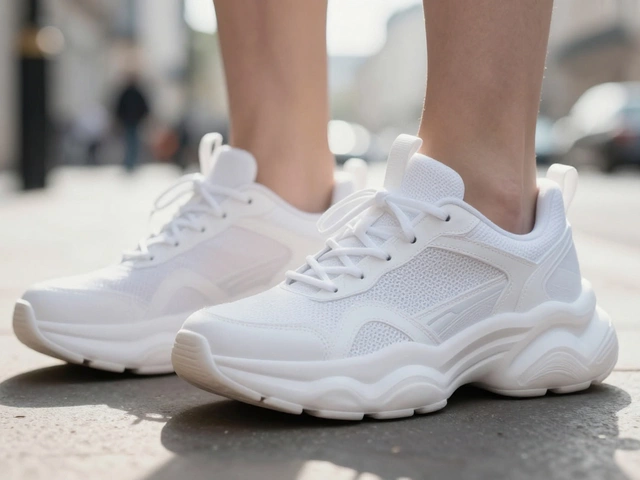
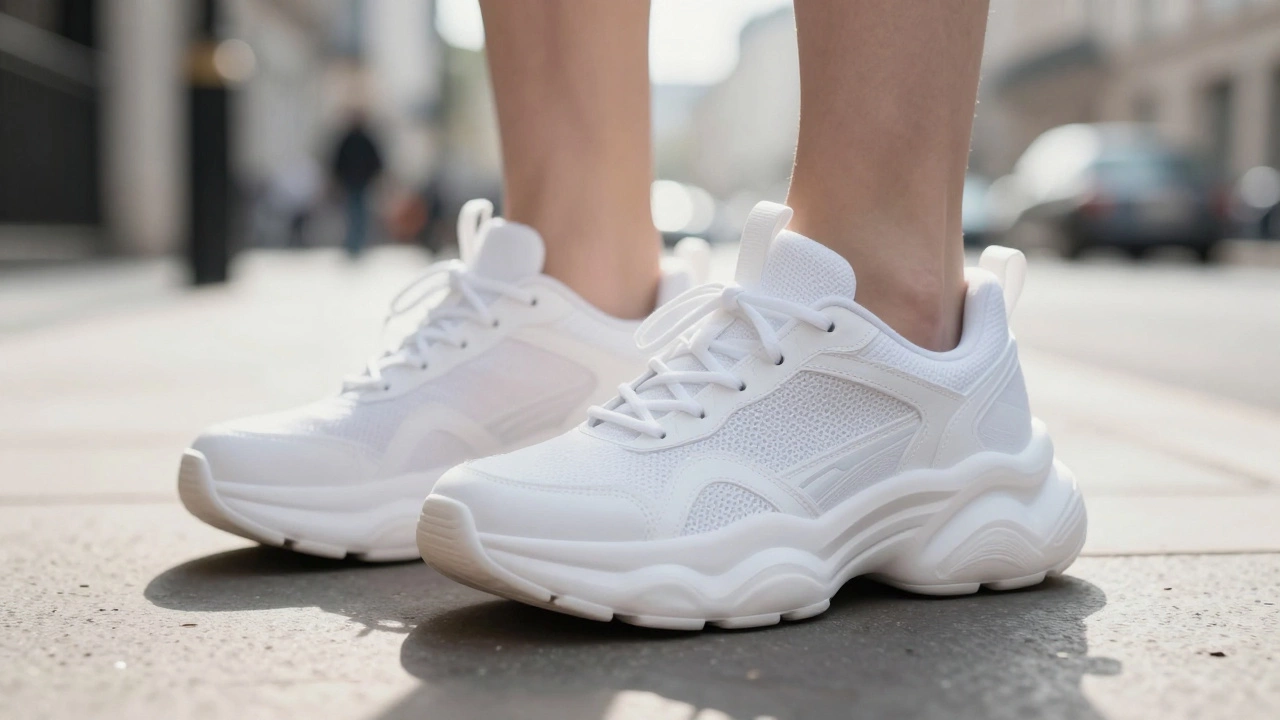
You see them everywhere. Those chunky, oversized soles that look like something out of a futuristic cartoon. For many, Hoka is a brand of maximalist athletic footwear known for oversized midsoles and a signature rocker shape. They promise a cloud-like experience that saves your joints and keeps you gliding. But here is the thing: no shoe is perfect for every foot, and that "cloud" can sometimes feel more like a swamp if you aren't the right fit.
If you are wondering why some seasoned runners still swear by thinner soles, it usually comes down to a few specific deal-breakers. Whether it is the price tag, the weird feel of the ground, or how fast the foam dies, there are some real downsides to wearing these behemoths. Let's get into the gritty details of where these shoes fall short.
| The Pro | The Con (The Trade-off) | Who it affects most |
|---|---|---|
| Extreme Cushioning | Reduced Ground Feel | Speed workers and sprinters |
| Joint Protection | Higher Stack Height/Instability | People with weak ankles |
| Rocker Geometry | Unnatural Gait for some | Walkers or slow joggers |
| Lightweight Foam | Faster Midsole Compression | Heavy runners (200lbs+) |
The disappearing act of the midsole
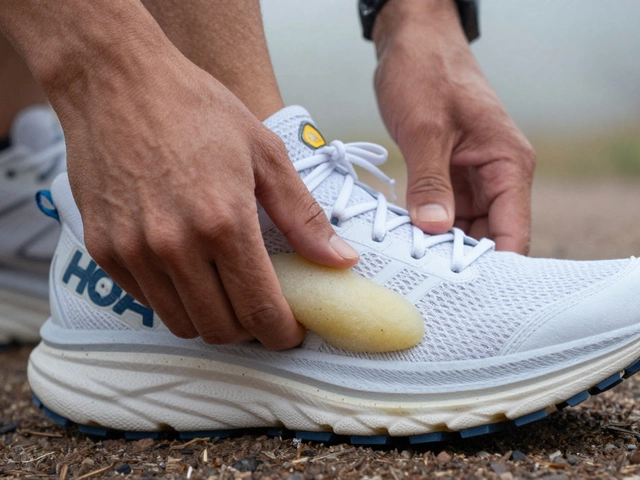
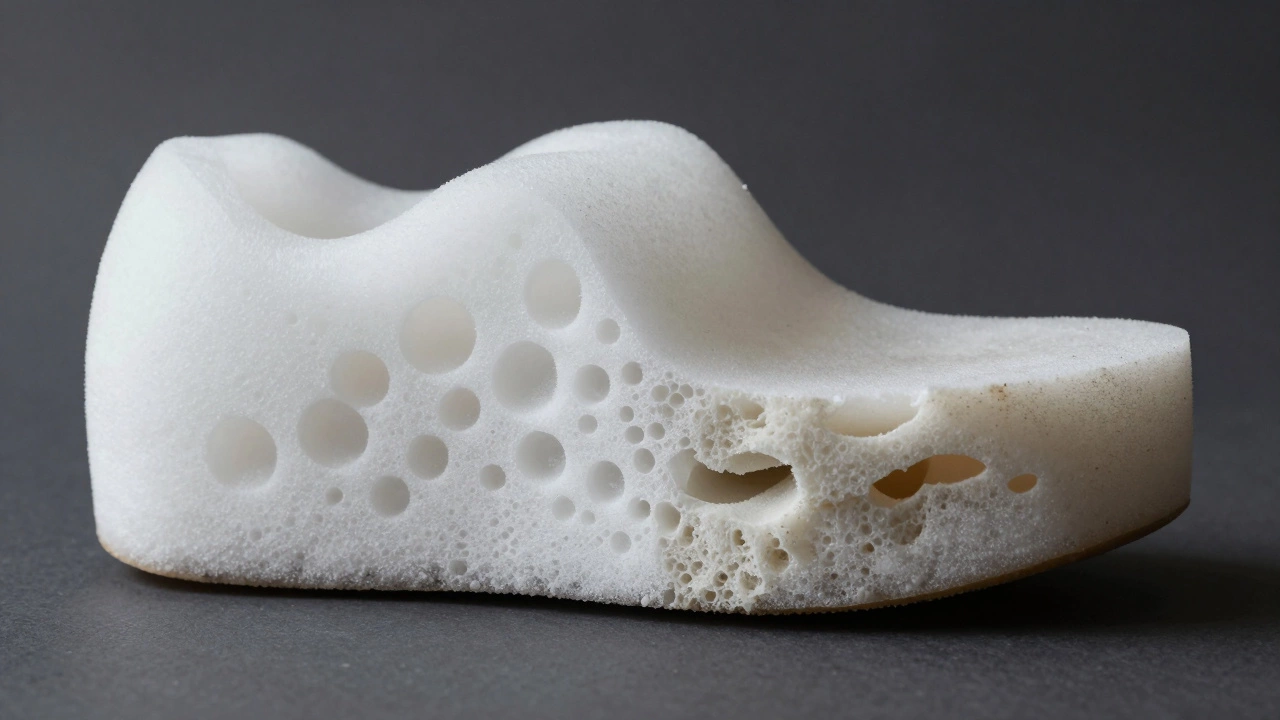
One of the biggest complaints you will hear from the community is about the lifespan. When you have a massive slab of EVA Foam (Ethylene Vinyl Acetate), it feels amazing for the first 100 miles. But then, something happens. The foam doesn't necessarily rip or tear, but it "bottoms out." This means the air bubbles in the foam collapse, and that plush feeling vanishes.
For a heavy runner or someone putting in 50 miles a week, this can happen surprisingly fast. You might find that after three months, the Hoka shoe drawbacks become obvious as the cushioning stops rebounding. Unlike some traditional trainers that feel consistent for 400 miles, some Hoka models can feel dead by mile 250. If you are paying $160 for a pair of shoes, having them lose their primary feature-the cushion-halfway through their expected life is a tough pill to swallow.
The disconnect from the earth
There is a concept in running called "proprioception." It is basically your brain's ability to sense where your foot is in relation to the ground. When you put a two-inch slab of foam between your skin and the pavement, you lose that connection. This is why some people find them unstable.
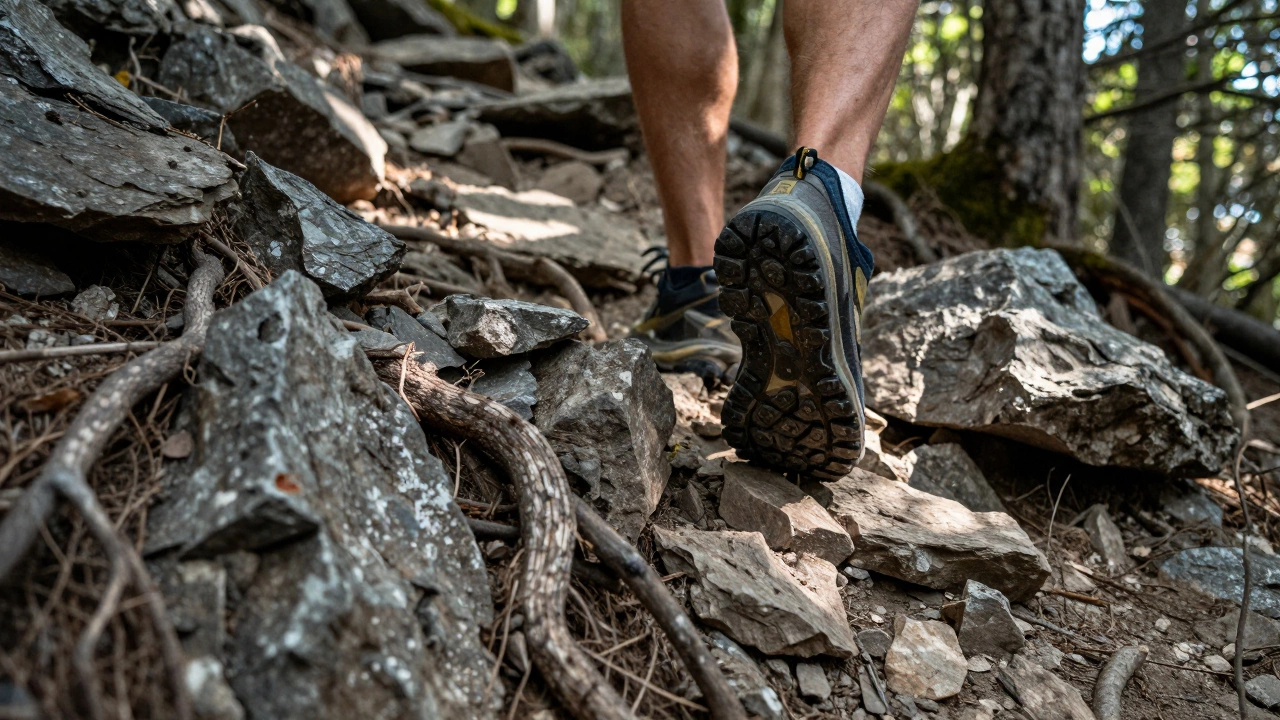
Imagine trying to balance on a marshmallow. If you land slightly off-center on a trail, a shoe with a high stack height can actually increase the risk of an ankle roll. Because the center of gravity is higher, the leverage acting on your ankle joint is greater. For road runners, this isn't a huge deal, but for anyone hitting technical trails with rocks and roots, that lack of ground feel can be a liability. You stop feeling the terrain and start relying entirely on the shoe's stability, which isn't always a winning bet.
The awkwardness of the rocker sole
Hoka uses what they call a "Meta-Rocker." Essentially, the sole is curved like a rocking chair to push you forward. In theory, this reduces the work your ankle has to do and creates a smoother transition. In reality, it can feel completely unnatural for certain foot types.
If you prefer to "push off" with your toes, the rocker can feel like it is fighting you. Instead of a natural snap at the end of your stride, you are essentially rolling forward. For some, this leads to a weird sensation in the calves or a feeling that they can't actually accelerate. If you're trying to do a fast interval session or a sprint, the rocker often gets in the way of a powerful toe-off, making the shoe feel more like a cruiser than a racer.
The price of the platform
Let's talk money. Hoka has positioned itself as a premium brand, and the pricing reflects that. While they aren't the most expensive shoes on the market, they are consistently at the higher end of the spectrum. When you combine the high entry price with the aforementioned foam degradation, the "cost per mile" can actually be higher than with a standard Brooks or Saucony model.
Furthermore, the aesthetics are polarizing. You are either wearing a giant neon marshmallow or a sleek, futuristic boot. There is very little middle ground. If you want a shoe that blends into a casual setting or looks like a traditional athletic sneaker, Hoka isn't the choice. You are making a loud fashion statement every time you step outside.
Sizing headaches and narrow fits
While they offer "wide" versions, many users report that the midfoot of Hoka shoes is surprisingly narrow. You might find a shoe that fits your toes perfectly but squeezes the middle of your foot, leading to hotspots or numbness during long runs. This is especially common in the Bondi and Clifton series, where the plushness of the upper can sometimes mask a narrow internal volume.
Adding to this is the weight. While they use lightweight foams, the sheer volume of material makes them bulkier than a minimal shoe. If you are used to a lightweight racing flat, putting on a pair of Hokas can feel like you're wearing moon boots. It takes a significant adjustment period for your muscles to get used to the different weight distribution.
Are Hoka shoes bad for your arches?
Not necessarily "bad," but they change how your foot works. The high cushion can reduce the need for your foot's natural arch to absorb shock, which some argue can lead to weaker foot muscles over time if you never wear anything else.
Why do my Hoka shoes wear out so fast on the bottom?
To keep the weight down, Hoka often uses a thinner layer of outsole rubber than traditional brands. This means the exposed foam can shred more quickly if you run on abrasive surfaces like hot asphalt or gravel.
Can I use Hoka shoes for walking or just running?
They are excellent for walking, especially for people who spend all day on their feet. However, the rocker sole is designed for a forward motion; if you stand still for long periods, the instability of the high stack can actually feel tiring.
Do Hoka shoes cause ankle instability?
For some, yes. Because the sole is so thick, your center of gravity is higher. If you land on an uneven surface, there is more "tip" potential than in a shoe that keeps your foot closer to the ground.
Is the rocker sole bad for beginners?
It's not bad, but it's an adjustment. Beginners might find it hard to find their balance or feel a strange pressure in their calves as they adapt to not pushing off their toes normally.
Finding the right balance
If you are worried about these cons, the best move is to test them in person. Don't just rely on reviews. A shoe that feels like a dream to a 150-lb marathoner might feel like a sinking ship to a 220-lb walker. If you prioritize ground feel and durability over plushness, you might find that a traditional trainer serves you better.
However, if you have chronic joint pain or need a recovery shoe for easy days, the drawbacks are often worth the trade-off. Just be prepared for the foam to age faster than you're used to and the feeling of being slightly detached from the pavement.