Sport Equipment Selection Guide
Select the primary goal of the gear you are looking for to see the recommended types, materials, and key considerations.
Functional
"I need equipment to actually play the game."
Protective
"I want to prevent injuries and stay safe."
Performance
"I want to increase my speed or efficiency."
Typical Materials:
-
Examples:
-
Key Takeaways on Athletic Gear
- Sport equipment is divided into functional tools, protective gear, and specialized apparel.
- High-quality gear reduces the risk of acute injuries like sprains or concussions.
- Technology, such as carbon fiber and smart sensors, is constantly changing how equipment performs.
- Choosing the right size and fit is more important than buying the most expensive brand.
The Different Categories of Gear
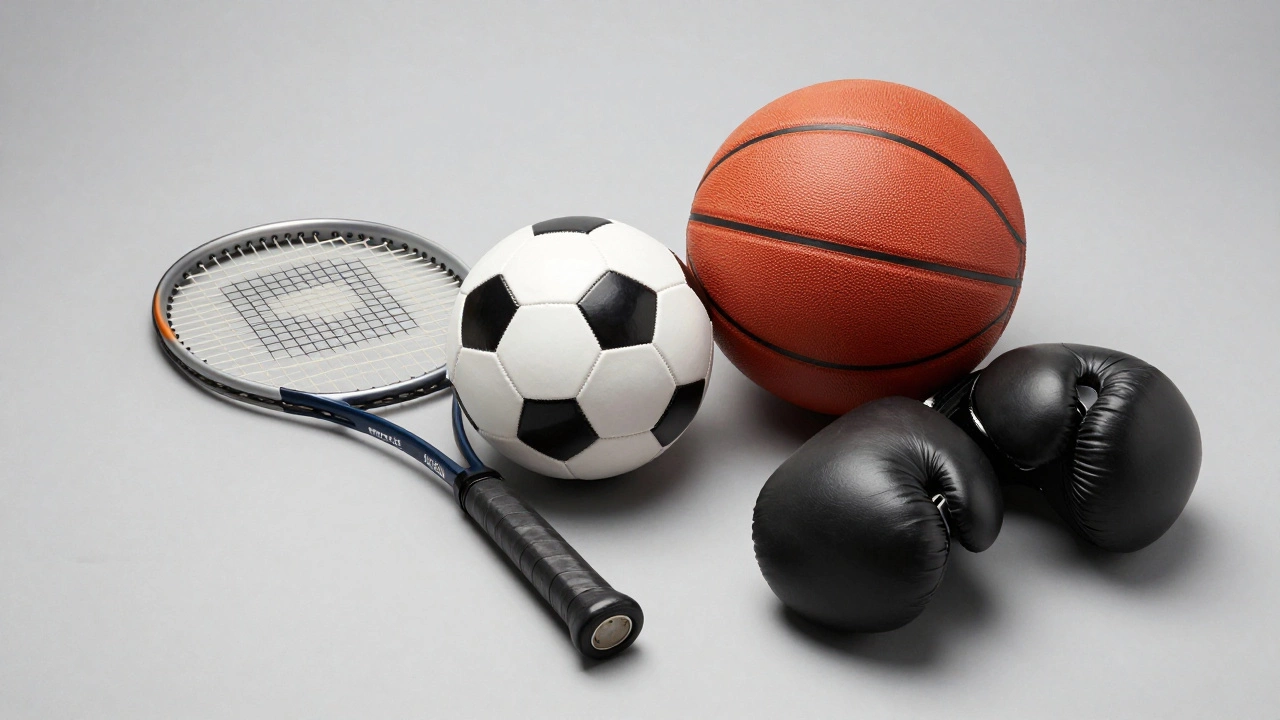
Not all gear serves the same purpose. If you look at a gym or a stadium, you'll see that equipment generally falls into three buckets: functional tools, protection, and performance wear. Functional tools are the objects you actually interact with to play the game. Think of a Tennis Racket or a basketball. Without these, the game literally cannot exist. These items are usually designed around strict regulations-like the weight of a bowling ball or the dimensions of a soccer goal-to ensure the game is fair for everyone. Then you have protective gear. This is the stuff that keeps you out of the emergency room. A Helmet in American football or shin guards in soccer aren't there to help you score more points, but to absorb impact. Modern protective gear uses materials like EVA foam or polycarbonate to disperse energy away from the body during a crash or collision. Finally, there's performance apparel. This isn't just "clothes." It's engineering you wear. Moisture-wicking fabrics, compression tights, and specialized footwear (like spikes for track and field) are designed to manage body temperature and increase grip. If your shoes slip on the turf, you lose speed; if your clothes soak up sweat like a sponge, you get heavy and tired faster.How Gear Impacts Performance and Safety
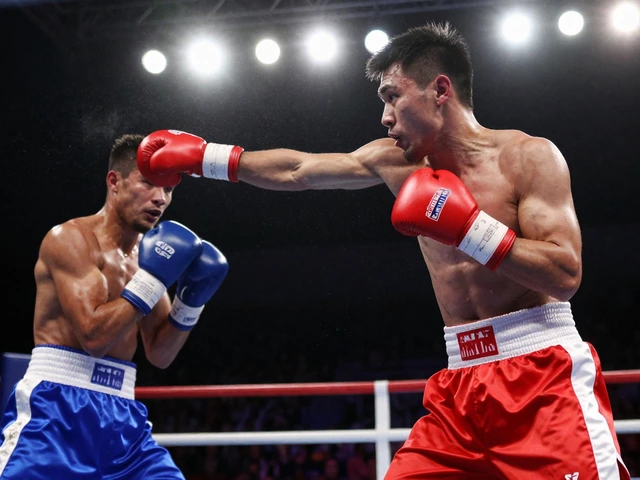
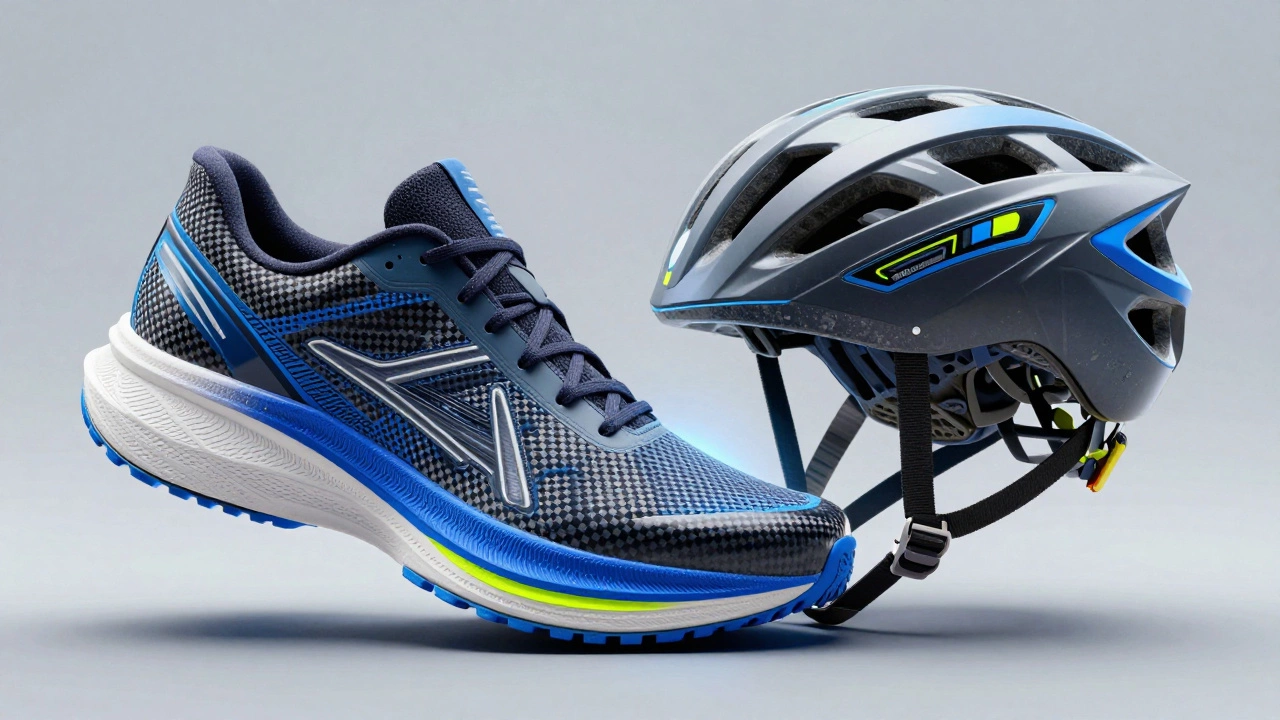
Why spend hundreds of dollars on a specific pair of shoes or a high-end racket? Because the physics of the equipment directly affects the outcome of the movement. Take Carbon Fiber as an example. In the last few years, this material has revolutionized running. "Super shoes" with carbon plates act like a spring, returning energy to the runner with every stride. This isn't just a marginal gain; it's allowing athletes to break records that were thought to be humanly impossible. But safety is the bigger priority. Poorly fitting equipment is often more dangerous than no equipment at all. A helmet that is too loose can slide during an impact, failing to protect the brain from a concussion. In sports like boxing, Boxing Gloves with the wrong padding can lead to chronic hand injuries or cause unnecessary damage to the opponent. The goal of safety gear is to mitigate risk without hindering the athlete's natural range of motion.| Equipment Type | Primary Goal | Key Material | Example |
|---|---|---|---|
| Functional | Game Execution | Leather, Composite, Rubber | Golf Club, Hockey Puck |
| Protective | Injury Prevention | Polycarbonate, Foam, Kevlar | Knee Pads, Mouthguards |
| Performance | Efficiency/Speed | Spandex, Gore-Tex, Carbon | Aero-helmets, Swimsuits |
Essential Gear for Popular Sport Disciplines
To understand what makes sport equipment a broad category, it helps to look at how it varies across different activities. Each sport has its own "kit"-a set of required items that a player must own to be competitive. In Cycling, the equipment is heavily focused on aerodynamics and mechanical efficiency. You have the bike (the central tool), the helmet (safety), and cycling shoes that clip into pedals to ensure a smooth power transfer from the leg to the chain. Contrast that with Swimming. Here, the equipment is about reducing friction. A competitive swimsuit is made of hydrophobic material to glide through the water, and goggles are essential not just for vision, but to protect the eyes from chlorine or salt water. In contact sports like Rugby or American Football, the gear is an armor system. It includes shoulder pads, mouthguards, and cleats. The cleats are a great example of a dual-purpose item: they provide the traction needed to change direction instantly (performance) while protecting the ankle from rolling on soft grass (safety).Buying Gear: What Actually Matters?
When you're shopping for gear, it's easy to get blinded by marketing. You see a professional athlete endorsing a $300 racket and think that's what you need. But for most people, the most expensive option isn't the best one-the one that fits your specific body and skill level is. First, consider your level of experience. If you're just starting out, "entry-level" gear is usually designed to be more forgiving. A beginner's tennis racket often has a larger head, meaning you're more likely to hit the ball even if your swing isn't perfect. A pro's racket has a smaller "sweet spot," requiring precise technique to get any power. Second, check the certifications. If you're buying a helmet or a chest protector, look for stamps from recognized safety boards. In the US, you'll often see certifications from organizations that test impact resistance. If a piece of safety gear doesn't have a certification mark, it's basically a plastic toy, not protective equipment. Lastly, don't ignore the maintenance. Gear doesn't last forever. Rubber degrades, leather cracks, and foam loses its shock-absorbing properties. Replacing a worn-out pair of running shoes every 300 to 500 miles isn't about fashion; it's about preventing shin splints and stress fractures.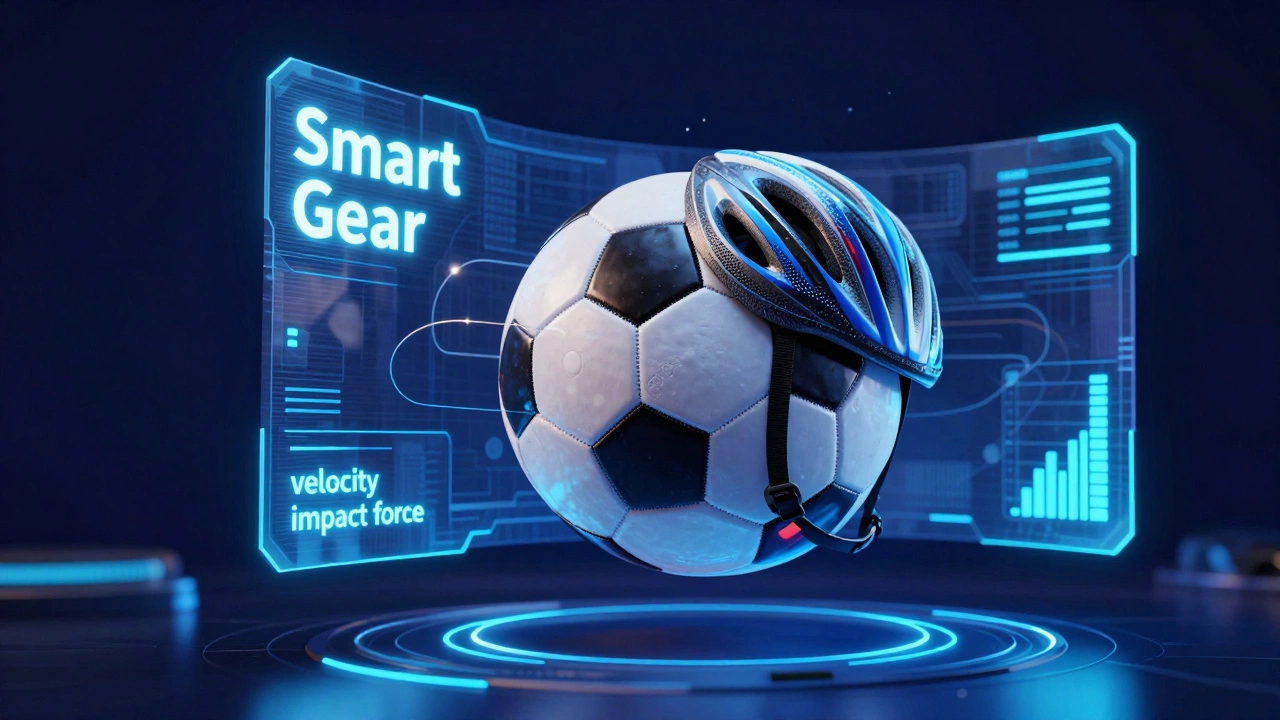
The Future of Sport Equipment
We are moving into an era of "smart gear." We're no longer just talking about static objects; we're talking about equipment with embedded electronics. Wearable tech is now integrated directly into the gear. For example, some soccer balls now have sensors inside that track spin, velocity, and trajectory. In the NFL, some helmets have sensors to detect the force of a hit in real-time, allowing trainers to pull a player out of a game for a concussion check before the player even feels the symptoms. We're also seeing a massive shift toward sustainable materials. Traditional sports gear relied heavily on plastics and petroleum-based synthetics. Now, brands are experimenting with recycled ocean plastic for jerseys and bio-based foams for shoe midsoles. The goal is to maintain the same performance levels while reducing the environmental footprint of the sporting goods industry.Common Mistakes When Choosing Equipment
Many people make the mistake of buying for the athlete they *want* to be, rather than the athlete they *are*. This leads to buying professional-grade equipment that is actually harder to use. Another common error is neglecting the "small" gear. People will spend $200 on a gym membership and $150 on fancy leggings but ignore a good pair of socks. In sports like running or hiking, a bad sock leads to blisters, and blisters lead to you quitting your workout. The smallest piece of equipment can often be the biggest point of failure in your performance. Finally, avoid the "one size fits all" trap. Especially with protective gear like guards or helmets, an oversized item is effectively useless. If a mouthguard is too big, it can interfere with your breathing; if a shin guard is too small, it leaves the most vulnerable parts of your leg exposed. Always use a sizing chart or, better yet, try the gear on in person.Does expensive equipment always mean better performance?
Not necessarily. High-end gear is often designed for professional athletes who have a very specific, refined technique. For a beginner, professional gear can actually be harder to use because it's less forgiving. The "best" equipment is the one that fits your current skill level and body type perfectly.
How often should I replace my sport equipment?
It depends on the item. Running shoes should typically be replaced every 300-500 miles. Helmets should be replaced immediately after a significant impact, even if there are no visible cracks, as the internal foam may have collapsed. General tools like rackets or balls should be replaced when they show visible wear and tear that affects their bounce or balance.
What is the difference between athletic apparel and sport equipment?
While the terms are often used interchangeably, apparel refers to the clothing you wear (jerseys, leggings, socks), whereas equipment refers to the tools used to play the game (balls, bats, nets) and the gear used for protection (helmets, pads). However, performance apparel that provides a functional advantage (like a high-tech swimsuit) is often categorized as equipment in a professional context.
Can I use equipment designed for one sport in another?
Generally, it's a bad idea. For example, using running shoes for lateral movements in tennis or basketball can lead to ankle sprains because running shoes are designed for forward motion, not side-to-side stability. Similarly, a helmet designed for biking won't provide the same impact protection as a football helmet. Always use gear specific to the sport you are playing.
What should I look for when buying safety gear?
Look for official safety certifications (like ASTM or CE marks), a snug but comfortable fit, and reviews from athletes in your specific sport. Ensure the materials are durable and that the gear doesn't restrict your necessary movements. If you can't find a certification mark on a piece of protective gear, be very cautious about its effectiveness.