Tennis Player Type Quiz
Find Your Tennis Style
Answer these 4 questions to discover which of the 4 tennis player types you most closely match.
Not all tennis players play the same way. You’ve seen it: one guy blasts winners from the baseline, another charges the net like they’re late for dinner, and some just outlast everyone with endless rallies. It’s not just about skill-it’s about style. And there are only four real types of tennis players, no matter the level or surface. Understanding these styles helps you pick the right game plan, whether you’re coaching, competing, or just trying to beat your buddy on the weekend.
Baseliner
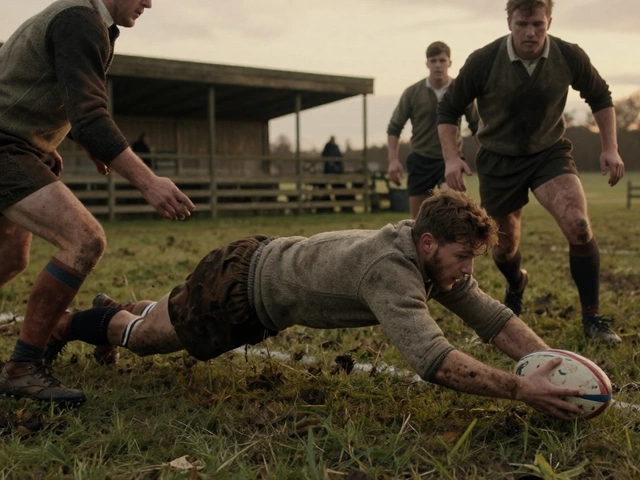
The baseliner lives behind the baseline. They don’t rush forward. They don’t chase volleys. They win by consistency, depth, and patience. Think Rafael Nadal on clay or Novak Djokovic on hard courts. Their goal isn’t to end the point quickly-it’s to make you miss.
Baseliners hit heavy topspin, especially on the forehand. They push the ball deep into the corners, forcing you to move. When you step in to attack, they slide the ball wide or crosscourt, keeping you off balance. Their weakness? Net play. If you can get them on the run and force a short ball, they’ll struggle to finish the point. But if you give them time, they’ll outlast you.
They’re the most common type on the pro tour today, especially on slower surfaces. On clay, 80% of top 10 players are pure baseliners. Even on faster courts, their game has evolved. Modern baseliners like Carlos Alcaraz still stay back, but now they hit flatter, faster balls and mix in drop shots. They’re not just grinding-they’re attacking from the back.
Net Rusher
The net rusher doesn’t wait for mistakes. They create them. They come to the net after every serve, every approach shot, every short ball. Think Pete Sampras or Stefan Edberg. Their game is built on speed, reflexes, and precision volleys.
They don’t rely on power from the baseline. Instead, they use a solid serve-and-volley or a well-timed approach shot to get forward. Once at the net, they cut off angles, block returns, and put away volleys with minimal motion. Their biggest weapon? Time. They take the ball early and force you to hit passing shots under pressure.
The downside? They’re vulnerable to good passing shots and lobs. If your opponent has a reliable topspin lob or can hit a sharp crosscourt pass, the net rusher has no time to recover. That’s why this style faded after the 1990s-court surfaces got slower, and returns got stronger. But it’s still deadly on fast grass courts. At Wimbledon, you’ll still see players like Carlos Alcaraz or Jannik Sinner come in after a big first serve. It’s not dead-it’s just rare.
All-Court Player
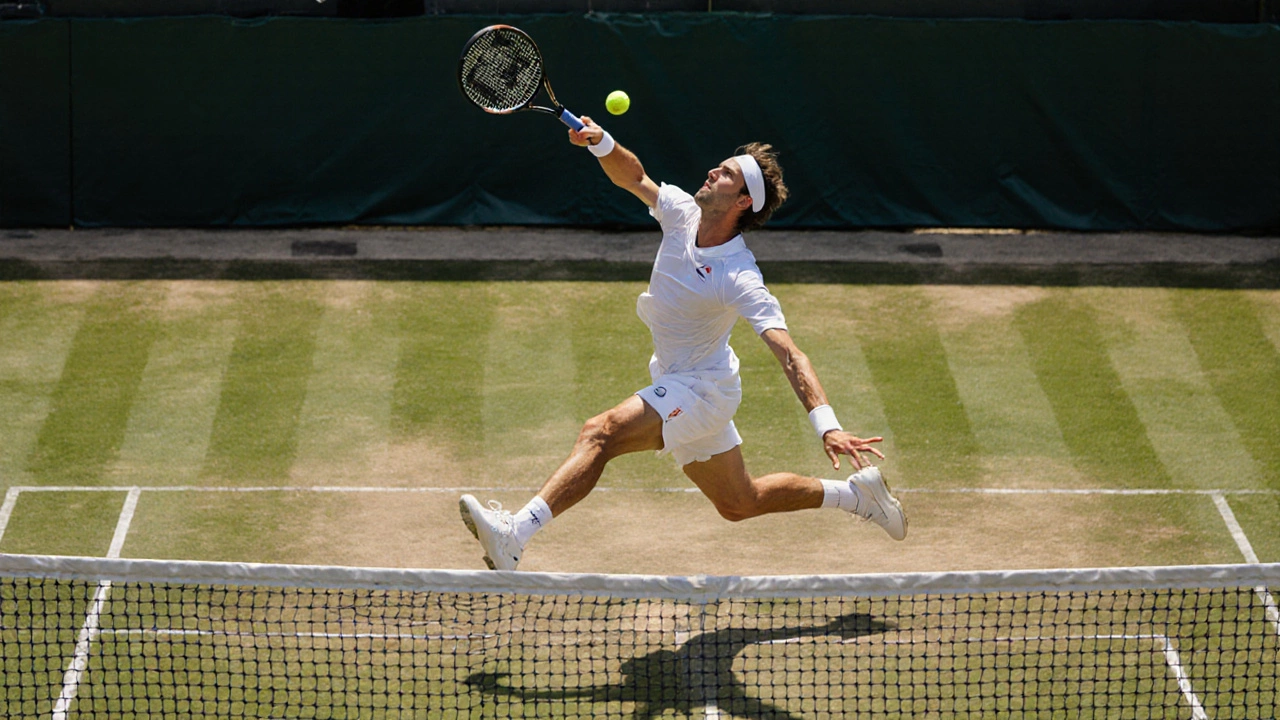
The all-court player is the complete package. They can hit from the baseline, charge the net, defend from deep, and finish at the net. Roger Federer is the textbook example. So is Andy Murray. They don’t fit neatly into one box because they switch styles mid-point.
They use the whole court. They’ll drop shot you, then follow it in. They’ll hit a deep topspin to pull you back, then sprint forward on the next ball. Their footwork is elite. Their shot selection is unpredictable. They don’t have a single weakness because they adapt to every opponent.
This style requires the most skill and athleticism. It’s hard to coach because it’s not a system-it’s a mindset. All-court players read the game like chess. They know when to stay back, when to attack, and when to change pace. That’s why they’re rare. Most players specialize. Only the best learn to do it all.
On the ATP tour today, less than 15% of top 20 players are true all-court players. But when they show up, they’re the hardest to beat. They don’t just win points-they control the rhythm of the match.
Counterpuncher
The counterpuncher doesn’t hit winners. They make you hit winners. They’re the ultimate defensive players. Think David Ferrer, Stan Wawrinka (early career), or even Iga Świątek on her worst days. They don’t overpower you. They outthink you.
They stand deep behind the baseline, often a full step or two back. They return everything. Their strokes are compact, low-risk, and ultra-consistent. They don’t try to hit you off the court. They just keep the ball in play until you make a mistake. Their forehand might not be a weapon, but it’s rock solid. Their backhand? Usually two-handed, stable, and reliable.
They win by forcing errors. If you go for a big shot, they’ll redirect it. If you try to pass them, they’ll block it back. If you serve and volley, they’ll lob it over your head. They don’t need to be aggressive-they just need to be patient. Their weakness? They rarely win outright. Against a big server or net rusher, they can get stuck on defense for long stretches.
Counterpunchers thrive on clay and slow hard courts. On grass? They struggle. But on slower surfaces, they’re nightmares. In the 2024 French Open, three of the top four players were counterpunchers. They don’t win with flair. They win with endurance.

Which Type Are You?
If you’re trying to improve your game, the first step is knowing your type. Most recreational players think they’re all-court players. They’re not. They’re just confused.
Ask yourself:
- Do you feel comfortable at the net, or do you dread it?
- Do you win more points with winners or with your opponent’s errors?
- Do you prefer long rallies or quick points?
- Do you like to dictate play, or do you react to your opponent?
If you love staying back and grinding, you’re a baseliner. If you jump at every short ball and charge forward, you’re a net rusher. If you mix it up and adapt mid-point, you’re all-court. If you just keep the ball in play and wait, you’re a counterpuncher.
Once you know your type, you can build your game around it. A baseliner doesn’t need to learn net play. A net rusher doesn’t need to win 40-shot rallies. Play to your strengths. Then, add one or two tools to cover your weaknesses.
Why It Matters
Knowing these four types isn’t just for pros. It’s for anyone who plays tennis regularly. If you know your opponent’s style, you can pick the right strategy.
Against a baseliner? Don’t give them time. Hit short balls, come in, and finish the point. Against a net rusher? Hit deep, high lobs or sharp passing shots. Against a counterpuncher? Be patient. Don’t force winners. Make them move and wait for the opening.
Even in doubles, this matters. If your partner is a net rusher and you’re a baseliner, you’ve got a classic combo. If both of you are counterpunchers? You’ll lose to any team with aggression.
Tennis isn’t just about how hard you hit. It’s about how you think. The four types aren’t just styles-they’re mental frameworks. Master your type, understand yours, and you’ll win more matches without needing a better serve or a bigger forehand.
Can a player change their type over time?
Yes, but it’s rare and usually forced by injury, age, or surface. A net rusher might become a baseliner if knee problems make it hard to charge forward. A counterpuncher might start attacking more as they gain confidence or power. Most players stick to their natural style, but elite players often adapt. Roger Federer added more net play as he aged. Rafael Nadal became more aggressive on hard courts. Change is possible, but it takes years of work.
Is one type better than the others?
No. Each type can win Grand Slams. Baseliners dominate clay. Net rushers win Wimbledon. Counterpunchers thrive on slow hard courts. All-court players win everywhere. The best type is the one that fits your body, mind, and practice habits. Trying to be something you’re not will only lead to frustration. Play to your strengths.
Why are there so few net rushers today?
Modern rackets, strings, and court surfaces make returns harder. Players can now hit powerful, deep returns from anywhere on the court. Net rushers don’t have time to react. Also, training focuses more on baseline consistency than net skills. The serve-and-volley game isn’t dead-it’s just harder to pull off without perfect timing and elite reflexes.
Can a counterpuncher beat a baseliner?
Yes, but only if the counterpuncher is more consistent. Since both players stay back, the winner is whoever makes fewer errors. Counterpunchers win by forcing the baseliner to hit one more shot than they want. It’s a battle of endurance. If the baseliner gets impatient and goes for too much, the counterpuncher wins. If the baseliner stays calm and keeps depth, they’ll outlast the counterpuncher.
What’s the best way to train if I’m a baseliner?
Focus on consistency, depth, and footwork. Practice hitting 50 consecutive deep groundstrokes without error. Work on your topspin and side spin to keep the ball low and bounce high. Learn to move laterally quickly. Don’t waste time on net play unless you want to add variety. Your goal is to make your opponent move and miss-not to win every point with a winner.