Golf Shot Diagnostician
Did you just hit a terrible shot? Don't guess. Describe what happened below to identify the specific error and learn how to fix it.
What Happened?
Primary Cause
How To Fix It:
You swing the club, hear that sickening thud or weird click, and watch your ball disappear into the woods. You know it’s bad, but what do you actually call it? "Shank," "slice," or just "a disaster"? The truth is, golf has dozens of names for bad shots, each describing a specific way things went wrong. Knowing the difference helps you fix your game faster than just yelling at the sky.
The Most Common Culprits: Shank, Slice, and Hook
Let’s start with the big three. These are the terms you’ll hear most often on the course because they’re the most frequent mistakes made by amateur players.
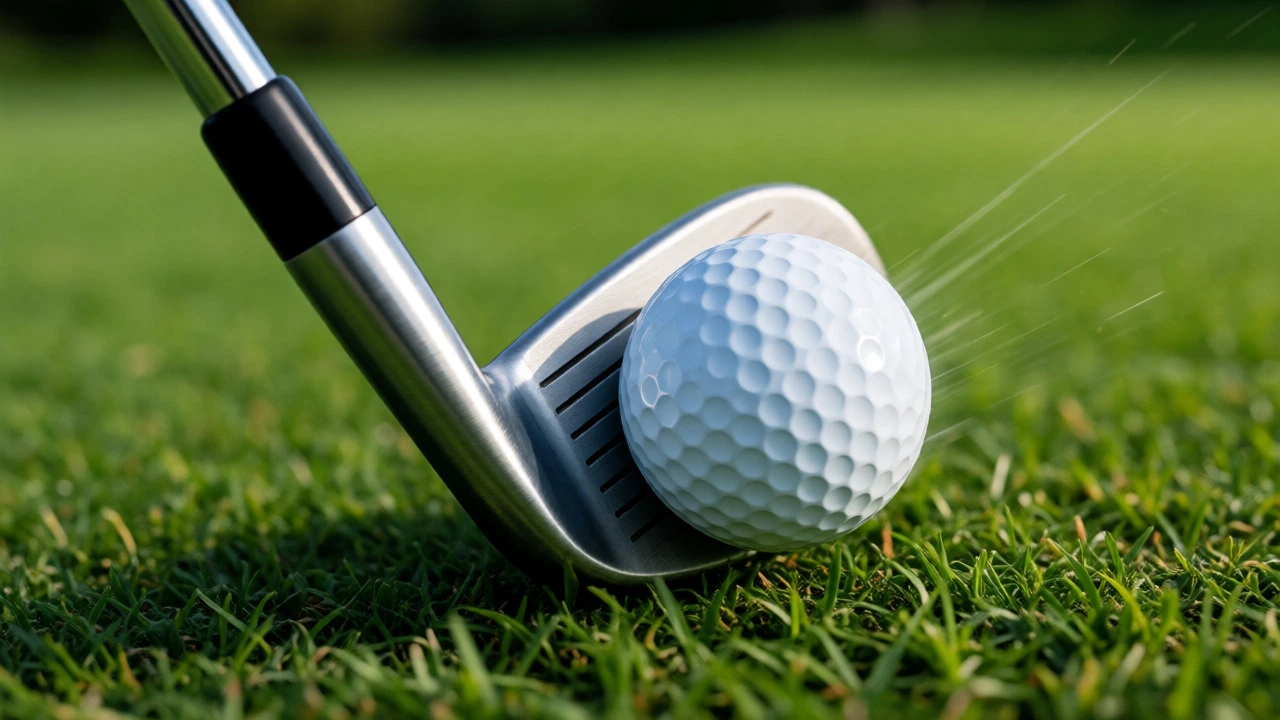
A Shank is a catastrophic mishit where the ball strikes the hosel (the neck) of the iron instead of the clubface. This sends the ball shooting sharply to the right for right-handed players (left for lefties). It’s terrifying because once you hit one, you tend to panic and hit another. The cause? Usually an over-the-top swing path or standing too close to the ball. If you feel like your clubhead is moving outward away from your body, you’re likely shanking.
Then there’s the Slice, which is a shot that curves aggressively from left to right (for right-handers). Unlike a shank, a slice usually travels some distance but ends up in the rough or trees. It happens when the clubface is open relative to the swing path at impact. Think of it as brushing across the ball rather than hitting it squarely. A mild version is called a "fade," which pros use intentionally. But when it’s out of control, it’s a slice.
The opposite is the Hook, defined as a shot that curves violently from right to left (for right-handers). Hooks are dangerous because they can roll far after landing. They occur when the clubface is closed relative to the path. Many beginners try to "save" a slice by swinging harder, only to hook it worse. Balance is key here.
Contact Errors: Fat, Thin, Whiff, and Chunk
Not all bad shots curve. Some are about pure contact failure. These are humbling because they often result in zero forward progress or wild distance errors.
A Fat Shot (or Chunk) is when the club strikes the ground before the ball. You dig a divot behind the ball, and the shot barely moves. It feels heavy and jarring in your hands. This usually happens when you hang back on your downswing or reverse pivot. On short irons, a fat shot might go 50 yards instead of 150. Ouch.
The opposite is a Thin Shot (or Skull), which occurs when the leading edge of the club strikes the middle or upper half of the ball. The ball rockets low and fast, often skipping well past the green. Thin shots happen when you stand up too early during the swing, raising the bottom of your arc. They’re notorious for causing double bogeys because you have to play your next shot from off the green.
And then there’s the Whiff (or Air Shot), where you swing completely through the ball without touching it. Believe it or not, this counts as a stroke. It’s rare but embarrassing. It usually happens when you’re tense or trying to hit too hard.
Short Game Disasters: Yips, Sculls, and Blades
Putting and chipping have their own vocabulary for failure. If you miss putts, you might be dealing with the yips.
The Yips refers to a neurological condition or psychological block causing involuntary wrist spasms during putting or chipping. It’s not just "being nervous." It’s a physical jerk that ruins your stroke. Tiger Woods and Bernhard Langer have both spoken openly about battling the yips. If your putter face jerks open or closed at impact, you’ve got them.
On chips, a Scull is when the leading edge catches the bottom of the ball, launching it high and long unexpectedly. It’s similar to a thin shot but more common around the greens. Conversely, a Blade is a clean strike on the center of the clubface, but with too much force or poor loft management, sending the ball racing past the hole. Pros blade it sometimes; amateurs do it constantly.
Why Names Matter More Than You Think
So why learn all these terms? Because "I hit it bad" doesn’t help your coach. "I sliced it because my grip was weak" does. Each name points to a specific mechanical flaw.
- Shank: Fix your stance width or swing path.
- Fat: Check your weight transfer and posture.
- Thin: Maintain spine angle through impact.
- Slice: Strengthen your grip or align your shoulders.
- Yips: Change your grip style or switch putters.
When you label the error correctly, you stop guessing. You start troubleshooting. That’s how you lower your score.
| Shot Name | Description | Primary Cause | Typical Result |
|---|---|---|---|
| Shank | Hosel contact | Outward swing path | Sharp right deviation |
| Slice | Left-to-right curve | Open clubface | Loss of distance/direction |
| Fat | Ground-first contact | Reverse pivot/hanging back | Short, low trajectory |
| Thin | Leading edge contact | Standing up early | Long, low runner |
| Whiff | No contact | Tension/mistiming | Zero distance + penalty |

How to Fix Your Worst Offender
Once you know what you’re hitting, here’s how to tackle the big ones.
For Shanks: Try placing a headcover outside your ball. If you hit it, you’re coming over the top. Widen your stance slightly and focus on keeping your hands closer to your body during the downswing.
For Slices: Strengthen your grip by rotating your hands clockwise (right hand) on the grip. Align your feet parallel to the target line, not open. Feel like you’re swinging out to right field.
For Fat Shots: Practice hitting balls with a tee placed just behind the ball. Aim to clip the tee. This forces you to strike the ball first. Keep your head steady and avoid dipping your shoulders.
For Thin Shots: Focus on maintaining your posture through impact. Imagine there’s a glass of water on your head-don’t spill it by standing up. Accelerate smoothly, don’t rush the downswing.
Final Thoughts on Embracing the Mistake
Every pro hits shanks, slices, and whiffs. The difference is they recover quickly. Don’t let a bad shot ruin your round. Identify it, laugh it off, and adjust your next swing. Golf is a game of misses, so make sure you’re missing in the right places-and knowing exactly why.
What is the worst bad shot in golf?
Most golfers consider the shank the worst because it’s unpredictable, sends the ball wildly off-target, and tends to happen repeatedly once you start doubting yourself. However, a whiff is arguably more embarrassing since you swing and miss entirely.
Is a slice always a bad shot?
No. A controlled slice (often called a fade) is a standard shot shape used by many professionals to navigate dogleg holes or avoid hazards. It only becomes a "bad" shot when it curves uncontrollably and loses significant distance.
Why do I keep hitting fat shots?
Fat shots usually happen because you’re hanging back on your right foot (for right-handers) or reversing your pivot. This causes the low point of your swing to move behind the ball. Focus on transferring your weight to your front side before impact.
What is the difference between a chunk and a fat shot?
They are essentially the same thing. "Fat" is the more common term among casual players, while "chunk" is often used interchangeably. Both describe striking the ground before the ball, resulting in a loss of distance and energy.
Can anxiety cause the yips?
Yes, performance anxiety can trigger or worsen the yips, especially in putting. It’s often linked to focal dystonia, a neurological issue, but stress makes the symptoms more pronounced. Changing your grip or using a different putter length can sometimes bypass the neural pathway causing the spasm.