Smart Gear Matchmaker
Not sure where to start? Answer three quick questions to find the best entry-level smart gear for your needs.
Recommended Start:
--
--
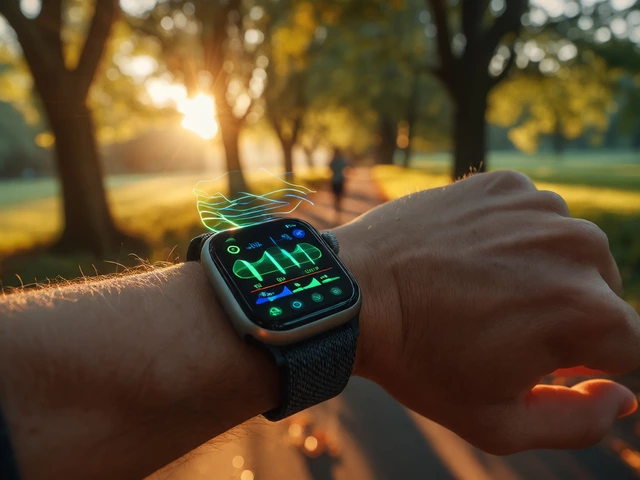
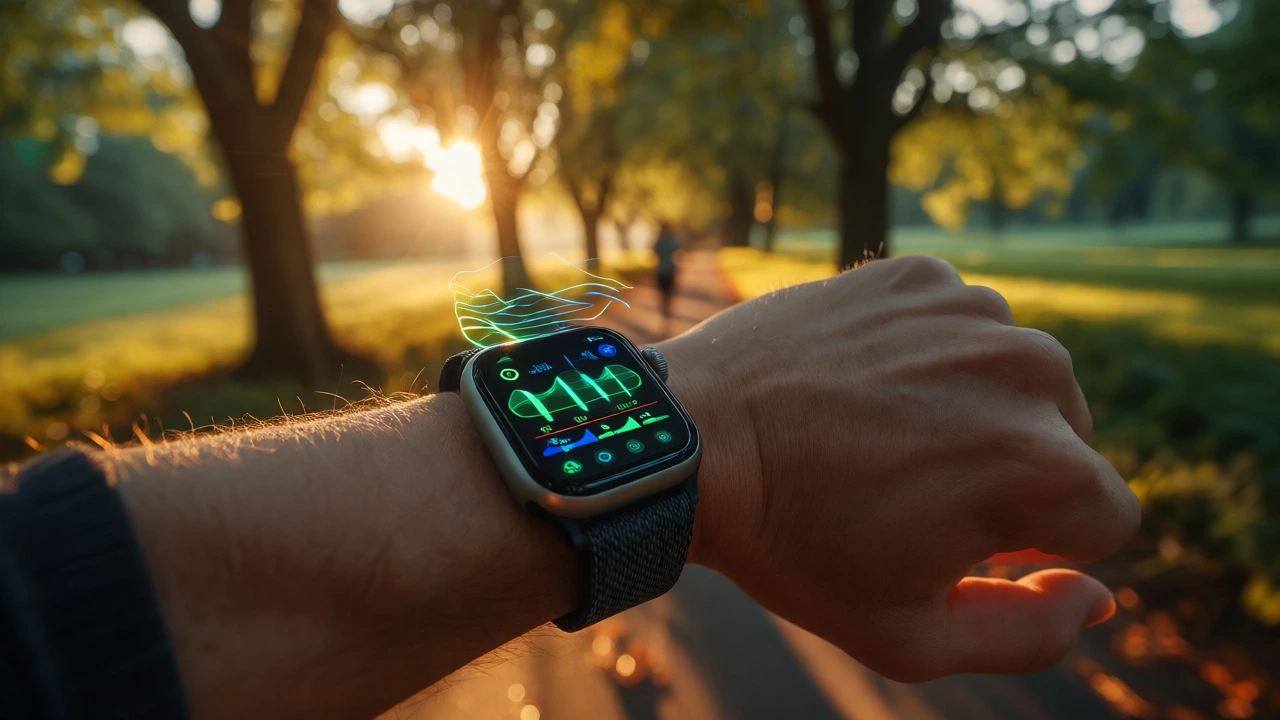
You lace up your shoes, check your watch, and head out for a run. But wait-that watch isn’t just telling you the time anymore. It’s counting your steps, measuring your heart rate, and maybe even suggesting when to slow down. This is the world of smart sports equipment, athletic gear embedded with sensors, connectivity, and software that collects data on performance. It sounds futuristic, but it’s already in gyms, backyards, and living rooms across Australia.
Why does this matter? Because guessing how hard you worked is over. Now, you can see exactly what happened during your session. Whether you’re a weekend warrior trying to beat last week’s score or a semi-pro athlete refining technique, understanding this tech helps you get more from every drop of sweat. Let’s break down what it actually is, how it works, and whether you need it.
Defining Smart Sports Equipment
At its core, smart sports equipment is any physical object used for exercise that connects digitally to track, analyze, or enhance performance. Unlike traditional gear-like a plain dumbbell or a standard tennis racket-smart versions contain electronics. These usually include accelerometers, gyroscopes, GPS modules, or pressure sensors. They communicate via Bluetooth or Wi-Fi to an app on your phone or tablet.
Think of it as adding a brain to your brawn. A regular skipping rope just swings; a smart skipping rope counts jumps, tracks speed, and calculates calories burned in real-time. The key differentiator is data feedback. If the equipment doesn’t send information back to you, it’s not smart-it’s just digital.
This category spans everything from wearables like smartwatches to embedded gear like connected basketballs. The goal is always the same: quantify the unquantifiable aspects of movement, such as swing angle, impact force, or recovery efficiency.
The Core Components That Make Gear 'Smart'
You might wonder what’s actually inside these devices. It’s rarely magic; it’s engineering. Most smart sports equipment relies on three main components working together.
- Sensors: These are the eyes and ears. Accelerometers measure movement direction and speed. Gyroscopes detect rotation and orientation. Heart rate monitors use optical light to read blood flow. In golf clubs, sensors might be tiny chips embedded in the grip.
- Connectivity Modules: Sensors collect raw data, but they need to send it somewhere. Bluetooth Low Energy (BLE) is the standard because it uses minimal battery power. Some high-end gear uses ANT+ or Wi-Fi for faster, bulk data transfer, though this drains batteries quicker.
- Software Algorithms: Raw sensor data is messy. Algorithms clean it up. They filter out noise (like shaking hands) and convert signals into readable metrics. For example, an algorithm determines if a sudden spike in acceleration was a punch or just you adjusting your glove.
Without the software layer, the hardware is useless. This is why the companion app is often more important than the device itself. Poor algorithms lead to inaccurate readings, which frustrates users and leads to abandoned subscriptions.
Popular Types of Connected Athletic Gear
Smart tech has infiltrated almost every sport. Here’s a look at the most common categories and what they offer.
| Category | Examples | Key Metrics Tracked | Best For |
|---|---|---|---|
| Wearables | Smartwatches, fitness bands, chest straps | Heart rate, steps, sleep, VO2 max | General fitness, running, cycling |
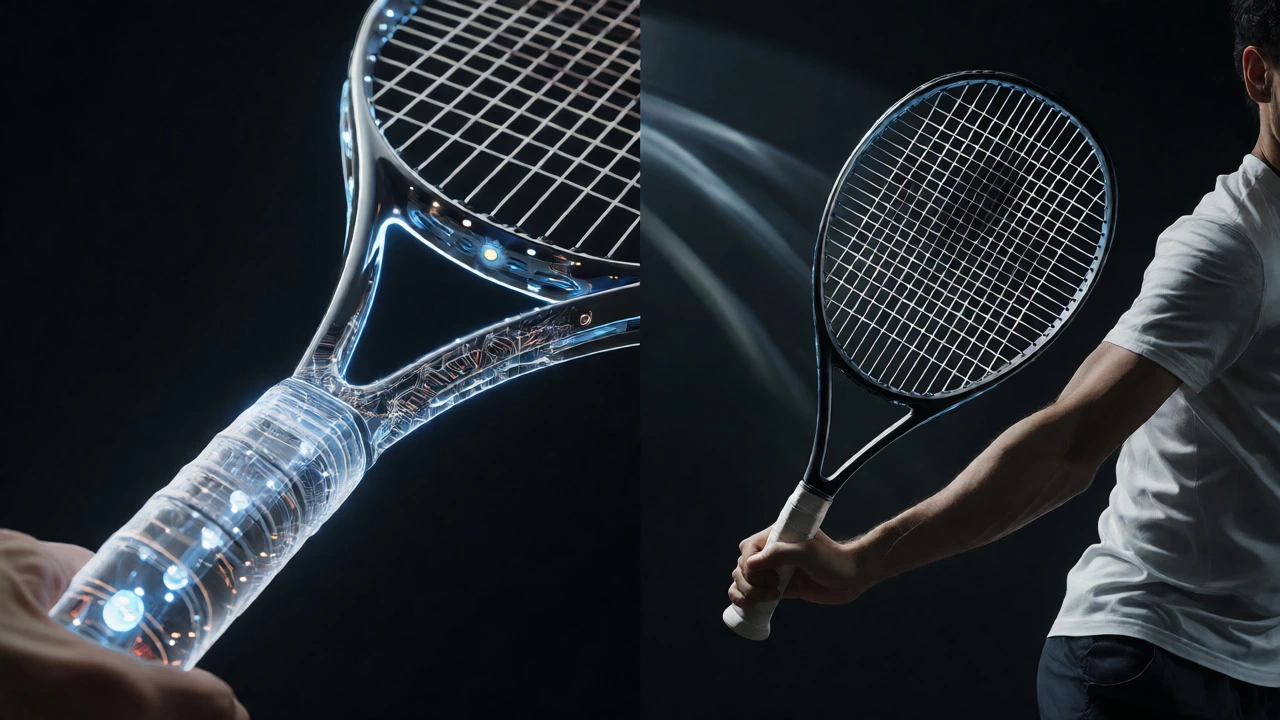
| Connected Rackets & Clubs | Golf clubs, tennis rackets, badminton rackets | Swing speed, angle, consistency, shot location | Technique improvement, coaching |
| Smart Balls | Basketballs, soccer balls, baseballs | Spin rate, trajectory, velocity, bounce height | Training accuracy, skill drills |
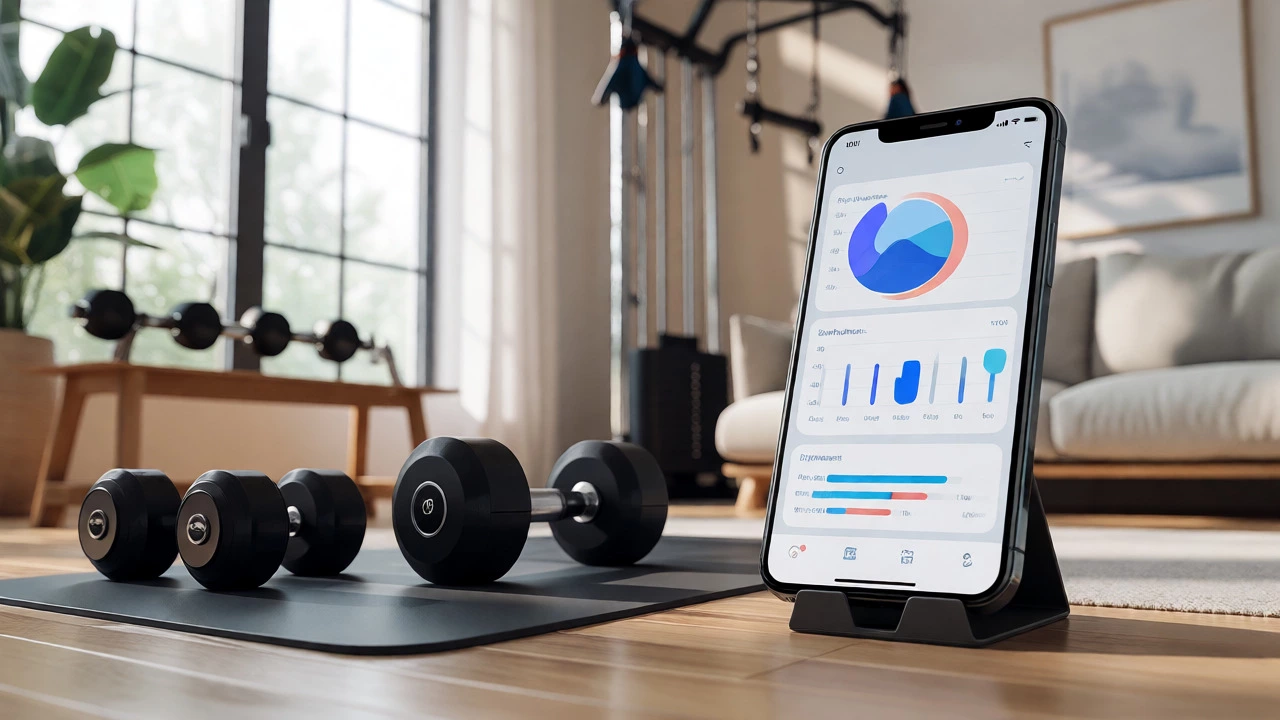
| Connected Strength Gear | Smart dumbbells, resistance machines, jump ropes | Rep count, form quality, power output, range of motion | Weightlifting, home workouts |
Wearables are the entry point for most people. Brands like Garmin and Apple dominate here. They don’t replace your shoes or bike, but they overlay data onto them. Connected rackets, however, change how you interact with the sport itself. Companies like Arccos attach sensors to golf clubs to map every shot on a course, helping you understand where you lose strokes.
Smart balls are fascinating for precision sports. Wilson’s X series basketballs, for instance, fit inside regulation balls and track shooting arcs. This helps players correct their elbow alignment without needing a coach standing right there. Similarly, smart soccer balls help young players learn proper strike points by analyzing spin and contact surface.
Benefits Beyond the Numbers
Is it just about bragging rights? Not really. The primary benefit is objective feedback. Human perception is flawed. You think you ran fast, but your pace might have dropped significantly in the last mile. Smart equipment removes the guesswork.
Another major advantage is injury prevention. Many modern devices monitor load and fatigue. If your running cadence drops or your heart rate stays elevated longer than usual after intervals, it might signal overtraining. Coaches use this data to adjust training loads before an injury happens. For everyday users, this means knowing when to take a rest day instead of pushing through pain.
Then there’s motivation. Gamification elements in apps turn solitary exercise into a game. Earning badges, competing with friends, and seeing progress graphs release dopamine. It makes sticking to a routine easier. For parents, seeing their child improve their batting average via a smart bat tracker can be incredibly encouraging.
Potential Downsides and Pitfalls
It’s not all sunshine and perfect data. There are valid reasons to hesitate before buying.
First, cost. Smart gear is expensive. A basic tennis racket costs $50-$100. A smart version with sensors can cost $300+. Plus, many require monthly subscription fees for advanced analytics. Over five years, that adds up.
Second, battery anxiety. Nothing kills a workout vibe like a dead device. While BLE helps, frequent charging is still a hassle. Imagine forgetting to charge your smart basketball before a pickup game-you’re stuck with a heavy, unresponsive ball.
Third, data overload. Seeing too many numbers can cause analysis paralysis. Instead of enjoying the game, you obsess over optimizing every metric. This is especially true for beginners who haven’t built a baseline yet. Focus on one or two key metrics first, like heart rate zones or rep form, rather than drowning in data.
Finally, durability concerns. Electronics break. Dropping a smart dumbbell or getting a wet sensor can ruin the device. Traditional gear lasts decades; smart gear might last three to five years before becoming obsolete or broken.
How to Choose Your First Piece of Smart Gear
If you’re ready to try it, start small. Don’t buy the entire ecosystem at once. Follow this checklist to pick the right starter kit.
- Identify your primary activity: Do you run, lift, or play racket sports? Match the tech to the sport. A smart scale won’t help your tennis game.
- Check compatibility: Does the device work with your phone (iOS vs. Android)? Is the app user-friendly? Read reviews specifically mentioning app stability.
- Evaluate the learning curve: Some devices provide instant feedback; others require weeks of calibration. Beginners should choose intuitive interfaces.
- Consider ongoing costs: Look for hidden subscription fees. Some brands lock key features behind paywalls.
- Test the comfort factor: Wearables must be comfortable. If a sensor strap digs into your skin, you won’t use it consistently.
For runners, a mid-range GPS watch is a safe bet. For gym-goers, smart dumbbells or a simple form-tracking mirror might be better. For team sport enthusiasts, consider accessories like smart mouthguards or shin guards before investing in expensive bats or rackets.
The Future of Connected Fitness
We are currently in the early adoption phase. What’s next? Expect deeper integration with artificial intelligence. Instead of just showing you data, future gear will prescribe actions. Your smart treadmill might automatically adjust incline based on your heart rate variability. Your smart yoga mat could correct your pose in real-time via haptic feedback.
Interoperability is another trend. Currently, your Garmin doesn’t talk well to your Peloton. Standards like Health Connect aim to unify data across platforms. Eventually, you’ll have a single health profile accessible to all your devices, regardless of brand.
Also, watch for miniaturization. Sensors are getting smaller and cheaper. Soon, even affordable gear will have smart capabilities. We might see smart socks that analyze gait or smart swim caps that track stroke efficiency. The barrier to entry will lower, making this tech mainstream rather than niche.
Do I need a smartphone to use smart sports equipment?
In most cases, yes. The smartphone acts as the hub, processing data from the equipment via Bluetooth and displaying it in an app. Some high-end watches can store data independently and sync later, but real-time feedback usually requires a connected phone or dedicated display unit.
Are smart sports equipment readings accurate?
Accuracy varies by price and technology. Optical heart rate sensors in wrist-based devices can struggle with high-intensity interval training due to motion artifacts. Chest straps are generally more accurate. For swing mechanics, embedded sensors are quite precise, provided they are calibrated correctly. Always compare against known benchmarks if possible.
Can smart equipment prevent injuries?
It helps identify risks rather than preventing them directly. By monitoring workload, asymmetry between limbs, and fatigue markers, it alerts you to potential issues. However, it cannot diagnose medical conditions. Persistent pain should always be checked by a professional, regardless of what your gadget says.
Is smart sports equipment worth the extra cost?
For competitive athletes or those motivated by data, yes. The insights can accelerate improvement and optimize training efficiency. For casual exercisers, the value depends on personal preference. If you enjoy tracking progress and gamified experiences, it’s worthwhile. If you prefer disconnecting during workouts, traditional gear may serve you better.
How long do batteries last on smart gear?
This varies widely. Small sensors in balls or rackets might last several months on coin-cell batteries. Wearables typically last 5-14 days depending on usage and screen brightness. High-performance devices with GPS active continuously may only last 10-20 hours. Check specific product specs for realistic estimates.