Boxing Lingo Decoder
Click on a term below to reveal its meaning and context within the boxing world.
Select a Term
Choose a boxing term from the list to see its definition and usage context.
You’re watching a boxing match on TV. The commentator screams, "It’s a war!" but you wonder, what do boxers actually call this thing among themselves? Is it a fight? A bout? A scrap? If you’ve ever felt out of the loop when hearing fighters talk in interviews or behind the scenes, you aren’t alone. Boxing has its own rich vocabulary that goes way beyond simple descriptions of hitting each other.
Understanding this lingo isn’t just about sounding cool at the pub. It helps you grasp the psychology of the sport. When a fighter calls an opponent a "bum," they mean something specific. When they refer to a "shutout," it changes how you view the scorecards. Let’s break down exactly what boxers call a fight, why they use these terms, and how the language reflects the brutal reality of the ring.
The Official Term vs. Street Talk
Technically, in the rulebooks and contracts, a boxing contest is called a bout or a contest. Promoters sign "bout agreements." Referees start a "bout." But if you walk into a gym in Adelaide or New York, nobody says, "I have a bout tonight." That sounds like a medical appointment or a chess tournament.
Inside the gym, the word is almost always fight. It’s blunt, direct, and honest. Fighters train for fights. They lose sleep over fights. They don’t train for "exhibitions" unless they are doing charity work or light sparring. The term "fight" carries weight. It implies danger, stakes, and physical toll. Using softer words dilutes the intensity. So, if you ask a pro boxer what they did last Saturday, they’ll say, "I fought," not "I competed."
Slang for Different Types of Fights
Not all fights are created equal, and boxers have specific names for different scenarios. This is where the language gets colorful and sometimes derogatory. Knowing these terms helps you understand the respect level between opponents.
| Term | Meaning | Context |
|---|---|---|
| Brawl | A chaotic, high-volume exchange of punches with little defense. | Used when technique takes a backseat to aggression. |
| Shutout | Winning every round on all judges' cards (10-0). | Praised as a dominant performance; rare in pro boxing. |
| Rubber Match | The third fight between two opponents after a split decision series. | High stakes; settles the rivalry definitively. |
| Fluke | An unexpected win, often by knockout, against a favorite. | Implies luck rather than skill; controversial. |
| Decision | Winning by points rather than knockout. | Often used dismissively: "He won by decision." |
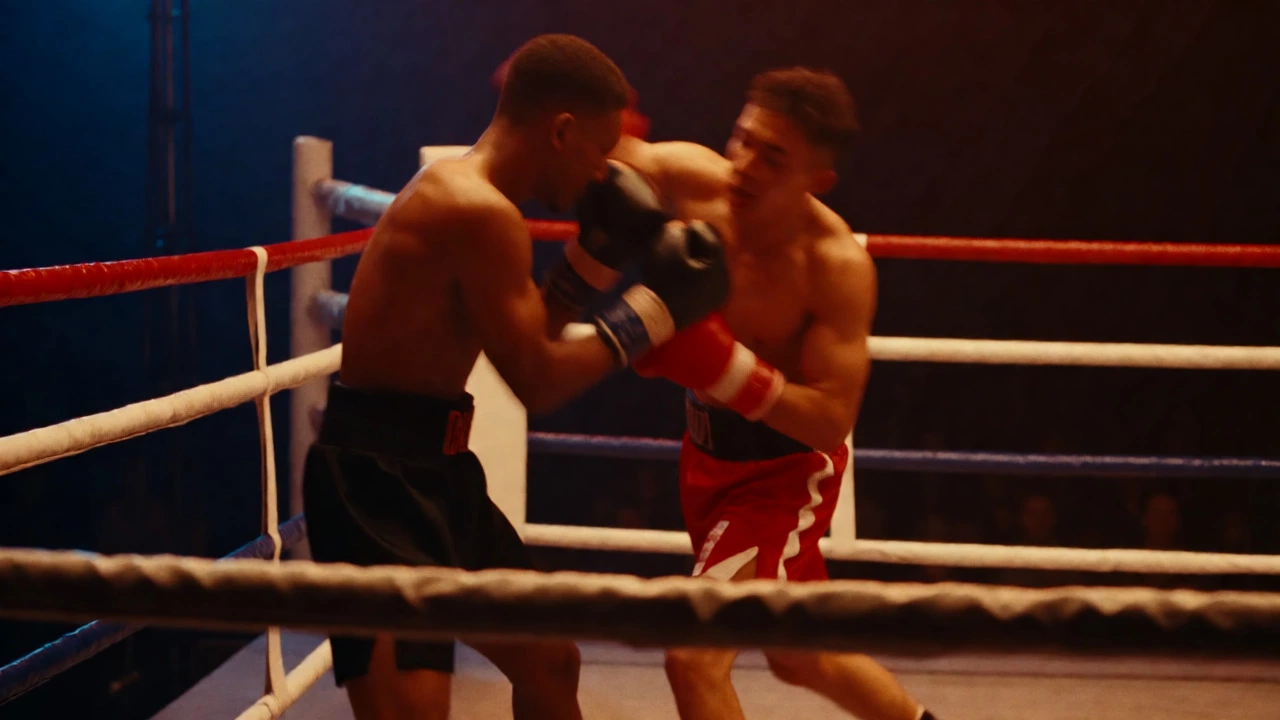
Take the term "brawl." Boxers don’t use this lightly. A true brawl means both fighters abandoned strategy for raw power. Think of the early rounds of Mike Tyson versus Evander Holyfield. It wasn’t pretty, but it was exciting. Conversely, a "technical masterclass" is the opposite. If a fighter wins by outboxing his opponent without taking much damage, commentators might call it a "clinic." This isn’t slang per se, but it’s a term fighters respect. Being called a "clinician" is a compliment; being called a "brawler" can be an insult depending on the context.
Describing the Opponent and the Outcome
Boxers rarely call their opponent by name in casual conversation. They use labels that define the threat level. An "easy layup" or "tune-up fight" refers to an opponent expected to lose quickly. These fights are crucial for keeping active before a big title shot. You’ll hear promoters say, "We need a tune-up for him," meaning a low-risk fight to build momentum.
On the flip side, there’s the "gatekeeper." This is a tough, experienced fighter who isn’t a champion but will punish anyone trying to rise through the ranks. Beating a gatekeeper proves you belong at the top level. Losing to one keeps you grounded. Boxers fear gatekeepers more than unranked contenders because gatekeepers have nothing to lose and everything to prove.
Then there’s the outcome itself. A "KO" (knockout) is self-explanatory. But a "TKO" (technical knockout) is when the referee stops the fight because one fighter can no longer defend himself intelligently. Fighters hate losing by TKO. It feels like surrender. A KO is a clean hit; a TKO is a beating. There’s also the "split draw," which causes massive controversy. Fans and fighters alike despise draws. In boxing culture, a draw is often seen as a failure to finish the job. You’ll hear phrases like "leave it all in the ring," implying that holding back leads to ambiguous results.
Gym Lingo and Training Terms
The language starts long before the bell rings. Inside the gym, sparring sessions have their own hierarchy. "Hard sparring" is simulated fighting where protection is minimal. "Technical sparring" focuses on movement and defense. Coaches might tell a fighter to "box off" someone, meaning to use footwork and reach to keep them at bay without engaging in a slugfest.
When a fighter is preparing for a fight, they enter "camp." This is a period of intense training, usually lasting 8-12 weeks. During camp, life revolves around diet, sleep, and drills. Fighters might say they are "in camp now." It’s a total lifestyle shift. Missing camp is a cardinal sin. It shows a lack of discipline.
Another common phrase is "chinning up." This doesn’t mean growing a beard. It means conditioning your jaw and neck muscles to take punches. If a fighter gets dropped easily, people say he has a "glass chin." If he takes heavy shots and stays standing, he has a "granite chin" or "iron chin." This attribute is prized above almost anything else in boxing history.

Why Boxers Use Specific Words
Why does this jargon exist? Partly for efficiency. In a noisy gym, shouting "Move your head!" is faster than explaining defensive mechanics. But mostly, it’s about identity. Boxing is an old sport with deep roots in working-class communities. The language reflects toughness, resilience, and street smarts.
Using proper lingo signals membership in the tribe. If you call a professional match a "game," a boxer will correct you. It’s not a game. Games have rules designed for fairness. Boxing has rules designed for safety, but the objective is destruction. The distinction matters. It separates sports entertainment from combat sport.
Furthermore, the terminology manages expectations. Calling a fight a "war" sets the stage for violence. Calling it a "dance" promises elegance. Promoters use these words to sell tickets. Fighters use them to psych themselves up. When Floyd Mayweather said he would "outbox" his opponents, he was promising technical superiority. When Conor McGregor (though MMA) talked about "breaking" his opponent, he promised psychological dominance. Language shapes perception.
Common Misconceptions About Fight Names
Many new fans think "match" and "fight" are interchangeable. They aren’t. A "match" can imply a team event, like in college boxing or Olympic tournaments where multiple bouts happen simultaneously. A "fight" is singular and personal. It’s one-on-one survival.
Also, don’t confuse an "exhibition" with a real fight. Exhibitions are non-sanctioned bouts, often for charity or legacy stars returning. No records are kept. Fighters might say, "It’s just an exhibition," meaning there’s no risk to their record or health insurance. Real fighters save their best energy for sanctioned bouts.
Finally, avoid calling a loss a "tie." Unless it’s literally a draw, it’s a loss. Boxers are competitive creatures. They don’t settle for ties. If a fight ends in a draw, many fighters will demand a rematch immediately. The goal is always resolution: win or lose, not neither.
Do boxers really call it a "fight"?
Yes, absolutely. While officials use "bout" or "contest," fighters and trainers exclusively use "fight" in casual and serious contexts. It emphasizes the combative nature of the sport.
What is a "tune-up fight"?
A tune-up fight is a scheduled bout against a lesser-known opponent, designed to give a main contender ring time and confidence before facing a tougher, higher-ranked adversary.
Why is a "decision" sometimes seen negatively?
Some purists believe a fight should end in a knockout or clear domination. Winning by a close or controversial decision can feel unsatisfying to fans and fighters who want definitive proof of superiority.
What does "in camp" mean?
"In camp" refers to the intensive training phase leading up to a fight, typically lasting several weeks, where the fighter focuses solely on preparation, diet, and rest.
Is a "rubber match" common?
No, rubber matches are rare because they require three fights between the same pair. Famous examples include Ali-Frazier and De La Hoya-Mosley. They are highly anticipated due to the unresolved rivalry.