Sports Equipment Cost Estimator
Select your sport and experience level to see estimated financial requirements in AUD.
Estimated Financial Breakdown
Initial Setup:
$0
Annual Maintenance:
$0
Note: Hidden costs like travel, club fees, or animal care are included in estimates where applicable.
Comparative Initial Investment (AUD)
You see a kid on a bike and think, "Nice setup." Then you check the price tag. It’s more than your monthly rent. Sports gear pricing is wild, inconsistent, and often confusing. You might assume football or basketball are expensive because of the stadium tickets, but the actual gear? Cheap. So, which sport actually breaks the bank for the player?
It’s not just about buying one thing. It’s about maintenance, upgrades, safety standards, and hidden fees. Some sports require you to spend thousands before you even step onto the field. Others let you start with $50 shoes but hit a ceiling where every extra gram of weight reduction costs hundreds. If you’re trying to pick a hobby that won’t drain your savings account, or if you’re wondering why your friend sold their car to buy a bicycle, this breakdown explains the real financial reality of modern sports.
Equestrian: The Undisputed King of High Costs
If we’re talking raw numbers, Horseback riding is in a league of its own. This isn’t just about the saddle. It’s about the animal itself. In Australia, where I live, a decent pony for jumping can cost between $15,000 and $50,000 AUD. That’s just the entry ticket. Add up vet bills, feed, stabling, farrier visits (hoof trimming), and insurance, and you’re looking at $200-$400 per week in ongoing expenses.
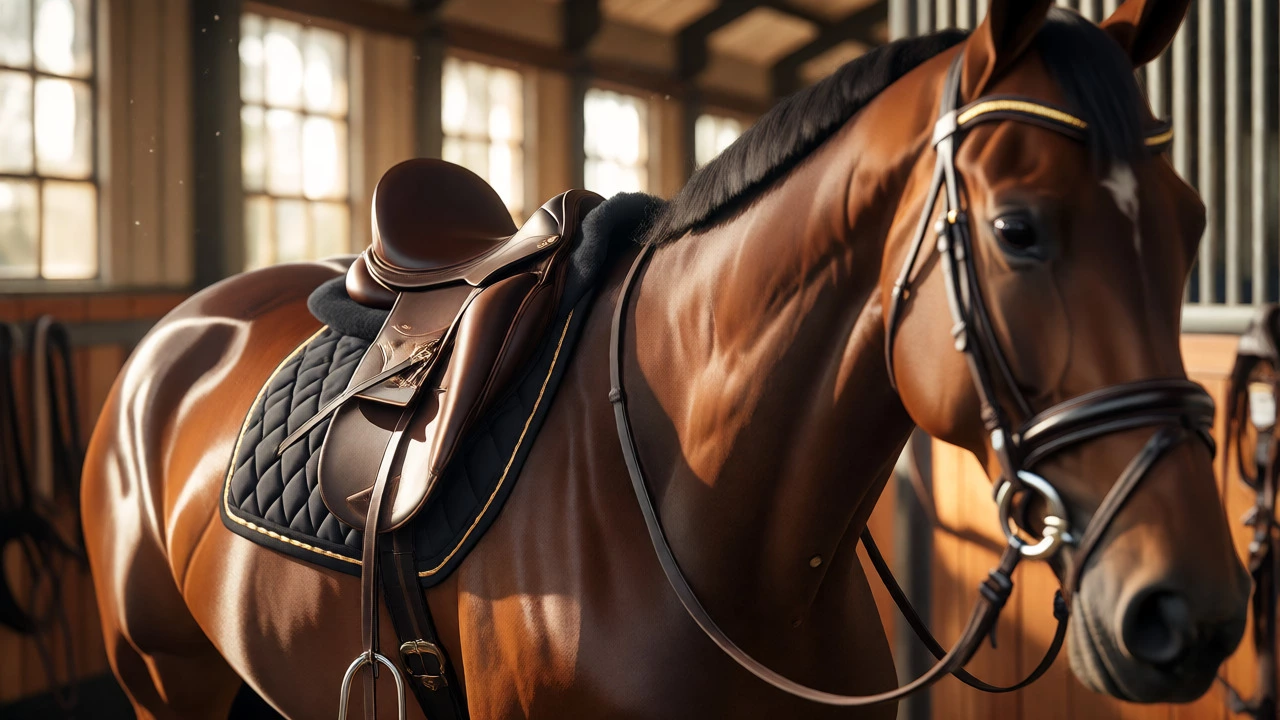
The equipment adds another layer. A custom-made leather saddle fits the horse and rider specifically. Off-the-rack saddles start around $2,000, but high-end competition saddles easily reach $8,000 to $15,000. Bridles, boots, helmets, and protective vests add another few thousand. But here’s the kicker: unlike a tennis racket, a saddle wears out. Leather cracks. Padding compresses. You have to replace it every 5-10 years. Meanwhile, the horse doesn’t care about your budget; it needs daily care regardless of whether you ride it.
| Item | Entry Level Cost | Professional Level Cost | Lifespan |
|---|---|---|---|
| Horse | $15,000 | $100,000+ | 20+ years |
| Saddle | $2,000 | $12,000 | 7-10 years |
| Riding Helmet | $300 | $1,500 | 3-5 years |
| Boots & Apparel | $500 | $3,000 | 2-4 years |
Cycling: Where Grams Equal Dollars
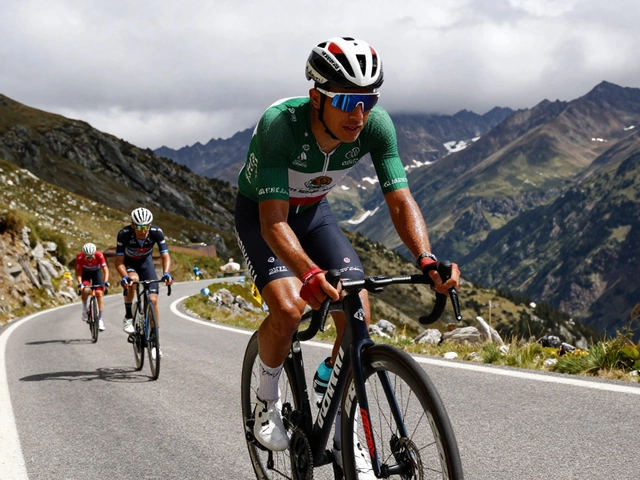
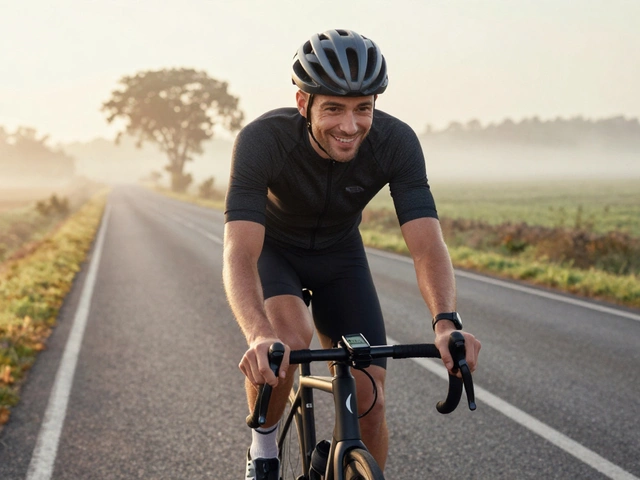
Next up is Cycling. You can buy a bike for $500 at a department store. But if you want to race or ride seriously, the costs skyrocket fast. Why? Because cyclists obsess over weight and stiffness. Carbon fiber frames are lighter and stiffer than aluminum, but they’re also fragile and expensive.
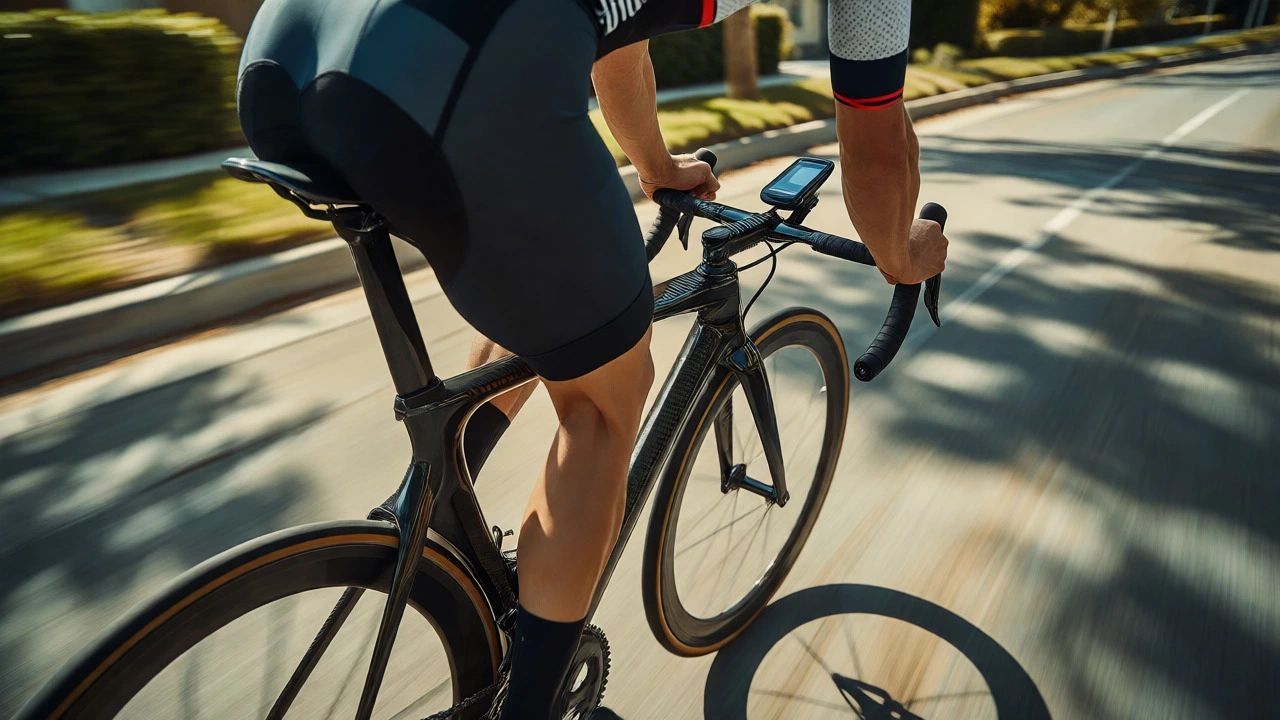
A top-tier road bike frame alone can cost $5,000 to $10,000. When you add electronic shifting groups like Shimano Dura-Ace or SRAM Red, the price jumps again. These systems use batteries and tiny motors to change gears instantly. They’re cool, but they’re pricey. A full groupset can cost $4,000. Wheels are another money pit. Carbon wheels reduce wind resistance and weight. A pair of high-end carbon wheels costs $3,000 to $6,000. Compare that to aluminum wheels at $500, and you see the gap.
But the bike isn’t the only expense. Cyclists need specific clothing. Bib shorts, jerseys, arm warmers, and socks designed for aerodynamics aren’t cheap. A single pair of high-quality bib shorts costs $150-$250. Shoes with cleats? $300+. Helmets must meet strict safety standards and cost $200-$400. And don’t forget the computer. A GPS head unit like a Garmin Edge costs $400-$700. Suddenly, your "hobby" looks like a second mortgage.
Golf: The Hidden Fees Behind the Fairway
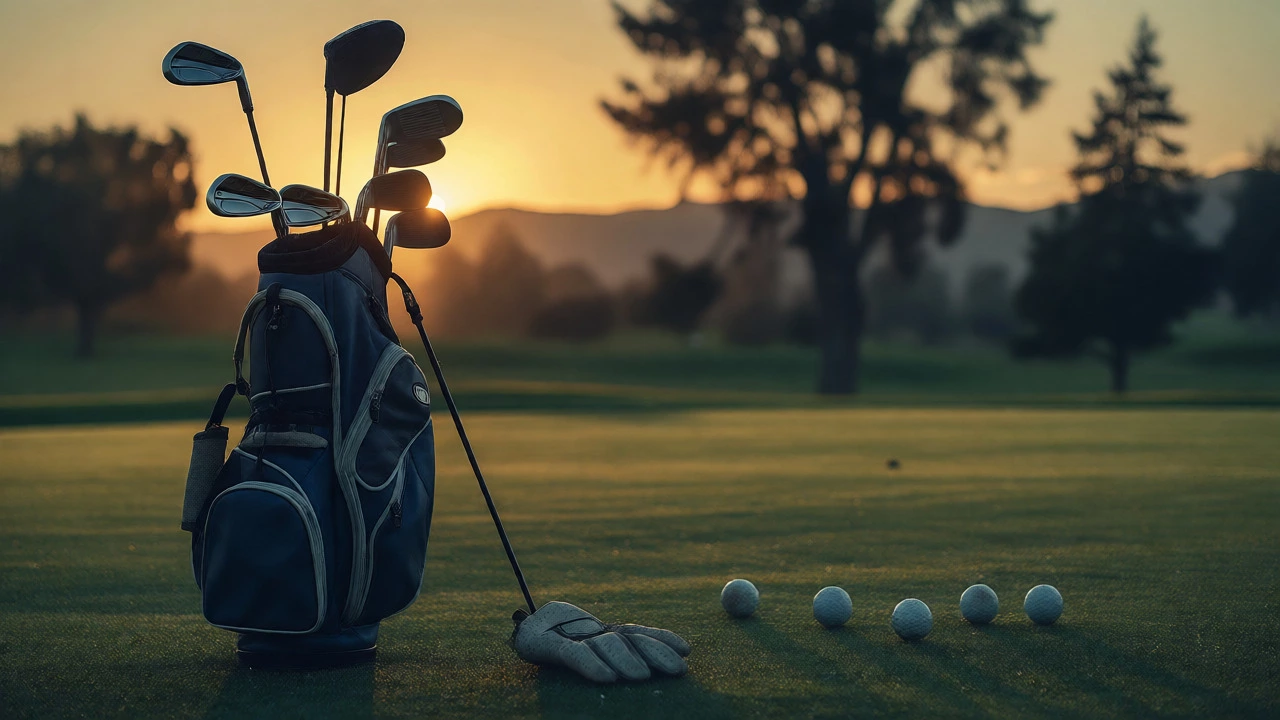
People joke about golf being an old person’s game, but the equipment costs are no joke. You need 14 clubs. Each club has a different purpose. Drivers, irons, wedges, putters. Buying a full set of new clubs from brands like Callaway, TaylorMade, or Ping costs $1,500 to $3,000. But serious players don’t buy sets. They buy individual clubs tailored to their swing speed and handicap. Custom fitting sessions cost $200-$400 each. If you tweak your driver loft by one degree, you might need a new shaft. That’s another $200.
Balls are disposable. You lose them. A dozen premium balls cost $50. If you play weekly, that’s $2,600 a year just in balls. Gloves wear out quickly, especially in wet weather. A good glove costs $40 and lasts two months. Shoes need spikes and waterproofing, costing $150-$250. Then there’s the bag. A stand bag is $200. A cart bag is $300. A travel case for flying with clubs? Another $300.
The real killer in golf isn’t the gear-it’s the access. Green fees at private clubs in Adelaide can be $100-$200 per round. Public courses are cheaper, but membership dues can run $1,000-$3,000 annually. Unlike running, where you can jog anywhere, golf requires land. Land costs money. That cost trickles down to you.
Skiing and Snowboarding: Seasonal Shock
If you live in a hot country like most of Australia, skiing feels exotic. But for those who chase powder, the costs are brutal. You need skis or a snowboard, bindings, boots, poles, goggles, helmet, jacket, pants, base layers, and gloves. A decent mid-range ski setup costs $1,500-$2,500. Boots are critical for control and comfort. Good boots cost $500-$800. Goggles with prescription lenses? $300.
The biggest expense isn’t the gear-it’s the logistics. Lift passes are expensive. A day pass at Perisher or Thredbo costs $150-$200. A season pass is $1,000+. Travel costs dominate. Flights, accommodation, food, and rental cars add up fast. A week-long trip to Japan or New Zealand can cost $5,000-$10,000 per person. Even local trips require carrying bulky gear. Ski bags for flying cost $200. Boot dryers, wax kits, and edge tools add another $100-$200 in maintenance supplies.
Unlike cycling, where you can ride all year, skiing is seasonal. You pay for storage during the off-season. You pay for transport twice a year. You pay for lessons if you’re learning, which can cost $100 per hour. It’s a high-barrier sport for anyone without significant disposable income.
Fencing: Niche but Not Cheap
You might not expect fencing to be expensive, but it surprises people. The weapon itself isn’t the main cost. An electric foil or épée costs $200-$400. But the protective gear is rigorous. You need a mask ($200), jacket ($300), knicker breeches ($150), body cord ($50), glove ($50), and chest protector ($50). Total initial gear: ~$1,000. Sounds manageable, right?
Here’s the catch: blades break. Tips wear out. Wires snap. Fencers go through multiple weapons per season. Repairs cost money. Plus, you need to belong to a club with a piste (the strip). Club fees are $100-$200/month. Competitions require travel. Unlike team sports where you share costs, fencing is individual. You pay for everything yourself. There’s no subsidy from teammates. If you want to compete internationally, travel costs mirror those of tennis or golf.
Comparing the True Cost of Entry
To make sense of this, let’s look at what it takes to start each sport properly. Not the cheapest possible option, but a functional, safe, and enjoyable setup.
| Sport | Essential Gear Cost | Annual Maintenance | Hidden Costs |
|---|---|---|---|
| Equestrian | $20,000+ | $10,000+ | Vet, feed, stable rent |
| Cycling | $3,000 | $500 | Repairs, accessories |
| Golf | $2,500 | $1,500 | Green fees, memberships |
| Skiing | $2,000 | $1,000 | Lift passes, travel |
| Fencing | $1,000 | $300 | Club fees, repairs |
Notice how Equestrian dwarfs everything else. Cycling and Golf are close in gear cost, but Golf’s recurring fees make it pricier long-term. Skiing depends entirely on how often you go. Fencing is low-cost initially but niche enough that finding affordable coaching is hard.
Why Does Equipment Cost So Much?
It’s not just greed. Materials science drives prices. Carbon fiber is light and strong but difficult to manufacture. Titanium alloys resist corrosion but are hard to machine. Electronics in bikes and watches require miniaturization. Every gram saved requires engineering hours. Marketing plays a role too. Brands sponsor Olympic athletes. Those sponsorship costs get baked into the retail price.
Also, safety standards evolve. Helmets must pass stricter impact tests. Skis need durable bases that withstand ice. Bikes must handle rough roads without snapping. Testing and certification cost money. You’re paying for peace of mind. Would you rather crash on a $200 helmet or a $400 one that meets the latest Australian Standards? Most people choose the safer option once they’ve had a scare.
How to Save Without Sacrificing Safety
You don’t need to sell a kidney to enjoy these sports. Here’s how smart buyers cut costs:
- Buy Used: Cycling and skiing gear holds value well. A two-year-old bike is 90% as good as new but costs 50% less. Check local Facebook Marketplace groups or specialist forums.
- Rent Before You Buy: Ski resorts offer rental packages. Try three seasons before buying skis. Same goes for golf clubs-test drives exist at pro shops.
- Prioritize Critical Items: Spend more on things that protect you (helmets, boots) and save on aesthetic items (jerseys, bags).
- Maintain Regularly: Cleaning chains prevents wear. Waxing skis extends life. Proper storage stops rust. Neglect kills gear faster than use.
- Join Clubs: Many clubs have shared equipment libraries. You might borrow a fence mask or golf cart instead of buying your own.
Remember, the goal is enjoyment. If spending $5,000 on a bike makes you happy, it’s worth it. If it stresses you out, buy the $1,500 model and keep the cash for coffee after the ride.
Is horseback riding really more expensive than Formula 1 driving?
For amateur enthusiasts, yes. Professional F1 drivers have sponsors covering costs, but amateurs pay out of pocket. Maintaining a competitive horse costs tens of thousands annually, similar to lower-tier racing series, but accessible horses still require significant upkeep compared to renting a kart.
Can I play golf on a tight budget?
Yes. Buy used clubs from garage sales or online marketplaces. Play twilight rates when green fees drop. Use range balls instead of premium ones. Avoid fancy apparel; comfortable athletic wear works fine. The key is avoiding the trap of constantly upgrading gear.
Why are carbon fiber bikes so expensive?
Carbon fiber offers superior strength-to-weight ratio and vibration damping. Manufacturing involves laying sheets by hand, curing under pressure, and rigorous quality control. Small defects can cause catastrophic failure, so testing is extensive. This labor-intensive process drives up the price compared to mass-produced aluminum.
Do I need expensive gear to start skiing?
No. Rent skis, boots, and poles for your first two seasons. Invest in good goggles and thermal layers early, as hygiene and comfort matter. Buy your own skis only after you know your preferred style (park, all-mountain, backcountry). Rental fleets are updated regularly, so you’ll ride modern tech anyway.
Which sport has the lowest barrier to entry financially?
Running and calisthenics-based fitness. All you need is supportive shoes ($100-$150) and comfortable clothes. No venue fees, no specialized equipment maintenance, and you can train anywhere. This makes it the most accessible sport globally for beginners on a budget.