⚽ Football History Timeline Explorer
Click on the dots below to explore how different football codes evolved from ancient games to modern sports. Each event highlights a crucial moment in standardizing the rules.
Select an Event
Click on any point on the timeline above to view details about the specific development in football history.
Ask ten people who invented football and you’ll likely get five different answers. Some will point to ancient China, others to English public schools, and a few might even blame a bunch of Victorian gentlemen with too much free time. The truth is messy because "football" isn’t one single game born from one moment. It’s a family of sports that evolved over centuries.
If you are watching a match today, whether it’s soccer on the pitch or American football in the stadium, you are seeing the result of specific rules being written down at specific times. There is no single inventor. Instead, there are key figures who standardized the chaos into the games we know. Let’s clear up the confusion by looking at exactly who did what, and when.
The Ancient Roots: It Wasn’t Just One Place
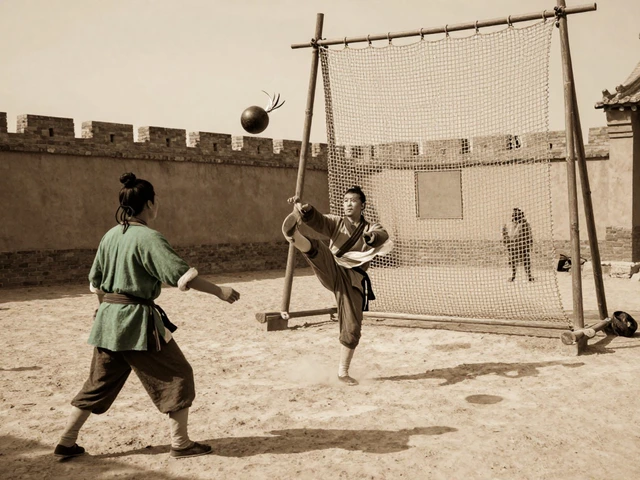
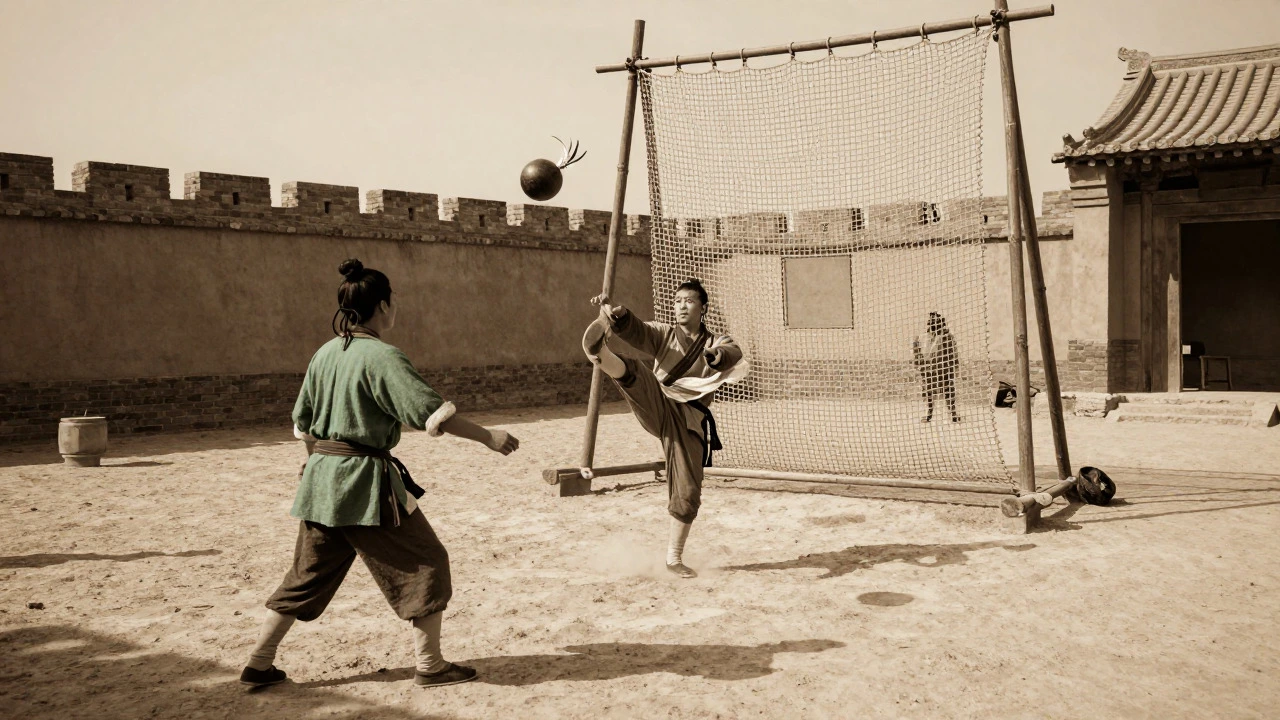
Before we get to the modern era, we have to acknowledge that humans have been kicking balls for thousands of years. In ancient China, a game called Cuju was played as early as 3000 BC. Players used their feet to kick a leather ball filled with feathers or hair through a small opening in a net. This is often cited as the earliest form of football, but it bore little resemblance to the sport we play today. It was more of a military training exercise than a competitive league sport.
Similarly, the Greeks and Romans had games like Harpastum, which involved carrying the ball and tackling opponents. These ancient versions were important because they established the basic concept: a ball, a goal, and competition. But they didn’t create the rules. They just proved that the human desire to kick a ball is universal.
The English Public School Era: Where Chaos Began
The real story starts in 19th-century England. Before the mid-1800s, "football" meant whatever the local school or town decided it meant. At Rugby School, players could handle the ball and run with it. At other schools, handling was forbidden. When students moved between schools or formed clubs, they argued about whose rules applied. Matches often turned into riots because neither side agreed on whether a player could pick up the ball after a drop.
This lack of standardization made national competitions impossible. If you wanted to organize a tournament, you needed a rulebook that everyone agreed on. That pressure led to two major splits that defined the modern landscape.
Association Football: The Birth of Soccer
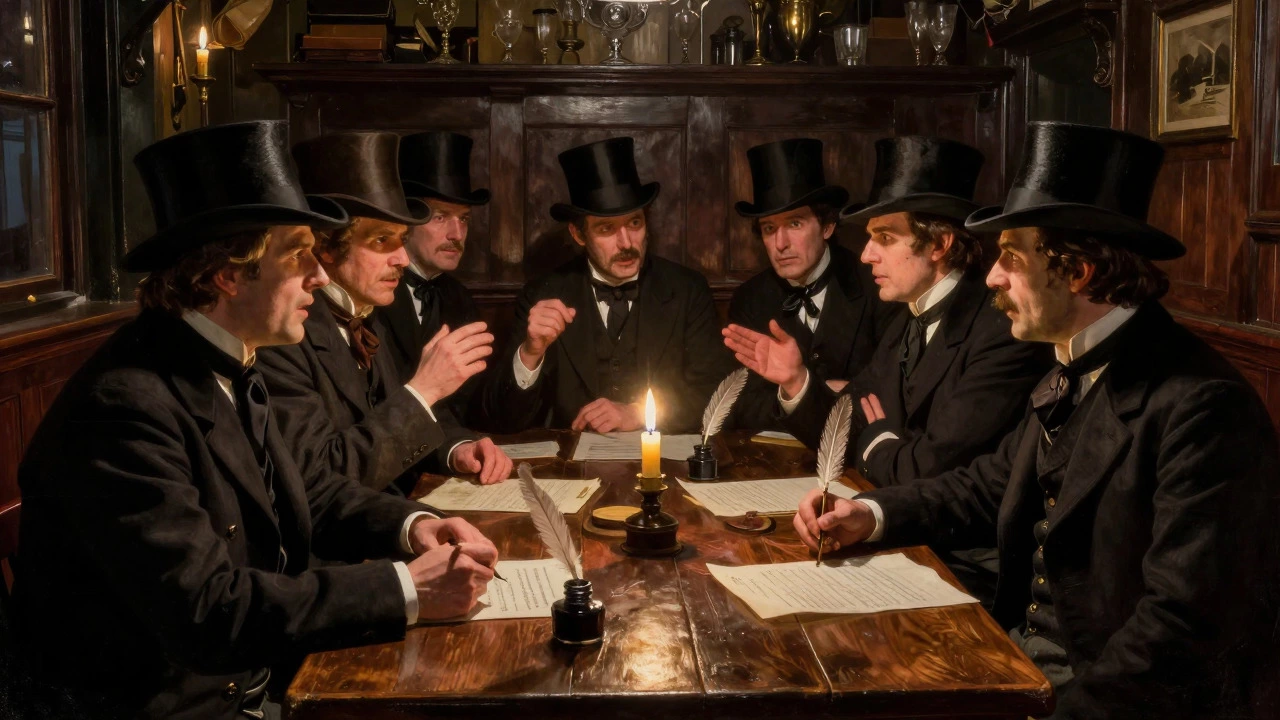
In 1863, representatives from various London schools and clubs met at the Freemasons' Tavern in Great Windmill Street. Their goal was simple: create a unified set of rules for all English football. The meeting was contentious. Some wanted to keep handling (carrying the ball), while others insisted on keeping it to feet only.
The group that favored foot-based play eventually formed the Football Association, commonly known as the FA. They published the first official Laws of the Game in 1863. This document banned most forms of handling, established the offside rule, and defined the shape of the field. While no single person is credited as the sole inventor, the collective effort of these founders created the framework for what we now call soccer or association football.
Key figures like Ebenezer Cobb Morley played significant roles in drafting these laws. Morley later served as the first secretary of the FA. His work ensured that the game had a consistent identity separate from its handling-based cousins.
Rugby Union: The Split Over Handling
Not everyone agreed with the new FA rules. Clubs that loved handling the ball broke away from the Football Association. In 1871, they formed the Rugby Football Union. This split was formalized after an incident at Rugby School in 1823, where a student named William Webb Ellis allegedly picked up the ball and ran with it. While historians debate if this event actually happened, it became the symbolic origin story for rugby.
Rugby retained the ability to carry the ball, leading to distinct tactics involving scrums, lineouts, and tackles. Over time, rugby itself split further into Rugby Union and Rugby League in 1895, due to disputes over professionalism and player compensation. So, when you ask who invented rugby, the answer is a group of English clubs who rejected the FA's ban on handling.
American Football: A Different Path
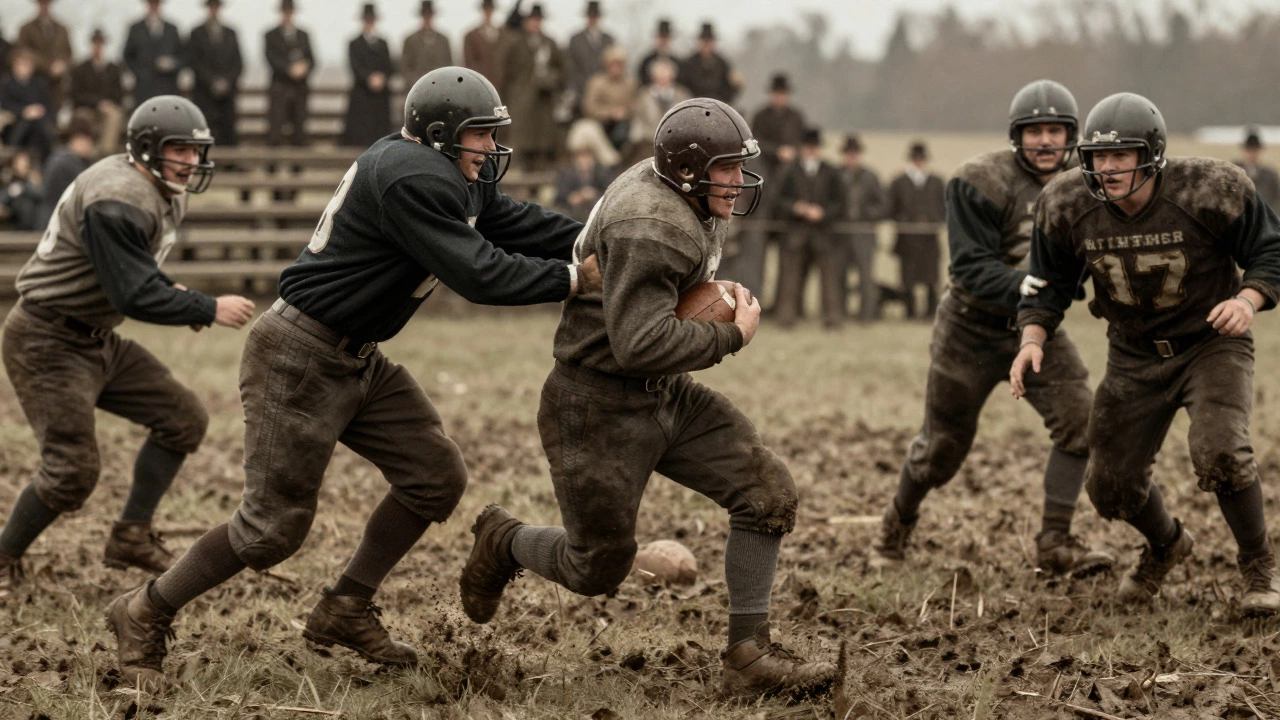
American football has a different origin story tied closely to college sports in the United States. In the late 1800s, American colleges played a version of rugby that was brutal and disorganized. Games were long, with few breaks, and scoring was rare.
Walter Camp, a player and coach at Yale University, is often called the "Father of American Football." He didn't invent the game from scratch, but he introduced critical changes that transformed it. Camp proposed the forward pass in 1906, though it was initially limited. More importantly, he established the system of downs, which replaced the endless running attempts of earlier versions. He also introduced the line of scrimmage and the concept of rotating teams on the field to reduce fatigue.
Without Camp's innovations, American football would likely have remained a slow, attritional version of rugby. His rules gave the game pace, strategy, and a structure that allowed it to grow into a massive professional industry.
Australian Rules Football: The Indigenous Influence
In Australia, the story diverges again. Australian Rules Football, or Aussie Rules, developed in Melbourne in the 1850s. It was influenced by both British shinty and indigenous Aboriginal games. The game features a unique oval-shaped field and allows players to kick the ball in any direction, including forward.
There is no single inventor for Aussie Rules either. It emerged from a combination of local traditions and imported British sports. The Victorian Football Association, founded in 1859, helped standardize the rules. Today, it remains distinct from both soccer and rugby, with its own complex set of laws regarding marking, bouncing, and goal-scoring.
Comparing the Key Figures and Organizations
To make sense of this history, it helps to look at who did what. Here is a breakdown of the main entities involved in the creation of the major football codes.
| Code | Year of Standardization | Key Organization | Primary Innovation |
|---|---|---|---|
| Association Football (Soccer) | 1863 | Football Association (FA) | Ban on handling; unified rules |
| Rugby Union | 1871 | Rugby Football Union | Allowed handling; split from FA |
| American Football | 1880s-1906 | National Collegiate Athletic Association (NCAA) predecessors | Downs system; forward pass |
| Australian Rules | 1859 | Victorian Football Association | Oval field; unique kicking rules |
Notice how each code emerged from a specific problem. Soccer solved the argument over handling by banning it. Rugby kept handling but created its own body. American football added structure to make the game faster. Aussie Rules blended local culture with imported ideas. None of them were invented in a vacuum; they were responses to local needs and debates.
Why Does This Matter?
Understanding who invented football matters because it shows that sports are not static artifacts. They are living things shaped by social, cultural, and political forces. The fact that there are multiple "footballs" reflects the diversity of human expression. When you watch a match, you are witnessing the culmination of decades of negotiation, compromise, and innovation.
Next time someone asks you who invented football, you can give them a nuanced answer. You can tell them it was a group of Englishmen in 1863 who wrote the first rules for soccer. Or you can mention Walter Camp, who gave American football its modern structure. Or you can explain that in Australia, it grew out of a mix of indigenous and British traditions. The beauty of football lies in its many origins.
Did William Webb Ellis really invent rugby?
It is a popular legend, but historians believe it is largely apocryphal. The story claims Ellis picked up the ball and ran with it in 1823, but there is no contemporary evidence to confirm this specific act. However, the name "Rugby" stuck to the handling-based variant of the game, making the legend central to the sport's identity.
Who is considered the father of modern soccer?
There is no single individual, but Ebenezer Cobb Morley is often highlighted for his role in drafting the first Laws of the Game for the Football Association in 1863. His work helped standardize the rules that distinguish soccer from other football codes.
How did American football become different from rugby?
American football diverged from rugby primarily due to the introduction of the downs system and the forward pass by figures like Walter Camp. These changes reduced the continuous play of rugby and introduced strategic pauses and aerial plays, creating a distinct tactical environment.
Is Cuju the same as modern football?
No, Cuju was an ancient Chinese game that involved kicking a ball through a net. While it shares the basic element of using feet to move a ball, it lacked the structured rules, fields, and competitive leagues of modern association football. It is a precursor, not a direct ancestor.
When was the first official football match played?
The first recorded international football match was played in 1872 between Scotland and England. It ended in a 0-0 draw. This match was significant because it was played under the newly codified rules of the Football Association, marking the beginning of organized international competition.