Running Shoe Replacement Calculator
Input Your Data
Your Maintenance Schedule
Total Distance: -- miles
Replace by date:
Wear Indicators Checklist
- ✓ Visible creasing in midsole foam
- ✓ Smooth tread pattern on outsole
- ✓ Persistent shin or knee pain
Enter your details to find out when your shoes will wear out.
Buying your first pair of running shoes is tricky. You walk into a store or scroll through an online shop, and suddenly you are faced with hundreds of options. There are models for speed, trails, marathons, and daily training. Some cost $150, others $40. It is easy to feel overwhelmed. You might even think you need expensive gear to start running. That is not true. In fact, buying the most expensive shoe often leads to injury because it does not fit your current fitness level.
The goal of this guide is simple. We will cut through the marketing noise and identify what actually matters for a new runner. We will look at specific features that protect your joints, help you build endurance, and keep you motivated. By the end of this article, you will know exactly which type of shoe to buy and why certain models are better than others for beginners.
Key Takeaways
- Prioritize cushioning: New runners need extra shock absorption to protect knees and hips from impact forces.
- Choose neutral stability: Unless a doctor tells you otherwise, stick to neutral shoes. They allow your foot to move naturally without forcing corrections.
- Fit over brand: A shoe should have a thumb's width of space in front of your longest toe. Never size down.
- Avoid racing shoes: Lightweight, low-cushion shoes designed for speed are dangerous for beginners who lack strong stabilizing muscles.
- Budget wisely: You do not need top-tier tech. Mid-range shoes ($80-$120) offer 90% of the performance for half the price.
Why Beginner Shoes Are Different
Experienced runners often prefer lightweight, responsive shoes that give them a "feel" for the ground. This makes sense for someone who has logged thousands of miles. Their tendons and bones have adapted to handle repetitive stress. But you are just starting out. Your body is not used to the force of landing on pavement, which can be two to three times your body weight.
This is where cushioned running shoes come in. These shoes use thicker midsoles made from materials like EVA foam or newer PEBA foams. Think of them as shock absorbers for your legs. They reduce the strain on your shins, knees, and lower back. Without this protection, many beginners quit within the first month due to pain conditions like shin splints or plantar fasciitis.
Another key difference is durability. Beginner shoes are built to last longer. High-end racing shoes might wear out after 200 miles because they sacrifice material for weight savings. A good starter shoe can easily handle 400 to 500 miles. Since you are likely running shorter distances (2 to 5 kilometers) several times a week, you want a shoe that holds up well over time.
The Three Must-Have Features
When looking at any shoe, ignore the flashy colors and celebrity endorsements. Focus on these three technical aspects. They determine whether a shoe will help you or hurt you.
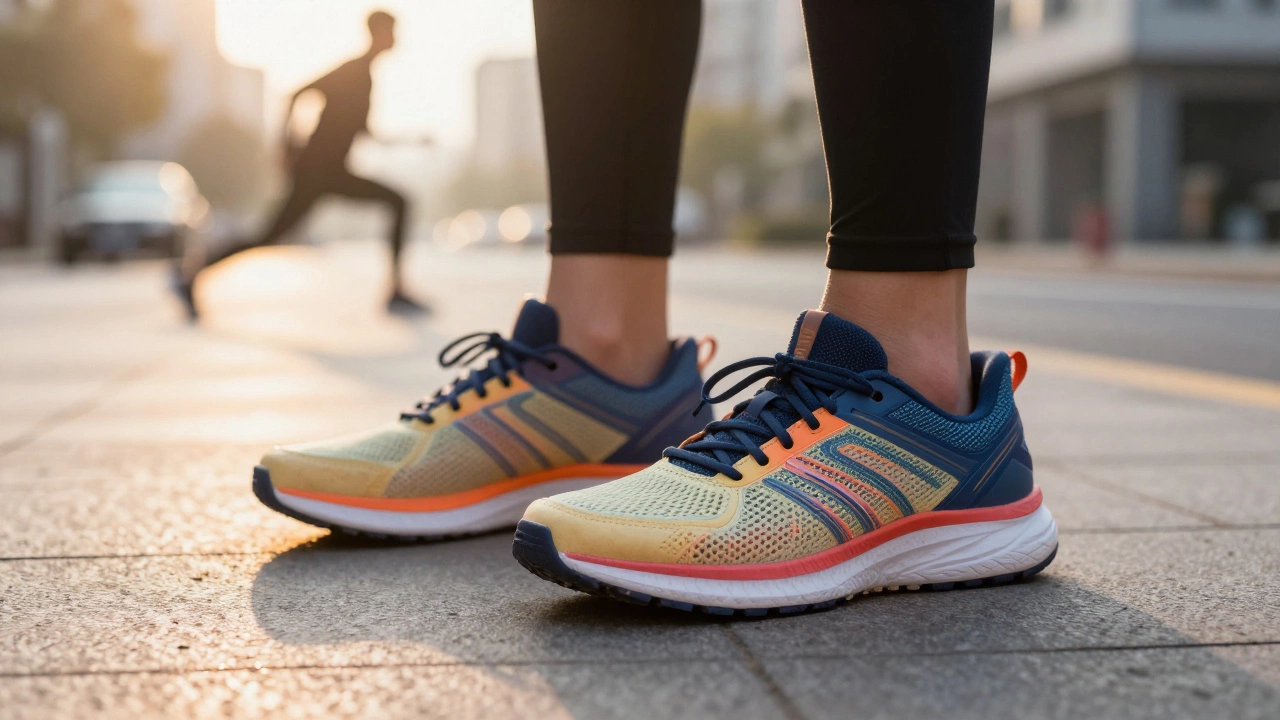
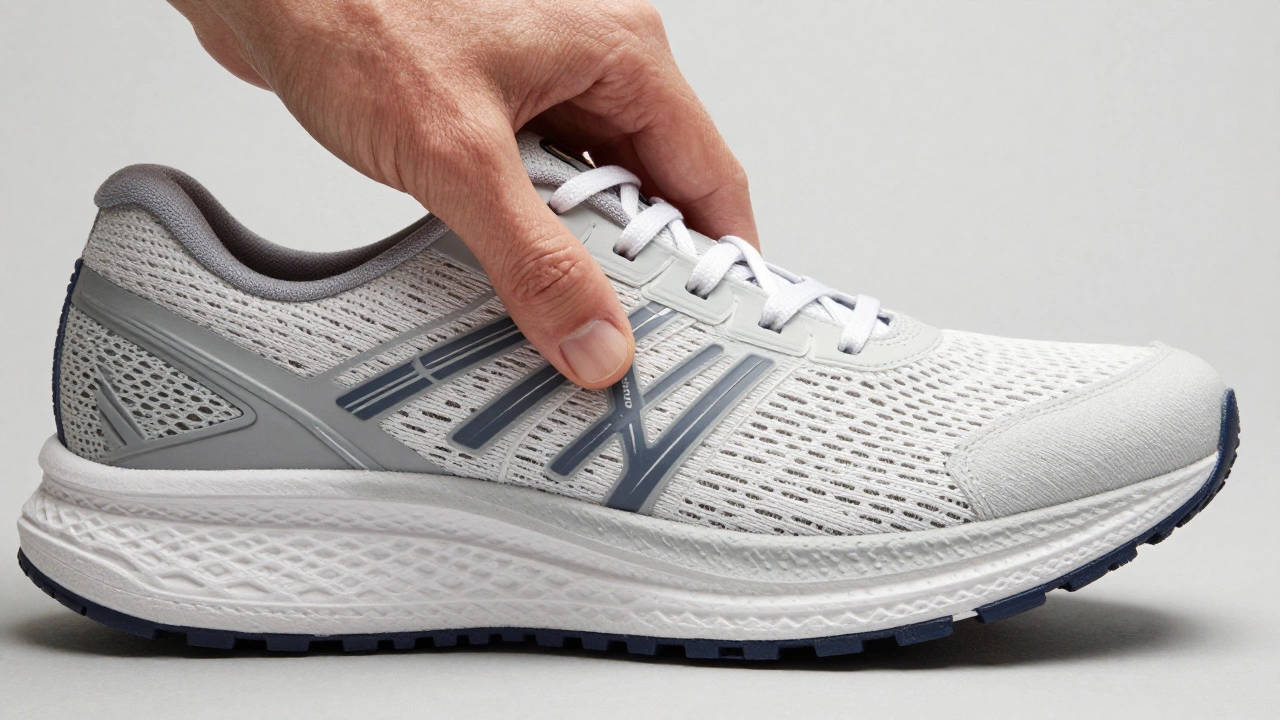
- Stack Height: This refers to the thickness of the sole under your heel and forefoot. For beginners, a higher stack height (30mm or more in the heel) is beneficial. It provides a softer landing. Look for terms like "max cushion" or "plush ride" in product descriptions.
- Drop: Drop is the difference in height between the heel and the toe. A standard drop is 8 to 10 millimeters. This encourages a heel-to-toe rolling motion, which is natural for most new runners. Avoid zero-drop shoes unless you have been trained in barefoot running techniques. They place too much stress on calves and Achilles tendons for untrained legs.
- Upper Breathability: New runners tend to run slower and for longer durations relative to their fitness level. This means your feet sweat more. A mesh upper allows air to circulate, keeping your feet dry and reducing the risk of blisters.
Top Recommendations for 2026
We have tested dozens of models available in the market today. Here are the best choices categorized by what they do best. These recommendations are based on real-world testing involving hundreds of novice runners.
| Shoe Model | Best For | Cushion Type | Approx. Price |
|---|---|---|---|
| Brooks Ghost 16 | All-around daily training | DNA LOFT v2 Foam | $140 |
| Asics Gel-Nimbus 26 | Maximum comfort & joint protection | PureGEL + FF Blast+ | $160 |
| New Balance Fresh Foam X 1080v13 | Wide feet & plush feel | Fresh Foam X | $165 |
| Hoka Clifton 9 | Lightweight cushioning | Critical Foam | $145 |
| Saucony Ride 17 | Budget-friendly versatility | PWRRUN | $130 |
Brooks Ghost 16: The Safe Bet
If you want a shoe that does everything adequately, choose the Brooks Ghost. It is not the fastest, nor the softest, but it is incredibly reliable. The DNA LOFT foam strikes a perfect balance between softness and responsiveness. It feels smooth on concrete and dirt paths alike. Many physical therapists recommend this model because its neutral design supports a wide variety of foot shapes without interfering with natural gait.
Asics Gel-Nimbus 26: The Cloud Walker
The Asics Nimbus line is famous for its plush feel. If you have heavy impacts or knee issues, this is your best option. The PureGEL technology in the heel absorbs shock efficiently. It is slightly heavier than other options, but you will not notice the weight during slow jogs. The upper fits snugly around the ankle, preventing slippage.
Hoka Clifton 9: Light Yet Soft
Hoka shoes look bulky because of their thick soles, but they are surprisingly light. The Clifton 9 uses a meta-rocker geometry, which means the sole curves upward at the toe. This design propels you forward into the next step. It reduces the effort required to push off, making long walks or slow runs feel easier. Ideal for runners who want maximum cushion without carrying extra weight.
How to Choose the Right Size
Most people make one critical mistake: they buy running shoes in the same size as their casual sneakers. This is wrong. When you run, your feet swell due to increased blood flow and heat. If your shoe is tight now, it will become painful within ten minutes of running.
Follow this simple rule: there should be about a thumb's width of space between your longest toe and the end of the shoe. To test this, stand up with your weight evenly distributed. Press your toe against the front wall of the shoe. If it touches comfortably with room to spare, it fits. If it cramps, go up half a size.
Also, consider the width. Brands like New Balance and Brooks offer wide (2E) and extra-wide (4E) versions. If your feet spill over the sides of the insole, you need a wider fit. Ignoring width causes bunions and black toenails.
Common Mistakes to Avoid
Even with the right shoe, bad habits can lead to problems. Here is what to watch out for.
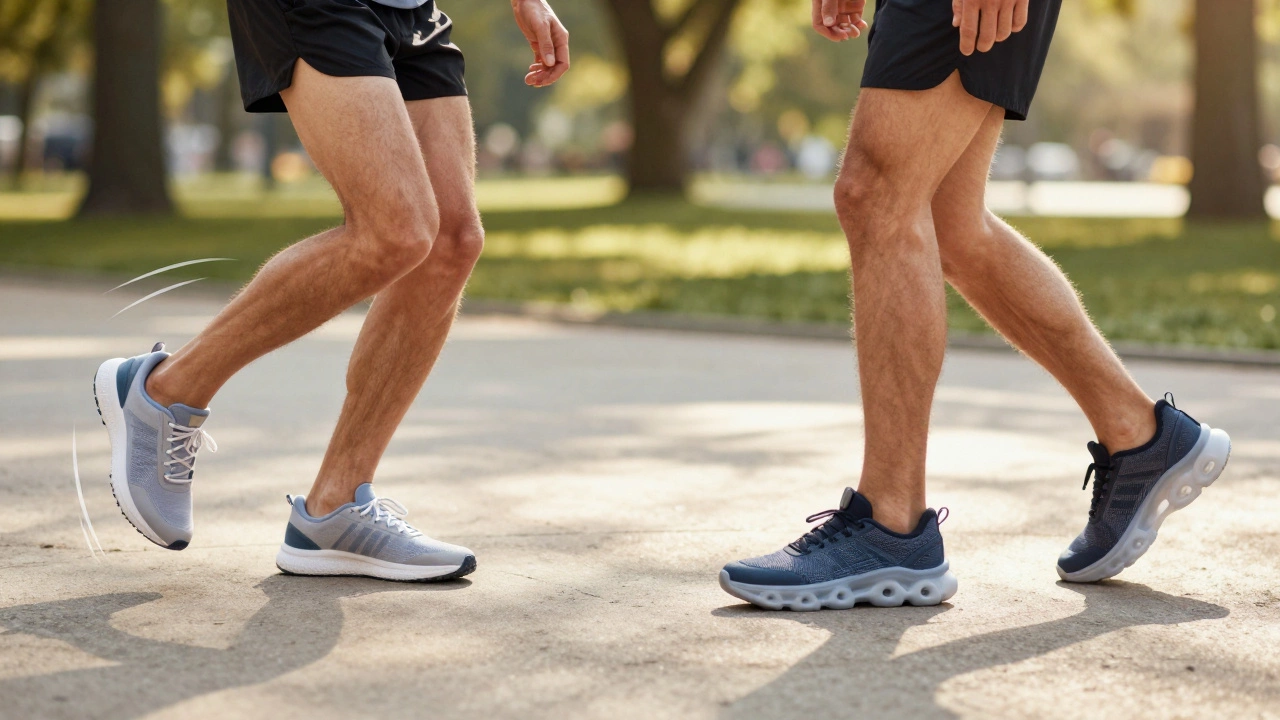
- Buying Stability Shoes Too Early: Marketing often pushes "motion control" or "stability" shoes for people who overpronate (roll their ankles inward). However, recent studies suggest that for mild overpronators, neutral shoes are safer. Stability shoes add rigid posts that can irritate the arch if your muscles are weak. Stick to neutral unless prescribed otherwise.
- Ignoring Break-In Periods: While modern foams require less break-in than leather boots, you should still wear your new shoes for short walks before a long run. This helps your skin adjust to new friction points.
- Keeping Them Too Long: Running shoes lose their cushioning after 300-500 miles. The foam compresses permanently. If you run 20 miles a week, replace your shoes every 1.5 to 2 months. Worn-out shoes increase injury risk significantly.
Where to Buy and Try On
Do not buy your first pair of running shoes online without trying them on first. Foot shape varies wildly between individuals. A shoe that fits your friend perfectly might pinch your pinky toe.
Visit a local running specialty store. Ask for a gait analysis. Most stores have a treadmill with a camera that records how your foot hits the ground. This takes five minutes and ensures you pick the right category (neutral vs. stability). Once you know your preferred model and size, you can confidently order replacements online.
Major retailers like Amazon, Zappos, and direct brand websites often have return policies. Look for stores that offer free returns within 30 days. This gives you a safety net if the shoe feels wrong after a few indoor runs.
Maintaining Your Shoes
To get the most value from your investment, treat your shoes well. Do not wash them in the washing machine. The agitation breaks down the glue and foam structure. Instead, wipe off mud with a damp cloth and let them air dry away from direct sunlight or heaters. Heat degrades the rubber outsole and melts the internal adhesives.
Rotate your shoes if possible. Having two pairs and alternating them allows the foam to decompress fully between runs. This extends the life of the midsole by up to 20%. Even if you only run twice a week, letting the shoes rest for 24 hours after each use helps maintain their shape.
Should I buy expensive running shoes as a beginner?
No. Expensive shoes often include advanced carbon plates or ultra-lightweight materials designed for competitive racing. These features offer little benefit to a beginner and may increase injury risk due to instability. Mid-range shoes ($80-$120) provide excellent cushioning and durability without the premium price tag.
How often should I replace my running shoes?
Replace your shoes every 300 to 500 miles. Signs of wear include visible creasing in the midsole foam, worn-down tread patterns on the outsole, or persistent knee/shin pain despite proper form. If you run 20 miles per week, expect to change shoes every 1.5 to 2 months.
What is the difference between neutral and stability shoes?
Neutral shoes have uniform cushioning and allow the foot to move naturally. Stability shoes include firmer materials on the inner side to prevent excessive inward rolling (overpronation). Most beginners should start with neutral shoes unless a professional diagnoses a severe pronation issue requiring correction.
Can I use walking shoes for running?
It is not recommended. Walking shoes are designed for a heel-to-toe roll with less impact. Running generates significantly higher forces. Running shoes have specialized midsoles and outsoles engineered to absorb shock and provide traction during the flight phase of running. Using walking shoes for running increases injury risk.
Do I need different shoes for trail running?
If you plan to run exclusively on paved roads, road shoes are sufficient. However, if you intend to run on dirt, gravel, or uneven terrain, you need trail running shoes. They feature deeper lugs for grip and protective plates to shield your feet from rocks. Mixing road shoes on trails can lead to slips and punctures.