Walking Shoe Compatibility Checker
Not sure if your running shoes are hurting your walk? Answer these quick questions to find out.
Analysis Result
Recommendations:
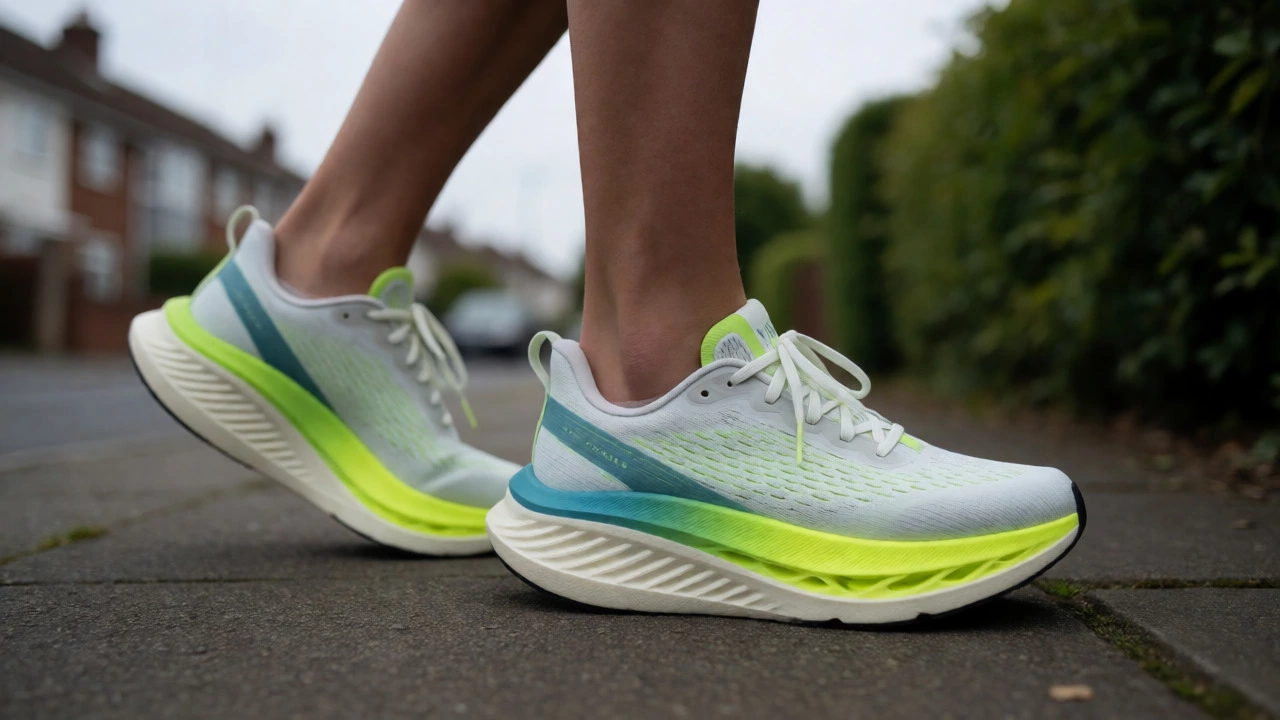
You just bought a shiny new pair of running shoes with max cushioning and carbon plates. You think, "Great, I'll wear these to the shops and around the neighborhood." But does that bouncy foam actually help when you're strolling? Or is it secretly messing up your gait?
Here’s the blunt truth: walking in running shoes isn't inherently "bad," but it's rarely optimal. The mechanics of walking are fundamentally different from running. When you run, you spend time airborne. When you walk, one foot is always on the ground. This simple fact changes everything about how your feet interact with the shoe. If you're experiencing heel pain, shin splints, or general fatigue after long walks, your footwear might be the culprit.
The Biomechanical Mismatch
Let's break down why these two activities need different tools. Walking involves a rolling motion from heel to toe. You land on your heel, roll through the midfoot, and push off from the big toe. There is no flight phase. In contrast, Running involves impact absorption and energy return. Runners often land on their midfoot or forefoot, requiring shoes with specific drop heights and stiff soles to stabilize high-impact forces.
Most modern running shoes feature a thick, soft midsole made of materials like EVA foam or TPU-based foams (like Nike ZoomX or Adidas Boost). While great for absorbing the 2-3x bodyweight impact of running, this squishiness can create instability during walking. Your foot has to work harder to stabilize itself on an uneven, compressible surface. Over time, this extra muscular effort can lead to calf strain or plantar fascia tightness.
When Running Shoes Are Actually Fine
Don't panic if you only own one pair of sneakers. For short distances-say, under 5 kilometers-wearing running shoes for walking is generally harmless. If you have neutral arches and no history of foot issues, the difference won't be noticeable. Many people also prefer the aesthetic and comfort of running shoes for casual wear. That's perfectly valid.
However, context matters. If you're walking on flat, paved surfaces for leisure, a standard road running shoe is acceptable. It provides more protection than going barefoot or wearing flip-flops. The key is moderation. If you find yourself limping slightly after a long grocery trip, your shoes aren't supporting your natural gait cycle efficiently.
The Hidden Risks of Long-Distance Walking
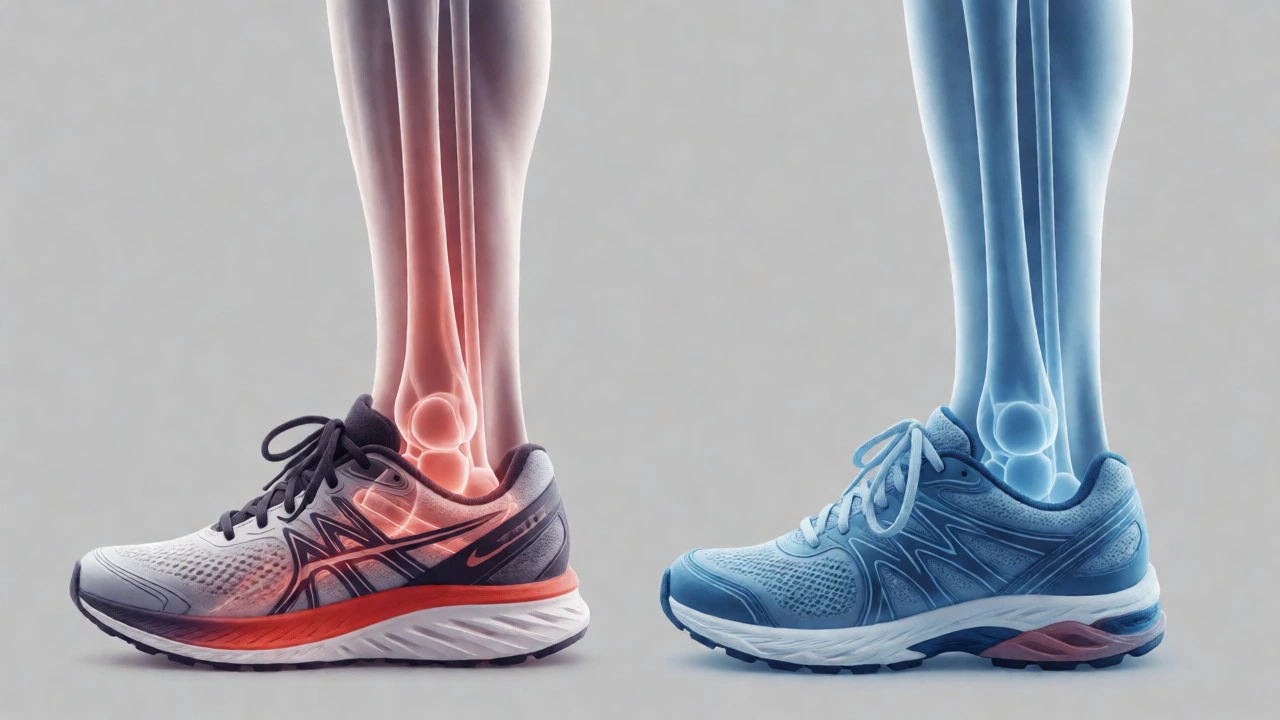
Problems arise when you start logging serious mileage. Walkers who use highly structured or maximalist running shoes often report discomfort in specific areas:
- Heel Pain: Some running shoes have a rigid heel counter designed to lock the foot in place during high-speed turns. During slow walking, this rigidity can dig into the Achilles tendon or irritate the plantar fascia insertion point.
- Shin Splints: A high heel-to-toe drop (the difference in height between the heel and forefoot) common in traditional running shoes can shorten the calf muscles. Since walkers rely heavily on ankle dorsiflexion, this can exacerbate anterior tibialis strain.
- Instability: Wide, soft soles increase the risk of rolling an ankle, especially on uneven terrain like gravel paths or park trails. Walking requires precise proprioception; too much cushion dampens sensory feedback from the ground.
A study published in the Journal of Sports Sciences highlighted that while running shoes reduce peak vertical forces, they do not necessarily improve metabolic efficiency for walkers. In fact, some walkers expend more energy stabilizing their ankles in overly soft shoes compared to firmer, flexible alternatives.
What Makes a Good Walking Shoe?
If you plan to walk regularly, consider investing in footwear designed specifically for this activity. Unlike running shoes, which prioritize energy return, walking shoes prioritize flexibility and stability. Here is what you should look for:
| Feature | Running Shoes | Walking Shoes |
|---|---|---|
| Sole Flexibility | Stiff in the midfoot to prevent excessive bending at high speeds. | Highly flexible at the forefoot to facilitate the heel-to-toe roll. |
| Heel Drop | Often higher (8-12mm) to encourage forward lean. | Lower (4-8mm) to promote a natural stride length. |
| Cushioning | Soft and responsive for impact absorption. | Firm and supportive to maintain stability over long periods. |
| Traction | Designed for pavement or trail grip at speed. | Wider tread pattern for slip resistance at slower speeds. |
Notice the emphasis on flexibility. A good walking shoe should bend easily where your toes bend. If you twist the sole and it resists, it's likely built for running. Brands like New Balance, Brooks, and Skechers offer dedicated walking lines that address these needs. They typically feature wider toe boxes, allowing your toes to splay naturally as you push off.
Signs You Need to Switch Footwear
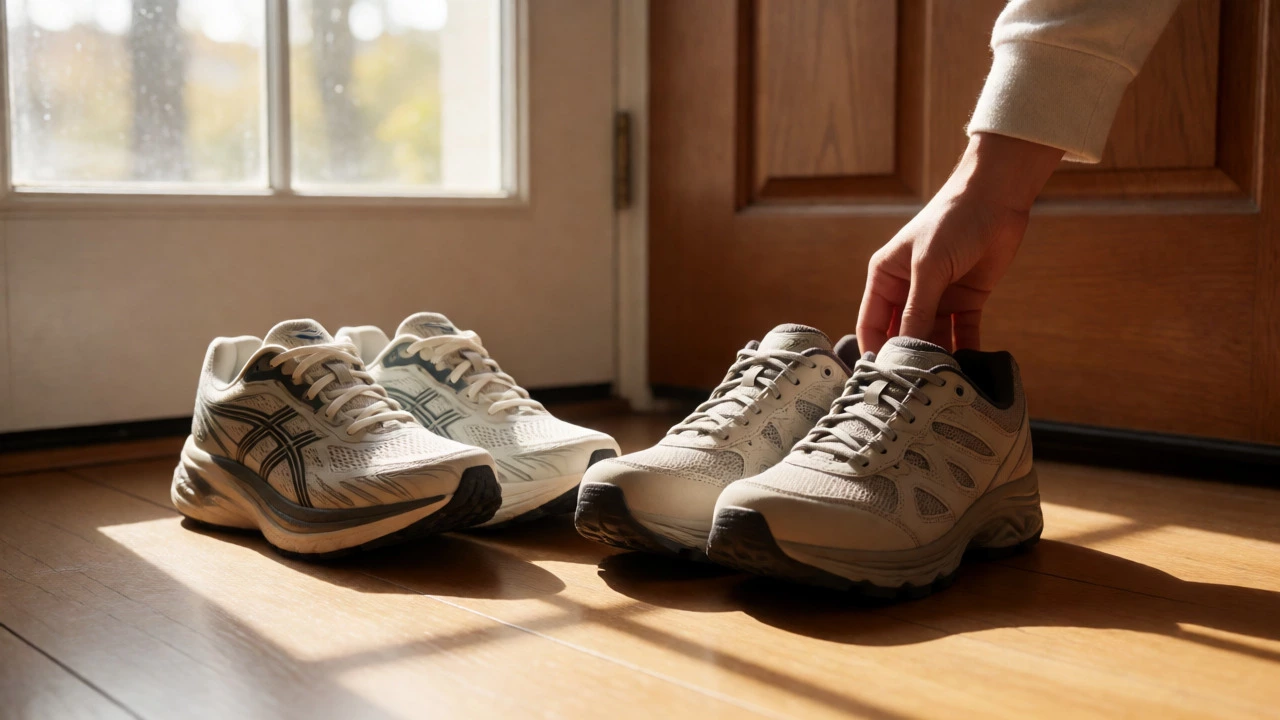
Your body will tell you if your current setup isn't working. Pay attention to these red flags:
- Arch Fatigue: If your arches feel sore or flat by the end of a walk, your shoe may lack adequate arch support for static loading.
- Blister Hotspots: Running shoes often have narrower heels. As you walk, your foot slides slightly within the shoe due to lower momentum, causing friction blisters on the heel or little toe.
- Knee Discomfort: Poor alignment caused by unstable cushioning can transfer stress up the kinetic chain to your knees.
- Lack of Propulsion: Do you feel like you're dragging your feet? Stiff running shoes can inhibit the natural push-off mechanism required for efficient walking.
If you experience any of these consistently, it's time to test a dedicated walking shoe. Visit a specialty store and ask for a gait analysis. Many shops in Adelaide, such as those along Rundle Mall or specialized running boutiques, offer free assessments to match your foot type with the right shoe.
Practical Tips for Transitioning
If you decide to switch from running shoes to walking shoes, don't rush it. Your feet have adapted to the structure of your old shoes. Abrupt changes can cause temporary discomfort.
- Break Them In: Wear your new walking shoes for short errands first. Gradually increase distance over two weeks.
- Check the Fit: Ensure there is a thumb's width of space between your longest toe and the end of the shoe. Feet swell during activity, even walking.
- Rotate Pairs: If you walk daily, alternate between two pairs of shoes. This allows the midsole foam to recover its shape, extending the life of both pairs.
- Consider Orthotics: If you have flat feet or high arches, over-the-counter insoles can bridge the gap between generic shoe design and your specific biomechanics.
Remember, there is no single "best" shoe for everyone. It depends on your weight, walking speed, surface conditions, and personal comfort preferences. However, understanding the mechanical differences helps you make an informed choice rather than relying solely on brand marketing.
Can I use running shoes for hiking?
It depends on the type of running shoe. Trail running shoes are excellent for light hiking because they offer better traction and durability than road runners. However, standard road running shoes lack the ankle support and rugged outsole needed for rocky or uneven terrain, increasing the risk of slips and twists.
Do expensive running shoes hurt my feet less when walking?
Not necessarily. Price often reflects advanced technology for performance running, such as carbon plates or elite-level foams. These features can actually decrease stability for walking. A moderately priced shoe with good structural integrity and flexibility is often better for walking than a premium racing shoe.
How often should I replace my walking shoes?
A general rule of thumb is every 500 to 800 kilometers or every 6 to 12 months, depending on usage. Look for visible compression in the midsole, worn-out treads, or asymmetrical wear patterns on the heel or toe. Once the cushioning loses its resilience, it stops protecting your joints effectively.
Are minimalist shoes better for walking?
Minimalist shoes can strengthen foot muscles by encouraging a more natural gait, but they require a gradual transition period. Walking immediately in zero-drop, thin-soled shoes can lead to calf strains or metatarsal stress fractures if your feet aren't conditioned for it. Most people benefit from a moderate level of cushioning and support.
Does wearing running shoes change my posture?
Yes, indirectly. High-cushioned, unstable shoes force your core and leg muscles to engage more to maintain balance. While this might sound beneficial, it can lead to inefficient movement patterns and fatigue during low-intensity activities like walking. Proper alignment comes from stable, well-fitted footwear.