Big 3 Strength Ratio Estimator
Enter your current best lift weights to see your Total and identify potential weaknesses compared to typical balanced strength profiles.
Pending Analysis
None Detected
Strength Profile Breakdown
| Lift | Your Weight | Typical Ratio* | Status |
|---|---|---|---|
| Squat | - | ~100% | - |
| Bench Press | - | ~70% | - |
| Deadlift | - | ~120% | - |
*Ratios are generalized estimates for intermediate male lifters. Individual anatomy varies significantly.
You walk into the gym, look around at the maze of machines, and wonder where to start. Should you do bicep curls? Leg extensions? Crunches? Here is a secret that powerlifters and strength coaches have known for decades: you can build serious muscle and raw strength with just three moves. They are called the Big 3 a group of three fundamental compound exercises used in powerlifting and general strength training: the squat, the bench press, and the deadlift.
These aren't just random picks. They are the pillars of human movement. If you master them, you don't need twenty different machines. You need a barbell, some plates, and the will to push heavy weight. Whether you are in Adelaide or anywhere else, these lifts translate directly to real-world strength. Let's break down what they are, why they matter, and how to do them without hurting yourself.
Why Only Three Exercises?
It sounds too simple to be true, right? But here is the logic. The Big 3 are compound movements exercises that work multiple muscle groups and joints simultaneously, allowing for heavier loads and greater hormonal response than isolation exercises. When you squat, you aren't just working your quads. You are hitting your glutes, hamstrings, lower back, core, and even your upper back for stability. Isolation exercises, like leg extensions, only target one muscle group. That means less total stress on the body and less overall growth signal.
Think of it this way: if you want to build a house, you focus on the foundation first. The Big 3 are the foundation. They recruit the maximum amount of muscle fiber in the shortest time. This efficiency is why they dominate programs like Starting Strength or StrongLifts 5x5. You get more bang for your buck. Plus, mastering these lifts teaches you how to brace your core and maintain tension, skills that transfer to every other activity you do.
The Squat: King of Lower Body Strength
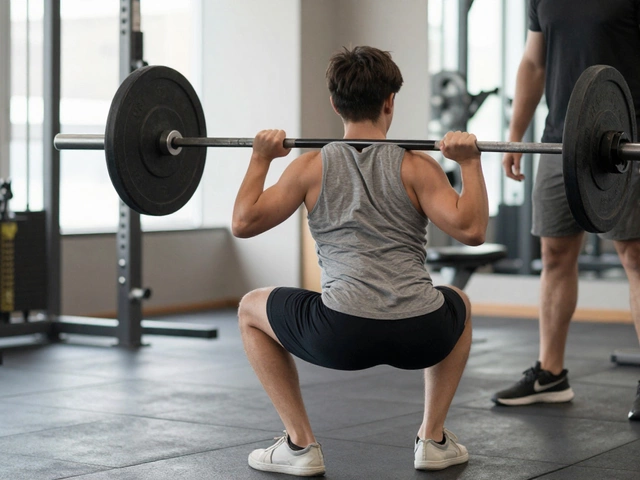
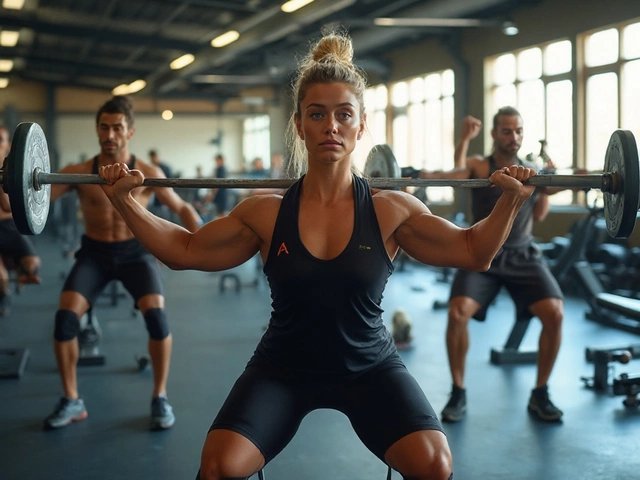
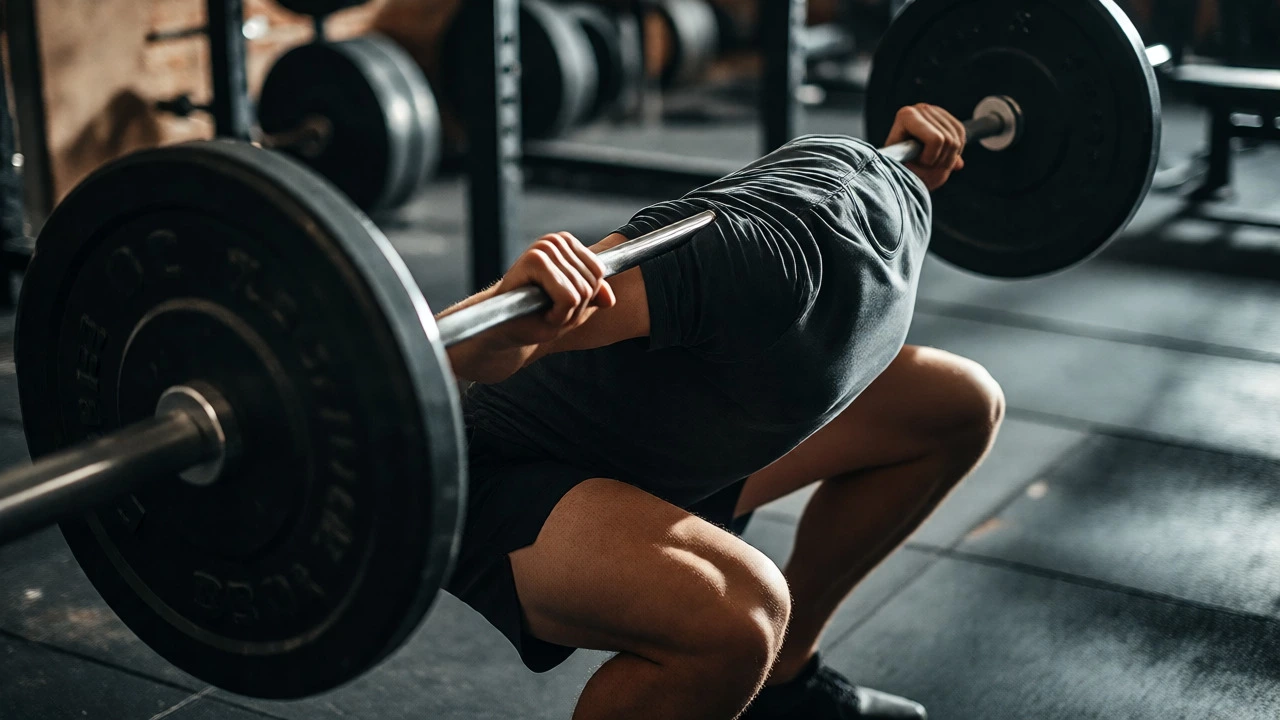
The Barbell Back Squat a bilateral lower-body exercise where a barbell is placed across the upper back and the lifter descends by bending the knees and hips until the thighs are parallel to the floor or lower. is often considered the most important lift of all. It builds the posterior chain (back side of the body) and the anterior chain (front side). It demands balance, mobility, and raw power.
Most people mess up the squat because they try to go too deep too fast or let their heels lift off the ground. Here is the basic setup:
- Stance: Feet shoulder-width apart, toes slightly pointed out (about 15-30 degrees).
- Bracing: Take a big breath into your belly, not your chest. Tighten your abs as if someone is about to punch you.
- The Descent: Push your hips back first, then bend your knees. Keep your chest up. Imagine sitting between two chairs.
- Depth: Aim for hip crease below the knee. This is "parallel." Going deeper is fine if your mobility allows it.
- The Ascent: Drive through your mid-foot. Push the floor away. Exhale once you pass the hardest part of the lift.
A common mistake is looking down. This rounds your spine. Keep your eyes focused on a fixed point on the wall ahead. Another issue is "butt wink," where the pelvis tucks under at the bottom. This usually means you lack ankle mobility or hip flexibility. Stretching your ankles and hips regularly helps fix this.
The Bench Press: Upper Body Powerhouse
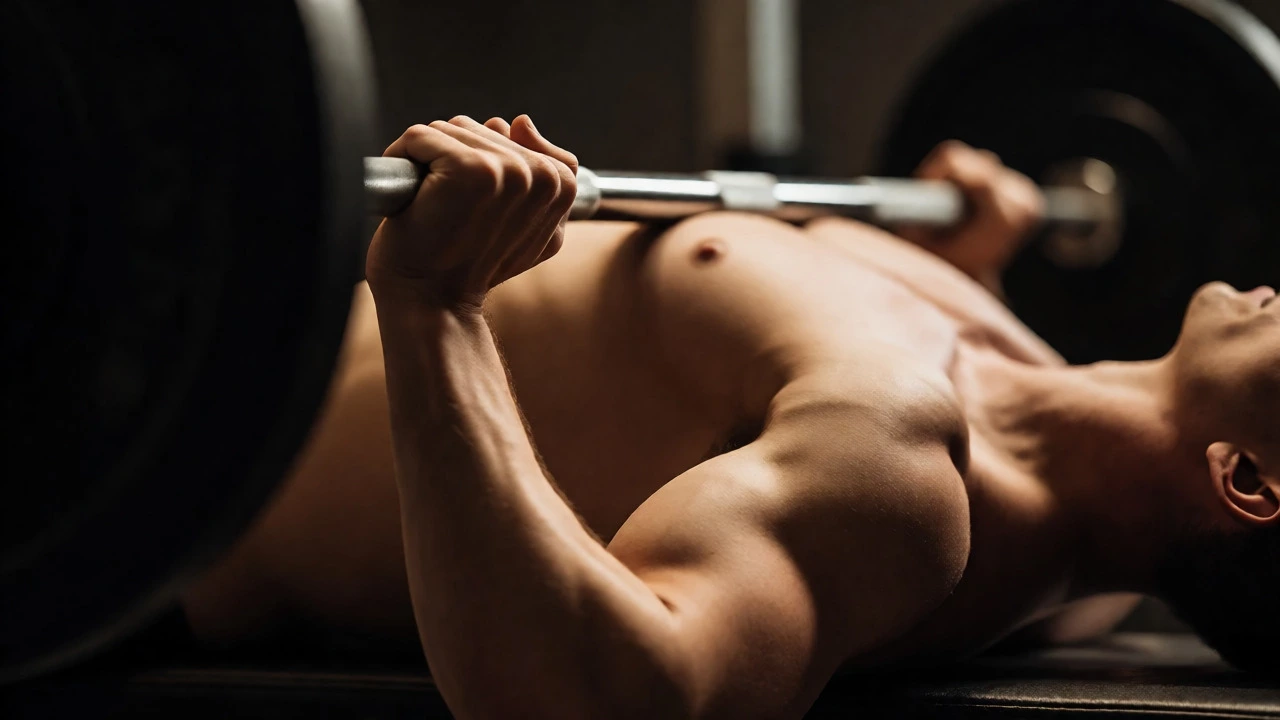
If squats build legs, the Bench Press a horizontal pressing exercise performed lying supine on a flat bench, primarily targeting the pectoralis major, anterior deltoids, and triceps brachii. builds the front of your torso. It targets the chest, shoulders, and triceps. But unlike a machine press, the free-weight version requires you to stabilize the bar, engaging your rotator cuff and core.
Many beginners treat the bench press like a dumbbell fly-wide grip, elbows flared out 90 degrees, bouncing the bar off the chest. Don't do that. You risk shoulder injury. Instead, think about "retracting and depressing" your scapulae. Pinch your shoulder blades together and pull them down towards your back pockets. This creates a stable platform.
Here is a safer, stronger technique:
- Grip: Slightly wider than shoulder-width. Thumb wraps around the bar (suicide grip is risky for beginners).
- Arch: A slight natural arch in the lower back is fine. Your butt stays on the bench; feet stay planted on the floor.
- Elbows: Tuck them to about 45-75 degrees from your torso. Not straight out to the sides.
- Touch Point: Lower the bar to your lower chest/sternum area, not your neck.
- Drive: Press the bar up and slightly back towards your face, following an arc, not a straight vertical line.
If you feel pain in the front of your shoulder, check your elbow angle. Flaring them out too much puts excessive stress on the joint. Retract those shoulder blades!
The Deadlift: Total Body Strength
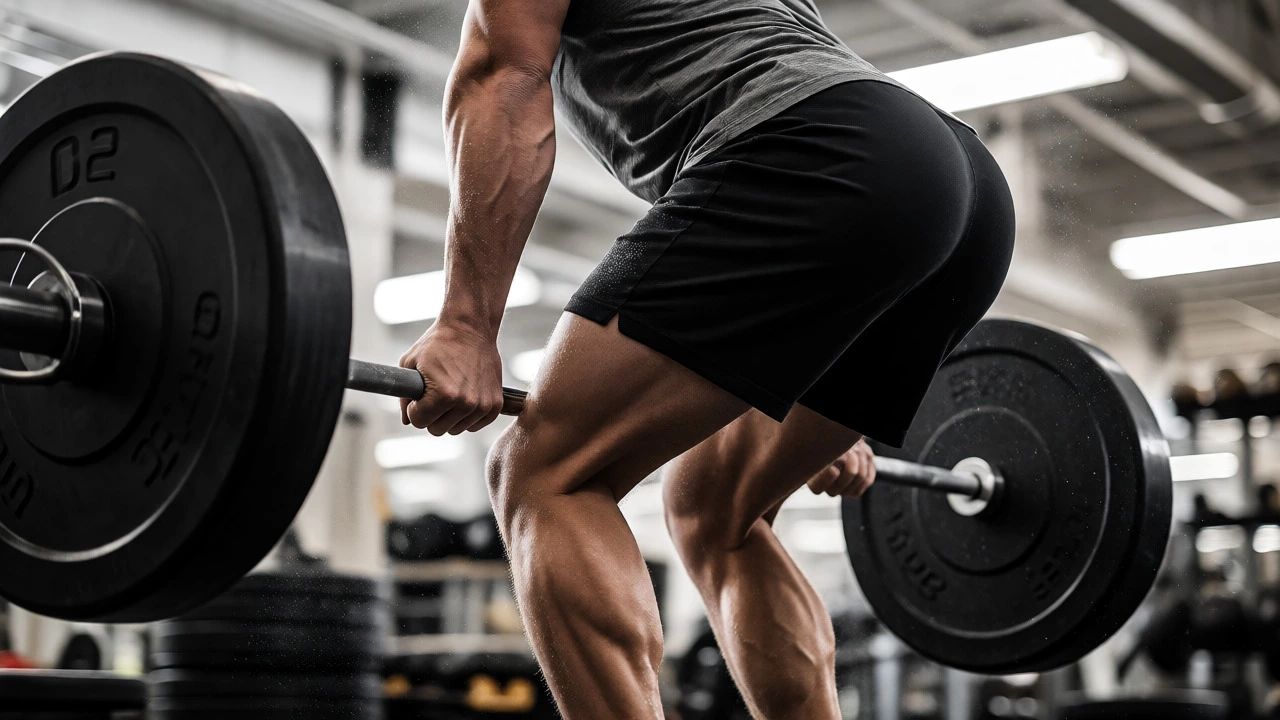
The Conventional Deadlift a hip-hinge exercise where the lifter pulls a loaded barbell from the floor to the hip level, engaging the entire posterior chain including erectors, glutes, hamstrings, and lats. is the ultimate test of strength. It starts from a dead stop (hence the name), meaning no momentum. You pick up something heavy from the ground. Simple concept, complex execution.
People often round their backs during deadlifts, leading to disc injuries. The key is understanding the hip hinge. It is not a squat. Your shins should remain relatively vertical. The movement comes from pushing the hips back, not bending the knees forward.
Setup checklist:
- Position: Bar over the middle of your foot. Shins touching the bar.
- Grip: Hands just outside your knees. Use double overhand or mixed grip if needed.
- Slack Out: Pull the slack out of the bar before you lift. Hear the click against the plates. Engage your lats by pulling the bar into your shins.
- Brace: Big breath, tight core. Same as the squat.
- Lift: Push the floor away with your legs while keeping your back rigid. Once past the knees, thrust your hips forward to lockout.
- Lockout: Squeeze glutes. Do not hyperextend (lean back) excessively. Just stand tall.
A frequent error is turning the deadlift into a squat. If your hips shoot up too fast, you lose leverage. Keep your chest up and drive your hips through the plane of motion. Think about dragging the bar up your legs, staying close to your body.
How to Structure Your Training
You might be wondering, "Do I just do these three forever?" For beginners, yes, largely. Programs like StrongLifts 5x5 alternate between two workouts containing variations of these lifts. Workout A might be Squat, Bench, Row. Workout B might be Squat, Overhead Press, Deadlift. Notice the row and overhead press? Those are great accessories, but the Big 3 remain the main drivers.
Progressive overload is the magic sauce. You must add weight to the bar over time. Start light. Master the form. Then add 2.5kg or 5kg each session. If you fail a rep, repeat the same weight next time. Consistency beats intensity in the long run.
| Exercise | Primary Muscles Targeted | Secondary Muscles | Common Injury Risk |
|---|---|---|---|
| Squat | Quadriceps, Glutes | Hamstrings, Core, Erectors | Knee strain, Lower back rounding |
| Bench Press | Pectoralis Major | Anterior Deltoids, Triceps | Shoulder impingement, Wrist strain |
| Deadlift | Erector Spinae, Glutes | Hamstrings, Lats, Forearms | Lumbar disc herniation, Grip failure |
Who Should Avoid the Big 3?
While powerful, these lifts aren't for everyone immediately. If you have a history of severe lumbar spine issues, consult a physiotherapist before heavy deadlifting. If you have limited shoulder mobility, the bench press might need modification (like using dumbbells) until mobility improves. Older adults or those new to resistance training should prioritize technique over load. Maybe use lighter weights or machines initially to build base strength before loading a barbell heavily.
Also, consider your goals. If you are a bodybuilder focusing purely on hypertrophy (muscle size), you might want more volume and variation. The Big 3 are great for strength and general mass, but isolation exercises help shape specific muscles. However, for 90% of gym-goers wanting to get stronger and fitter, the Big 3 provide the best return on investment.
Final Thoughts on Form
Don't let your ego write checks your body can't cash. Heavy weight with bad form is worse than light weight with perfect form. Film yourself lifting. Compare it to tutorial videos. Ask a trainer to check your setup. These three lifts take months, sometimes years, to truly master. But the payoff is undeniable. You will look better, feel stronger, and move with confidence in daily life. Pick up the bar, brace your core, and respect the iron.
Can I build muscle with just the Big 3?
Yes, absolutely. Because these are compound movements, they stimulate high levels of testosterone and growth hormone release, which aids muscle growth. While isolation exercises can help target specific lagging areas, many people achieve significant muscular development and aesthetic physique changes solely through progressive overload on the squat, bench, and deadlift.
How often should I do the Big 3?
For beginners, 3 times per week is common, often alternating between two workout templates. Intermediate lifters might train each lift once or twice a week depending on recovery capacity and program design (like a 4-day upper/lower split). Listen to your body; if you are constantly sore or fatigued, you may need more rest days.
Is the deadlift dangerous for my back?
Not inherently. Most back injuries come from poor technique, such as rounding the spine under load or jerking the weight. When performed with a neutral spine and proper bracing, the deadlift actually strengthens the erector spinae muscles, potentially protecting the back. Start light, focus on form, and avoid maximal attempts until you are confident in your technique.
What equipment do I need for the Big 3?
You need a barbell, weight plates, a squat rack or power rack for safety bars, and a flat bench. While you can technically deadlift on any surface, a dedicated lifting platform or rubber mats protect the floor and reduce noise. Proper footwear, such as flat-soled shoes or weightlifting shoes, also helps stability.
Do women need to do the Big 3 differently?
No, the mechanics are the same. Women generally have stronger relative lower bodies compared to upper bodies, so they often excel at squats and deadlifts. The bench press might require more patience for progression due to anatomical differences in muscle distribution, but the benefits-bone density improvement, metabolic boost, and functional strength-are equally valuable for all genders.