Female Athlete Gear & Support Audit
Are you using gear designed for the female body, or just a smaller version of men's gear? Use this interactive audit to identify gaps in your current setup based on biomechanics, hormonal cycles, and safety standards.
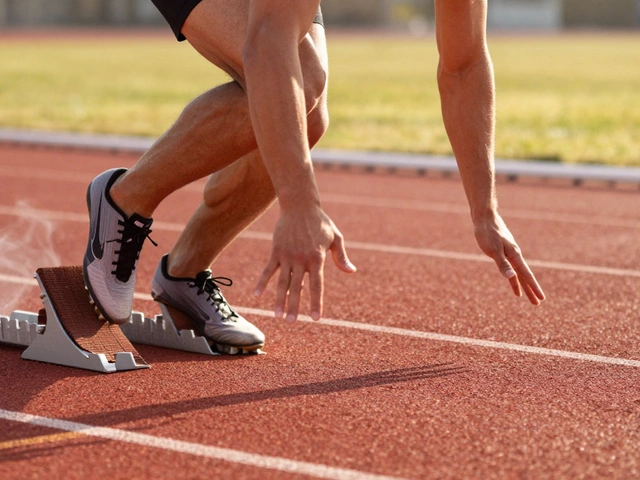
Women often have narrower heels and higher arches. Standard unisex shoes can cause slippage and instability.
High-impact movement requires encapsulation, not just compression, to protect tissue and posture.
Wider hips create sharper knee angles (Q-angle), increasing ACL risk. Equipment should cue proper muscle engagement.
Hormonal shifts affect energy, recovery, and joint laxity. Training and nutrition must adapt.
Head shapes differ; standard male helmets may leave gaps or pressure points. Custom fit is critical for concussion prevention.
Psychological safety and relatable coaching improve adherence and performance.
Your Gear Readiness Score
You’ve probably heard the old saying that a woman’s body is just a smaller version of a man’s. It’s wrong. Biomechanically, physiologically, and structurally, female athletes operate differently. Yet, for decades, the sports industry treated women as an afterthought, simply shrinking men’s gear and slapping pink packaging on it. The result? Ill-fitting uniforms that restrict movement, footwear designed for narrow heels causing ankle instability, and a lack of specific protective equipment that leaves millions vulnerable to preventable injuries.
So, what do female athletes actually need? It’s not just about better marketing. It’s about equipment and support systems engineered specifically for the female form. From the way your hips rotate during a sprint to how your ligaments respond to hormonal shifts, every aspect of training demands a tailored approach. If you’re tired of fighting against your gear instead of using it to enhance performance, this guide breaks down exactly what you need to perform at your peak safely and comfortably.
The Myth of "Shrink It and Pink It"
For years, major brands followed a lazy manufacturing shortcut: take the male product line, reduce the size by two, change the color palette, and sell it to women. This approach ignores fundamental anatomical differences. Men generally have narrower hips and broader shoulders; women often have wider pelvises, different Q-angles (the angle between the thigh bone and shin), and distinct muscle distribution patterns.
When you wear equipment designed for a different skeleton, you compromise efficiency. A running shoe built for a male foot structure might force a female runner into overpronation, leading to knee pain or plantar fasciitis. A rugby jersey cut for a male torso might restrict shoulder mobility for a woman with a longer torso relative to her leg length. Recognizing these mismatches is the first step toward optimizing your kit. You aren’t asking for special treatment; you’re asking for tools that fit the job.
Footwear: Engineered for Stability and Fit
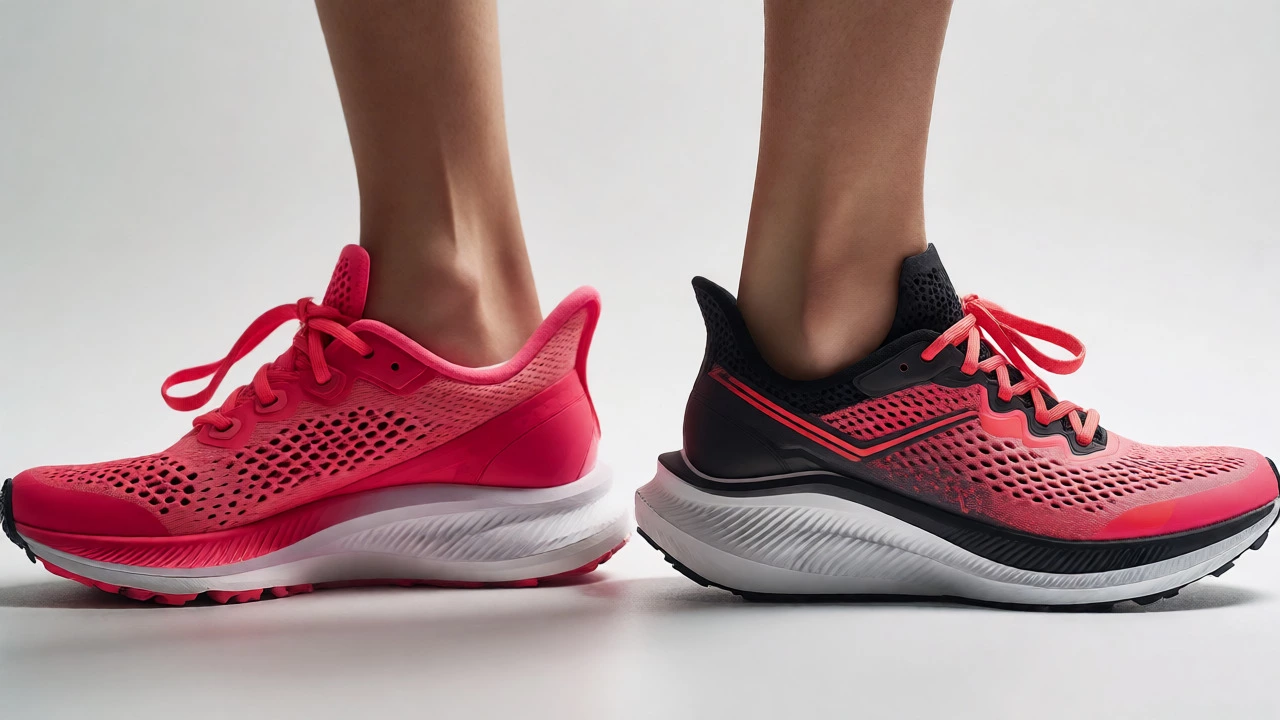
Your feet are the foundation of almost every athletic movement, yet they are often the most poorly fitted part of an athlete’s kit. Research from organizations like the American College of Sports Medicine highlights that women have a higher arch height, a narrower heel, and a lower volume in the midfoot compared to men of the same shoe size.
Standard unisex shoes often fail here. They tend to be too wide in the heel, causing slippage and blisters, while being too narrow across the forefoot, compressing toes and affecting balance. What do female athletes need in their shoes? Look for models explicitly labeled as "women-specific." These feature:
- Narrower Heel Counters: To lock the foot in place and prevent lateral rolling.
- Softened Midsole Geometry: Women typically weigh less than men, so they don’t need the dense foam required to support heavier loads. Softer compounds allow for better energy return without feeling mushy.
- Adjustable Volume Systems: Features like internal booties or lacing systems that accommodate high arches without cutting off circulation.
If you play court sports like netball or basketball, look for shoes with a wider base for stability during lateral cuts. For runners, gait analysis remains crucial, but ensure the lab uses female-specific data sets, not averaged ones dominated by male subjects.
Breast Support: Beyond Basic Bra Straps
This might seem obvious, but breast support is a critical performance factor that is frequently underestimated. During high-impact activities like running or jumping, breast tissue can move up to 15 centimeters in multiple directions. That movement isn’t just uncomfortable; it alters your posture, changes your center of gravity, and can lead to chronic neck and back pain.
A standard fashion bra won’t cut it. You need a sports bra categorized by impact level-low, medium, or high. High-impact bras use encapsulation (separate cups) rather than just compression (squashing everything flat). Encapsulation reduces bounce more effectively while maintaining comfort. Look for features like:
- Racerback Designs: These distribute weight across the shoulders and upper back, reducing strain on the trapezius muscles.
- Wide, Padded Straps: Thin straps dig in when wet with sweat, causing chafing and irritation.
- Moisture-Wicking Fabrics: Synthetic blends or merino wool pull sweat away from the skin faster than cotton, preventing rashes under the bust line.
Remember, breast support isn’t static. Your needs change throughout your menstrual cycle due to fluid retention and tissue sensitivity. Having two or three bras with slightly different levels of compression allows you to adjust based on how your body feels that week.
Hip and Pelvic Alignment: The Core Connection
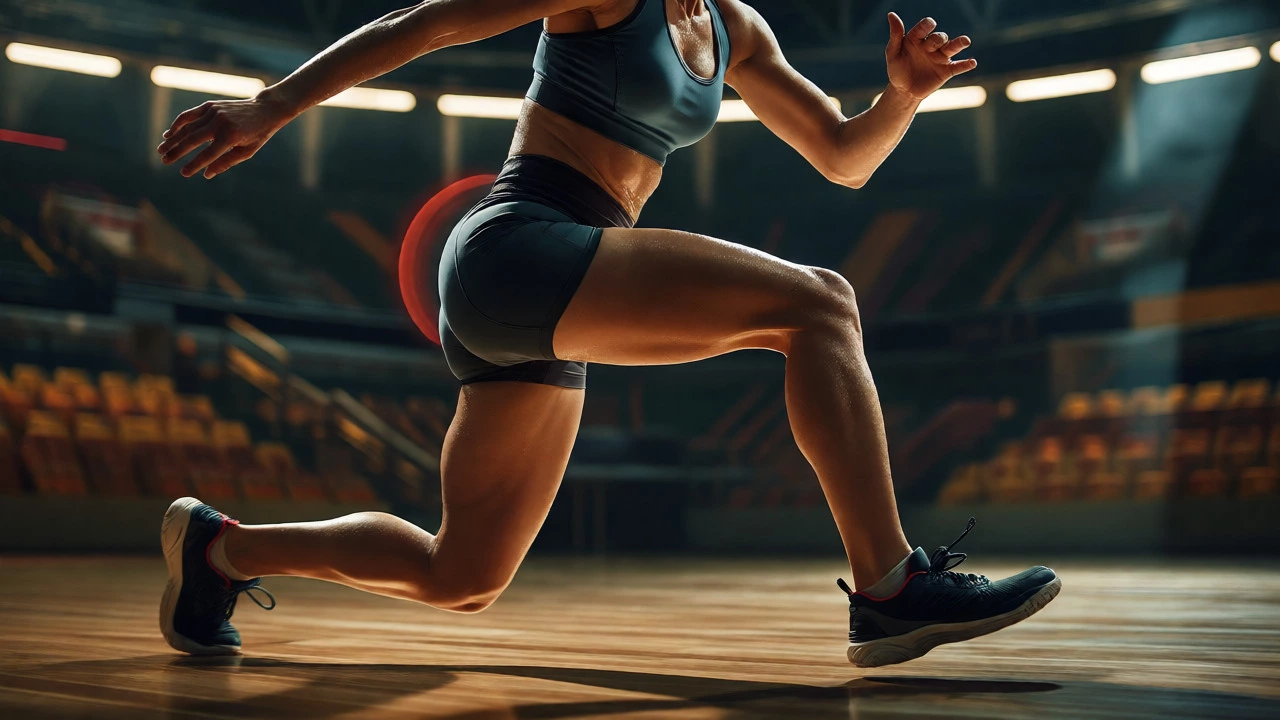
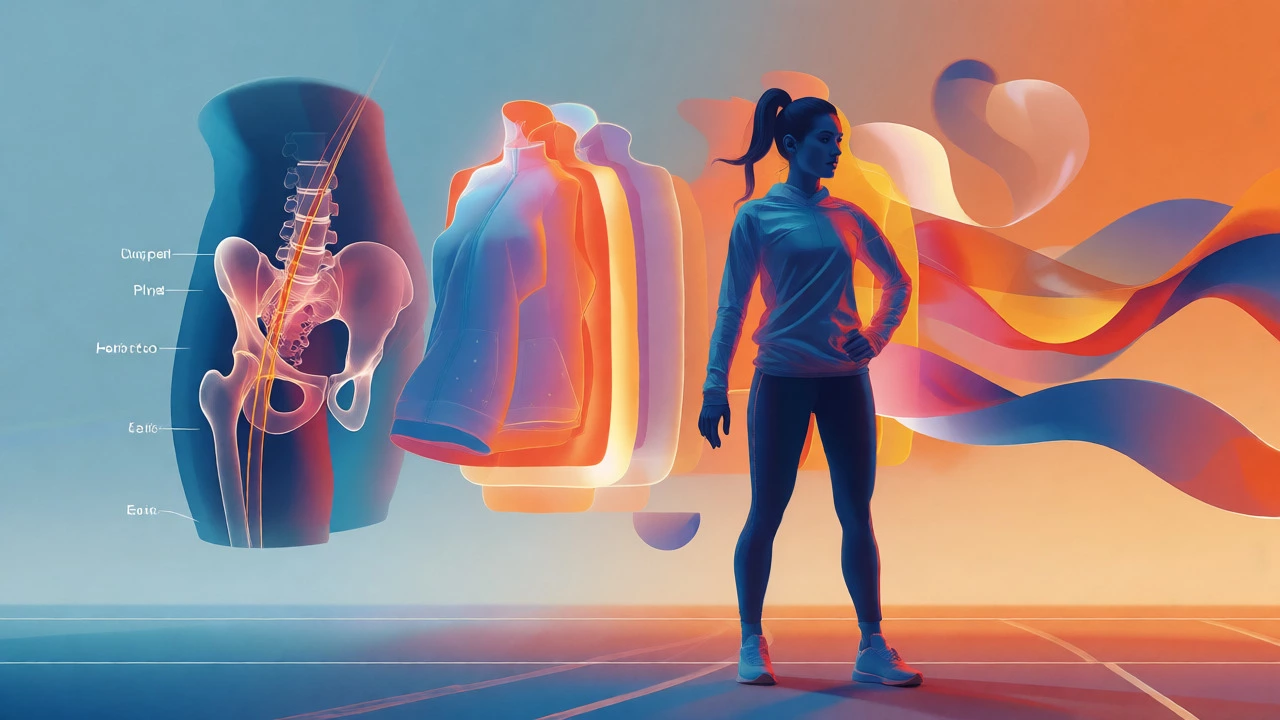
Female athletes have a higher risk of anterior cruciate ligament (ACL) tears-up to eight times more likely than male counterparts. While genetics play a role, much of this disparity comes down to biomechanics related to hip width and pelvic shape. Wider hips create a sharper angle at the knee, putting extra stress on the ACL during landing and pivoting motions.
To counteract this, you need equipment and accessories that promote proper alignment. This doesn’t always mean braces. Often, it means supportive apparel that cues correct muscle engagement. Compression shorts with high waistbands can provide proprioceptive feedback, reminding you to engage your glutes and core. Strong glutes stabilize the femur, keeping the knee aligned over the toe.
Consider investing in resistance bands specifically designed for hip activation exercises like clamshells or lateral walks. These small pieces of equipment help strengthen the gluteus medius, a muscle group that is often weaker in women but vital for knee stability. By strengthening the hips, you protect the knees. It’s a chain reaction, and the right tools make the connection clear.
Menstrual Cycle and Training Adjustments
Ignoring the menstrual cycle in training planning is like driving a car without checking the fuel gauge. Hormonal fluctuations affect energy levels, recovery rates, and even joint laxity. Estrogen and progesterone influence how your body stores glycogen and repairs muscle tissue.
What do female athletes need here? Awareness and flexibility. Many elite teams now track cycles to optimize training loads. During the follicular phase (days 1-14), estrogen rises, potentially boosting strength and tolerance for high-intensity work. In the luteal phase (days 15-28), body temperature increases, and heart rate may elevate, making endurance efforts feel harder.
Practical gear adjustments include:
- Period-Specific Underwear: Leak-proof bottoms made from breathable, quick-dry materials remove anxiety during intense sessions.
- Temperature Regulation Layers: Since basal body temperature fluctuates, having removable layers helps manage overheating during the luteal phase.
- Iron-Rich Nutrition Planning: Heavy periods can deplete iron stores, impacting oxygen transport. Pairing training with dietary strategies ensures sustained energy.
Understanding these rhythms allows you to train smarter, not just harder. It transforms the cycle from a nuisance into a strategic tool.
Protective Equipment: Fit Matters More Than Size
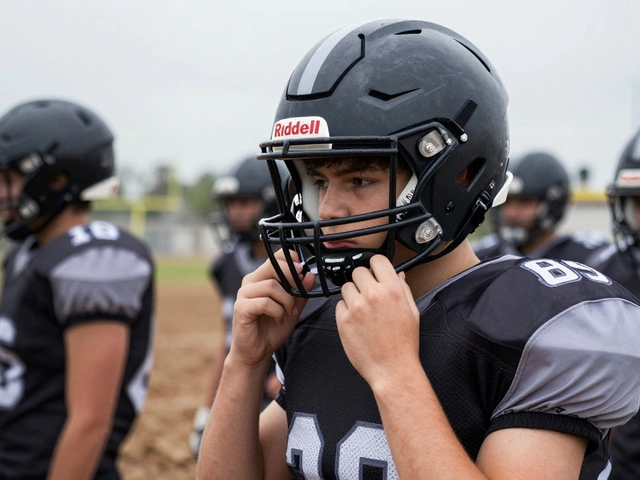
In contact sports like rugby, football, or boxing, protective gear is non-negotiable. However, helmets, mouthguards, and pads designed for men rarely fit women correctly. A helmet that sits too low on the forehead obscures vision; one that’s too loose offers no protection against concussion.
Women often have different head shapes-typically rounder and shorter front-to-back compared to the elongated oval common in males. When trying on helmets, check for pressure points at the temples and crown. Custom molding options are becoming more available, allowing athletes to heat-mold liners for a precise fit.
Similarly, mouthguards should be custom-fitted rather than boil-and-bite generics. A properly fitted guard protects teeth and jaw joints, reducing concussion risk by absorbing shock. Don’t overlook shin guards or chest protectors; ensure they cover the necessary areas without restricting blood flow. If you feel numbness or tingling, the gear is too tight. Discomfort is a signal, not something to endure.
| Feature | Male Design Standard | Female Specific Requirement |
|---|---|---|
| Footwear Last | Wider heel, lower arch profile | Narrower heel, higher arch support, softer midsole |
| Top Wear | Straight cut, minimal shaping | Chest accommodation, adjustable straps, moisture management |
| Bottom Wear | Narrow waist, straight hip line | Higher rise, contoured waistband, hip room |
| Protective Gear | Elongated oval head shape assumption | Rounder head shape compatibility, chin strap adjustment |
Mental Health and Community Support
Physical equipment is only half the battle. Female athletes face unique psychological pressures, including body image scrutiny, balancing career and family expectations, and navigating male-dominated coaching structures. What do female athletes need in this realm? Safe spaces and relatable role models.
Access to coaches who understand female physiology and psychology makes a massive difference. A coach who knows why you’re struggling with intensity during certain weeks builds trust. Trust improves adherence and performance. Additionally, community matters. Joining clubs or online groups where women share experiences reduces isolation. Knowing others deal with similar challenges normalizes the struggle and provides practical tips you won’t find in manuals.
Invest in mental resilience tools too. Apps for mindfulness, journaling, or sleep tracking can help monitor stress levels. Recovery isn’t just physical; it’s mental. Protecting your peace is part of protecting your performance.
Conclusion: Demand Better Gear
The landscape is changing. Brands are finally listening, and research is catching up. But as an athlete, you hold the power. Vote with your wallet. Support companies that invest in female-specific R&D. Ask questions in stores: "Is this designed for women, or just scaled down?" Test gear rigorously. Return items that don’t serve you.
You deserve equipment that respects your biology, enhances your strengths, and protects your health. Stop settling for ill-fitting compromises. When your gear fits right, you move better, recover faster, and enjoy the sport more. That’s what female athletes need-not just products, but precision.
Why do female athletes get injured more often?
While not all injuries are more common, female athletes have a significantly higher risk of ACL tears and patellofemoral pain syndrome. This is largely due to anatomical factors like wider hips creating a sharper knee angle, combined with hormonal influences on ligament laxity and neuromuscular control patterns. Proper equipment and targeted strength training can mitigate these risks.
Can I wear men's running shoes if I'm small?
Generally, no. Even if the length fits, men's shoes are typically wider in the heel and have a stiffer midsole designed for heavier weights. This can cause slippage, blisters, and poor energy return. Women-specific shoes offer a narrower heel cup and softer cushioning suited to lighter body mass, providing better stability and comfort.
How does the menstrual cycle affect sports performance?
Hormonal fluctuations impact energy, recovery, and hydration. During the follicular phase, rising estrogen may boost strength and pain tolerance. In the luteal phase, increased progesterone and body temperature can make endurance tasks feel harder and increase injury risk due to joint laxity. Tracking your cycle helps tailor training intensity and recovery strategies.
What is the best type of sports bra for high-impact sports?
Look for high-impact encapsulation bras that separate and support each breast individually rather than just compressing them. Key features include wide padded straps, a secure underband, racerback designs for shoulder freedom, and moisture-wicking fabrics to prevent chafing. Custom-fit options provide the highest level of support.
Do female athletes need different nutritional supplements?
Yes, particularly regarding iron and calcium. Women lose iron through menstruation, which can impair oxygen transport and energy levels. Calcium and Vitamin D are crucial for bone density, especially for those with irregular periods or high training loads. Always consult a sports dietitian before starting supplementation to address individual needs.