Full-Body Exercise Analyzer
Select Exercises to Compare
Choose up to 3 exercises to analyze their muscle engagement profiles
Deadlift
King of strength training
Squat
Queen of lower body
Burpee
Bodyweight full-body burner
Clean & Jerk
Olympic power lift
Rowing
Cardio + strength combo
Bicep Curl
Isolation exercise
Analysis Results
Picture this: you are standing in a gym, staring at a wall of machines. There is a leg extension machine, a chest press, and a bicep curl station. You could spend an hour hitting each one individually. Or, you could pick up a barbell, perform five reps, and feel like you just ran a marathon. Which approach actually works harder?
If you want to know what exercise uses most muscles, the answer isn't a single move that magically activates every fiber in your body simultaneously at 100% intensity. That is a myth. However, there are specific "compound" movements that recruit significantly more muscle mass than isolation exercises. These moves force your body to work as a unified system rather than a collection of parts.
The Difference Between Isolation and Compound Movements
To understand which exercises win the prize for total muscle usage, we first need to look at how movements are categorized. In fitness science, we generally split exercises into two buckets: isolation and compound.
Isolation exercises target a single joint and usually one primary muscle group. Think of a bicep curl or a calf raise. These are great for fixing imbalances or adding size to a specific area, but they leave the rest of your body largely on standby. Your heart rate might tick up slightly, but your core, back, and legs aren't doing much heavy lifting here.
Compound exercises, on the other hand, involve multiple joints and several muscle groups working together. When you perform a movement like a squat, your knees, hips, and ankles all move. This requires coordination between your quads, hamstrings, glutes, lower back, and even your core stabilizers. Because more muscles are involved, your body has to expend more energy, leading to higher calorie burn and greater hormonal responses, such as increased testosterone and growth hormone release.
| Feature | Isolation Exercises | Compound Exercises |
|---|---|---|
| Joints Involved | Single (e.g., elbow) | Multiple (e.g., knee, hip, ankle) |
| Muscle Groups | One primary muscle | 3+ major muscle groups |
| Calorie Burn | Low to Moderate | High |
| Functional Carryover | Low | High (mimics real life) |
| Example | Bicep Curl | Deadlift |
The Heavy Hitters: Top Exercises for Total Muscle Activation
So, which specific exercises take the crown? While no single move activates 100% of your body's skeletal muscles at maximum tension, a few stand out for their sheer demand on the neuromuscular system. Here are the top contenders.
1. The Deadlift
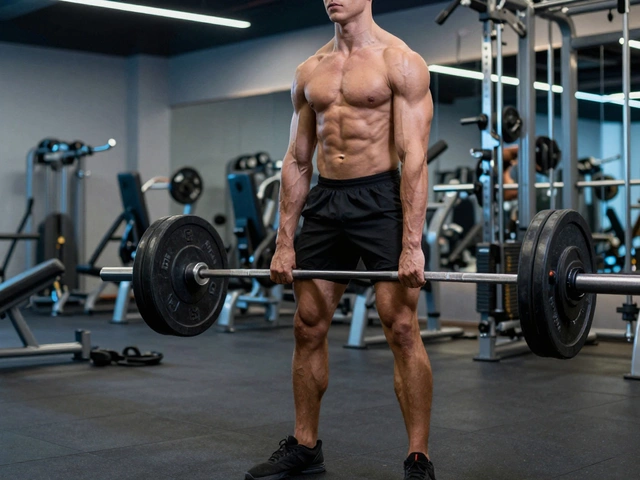
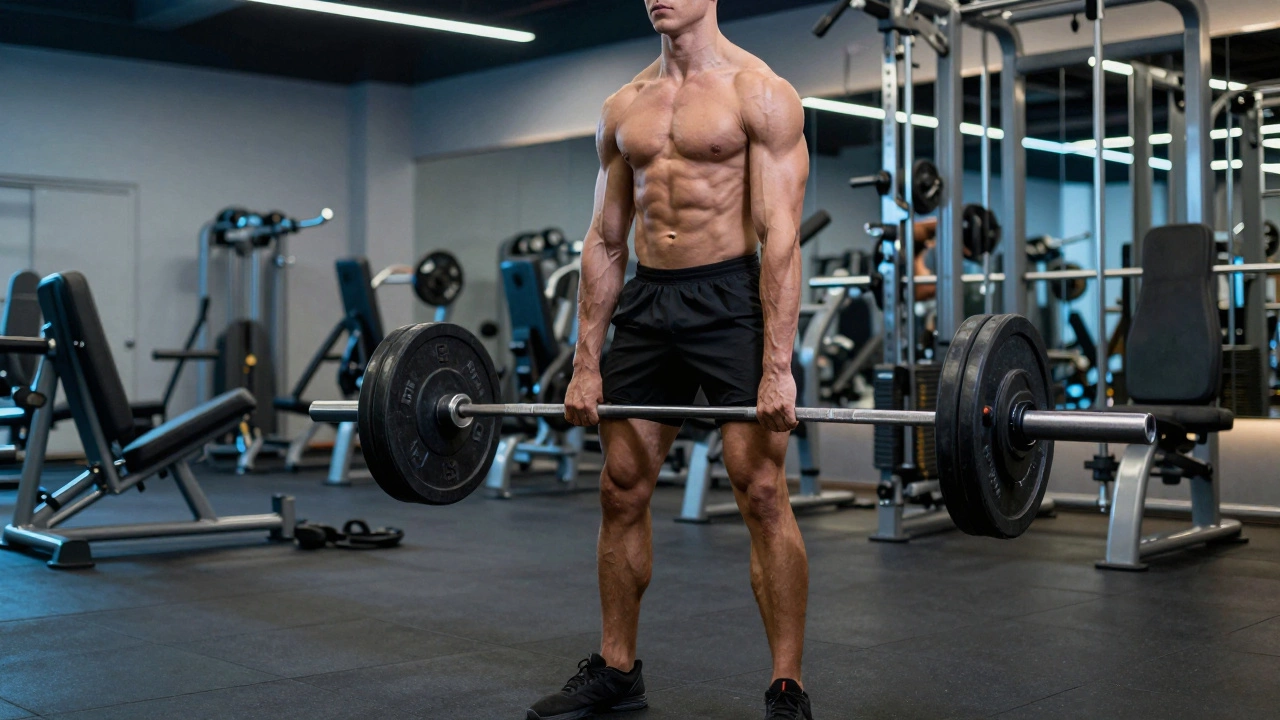
If you had to pick one exercise that uses the most muscles, the deadlift is arguably the strongest candidate. It is often called the king of strength training for good reason. When you lift a weight from the ground to hip level, you are engaging your entire posterior chain-the muscles on the back of your body.
This includes your erector spinae (lower back), latissimus dorsi (lats), traps, rhomboids, glutes, hamstrings, and calves. But it doesn't stop there. To keep the bar close to your body and prevent it from pulling you forward, your core must brace intensely. Your forearms and grip strength are also tested to the limit. Studies using electromyography (EMG) have shown that the deadlift produces high levels of activation across almost every large muscle group in the lower and upper body.
2. The Squat
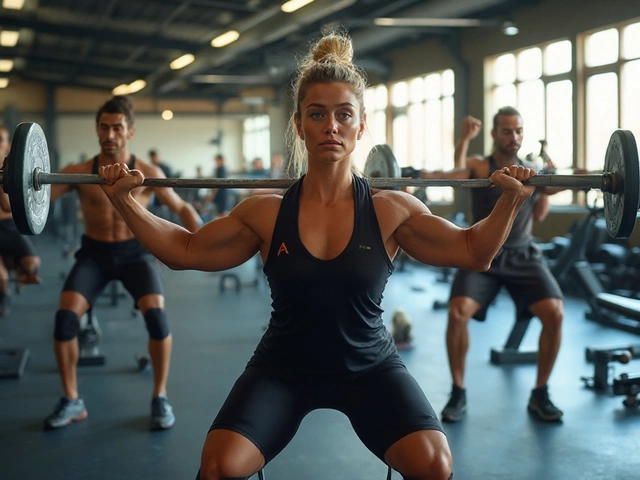
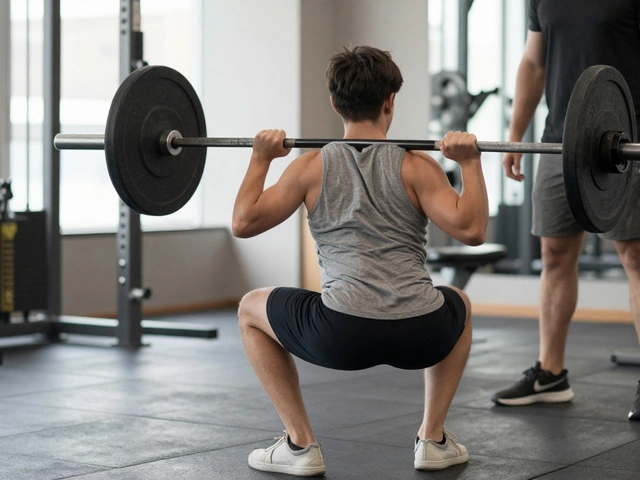
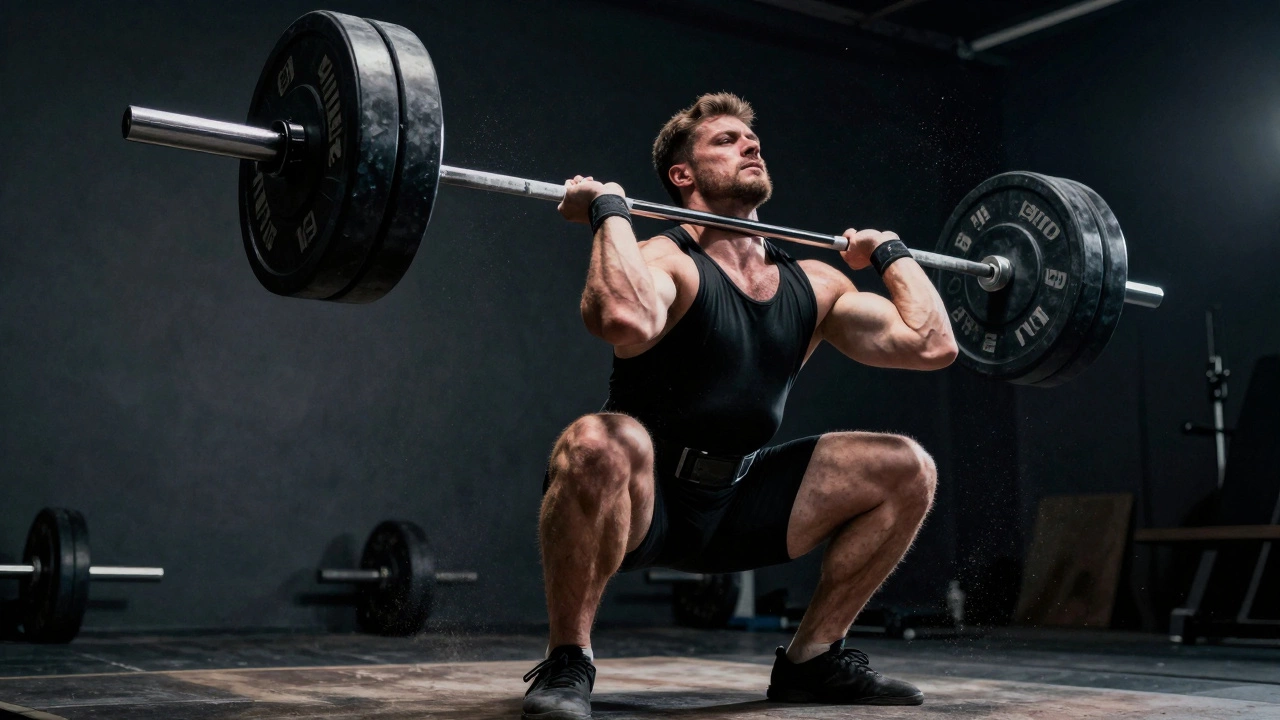
The squat is the queen of lower body exercises, but it is far from just a leg day staple. Whether you are doing a back squat, front squat, or overhead squat, you are recruiting massive amounts of muscle. The primary movers are your quadriceps, glutes, and hamstrings. However, the stability required to hold a heavy load on your shoulders or head forces your core, upper back, and even your deltoids to work overtime.
An overhead squat, for instance, requires significant shoulder mobility and stability, turning a leg exercise into a full-body test of balance and strength. The metabolic cost of squats is also incredibly high because the legs contain some of the largest muscle fibers in the human body. Moving them against resistance demands significant oxygen and energy.
3. The Clean and Jerk / Snatch
If we are talking about raw power and speed, Olympic weightlifting moves like the clean and jerk or the snatch are unmatched. These lifts require explosive movement from the floor to overhead in seconds. They engage nearly every muscle in the body, including smaller stabilizer muscles that compound lifts like the squat might not fully tax.
Because these movements are dynamic and fast, they also spike your heart rate significantly, blending strength training with cardiovascular conditioning. However, they have a steep learning curve. Form breakdown can lead to injury, so they are best suited for those with coaching experience.
4. Burpees
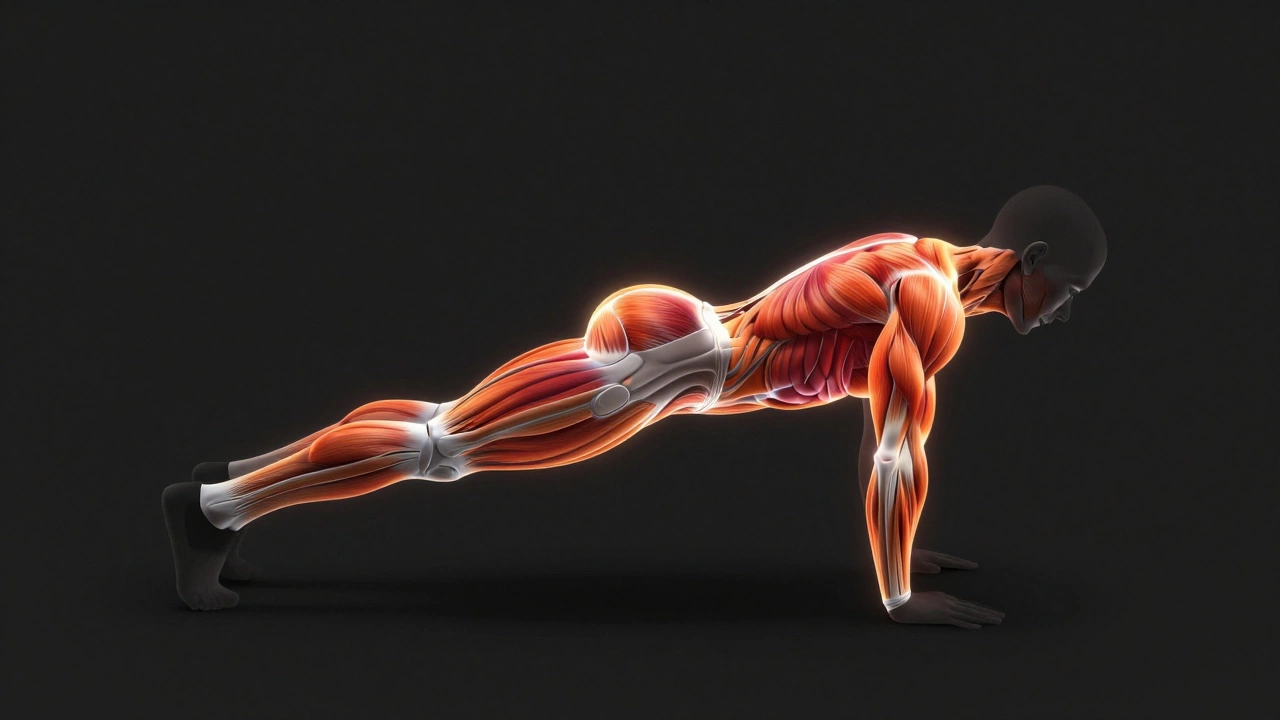
You don't need weights to use a lot of muscles. The burpee is a bodyweight exercise that hates to be loved by many, but it is effective. A single burpee involves a squat, a plank, a push-up, a jump, and a landing. This sequence hits your chest, shoulders, triceps, core, glutes, quads, and hamstrings in one fluid motion.
While the absolute force production is lower than a weighted deadlift, the continuous nature of burpees keeps your heart rate elevated. This makes them excellent for burning calories and building muscular endurance across the whole body simultaneously.
Why Muscle Activation Matters More Than You Think
Knowing what exercise uses most muscles helps you optimize your time. If you only have 30 minutes to train, spending 10 minutes on bicep curls and 20 minutes on leg extensions is inefficient. Instead, focusing on compound movements allows you to stimulate more tissue in less time.
This efficiency leads to better functional strength. Life rarely asks you to isolate a single muscle. Picking up a grocery bag, carrying a child, or climbing stairs all require coordinated effort from multiple muscle groups. Training with compound movements mimics these real-world demands, making you stronger in daily activities.
Furthermore, engaging more muscle mass increases your post-exercise oxygen consumption (EPOC). Simply put, your body continues to burn calories at a higher rate after the workout is over as it repairs the widespread muscle damage caused by heavy compound lifts.
How to Structure a Workout Around High-Muscle Engagement
Incorporating these exercises into your routine doesn't mean you should do nothing else. A balanced program still needs variety. Here is how to structure your sessions for maximum benefit.
- Prioritize Compounds First: Always perform your most demanding compound exercises when you are fresh. Start with deadlifts, squats, or cleans before moving to lighter accessory work.
- Vary the Stimulus: Don't just do barbell squats every week. Try goblet squats, lunges, or step-ups. These variations hit similar muscles but from different angles, preventing plateaus.
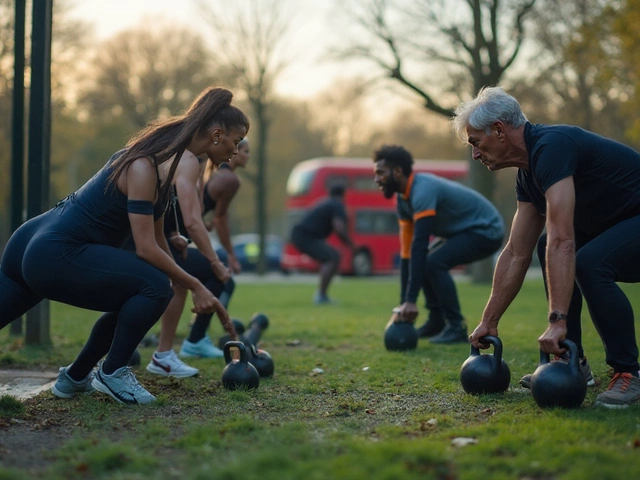
- Add Cardio Intervals: Combine high-muscle engagement exercises with short bursts of cardio. For example, do 10 heavy kettlebell swings followed by 30 seconds of sprinting. This maximizes both strength and cardiovascular health.
- Don't Neglect Recovery: Because these exercises stress the central nervous system and multiple muscle groups, recovery is crucial. Ensure you are sleeping enough and eating sufficient protein to repair the extensive micro-tears in your muscles.
Safety Considerations for Full-Body Lifts
With great muscle recruitment comes greater risk if form is compromised. Since compound movements involve complex coordination, fatigue can set in quickly, leading to sloppy technique.
Always start with lighter weights to master the movement pattern. For deadlifts, ensure your back remains neutral. For squats, keep your knees tracking over your toes and your chest up. If you are new to Olympic lifts, consider hiring a coach. The complexity of the snatch or clean is high, and self-teaching via videos can sometimes lead to ingrained bad habits.
Listen to your body. If your lower back feels sharp pain during a deadlift, stop. Discomfort in the muscles is normal; pain in the joints or spine is not. Scaling down the weight or switching to a variation like a Romanian deadlift or box squat can help maintain progress while protecting your joints.
Frequently Asked Questions
Does swimming use more muscles than weightlifting?
Swimming is a fantastic full-body exercise that engages nearly every muscle group due to the resistance of water. However, weightlifting, particularly compound lifts like the deadlift, typically generates higher mechanical tension and muscle activation percentages in specific large muscle groups. Swimming is superior for cardiovascular endurance and low-impact joint health, while weightlifting is better for maximal strength and hypertrophy.
Can I build muscle with just compound exercises?
Yes, you can build significant muscle mass using only compound exercises. Movements like squats, deadlifts, bench presses, and rows provide enough stimulus for growth. However, isolation exercises can be helpful later in your training journey to address lagging muscle groups or correct imbalances.
Which exercise burns the most calories?
Exercises that use the most muscles and elevate your heart rate burn the most calories. Burpees, rowing, and heavy compound lifts like squats and deadlifts are at the top of the list. Rowing is particularly efficient because it combines the upper and lower body in a rhythmic, sustained motion that keeps heart rate high for extended periods.
Is the deadlift safe for beginners?
The deadlift is safe for beginners if proper form is prioritized over weight. Start with light dumbbells or a PVC pipe to learn the hip hinge movement. Focus on keeping your back straight and driving through your heels. Many trainers recommend starting with Romanian deadlifts or trap bar deadlifts, which are mechanically easier on the lower back for novices.
How often should I do full-body workouts?
For most people, performing full-body compound workouts 2 to 3 times per week is optimal. This frequency allows for sufficient stimulus to promote growth and strength while providing adequate recovery time between sessions. Since these workouts are taxing on the central nervous system, rest days are essential.
Do bodyweight exercises use as many muscles as weighted ones?
Bodyweight exercises like pull-ups, dips, and burpees can activate a vast number of muscles, especially stabilizers. However, weighted exercises allow for progressive overload, meaning you can continuously increase the demand on your muscles. For maximum muscle activation and strength gains, combining bodyweight control with external resistance is usually the most effective approach.