Boxing Rule of 3: Combo Builder & Analyzer
Build a classic three-punch sequence to see how each punch contributes to breaking your opponent's rhythm. Select one type for each slot.
Strategic Assessment
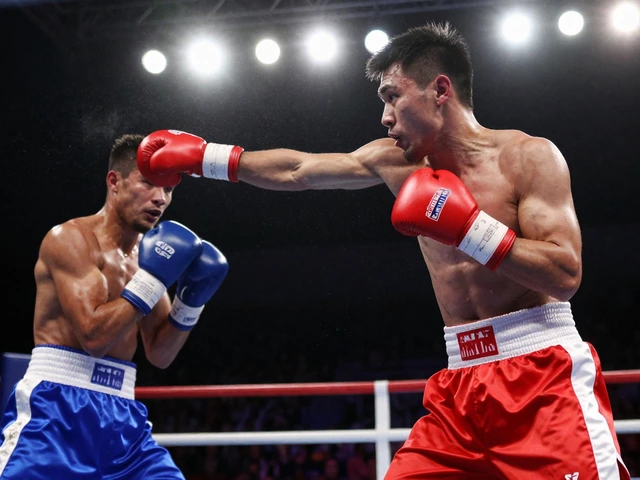
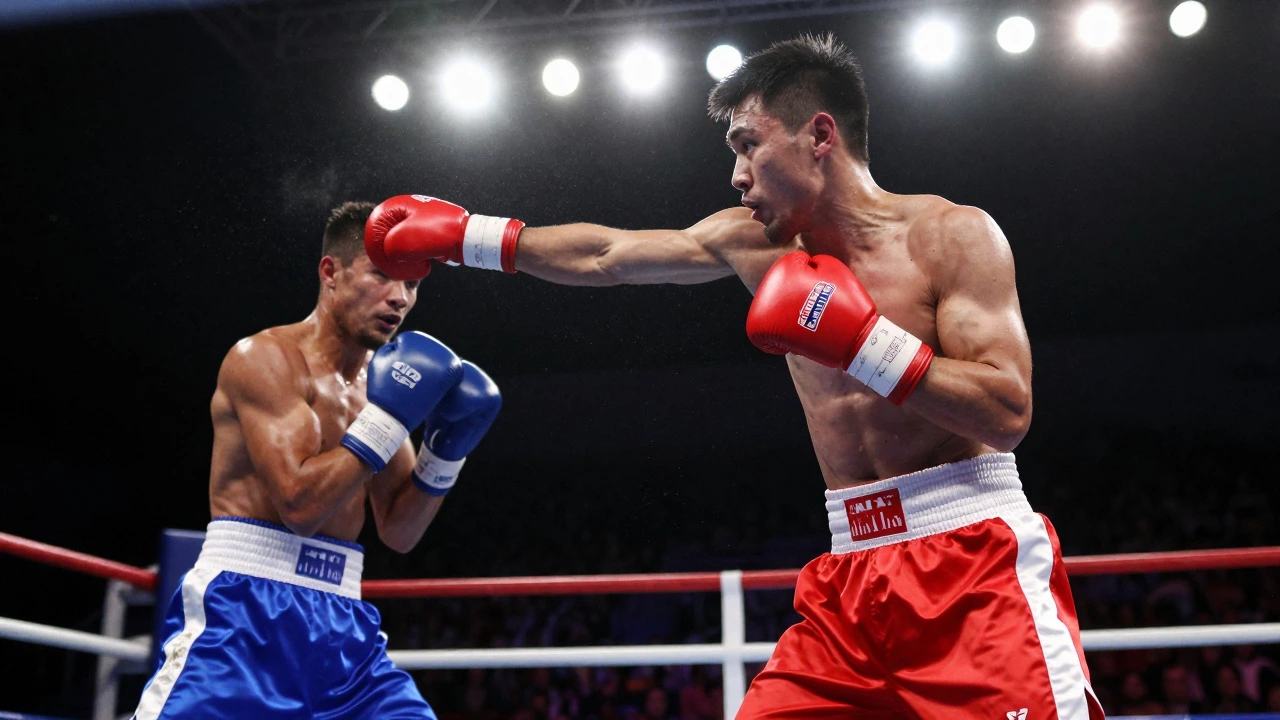
Ever watched a pro boxer land three clean punches and then suddenly change pace? That’s not luck. It’s the rule of 3. In boxing, this concept refers to the strategic use of combinations that come in threes or multiples of three. Why three? Because it breaks your opponent’s rhythm. Two punches are easy to block. Four can be predictable. Three is the sweet spot-it’s enough to pressure, but short enough to reset before you get countered.
Understanding this rule changes how you watch fights. You stop seeing random swings and start seeing patterns. Whether you’re a casual viewer or someone training in the gym, knowing why boxers count to three helps you appreciate the chess match happening inside the ropes.
The Core Concept: Why Three Punches?
In combat sports, rhythm is everything. If you throw two jabs, your opponent knows the next one might be a cross. They brace for it. But when you throw a jab, a hook, and a straight right (a classic 1-2-3), you create a sequence that’s harder to anticipate. The first punch sets up the second. The second opens the head for the third. By the time the defender reacts to the first, the third is already on its way.
This isn’t just about power. It’s about timing. A three-punch combination allows a boxer to attack from different angles. For example, a low body shot followed by two uppercuts forces the opponent to guard high, leaving them vulnerable to the final blow. The human brain processes visual threats sequentially. Three distinct actions overwhelm that processing speed more effectively than two or four.
How the Rule of 3 Works in Practice
You see this everywhere in professional bouts. Let’s break down a common scenario. A southpaw boxer starts with a long left jab (1). As the opponent retreats, they pivot in with a right hook to the body (2). Before the opponent can reset their stance, the southpaw finishes with a straight left hand to the chin (3).
- Punch 1 (The Setup): Usually a jab or a feint. Its job is to measure distance and force a reaction.
- Punch 2 (The Disruption): Often a hook or a body shot. This changes the angle and disrupts the opponent’s balance.
- Punch 3 (The Finisher): Typically a straight power punch. It lands while the opponent is still recovering from the second hit.
If you extend this to six punches (two sets of three), you maintain the rhythmic advantage without overcommitting. Six punches give you time to re-enter the pocket after the initial flurry. More than six, and you risk getting caught in a counterattack because your hands are too busy.
Rhythm vs. Rhythm Breakers
The rule of 3 is fundamentally about controlling tempo. Boxers who master this don’t just throw hard; they throw with intent. Consider the difference between a brawler and a technician. A brawler might throw ten punches in rapid succession. It looks impressive, but it’s often ineffective because the opponent can slip outside the range. A technician using the rule of 3 throws three sharp shots, pauses, and lets the opponent chase them. When the opponent lunges forward, the technician resets and throws another set of three.
This pause is critical. It’s called “resetting.” By returning to a neutral stance after the combination, the boxer hides their next move. The opponent doesn’t know if the next action will be another combo, a clinch, or a defensive slide. This uncertainty is what makes the rule of 3 so psychologically effective.
Famous Examples and Historical Context
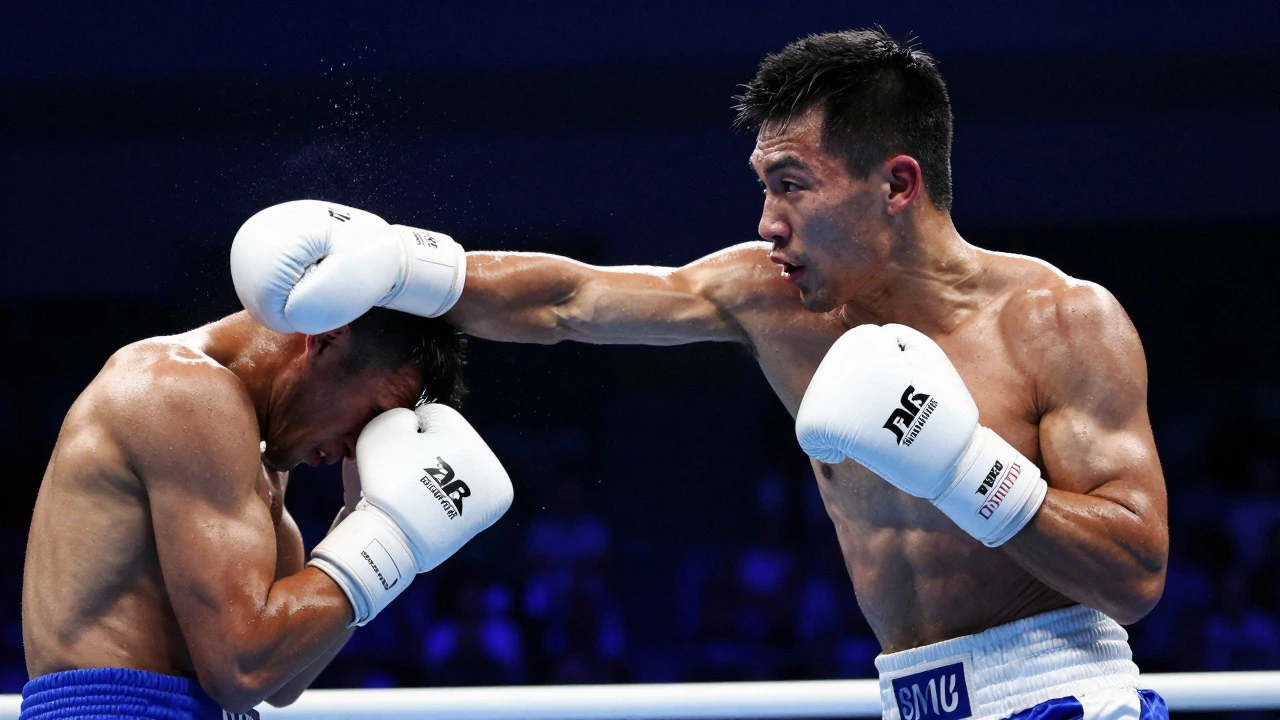
While the term “rule of 3” isn’t always explicitly taught in old-time boxing manuals, the principle has been around as long as the sport. Muhammad Ali was a master of this. He would throw a jab, a cross, and a hook, then immediately backpedal. His opponents often tried to catch him on the return trip, only to find he had already moved.
More recently, fighters like Canelo Alvarez and Gennady Golovkin rely heavily on three-punch sequences. Canelo’s style involves slipping inside and landing a short right hook, a left uppercut, and a finishing right. It’s compact, efficient, and devastating at close range. These fighters understand that volume doesn’t win rounds; precision does.
| Combination Type | Typical Use Case | Risk Level | Effectiveness |
|---|---|---|---|
| Single Punch | Measuring distance, probing | Low | Low impact, high safety |
| Two-Punch Combo | Quick counters, slips | Moderate | Easily blocked or slipped |
| Three-Punch Combo | Standard offensive pattern | Moderate-High | High effectiveness, breaks rhythm |
| Six-Punch Flurry | Clinching, cornering opponents | High | High damage, high exposure |
Common Mistakes When Applying the Rule
Even experienced fighters mess this up. The biggest error is rushing the third punch. If you throw the first two too fast, you lose balance. The third punch becomes weak because it lacks hip rotation. Another mistake is repeating the same three-punch combo over and over. Once an opponent sees it twice, they’ll start anticipating it. You need to vary the entry angle or the type of punch within the trio.
For amateur boxers, the challenge is discipline. It’s tempting to keep swinging after the third punch feels good. But stopping at three preserves energy and keeps your guard up. Remember, the goal isn’t to throw the most punches; it’s to land the ones that hurt.
How to Train the Rule of 3
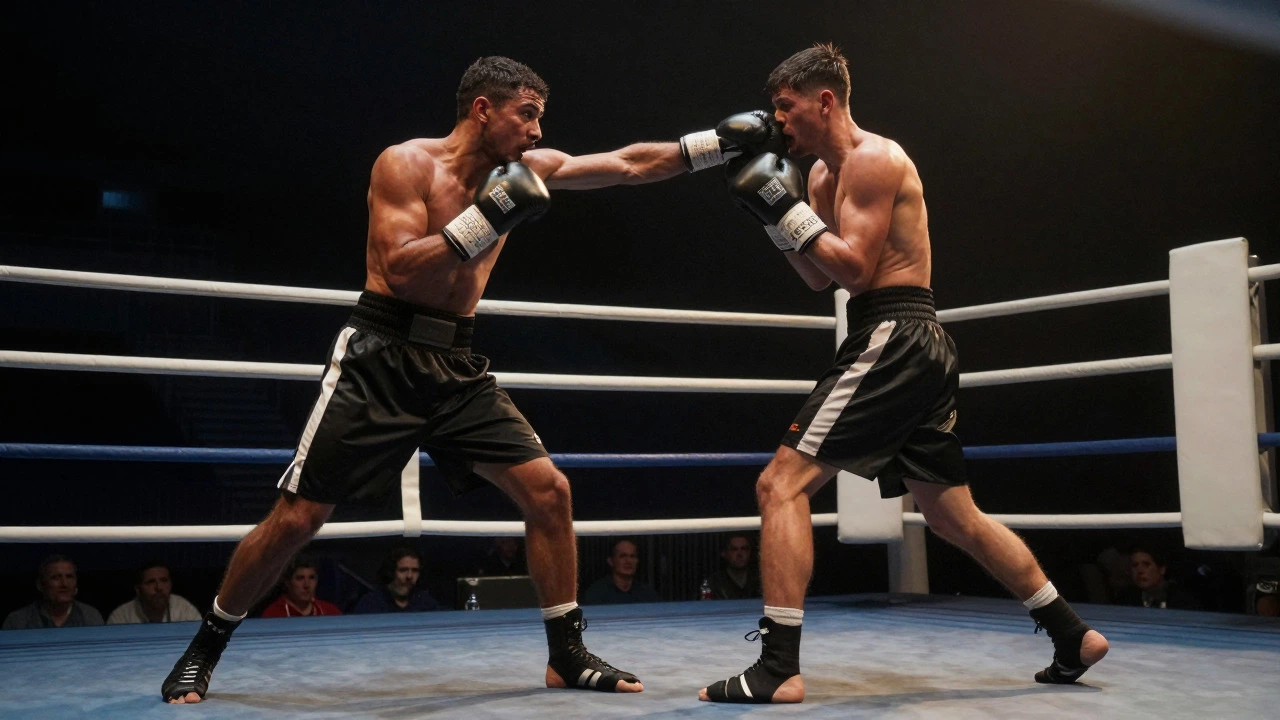
If you want to incorporate this into your own training, start slow. Work with a partner on focus mitts. Call out the numbers: “One, two, three.” Focus on the transition between each punch. Ensure your weight shifts correctly. Once you’re comfortable, add movement. Step in for the first punch, pivot for the second, and step back for the third.
- Shadowboxing: Visualize the opponent moving. Throw three punches, then slide away.
- Heavy Bag Work: Emphasize the pause after the third punch. Reset your stance completely.
- Sparring Drills: Limit yourself to three punches per exchange. Count them out loud if needed.
Over time, the counting becomes subconscious. You’ll find yourself naturally grouping your attacks into threes without thinking. That’s when the strategy truly works.
Frequently Asked Questions
Is the rule of 3 a strict rule in boxing?
No, it’s a strategic guideline, not a mandatory rule. Fighters can throw two, four, or five punches if the situation demands it. However, three is the most efficient number for breaking rhythm and maintaining balance. It’s a heuristic, not a law.
Why not throw four punches instead of three?
Four punches often require a longer wind-up or a complex footwork adjustment that leaves you open. The fourth punch usually comes from a position where you’ve already committed to the previous three. If the first three miss, the fourth is likely to miss too. Three punches allow for a quicker reset and better defensive positioning.
Does the rule of 3 apply to all fighting styles?
It applies most strongly to orthodox and southpaw stand-up fighting. In clinch-heavy styles or grappling situations, the concept shifts to controlling space rather than throwing combinations. However, even in MMA, striking exchanges often follow similar rhythmic patterns where groups of three strikes are used to create openings.
How do I know if my three-punch combo is working?
If your opponent starts flinching or adjusting their guard specifically after the second punch, you’re doing it right. If they seem unaffected, check your spacing. You might be too far away for the third punch to land cleanly, or your transitions are too slow, giving them time to block.
Can beginners use the rule of 3?
Absolutely. In fact, it’s easier for beginners than trying to throw wild, uncoordinated volleys. Learning to group punches into threes teaches discipline, timing, and balance. Start with simple combos like jab-cross-hook and master those before adding complexity.