Sports Equipment Synonym Selector
Select the correct term (Gear, Kit, Apparatus, or Implement) for various sports items based on context and usage.
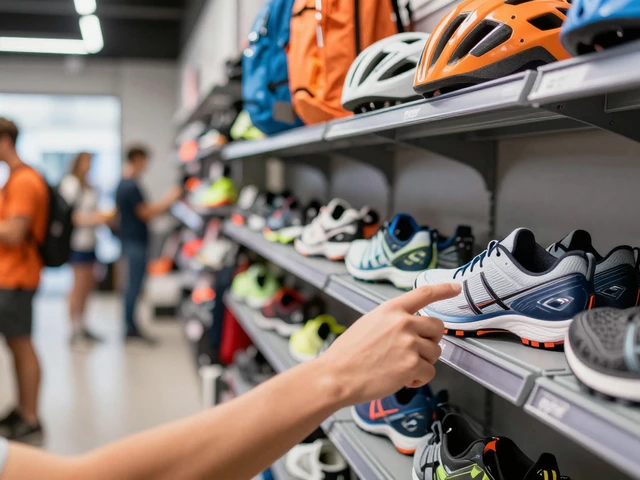
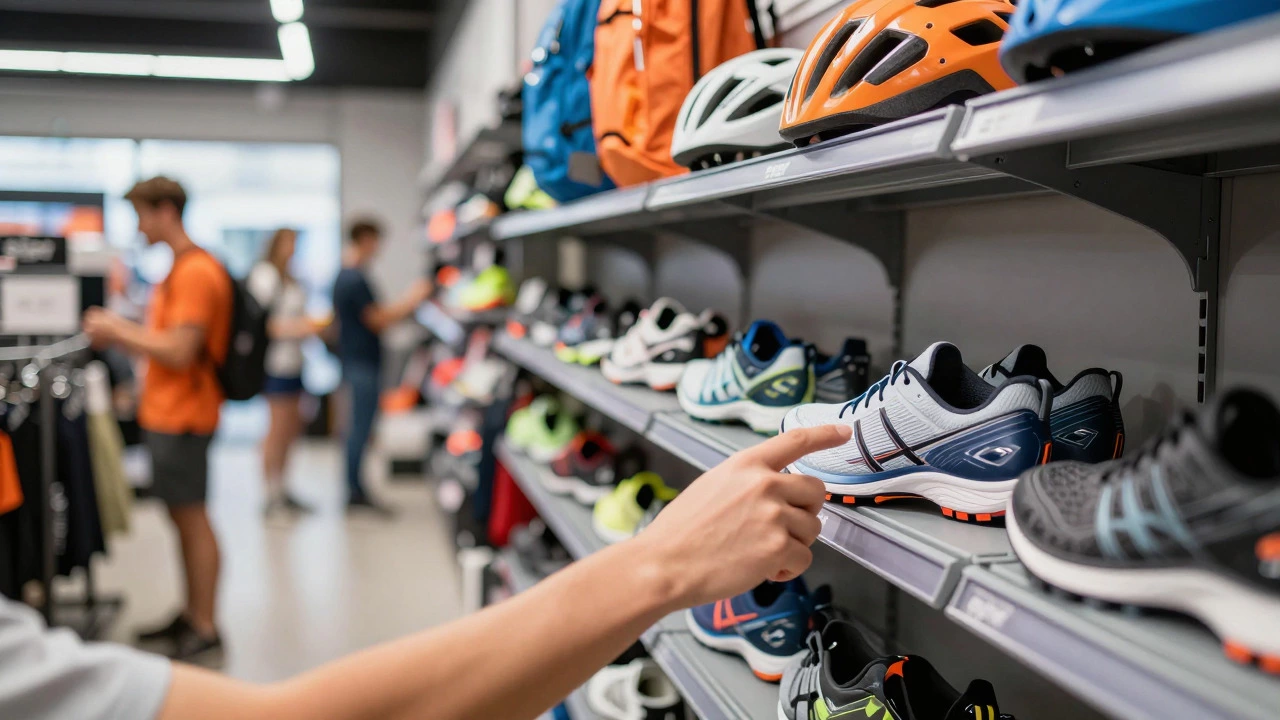
Ever stood in a store aisle staring at a wall of sports equipment is the physical tools and devices used to participate in athletic activities, wondering why one brand calls it "gear" while another says "kit"? It’s more than just fancy marketing speak. The word you choose changes how people perceive the item, its purpose, and even who should buy it.
If you are looking for a direct synonym for equipment, especially in the context of sports, the most common answers are **gear**, **kit**, and **apparatus**. However, using these words interchangeably can lead to confusion. A tennis racket is gear; a soccer team’s uniforms are a kit; a complex weightlifting rig is apparatus. Understanding these nuances helps you communicate better with coaches, teammates, and retailers.
The Core Concept: What Exactly Is Equipment?
Before swapping words, we need to pin down what equipment is a broad term encompassing all necessary tools, machinery, or supplies required for a specific activity. In sports, this definition is incredibly wide. It covers everything from the ball you kick to the GPS watch on your wrist that tracks your heart rate.
The problem with the word "equipment" is that it sounds industrial. It feels heavy, static, and impersonal. When you say "I need new equipment," it sounds like you are buying construction tools. When you say "I need new gear," it sounds personal and active. This shift in tone is crucial in the sports world, where identity and performance are tightly linked.
Think about the difference between a factory worker and a runner. The worker has safety equipment. The runner has running gear. One implies survival and duty; the other implies passion and lifestyle. Choosing the right synonym depends entirely on the context of the sport and the item itself.
Gear: The Universal Favorite
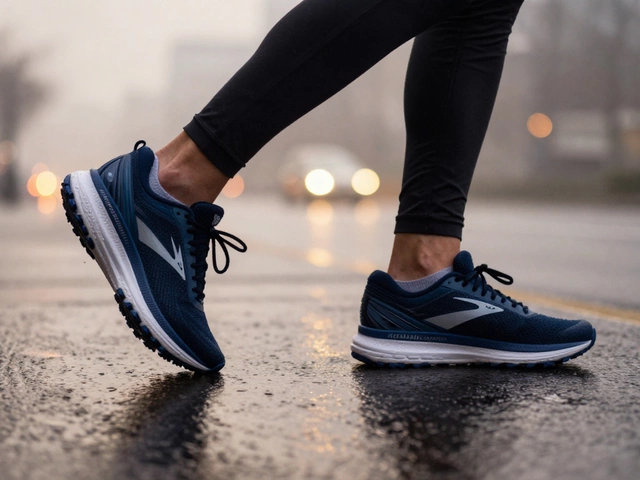
Gear is the most popular informal synonym for sports equipment, implying personal ownership and active use. This is the word you will hear most often in casual conversation, social media posts, and retail stores. It applies to almost every sport, from skiing to surfing to cycling.
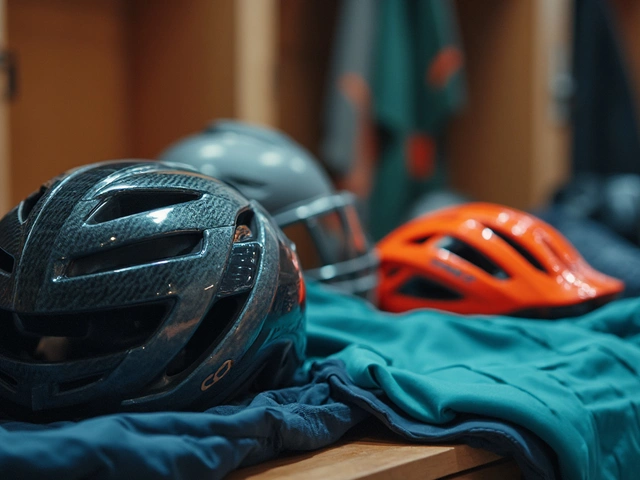
Why do we prefer "gear"? Because it suggests movement. Gears turn; they drive motion. Using this word connects the object to the action. If you are a cyclist, you don’t just have equipment; you have bike gear. This includes your helmet, shoes, shorts, and perhaps your water bottle cage.
In the Australian context, where outdoor sports dominate, "gear" is particularly prevalent. Whether you are heading out for a hike in the Adelaide Hills or a surf session at Glenelg, you check your gear. It implies readiness. You pack your gear before you leave. You maintain your gear after you return. It is a holistic term that covers both protective items (like pads) and performance items (like clubs).
Kit: The Team Identity
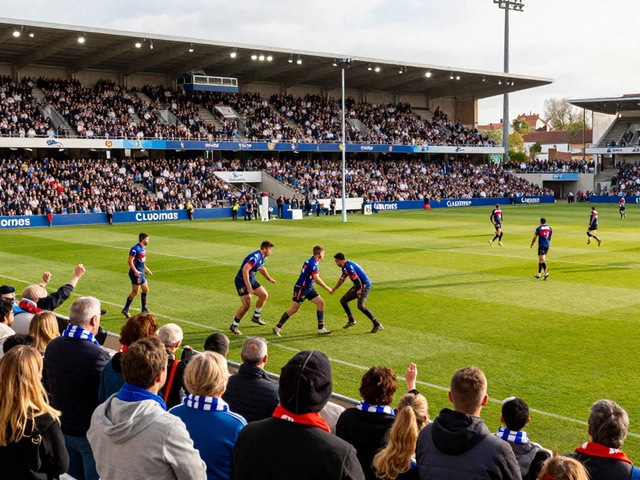
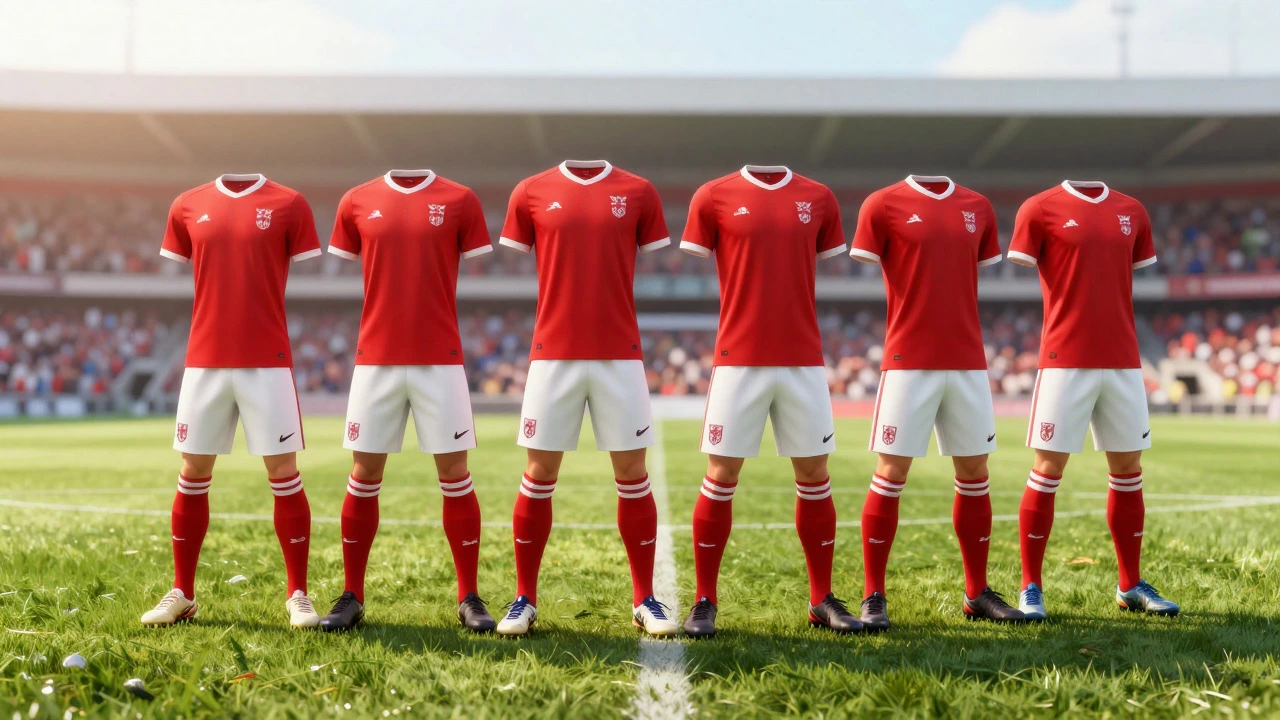
If "gear" is about the individual, Kit is a collective set of clothing and equipment associated with a specific team or uniform. This term is deeply rooted in British English but is widely understood in Australia, especially in team sports like rugby, soccer, and cricket.
When you talk about "kit," you are rarely talking about a single object. You are talking about a coordinated set. A footballer’s kit includes the jersey, shorts, socks, and sometimes the boots. It represents the team’s identity. You might see headlines saying, "The new home kit features a bold red design." No one would say, "The new home equipment features..." It just doesn’t fit.
This distinction matters for fans and players alike. Buying a replica kit is an act of loyalty. Buying training gear is an act of preparation. If you are writing content for a rugby club, referring to their jerseys as part of their "kit" establishes a sense of belonging and tradition. Referring to them as "clothing equipment" strips away that emotional connection.
Apparatus: The Technical Heavyweights
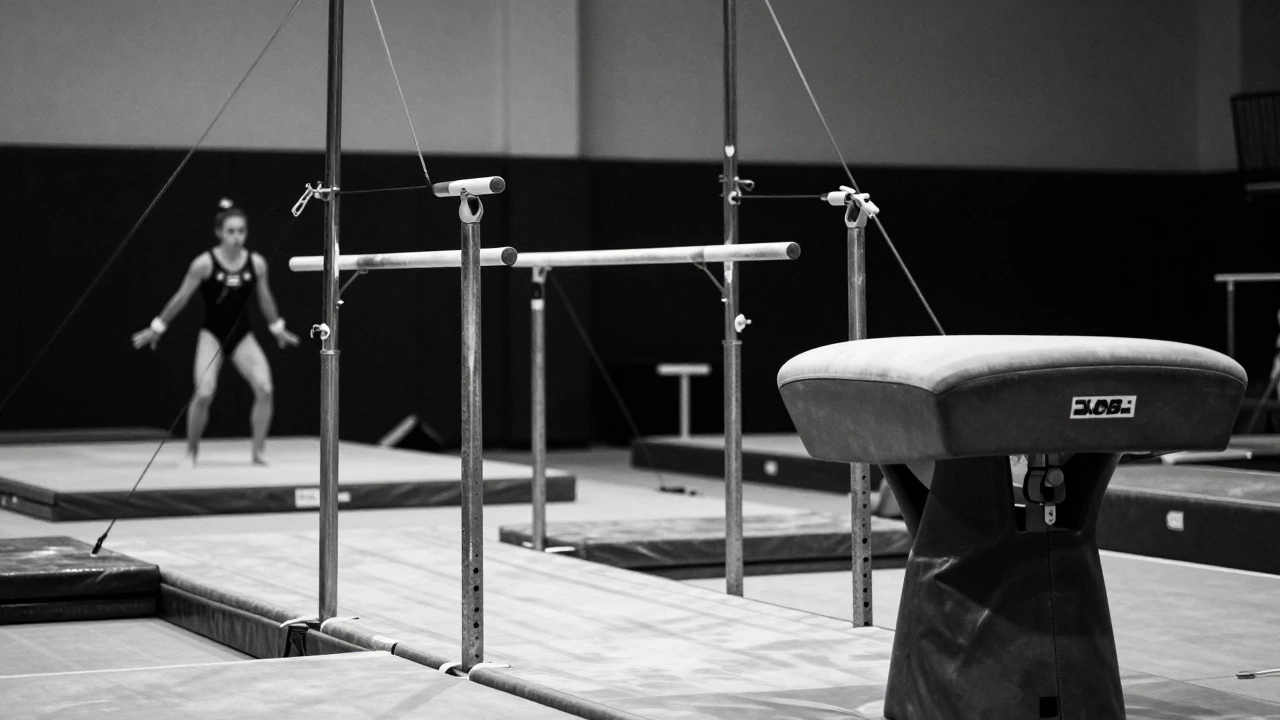
For more complex, stationary, or specialized items, the word apparatus is large, fixed, or highly technical equipment used in gymnastics, weightlifting, or laboratory settings comes into play. This is not a word you use for a tennis ball. You use it for the parallel bars, the vaulting table, or a complex cable machine in a gym.
"Apparatus" carries a weight of seriousness and precision. It implies that the item requires skill to operate and potentially poses a risk if used incorrectly. In gymnastics, the entire set of fixed structures is referred to as the apparatus. In weightlifting, the squat rack and barbell setup might be called lifting apparatus.
Using this term signals expertise. If you are reviewing a high-end home gym system, calling it "fitness apparatus" elevates the discussion beyond simple consumer goods. It positions the product as a serious investment in athletic development. It also helps distinguish between portable items (gear) and installed systems (apparatus).
Other Contextual Synonyms
Beyond the big three, there are several other synonyms that serve specific niches within the sports world. Knowing when to use them adds clarity and professionalism to your communication.
- Implement: Often used for handheld tools like golf clubs, hockey sticks, or baseball bats. It emphasizes the function of striking or manipulating the ball.
- Attire: Specifically refers to clothing. While related to equipment, attire focuses on the wearable aspect, such as compression shirts or moisture-wicking fabrics.
- Accessories: Small supplementary items that enhance performance or comfort, such as sweatbands, grip tape, or shoe laces. These are not essential for the basic act of playing but improve the experience.
- Furnishings: Rarely used in sports, but applicable to large venue equipment like stadium seating or locker room fixtures.
Comparison of Sports Terminology
| Term | Primary Use Case | Tone & Connotation | Example Items |
|---|---|---|---|
| Gear | Individual athletes, outdoor sports | Casual, active, personal | Helmets, shoes, backpacks, skis |
| Kit | Team sports, uniforms | Collective, traditional, identity-focused | Jerseys, shorts, socks, team logos |
| Apparatus | Gymnastics, weightlifting, gyms | Technical, formal, serious | Vaulting tables, squat racks, rings |
| Implement | Striking sports | Functional, precise | Golf clubs, hockey sticks, rackets |
| Equipment | General, industrial, formal contexts | Neutral, broad, impersonal | Any tool, device, or supply |
Why Word Choice Matters in Marketing and Coaching
Your choice of synonym influences how your audience perceives value. If you are a coach instructing players, telling them to "check their gear" feels immediate and practical. Telling them to "inspect their equipment" sounds like a safety briefing for heavy machinery.
In marketing, the right word drives engagement. A post titled "Upgrade Your Running Gear" performs better than "Upgrade Your Running Equipment" because "gear" resonates with the runner’s self-image. It suggests style, performance, and community. "Equipment" suggests utility and cost.
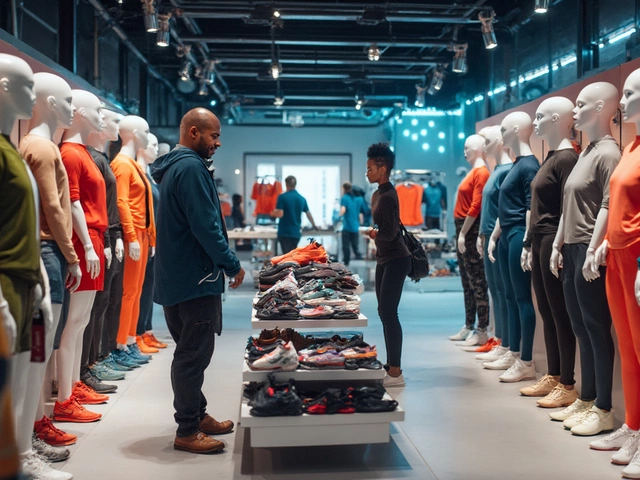
Consider the perspective of a parent buying items for their child. They might search for "soccer equipment" when looking for general needs but switch to "soccer kit" when specifically shopping for the team uniform. Retailers optimize their categories based on these linguistic cues. Understanding this helps you navigate online stores more efficiently and find exactly what you need without sifting through irrelevant results.
Regional Differences: Australia vs. The World
Living in Adelaide, I notice distinct regional preferences. While "gear" is universally understood, "kit" holds strong ground in team sports due to British influence. In contrast, American English tends to favor "uniform" over "kit" and "equipment" remains dominant in broader contexts.
Australian slang also plays a role. We might refer to worn-out items as "old junk" or praise high-quality items as "top-notch gear." These colloquialisms add flavor but can confuse international audiences. When writing for a global audience, sticking to clear terms like "gear" and "kit" ensures comprehension across borders.
Practical Tips for Choosing the Right Word
To select the best synonym, ask yourself three questions:
- Is it wearable? If yes, consider "kit" (for teams) or "attire" (for individuals). If it’s protective, "gear" works well.
- Is it a tool? If it’s handheld and used to hit or throw something, "implement" is precise. If it’s larger or mechanical, "apparatus" fits.
- Who is the audience? For casual conversations and social media, use "gear." For formal reports, safety guidelines, or technical manuals, stick with "equipment" or "apparatus."
By aligning your language with the nature of the item and the expectations of your audience, you create clearer, more engaging communication. Whether you are writing a blog post, coaching a team, or shopping for your next adventure, knowing the difference between gear, kit, and apparatus makes all the difference.
What is the most common synonym for sports equipment?
The most common synonym is "gear." It is widely used in casual conversation, marketing, and retail to describe personal sports items like helmets, shoes, and bags. It implies active use and personal ownership.
When should I use the word "kit" instead of "equipment"?
Use "kit" when referring to a complete set of team uniforms and associated clothing, such as jerseys, shorts, and socks. It is particularly common in team sports like soccer, rugby, and cricket, emphasizing team identity rather than individual tools.
What does "apparatus" mean in a sports context?
"Apparatus" refers to large, fixed, or highly technical equipment used in sports like gymnastics, weightlifting, or climbing. Examples include vaulting tables, parallel bars, and complex gym machines. It conveys a sense of precision and seriousness.
Is "implement" a good synonym for sports equipment?
Yes, but only for specific handheld tools used to strike or manipulate objects, such as golf clubs, hockey sticks, or baseball bats. It is too narrow for general use but very accurate for these specific items.
Why is "gear" preferred over "equipment" in marketing?
"Gear" sounds more dynamic, personal, and stylish. It connects the product to the athlete’s identity and lifestyle, whereas "equipment" can sound industrial, cold, and purely functional. Marketers use "gear" to evoke emotion and aspiration.
Are there regional differences in using these synonyms?
Yes. "Kit" is more common in British English and countries influenced by it, like Australia and the UK, especially for team uniforms. American English often uses "uniform" instead of "kit" and retains "equipment" for broader contexts. "Gear" is universally understood across regions.
Can I use "accessories" as a synonym for equipment?
Only for small, supplementary items that are not essential for the core activity. Examples include sweatbands, grip tape, or extra shoelaces. Main tools like rackets or balls are not accessories; they are primary gear or implements.
What is the best word to use for gym weights and machines?
For free weights like dumbbells, "gear" is appropriate. For large, fixed machines like cable crossovers or leg presses, "apparatus" or "machinery" is more accurate. "Equipment" is also acceptable as a neutral, all-encompassing term.