Gym Footwear Compatibility Checker
Select your planned activity to see if your running shoes are the right choice.
You’re standing in the changing room, lacing up your trusty running shoes, ready to hit the weights or join a HIIT class. But then that nagging doubt creeps in: is this actually safe? Or are you sabotaging your gains and risking an injury by wearing the wrong gear?
The short answer is: it depends on what you’re doing. While running shoes are engineered for forward motion, most gym activities involve lateral movements, heavy loads, and stability requirements that these shoes simply weren’t designed to handle. Using them incorrectly can lead to rolled ankles, poor form, and even long-term joint issues. Let’s break down exactly when you can get away with them and when you absolutely shouldn’t.
Understanding the Anatomy of Running Shoes
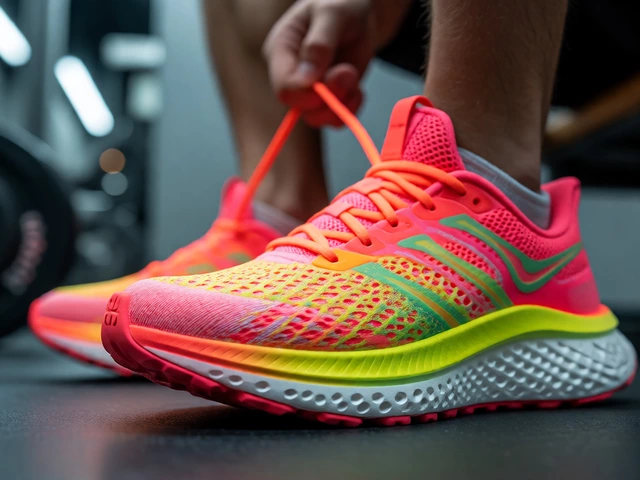
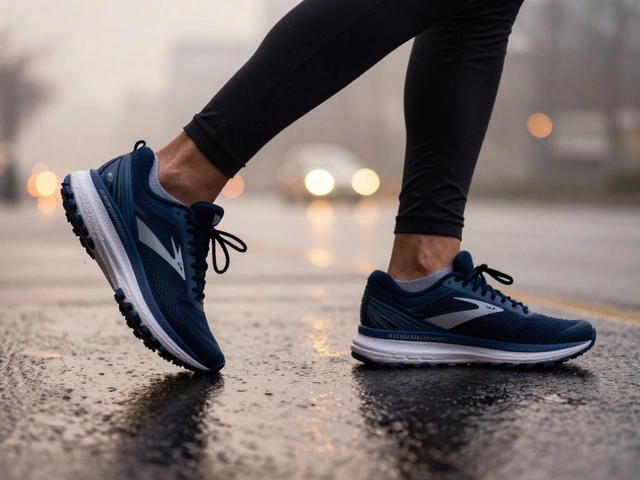
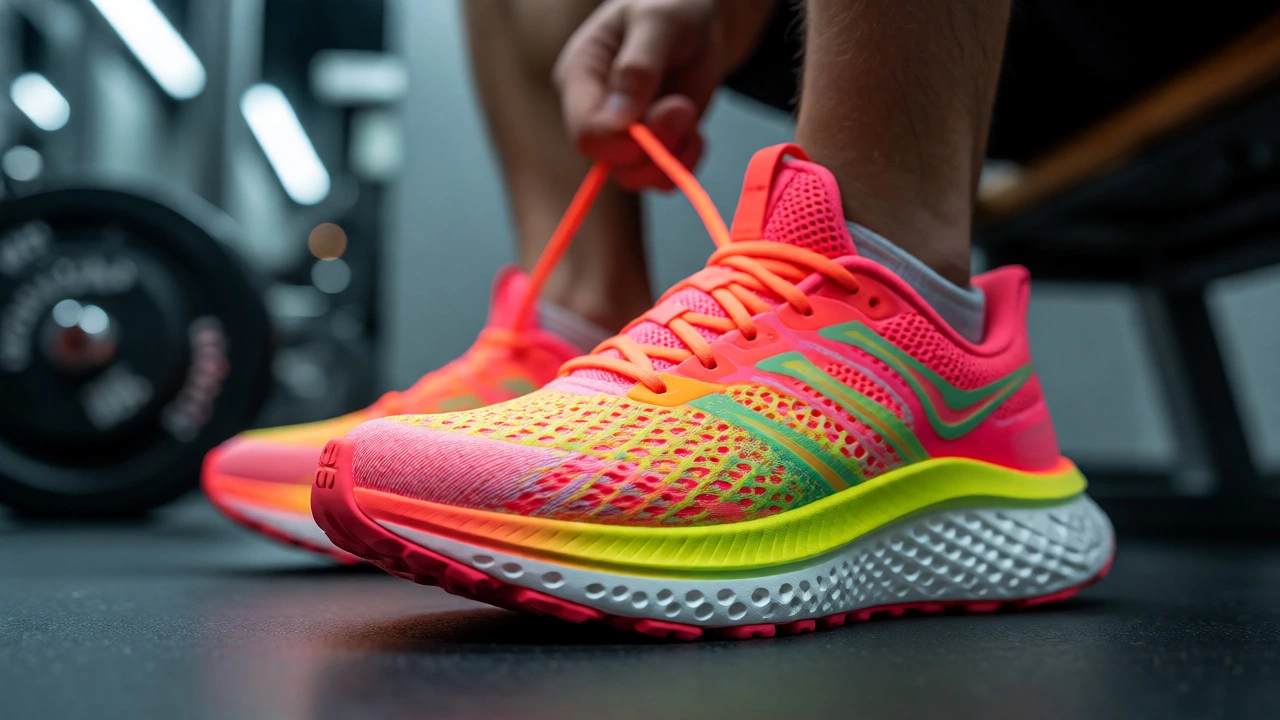
To understand why running shoes might be problematic in the gym, you first need to know how they work. Unlike general-purpose sneakers, running shoes are specialized footwear designed specifically for repetitive, linear impact absorption. They feature thick, cushioned midsoles made from materials like EVA foam or polyurethane, which compress under the weight of your body as you strike the ground.
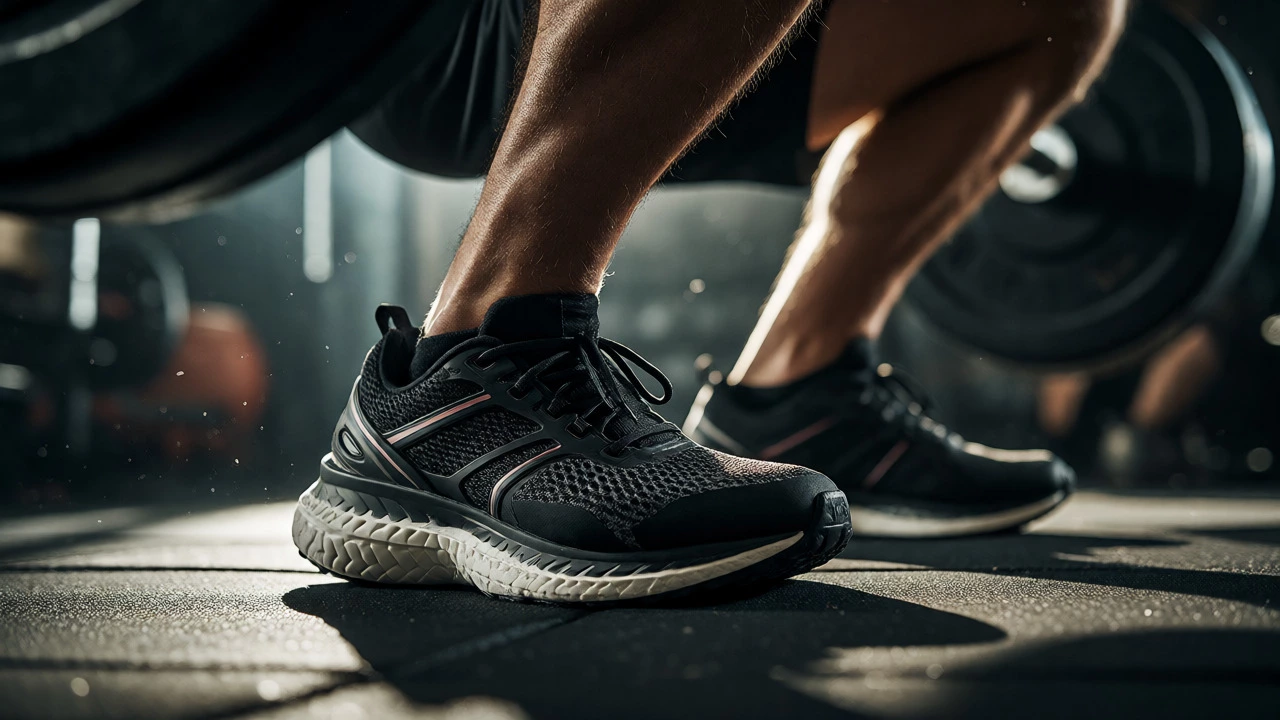
This cushioning is fantastic for protecting your knees and hips during a 5k run. However, that same softness becomes a liability when you’re trying to lift a barbell. The unstable base created by high-stack foam reduces proprioception-your body’s ability to sense where your feet are in space. When you squat or deadlift, you want a firm connection with the floor, not a marshmallow-like bounce that throws off your balance.
The Stability Problem: Why Cushioning Hurts Lifting
Imagine trying to stand on one leg while balancing on a pillow. Now imagine doing that while holding a 100kg barbell overhead. That’s essentially what happens when you wear maximalist running shoes for strength training. The primary issue here is lateral stability.
Running is a sagittal plane activity-you move forward. Your foot rolls from heel to toe in a straight line. Gym exercises often happen in the frontal plane (side-to-side) or transverse plane (rotation). Movements like lunges, box jumps, or kettlebell swings require your foot to resist rolling outward or inward. Running shoes typically have a narrow heel counter and a rounded sole shape optimized for rocking forward, not for gripping sideways.
If you attempt a lateral lunge in running shoes, the soft foam collapses unevenly. This forces your ankle muscles to work overtime just to keep you upright, distracting you from the actual muscle groups you’re trying to train. Worse, if the shoe tips over, you risk a severe ankle sprain.
When Running Shoes Are Actually Fine
It’s not all doom and gloom. There are specific scenarios where wearing running shoes to the gym is perfectly acceptable, provided you adjust your expectations and technique.
- Treadmill Sessions: If your workout consists entirely of running, walking, or incline jogging, stick with your runners. They are built for this exact purpose.
- Light Cardio Machines: Using the elliptical, stationary bike, or rowing machine generally poses no significant risk. These machines guide your movement path, reducing the need for independent foot stabilization.
- Low-Impact Circuit Training: If you’re doing light dumbbell work (under 10-15kg) or bodyweight exercises like push-ups and planks, the lack of extreme stability isn’t a major concern. Just avoid explosive jumps.
In these cases, the comfort and breathability of running shoes outweigh the minor stability drawbacks. You’re prioritizing ease of movement and sweat management, which running shoes excel at.
The Danger Zone: Exercises to Avoid
Certain exercises demand a rigid, flat platform. Wearing running shoes for these movements compromises your biomechanics and increases injury risk. Here is a breakdown of common gym activities and their compatibility with running footwear.
| Activity Type | Example Exercises | Running Shoe Suitability | Primary Risk |
|---|---|---|---|
| Heavy Compound Lifts | Squats, Deadlifts, Overhead Press | Poor | Instability, reduced force transfer |
| Lateral Movements | Lunges, Skaters, Agility Drills | Poor | Ankle roll, lack of side support |
| Olympic Weightlifting | Clean & Jerk, Snatch | Very Poor | Heel collapse, timing errors |
| Plyometrics | Box Jumps, Burpees | Moderate/Poor | Absorption delays, landing instability |
| Linear Cardio | Treadmill, Elliptical | Excellent | None |
Notice the pattern? Anything involving heavy vertical load or horizontal force vector changes requires a different tool. For Olympic lifting, the elevated heel of many running shoes can actually help some athletes maintain an upright torso, but the softness negates this benefit by absorbing energy that should go into driving the bar up.
What Should You Wear Instead?
If you’re serious about mixing cardio and strength, you don’t necessarily need five pairs of shoes. Most people can cover their bases with two types: dedicated runners and versatile trainers.
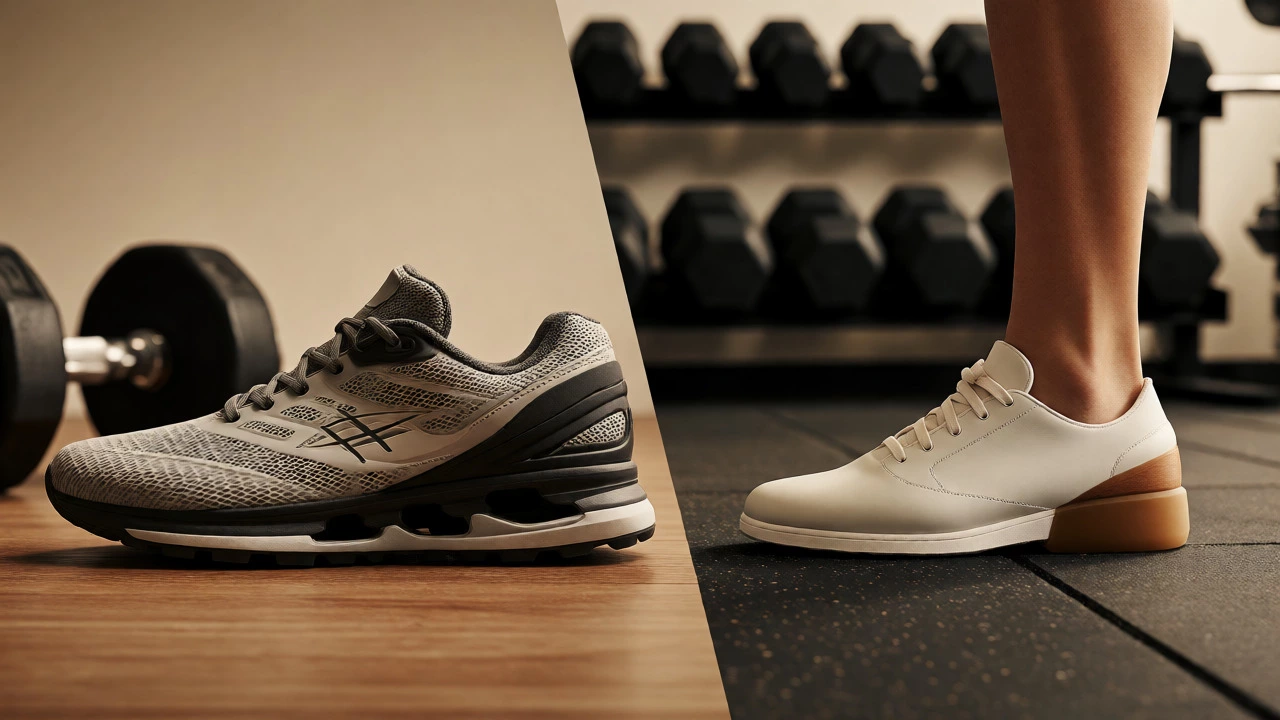
Cross-trainers are the middle ground. They offer moderate cushioning for short runs but feature a wider base, firmer midsole, and reinforced upper for lateral support. Brands like Nike Metcon, Reebok Nano, and Under Armour TriBase are popular because they handle everything from 400m sprints to 80kg squats reasonably well.
For pure strength enthusiasts, weightlifting shoes with hard wooden or TPU heels provide unmatched stability. Alternatively, minimalist shoes or even barefoot-style slippers allow maximum ground feel. The key attribute here is a zero-drop or low-drop heel with minimal compression.
How to Transition Safely
If you’ve been squatting in running shoes for years without pain, you might wonder if switching is necessary. It’s not always urgent, but it is beneficial. Start by identifying your weak points. Do your ankles wobble during single-leg exercises? Do you lose power on deadlifts? These are signs your footwear is limiting you.
Don’t throw out your runners yet. Keep them for your warm-up jogs or cool-down stretches. Buy a pair of cross-trainers for your main session. Test them out with lighter weights first to get used to the firmer feel. Your feet will likely feel more connected to the floor almost immediately.
Can I run in cross-training shoes?
Yes, for short distances (under 3-5km) or treadmill intervals. Cross-trainers have less cushioning than dedicated runners, so longer distances may cause foot fatigue or shin splints due to increased impact stress on joints.
Do running shoes cause knee pain in the gym?
Not directly, but they can contribute to improper alignment. The instability forces surrounding muscles to compensate, potentially altering your kinetic chain. Over time, this misalignment during heavy lifts can place undue stress on the knees and lower back.
Is it bad to wear running shoes for HIIT classes?
Generally, yes. HIIT involves rapid direction changes, jumps, and agility drills. Running shoes lack the lateral containment needed for these moves, increasing the risk of ankle rolls and providing insufficient traction for quick stops.
How long do cross-training shoes last compared to runners?
Cross-trainers often last longer for mixed use because their outsoles are more durable and resistant to abrasion from rope climbs or sled pushes. However, their midsole foam may degrade faster if used for frequent long-distance running.
Should I remove my running shoes to lift weights?
If you don't have proper lifting shoes, going barefoot or wearing socks can be better than using soft running shoes for deadlifts and squats. It provides a stable, flat surface. Just ensure the gym floor is clean and safe for barefoot contact.