Shoe Classification Checker
Not sure if your new kicks are just clothes or serious gear? Select the shoe type and primary use case below to see how it fits into the hierarchy of sport.
Select options and click analyze to see the verdict.
You stand in the aisle of a sporting goods store, holding a pair of bright red running shoes. The tag says "Performance Footwear." But is it actually sport equipment? Or is it just clothing? This isn't just a philosophical puzzle for pedants; it matters when you're buying insurance, packing for a tournament, or trying to understand why your $200 Nikes cost more than your jersey.
Most people lump everything into "gear," but the distinction between apparel and equipment is sharper than you think. It affects how rules are applied, how taxes are calculated, and even how athletes are judged on fairness. Let's break down exactly where that shoe fits in the hierarchy of sport.
The Technical Definition: Apparel vs. Equipment
To answer whether a shoe is sport equipment, we first need to define what sport equipment actually is. In most regulatory bodies and retail classifications, Sport Equipment is defined as any object used by an athlete to perform a specific task, enhance performance, or provide protection during physical activity. This typically includes things like tennis rackets, footballs, helmets, and bats.
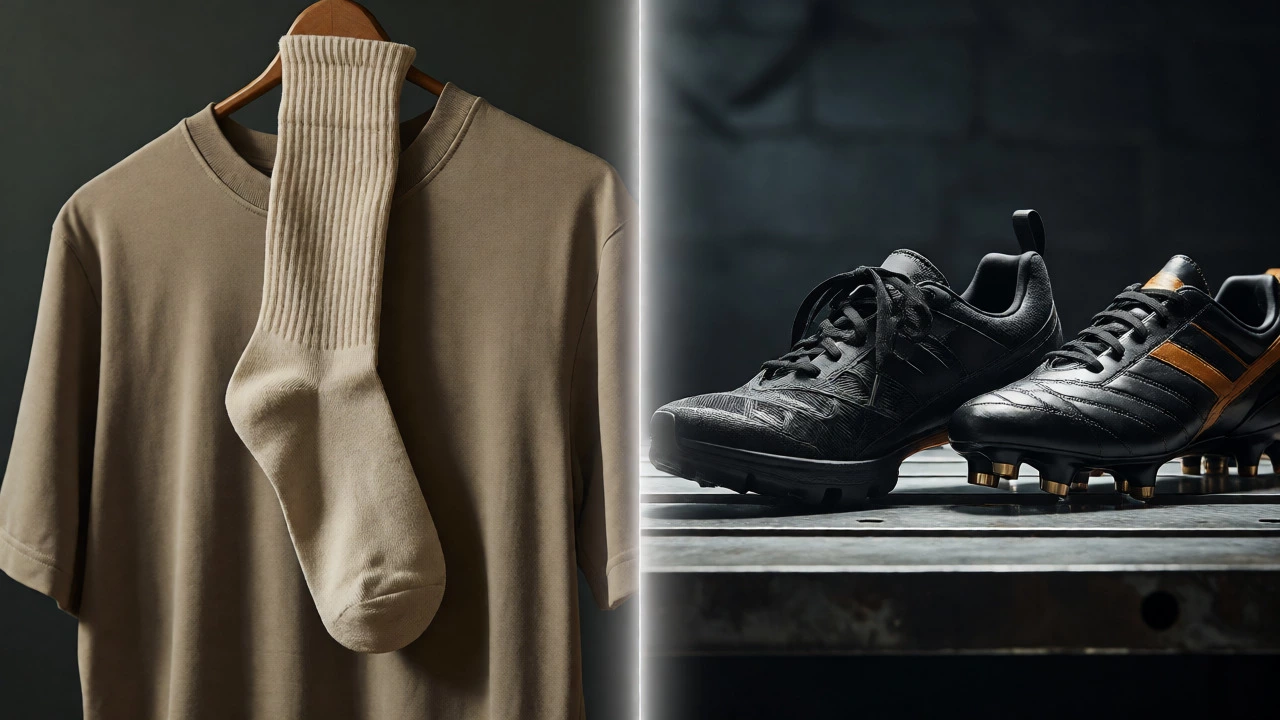
Sport Apparel, on the other hand, refers to items worn primarily for coverage, identification, or basic comfort. Think jerseys, shorts, socks, and hats. These items cover the body but don't usually interact with the ball or opponent in a way that changes the physics of the game directly.
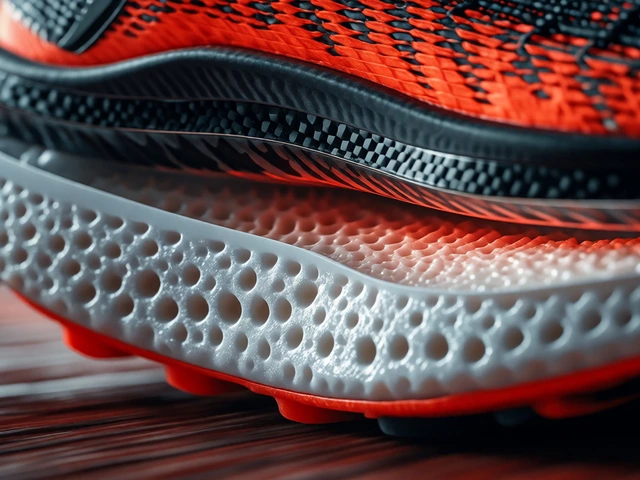
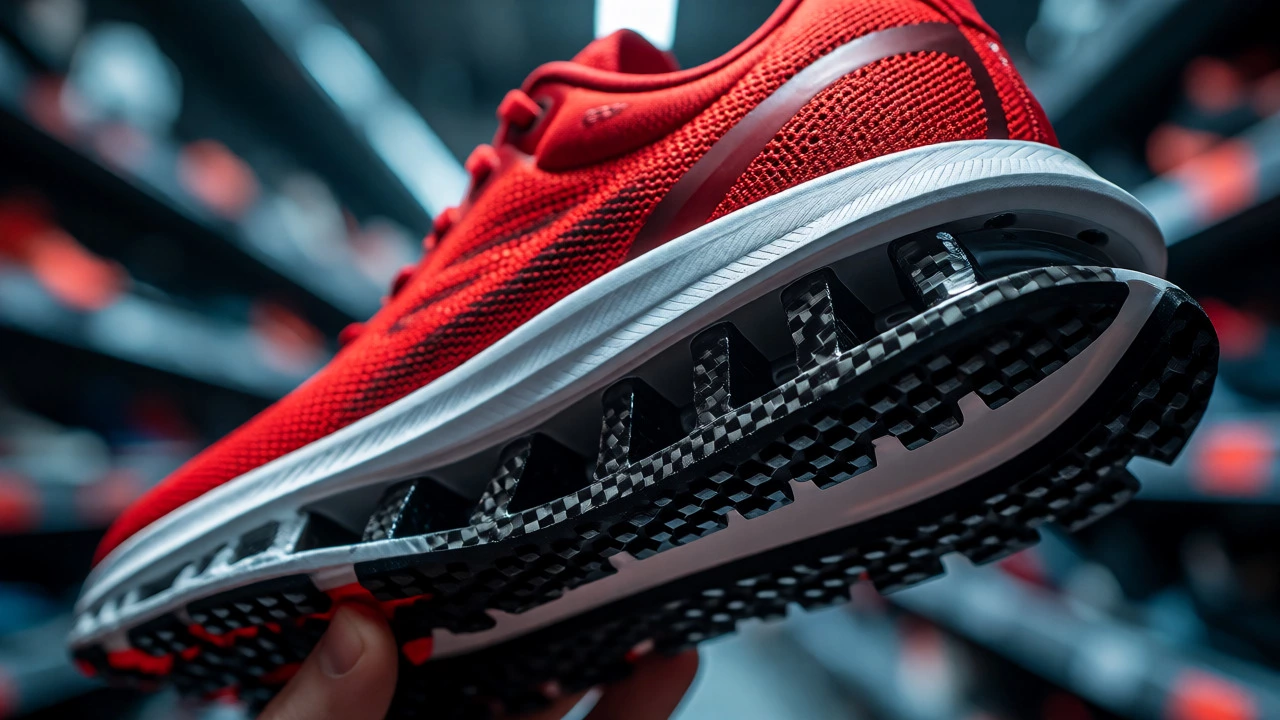
So, where does the shoe sit? It’s a hybrid. A standard cotton sock is apparel. It covers your foot. It doesn’t help you run faster. But a carbon-plated marathon shoe? That’s engineered technology. It stores and returns energy. It changes your stride efficiency by up to 4%. By that metric, it behaves much more like equipment than a simple piece of clothing.
Why the Classification Matters
You might ask, "Who cares if it's called equipment or apparel?" Well, quite a few people do.
First, consider insurance and liability. If you buy a specialized piece of equipment, like a climbing harness, you often get specific warranties regarding structural integrity. Footwear warranties are usually limited to stitching and sole separation. If a shoe fails mid-race causing an injury, proving it was an "equipment defect" rather than "normal wear and tear" is legally difficult because shoes are classified closer to apparel in many jurisdictions.
Second, there’s the issue of fairness and regulation. Governing bodies like World Athletics have strict rules about what constitutes legal equipment. When Nike introduced the Vaporfly shoes, they weren't banned because they were illegal clothing; they were scrutinized because they provided an unfair mechanical advantage. The debate centered on whether the thick foam and carbon plate made the shoe a form of passive assistance-essentially, equipment that helps you move, rather than just protecting your feet.
| Feature | Apparel (e.g., Jersey) | Equipment (e.g., Racket) | Hybrid (e.g., Running Shoe) |
|---|---|---|---|
| Primary Function | Coverage & Identification | Interaction with Ball/Opponent | Traction, Cushioning, Energy Return |
| Lifespan | Years (if maintained) | Months/Years (depends on usage) | 300-500 miles (performance degrades fast) |
| Regulation Focus | Color, Material Safety | Dimensions, Weight, Flexibility | Sole Thickness, Plate Count, Drop Height |
| Cost Driver | Brand, Fabric Quality | Technology, Materials Science | Biomechanical Research, Foam Tech |
The Gray Area: Specialized Footwear
Not all shoes are created equal. This is where the line blurs significantly. Let's look at three common types.
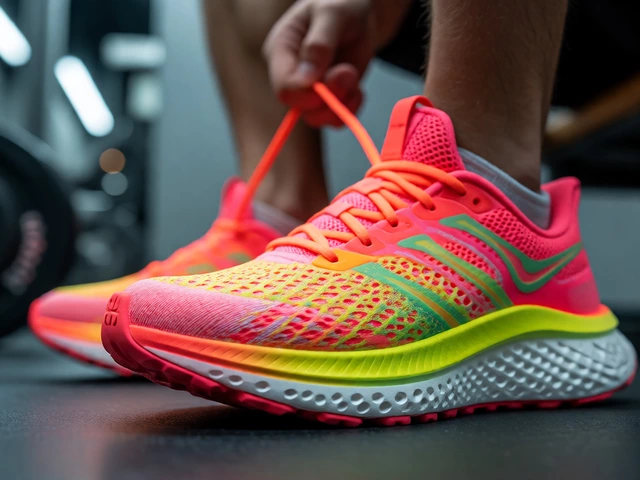
Running Shoes are the most debated category. They are designed to alter biomechanics. Features like ZoomX foam, Air units, and Carbon Fiber plates are engineering feats meant to reduce fatigue and increase speed. Because they degrade quickly (losing their bounce after 400-500 kilometers), they function like consumable equipment, similar to tires on a car, rather than durable clothing.
Cleats and Spikes lean heavily toward equipment. In soccer, rugby, or track, the studs are not just for comfort; they are critical for traction. A wrong stud length can disqualify a player in wet conditions. The interaction between the spike and the turf is a direct mechanical interface, much like a tire gripping a road. Many coaches refer to these as "kit," but technically, they are performance tools.
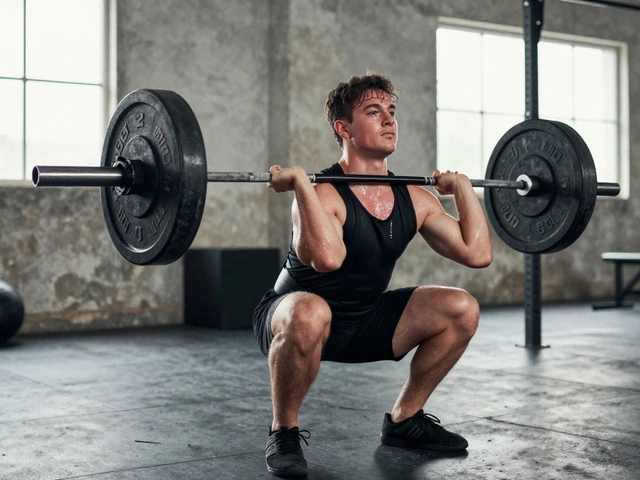
Weightlifting Shoes are arguably pure equipment. With raised heels and rigid soles, they change your center of gravity and allow you to squat deeper. They don't protect your foot from impact so much as they stabilize your skeleton under load. You wouldn't call them comfortable clothing; you’d call them a tool for lifting heavy objects.
Legal and Tax Implications
If you’re buying in bulk for a club or business, the classification hits your wallet. In Australia, for example, tax deductions for work-related expenses can depend on whether an item is considered a uniform/apparel or a necessary tool/equipment. While both are generally deductible for professional athletes, the depreciation schedules differ. Clothing wears out over time; equipment is often expensed immediately or depreciated based on useful life estimates that assume heavy mechanical use.
Furthermore, import duties vary. High-tech synthetic materials in shoes might attract different tariff codes than natural leather boots or textile jerseys. Retailers often split their inventory management systems into "Footwear" and "Hardgoods" (equipment) precisely because the supply chains, storage requirements, and return rates are so different. Shoes have high return rates due to fit issues; hardgoods have low return rates but higher warranty claims.

How Athletes Perceive Their Shoes
Ask any elite runner in Adelaide, or anywhere else, and they’ll tell you: their shoes are their most important piece of kit. They treat them with the same reverence a cyclist treats their bike frame. They rotate pairs to extend life, they clean them carefully, and they choose them based on race distance and weather.
This psychological shift suggests that for the user, the shoe *is* equipment. It requires maintenance, selection strategy, and technical understanding. You don’t pick a shirt based on its coefficient of restitution. You do pick a shoe based on its stack height and drop.
However, the industry still markets them as lifestyle products. Sneaker culture has turned shoes into fashion statements, pulling them back toward apparel. But in the context of competitive sport, the functional attributes dominate the conversation.
Verdict: Is a Shoe Sport Equipment?
The short answer is: Yes, but with caveats.
For casual wear, a shoe is apparel. For competitive athletics, a shoe is Performance Equipment. It meets the criteria of enhancing capability, requiring specific selection criteria, and having a limited functional lifespan driven by physical stress rather than aesthetic degradation.
If you are arguing semantics with a friend, you can say it’s a hybrid. But if you are talking to a coach, a physiotherapist, or a purchasing manager, treating shoes as equipment is the accurate approach. It acknowledges the science behind them and the role they play in your performance.
Are running shoes considered medical devices?
Generally, no. Most running shoes are consumer goods. However, custom orthotics or therapeutic footwear prescribed by a podiatrist may be classified as medical devices depending on local health regulations. Standard off-the-shelf athletic shoes are not medical devices.
Why are some shoes banned in professional sports?
Shoes are banned or restricted when they provide an unfair mechanical advantage. For example, World Athletics capped the sole thickness of racing shoes to prevent excessive energy return that could make human records unachievable without the technology. This confirms they are regulated like equipment.
Do I need to declare my sports shoes as equipment for travel?
For personal travel, no. You pack them in your luggage. For commercial shipping or importing large quantities for resale, customs authorities may classify them differently based on material composition and intended use, which can affect duty rates.
What is the difference between 'kit' and 'equipment' in team sports?
In team sports, 'kit' usually refers to uniforms (jerseys, shorts, socks). 'Equipment' refers to balls, nets, goals, and protective gear (helmets, pads). Shoes are often colloquially grouped with kit, but technically fall under equipment due to their performance-enhancing features.
Can I claim sports shoes as a tax deduction?
If you are a professional athlete or your job requires specific safety or performance footwear (like steel-capped boots for construction or running shoes for a fitness instructor), yes. You can usually claim the cost. Check with your local tax authority for specific rules on depreciation versus immediate write-offs.