Brooks Shoe Finder Quiz
Answer these questions to find out which Brooks model a podiatrist might recommend for you.
1. What is your primary goal or running style?
Your Recommended Model:
Podiatrist Note: Always consider getting a professional gait analysis if possible. Ensure you rotate pairs every 300-500 miles to maintain foam integrity.
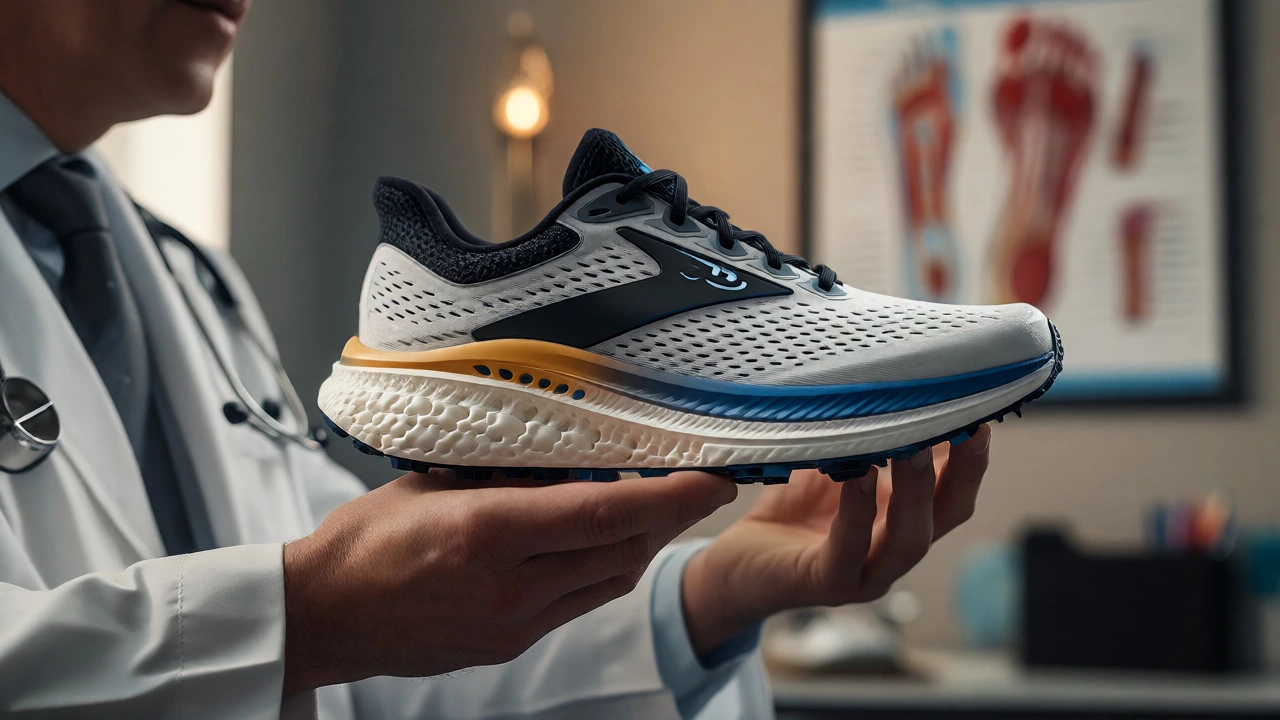
You’re standing in a shoe store, staring at rows of colorful foam and mesh, wondering which pair won’t destroy your knees. You ask the staff, but they push the newest hype model. Then you ask a podiatrist, and they almost invariably point you toward Brooks. It’s not just brand loyalty; it’s about biomechanics.
Brooks Running Shoes are engineered with specific technologies like DNA LOFT cushioning and GuideRails support that prioritize foot health over aesthetic trends. This focus on injury prevention makes them a top choice for medical professionals treating runners.
The Science Behind the Sole
Let’s get real: most running shoes are designed by marketers first and engineers second. Brooks flips this script. Their design philosophy centers on "Fit, Feel, and Performance," but specifically through the lens of human movement. When a podiatrist looks at a shoe, they aren't looking at how it looks on Instagram. They are looking at how it interacts with the kinetic chain-the complex system of bones, muscles, and tendons that transfer force from your foot to your hip.
Brooks invests heavily in research partnerships with universities and sports science labs. They track millions of steps to understand how feet actually land, not how we think they land. This data-driven approach results in outsoles and midsoles that respect natural gait patterns. For a doctor treating plantar fasciitis or shin splints, recommending a shoe that fights against the body’s natural mechanics is counterproductive. Brooks works *with* those mechanics.
DNA LOFT: The Cushioning That Adapts
At the heart of many Brooks recommendations is their proprietary foam, DNA LOFT. Unlike traditional EVA foams that can feel like concrete after ten miles, DNA LOFT is nitrogen-infused. This process creates tiny bubbles within the foam structure, allowing it to remain soft under low pressure (like walking) but responsive under high impact (like landing a jump).
Why does this matter to your arches? Consistency. Many foams degrade quickly or become temperature-sensitive. DNA LOFT maintains its properties across a wide range of conditions. For patients with diabetic neuropathy or sensitive nerves, this consistent shock absorption reduces the micro-trauma that accumulates over thousands of strides. It’s not just about comfort; it’s about reducing the cumulative load on joint structures.
GuideRails Technology: Protecting Your Knees
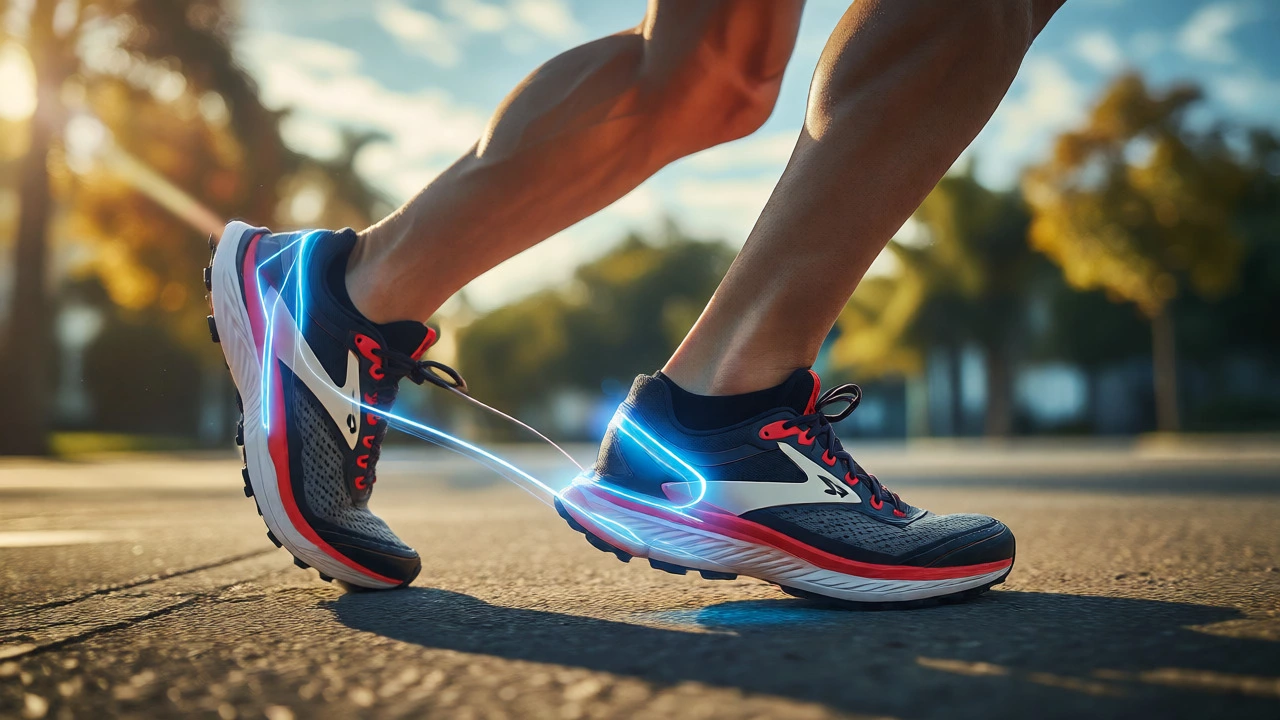
If you’ve ever had knee pain while running, you’ve likely heard of GuideRails. Think of these as bowling bumpers. They don’t correct your stride unless you drift too far off course. Traditional stability shoes used rigid posts to force pronation control, often fighting the runner’s natural motion. GuideRails take a holistic approach.
| Feature | Traditional Post Stability | Brooks GuideRails |
|---|---|---|
| Mechanism | Rigid medial post blocks inward roll | Firm sidewalls guide excessive motion only |
| Sensation | Can feel intrusive or stiff | Natural ride until limit is reached |
| Injury Risk | May cause hip/knee compensation | Reduces torque on knees and hips |
| Best For | Severe overpronators | Runners with history of knee pain |
This technology specifically targets excess knee rotation, a common culprit in runner’s knee (patellofemoral pain syndrome). By keeping the knee aligned without forcing the foot into an unnatural position, Brooks helps preserve cartilage health. Podiatrists love this because it addresses the symptom (knee pain) by fixing the cause (excessive hip adduction/internal rotation) rather than just masking it with orthotics.
Accommodating Orthotics and Custom Insoles
A huge reason doctors prescribe Brooks is their internal architecture. Many modern lightweight shoes have shallow toe boxes or glued-down liners that make inserting custom orthotics difficult. Brooks models like the Glycerin and Adrenaline GTS feature removable sockliners and deep heel cups.
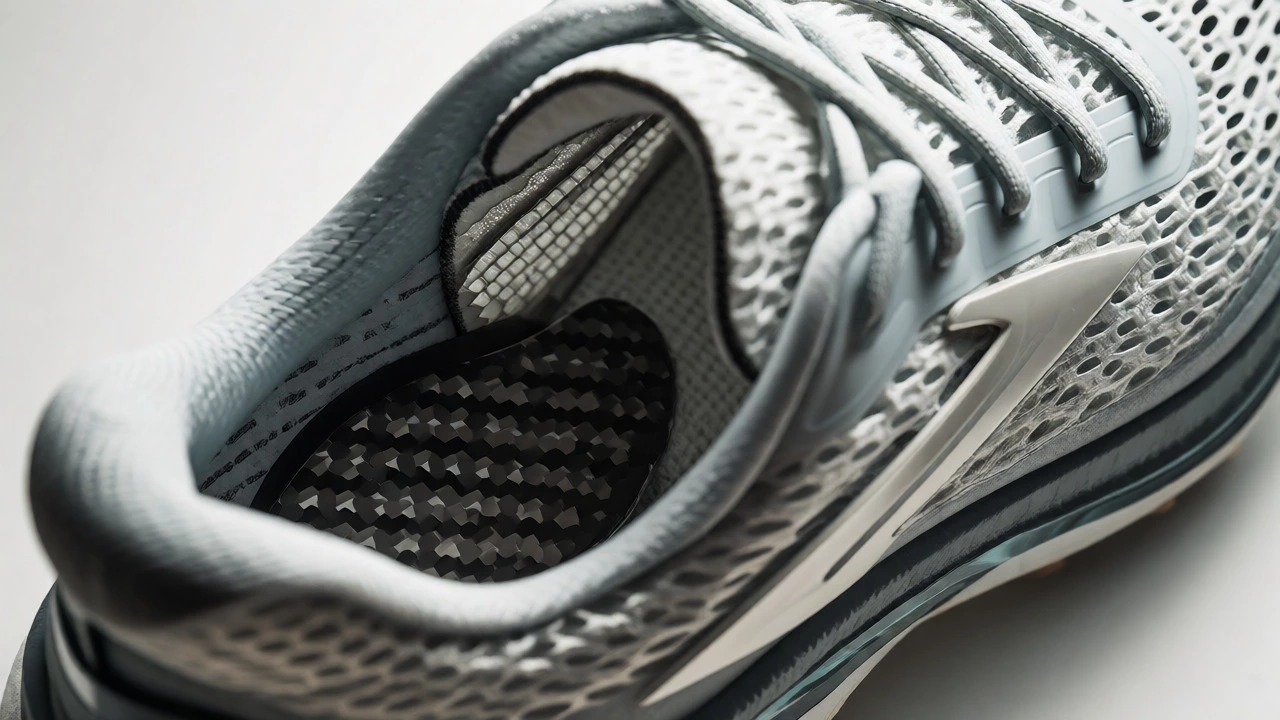
This depth allows a podiatrist to slide a carbon-fiber or semi-rigid orthotic directly into the shoe without cramping the toes or altering the fit significantly. If you wear custom devices for flat feet or high arches, a shoe that fights your device is useless. Brooks provides the canvas; your doctor paints the picture. The neutral balance of their lasts ensures that adding an insole doesn’t tip the shoe over or create new pressure points.
Wide Toe Boxes and Foot Health
Modern life has shrunk our feet. We spend hours in narrow dress shoes or heels, causing toes to splay less naturally. Runners often suffer from bunions, neuromas, and black toenails due to cramped footwear. Brooks offers multiple width options (Standard, Wide, Extra Wide) and generally designs their toe boxes with more room than competitors like Nike or Adidas.
This extra space isn't just luxury; it's functional. It allows the metatarsal heads to spread upon impact, engaging the intrinsic foot muscles properly. When toes are squished, the foot loses its ability to absorb shock efficiently, transferring that energy up the leg. A wider toe box promotes better balance and proprioception, helping prevent ankle rolls and falls.
Which Brooks Model Fits Your Needs?
Not all Brooks shoes are created equal. Choosing the wrong one can negate the benefits. Here is a quick breakdown of the most commonly recommended models:
- Adrenaline GTS: The gold standard for stability. Ideal for mild to moderate overpronators who need knee protection via GuideRails.
- Glycerin: Maximum cushioning for neutral runners. Best for long distances, heavier runners, or those with arthritis seeking plush comfort.
- Ghost: The versatile daily trainer. Lighter than the Adrenaline, suitable for beginners or runners who want a balanced mix of cushion and responsiveness.
- Levitate: For speed days. Uses DNA FLASH foam for a snappier return, great for interval training where ground feel matters.
Remember, "neutral" doesn't mean "unstable." If you have a healthy gait, forcing stability features can actually cause injuries by restricting natural motion. That’s why a professional gait analysis is worth the investment before buying.
Beyond the Shoe: Maintenance Matters
Even the best Brooks running shoes lose their magic after 300-500 miles. The foam compresses permanently, losing its ability to rebound. Podiatrists recommend tracking mileage. If you start feeling every pebble on the road again, it’s time for a replacement. Continuing to run in dead shoes forces your body to compensate, leading to stress fractures or tendonitis.
Also, rotate your pairs if possible. Letting the foam decompress for 24 hours between runs extends the lifespan and keeps the cushioning fresher. It’s a small habit that saves your joints money in the long run.
Are Brooks shoes good for flat feet?
Yes, particularly the Adrenaline GTS line. Its GuideRails technology supports the arch without using a rigid post, which can be uncomfortable for flat-footed runners. Additionally, the deep heel cup accommodates custom orthotics well.
How long do Brooks running shoes last?
Typically between 300 and 500 miles, depending on your weight, gait, and surface. Signs of wear include visible compression marks in the midsole foam and uneven tread wear on the outsole.
Do I need stability shoes if I don't have pain?
Not necessarily. If you have a neutral gait and no history of injury, a neutral shoe like the Brooks Ghost or Glycerin is often better. Stability features can restrict natural movement if they aren't needed, potentially causing other issues.
What is DNA LOFT cushioning?
DNA LOFT is a nitrogen-infused foam used in Brooks midsoles. It provides softness for comfort and durability, adapting to your step for a smooth transition from heel strike to toe-off.
Can I use my existing orthotics in Brooks shoes?
In most cases, yes. Brooks shoes typically have removable factory insoles and sufficient volume to accommodate standard custom orthotics. Always check the specific model's interior depth if you have bulky devices.