Golf Audience Terminology Guide
Explore the nuances of golf audience terminology. Select a term below to understand its context, implied behavior, and level of formality.
Spectators
The standard official term used by tour organizers and rulebooks.
Fans
The casual term used in media and marketing for enthusiasts.
Gallery
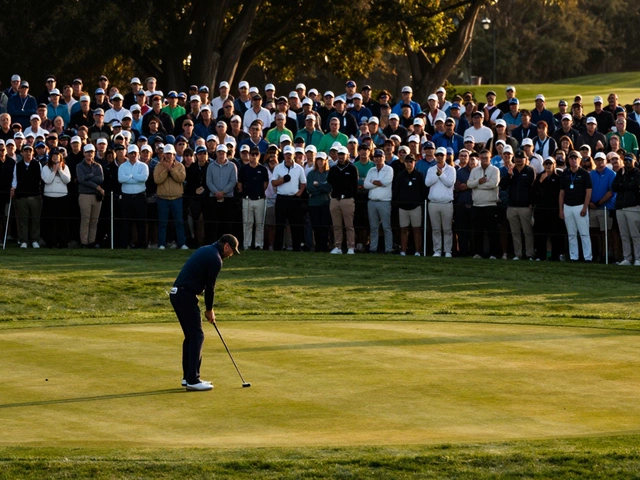
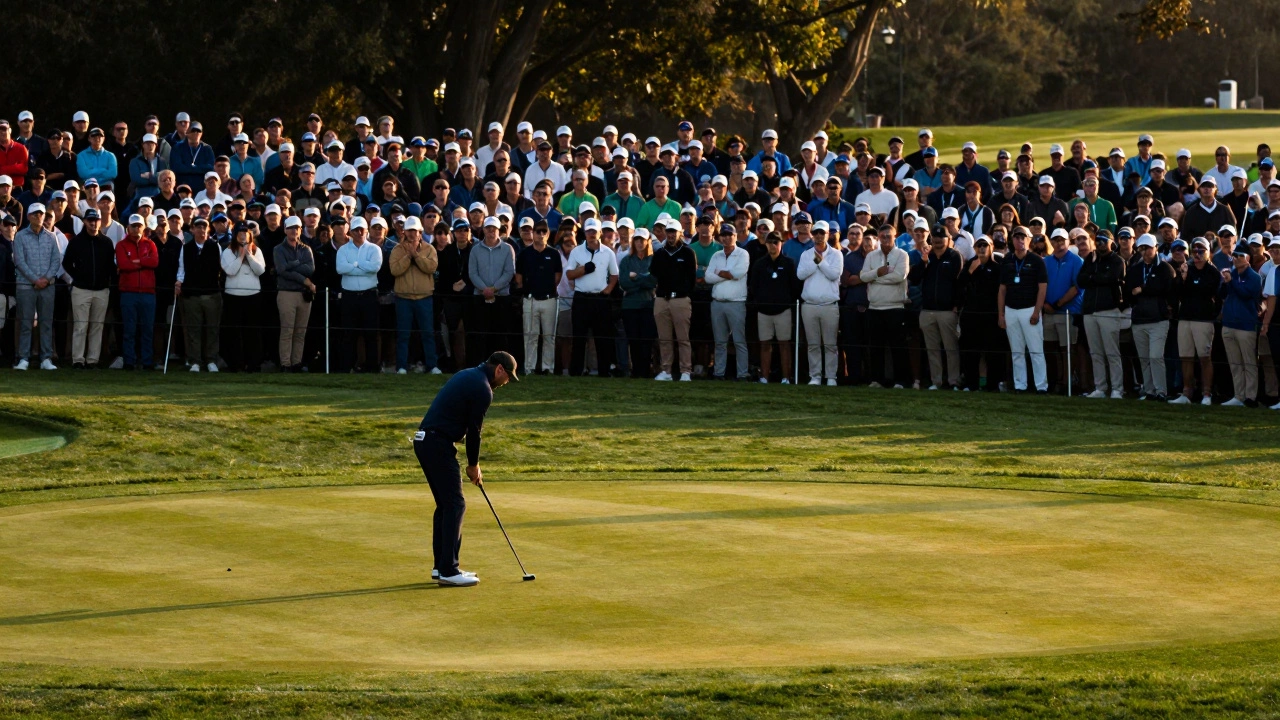
The traditional term for the collective crowd lining the course.
Imagine standing on the 18th hole of a major championship. The air is thick with anticipation. Thousands of people are holding their breath, waiting for a single putt to drop. You look around and see a sea of faces, all focused on the green. But what do you actually call these people? If you ask a casual observer, they might say "fans." If you ask a purist, they might scoff at the word entirely. The truth is, the terminology used to describe the people watching golf is surprisingly nuanced, reflecting the sport’s unique culture and etiquette.
The short answer is that there isn't one single, exclusive term like "the faithful" in football or "the base" in politics. However, depending on the context-whether it's a casual round at your local club or the Masters Tournament-you will hear several different terms. Let’s break down exactly what golf watchers are called, why the language matters, and how the role of the spectator has evolved in modern golf.
The Standard Term: Spectators
In the vast majority of official contexts, the people watching golf are referred to as spectators. This is the term used by tour organizers, broadcasters, and tournament committees. It sounds formal, perhaps even a bit distant, but it serves a specific purpose. Golf is a game played over long distances and extended periods. Unlike basketball, where the action is contained within a court, golf spreads out across hundreds of acres. The relationship between the player and the watcher is less about immediate interaction and more about observation from a distance.
When you buy a ticket to the Open Championship or the PGA Championship, you are technically registering as a spectator. The rules of golf, governed by the R&A and the USGA, frequently use this term. For example, Rule 4.3 regarding outside advice specifies interactions between a player and a spectator. Using a neutral term like "spectator" helps maintain the boundary between the competition and the public. It reminds everyone that while they are there to watch, they are not participants in the athletic contest itself.
This terminology also highlights the passive nature of traditional golf viewing. In many sports, fans are expected to cheer, boo, and influence the momentum of the game. In golf, silence is often golden. Calling them spectators reinforces the expectation of decorum. They are observers of a precise, self-refereed skill test, rather than active participants in a team-based emotional rollercoaster.
The Casual Term: Fans
Despite the formal preference for "spectators," the word fans is widely used in media, marketing, and casual conversation to describe enthusiasts who follow golfers and tournaments remains incredibly common. You will see headlines like "Tiger Woods fans flock to Augusta" or "Rory McIlroy’s fanbase grows online." Why does this term persist? Because golf, like any other sport, has personalities. People don't just watch the ball; they watch the players. They have favorites. They wear jerseys. They argue about who is the greatest of all time.
Using the word "fans" acknowledges the emotional connection people have with the sport. It recognizes that some people aren't just passing by a fairway; they have traveled thousands of miles, spent significant money, and invested hours of their lives following a specific golfer’s career. For brands and sponsors, "fans" is a much more useful term than "spectators." It implies loyalty, engagement, and potential revenue. When Nike or Titleist talks about their audience, they are talking about fans who want to emulate the pros.
However, using "fans" can sometimes clash with the traditional ethos of the game. Older generations of golfers might feel that the word brings too much of the "celebrity culture" into a sport that prides itself on humility and self-discipline. Yet, as golf becomes more accessible through streaming services and social media, the line between a detached spectator and an engaged fan is blurring. Today, a person watching the Masters on TV in their living room is just as much a "fan" as someone standing on the gallery at Augusta National.
The Traditional Term: Gallery
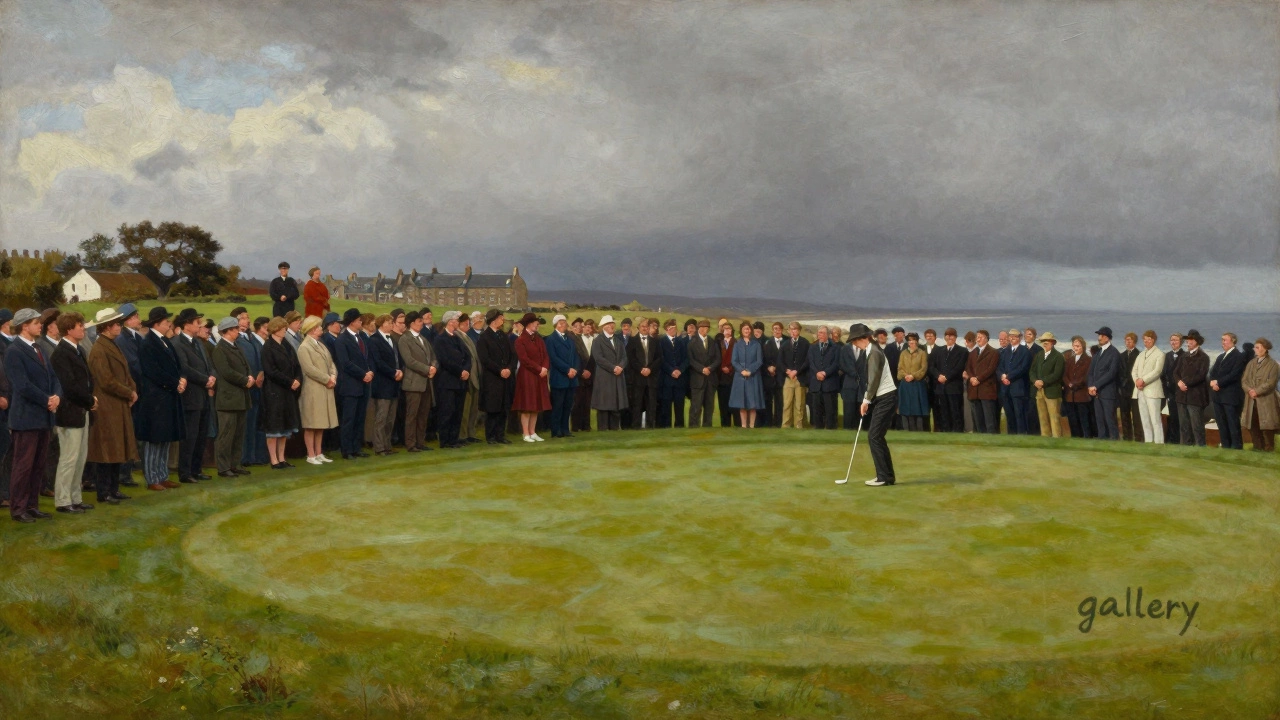
If you dive deeper into golf history or listen to commentators during the British Open, you will hear another term: the gallery is the collective group of spectators lining the course during a tournament. This is perhaps the most distinctively "golf" term for the audience. It originates from the physical layout of early golf courses. Since the game was played outdoors without stadium seating, spectators formed lines along the sides of the holes. These lines were literally galleries of people.
You will often hear phrases like "The gallery went wild" or "He played well in front of a huge gallery." This term emphasizes the visual aspect of the crowd. It paints a picture of people standing shoulder-to-shoulder, creating a human wall that defines the playable area of the course. The gallery is not just a collection of individuals; it is a singular entity that surrounds the players. In links golf, particularly in Scotland, the gallery is known for being knowledgeable, loud (at the right times), and deeply respectful of the game’s traditions.
Understanding the concept of the gallery is crucial for anyone new to watching professional golf. It explains why crowds move so slowly and why they stop abruptly when a player addresses the ball. The gallery is a disciplined organism. It knows its place. It respects the silence required for concentration and erupts only when a shot is made. This dynamic is unique to golf and sets it apart from almost every other major sport.

Other Terms: Onlookers and Crowds
Beyond the main three terms, you might encounter words like "onlookers" or simply "the crowd." These are less formal and often used in descriptive journalism. An "onlooker" suggests someone who is watching casually, perhaps without deep knowledge of the rules. They might be a local walking their dog near the 9th hole and stopping to watch a pro hit a drive. "The crowd" is a generic term that works in any sporting context but lacks the specificity of "gallery" or the formality of "spectators."
In amateur settings, such as a local club championship, the term "members" or "friends and family" might be used instead. At a private club, the people watching are often fellow members. They know the players personally. They might offer advice (which is technically against the rules in competitive play) or share a laugh after a bad hole. This intimate setting creates a different atmosphere compared to the anonymous mass of spectators at a major championship.
Why Does the Terminology Matter?
You might wonder why we need so many words for the same group of people. The answer lies in etiquette and expectation. The term you use signals how you expect the audience to behave. If you refer to them as "fans," you might expect cheering and high energy. If you refer to them as "spectators" or the "gallery," you imply a need for quiet and respect.
Golf is a game where noise can ruin a shot. A sudden clap or shout can distract a player mid-swing, leading to a costly mistake. Therefore, the language surrounding the audience is designed to manage behavior. By calling them the gallery, the sport reinforces the idea that they are part of the scenery, integral to the experience but subordinate to the play. This cultural norm is why you rarely see golf audiences throwing beer bottles or invading the field. They understand their role as observers.
Furthermore, the terminology reflects the evolution of the sport. As golf tries to attract younger audiences, it leans more towards "fans" and "community." It wants to be seen as engaging and exciting. However, the core of the game remains rooted in tradition, keeping "spectators" and "gallery" alive. This duality allows golf to appeal to both the casual viewer looking for entertainment and the purist seeking a test of skill.
Comparison of Terms
| Term | Context | Implied Behavior | Formality |
|---|---|---|---|
| Spectators | Official rules, broadcasts | Quiet, observant | High |
| Fans | Media, marketing, social media | Engaged, supportive | Low |
| Gallery | Traditional commentary, UK/Europe | Disciplined, knowledgeable | Medium |
| Crowd | General description | Variable | Neutral |
Etiquette for Modern Golf Watchers
Regardless of what you are called, if you plan to watch golf live, there are universal rules of conduct. First, always stand still and remain silent when a player is addressing the ball or making a stroke. This includes silencing your phone. Second, do not walk in front of a player while they are preparing to hit. Third, applaud good shots, but avoid excessive noise during the swing. Finally, respect the pace of play. If you are watching from the side, move quickly to the next position once the ball is struck.
These rules ensure that the game remains fair and enjoyable for everyone. They protect the integrity of the sport and allow players to perform at their best. As a watcher, whether you consider yourself a fan, a spectator, or part of the gallery, your behavior contributes to the atmosphere of the event. Good etiquette makes the experience better for the players and for other viewers.
What is the difference between a fan and a spectator in golf?
A fan is emotionally invested in specific players or teams, often showing support through merchandise and vocal encouragement. A spectator is a more neutral term for anyone watching the event, emphasizing observation and adherence to etiquette rules. In golf, "spectator" is preferred officially to highlight the need for quiet and respect.
Why is the word "gallery" used in golf?
The term "gallery" refers to the line of spectators standing along the sides of the golf course. It originated from the physical arrangement of crowds in early golf tournaments, forming a human border around the playing area. It is commonly used in British golf and traditional commentary.
Can I cheer for my favorite golfer during their swing?
No, you should never make noise while a player is swinging. Silence is required from the moment the player addresses the ball until the shot is completed. Cheering is appropriate only after the ball has been struck and is no longer in danger of being affected by noise.
Is it rude to call golf watchers "fans"?
It is not inherently rude, but it may seem informal to traditionalists. "Fans" implies a level of emotional engagement that contrasts with the quiet, respectful demeanor expected in golf. However, in modern media and casual conversation, "fans" is widely accepted and understood.
What should I do if I am watching a tournament live?
Stand still and stay silent during swings. Keep your phone on silent mode. Do not walk in front of players. Applaud good shots politely. Follow the lead of those around you, especially regarding when to move and when to stop. Respect the pace of play and the course conditions.